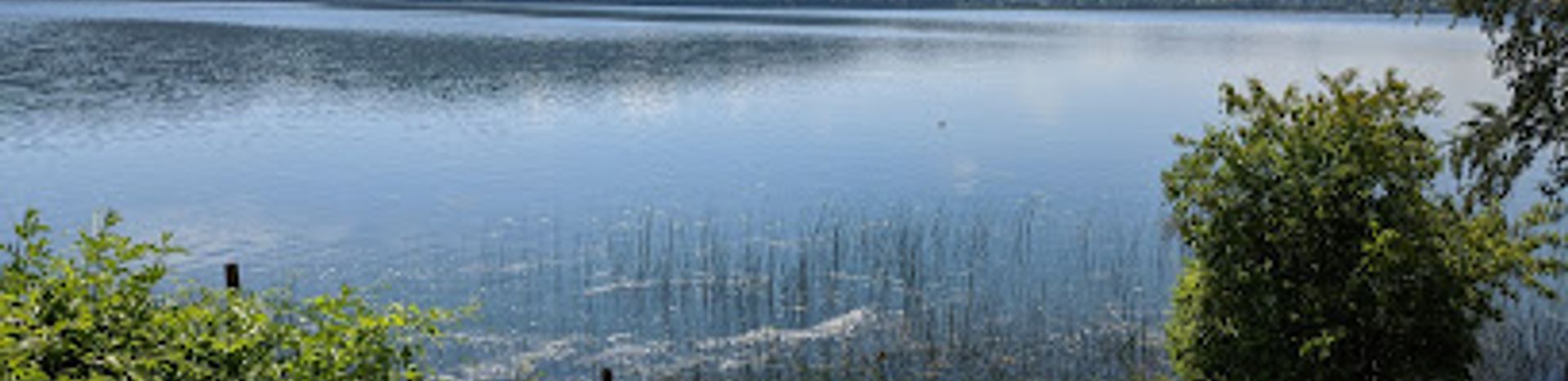
Laacher See: A Volcanic Gem
Discover the serene beauty and volcanic history of Laacher See, the largest lake in Rhineland-Palatinate, offering hiking, birdwatching, and cultural exploration in the Eifel region.
Laacher See, nestled in the Eifel region of Germany, is a stunning volcanic caldera lake with a fascinating history. Formed by a massive eruption around 13,000 years ago, it's the largest lake in Rhineland-Palatinate and a haven for nature lovers. The lake offers a variety of activities, from hiking and birdwatching to swimming and sailing. Explore the shoreline, discover unique geological features like mofettes (volcanic gas vents), and visit the historic Maria Laach Abbey. Whether you seek outdoor adventure or tranquil relaxation, Laacher See promises an unforgettable experience surrounded by breathtaking scenery and a palpable sense of ancient power. The area around the lake has been a nature reserve for almost 80 years, ensuring the preservation of its unique ecosystem.
A brief summary to Laacher See Nature Reserve
- Glees, DE
Local tips
- Explore the mofettes (volcanic gas vents) on the eastern shore for a unique glimpse into the lake's volcanic past.
- Hike the 15km circular trail around the lake for stunning views and diverse scenery.
- Visit Maria Laach Abbey, a beautiful Romanesque monastery on the lake's shore.
- Pack binoculars for birdwatching, as the lake is a haven for waterfowl.
- Consider visiting during the weekdays to avoid crowds and enjoy a more peaceful experience.

Getting There
-
Public Transport
From Koblenz, take a train to Andernach. From Andernach Bahnhof, take bus line 395 to the 'Glees Maria Laach Kloster/Parkplatz' stop, which is a short walk to the lake and Maria Laach Abbey. The bus journey takes approximately 1 hour and 48 minutes. A single bus fare costs around €5-€7.
-
Driving
From Koblenz, take the A61 motorway towards Cologne. Exit at Mendig and follow the signs to Maria Laach. Parking is available at the 'Maria Laach Parkplatz' near the abbey. Parking fees vary, but expect to pay around €3-€5 for a day.
Discover more about Laacher See Nature Reserve
Iconic landmarks you can’t miss

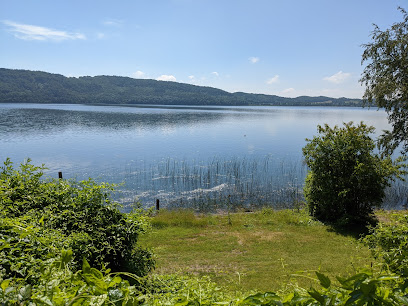
Laacher See Nature Reserve
0.0 km
Discover the serene beauty and volcanic history of Laacher See, the largest lake in Rhineland-Palatinate, offering hiking, birdwatching, and cultural exploration in the Eifel region.
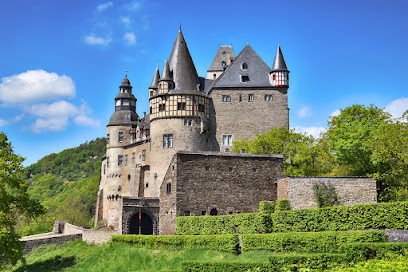
Castle Bürresheim
9.5 km
Immerse yourself in the rich history and stunning architecture of Castle Bürresheim, a must-visit destination in Germany's picturesque Eifel region.
Elzbach
16.7 km
Discover the serene beauty of the Elzbach River in Germany: a perfect blend of nature, history, and culture awaits along its picturesque banks and charming villages.
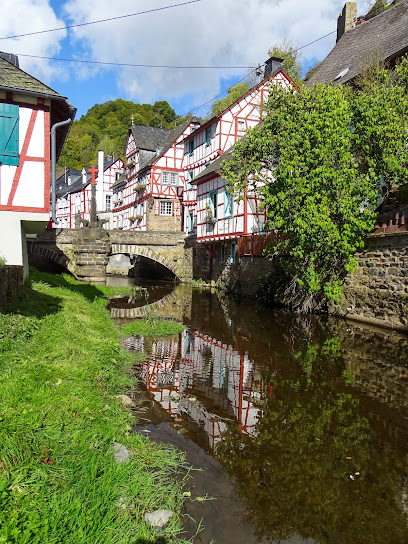
3/7/45 cross Rhine
19.5 km
Explore the historic Ludendorff Bridge in Remagen, a pivotal WWII site and now a Peace Museum, offering profound insights into war, resilience, and the pursuit of peace on the Rhine.

Moseluferweg Moselweiß
20.5 km
Discover the scenic beauty of Koblenz with a stroll along the Moseluferweg Moselweiß, a picturesque riverside path offering stunning views of the Mosel River and surrounding vineyards.
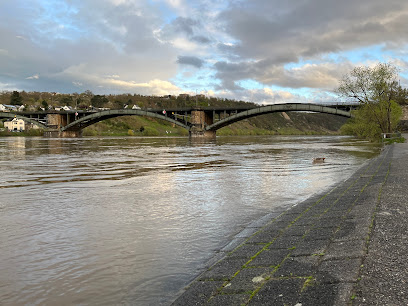
Alte Ziegelei FVM Generationen Park
21.0 km
Discover Koblenz's Alte Ziegelei FVM Generationen Park: a community-led oasis blending history, nature, and recreation for all ages, showcasing local commitment and sustainable practices.
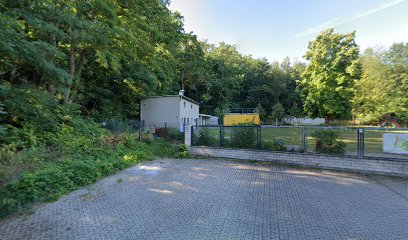
Weißenfelser Ley
21.3 km
Experience stunning panoramic views and serene landscapes at Weißenfelser Ley, the must-visit observation deck in Neustadt, Germany.
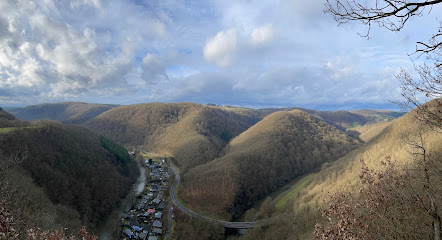
Hauptfriedhof Koblenz
22.0 km
Discover the serene beauty and rich history of Koblenz's Hauptfriedhof, a peaceful oasis offering a glimpse into the city's past and a tranquil space for reflection and remembrance.
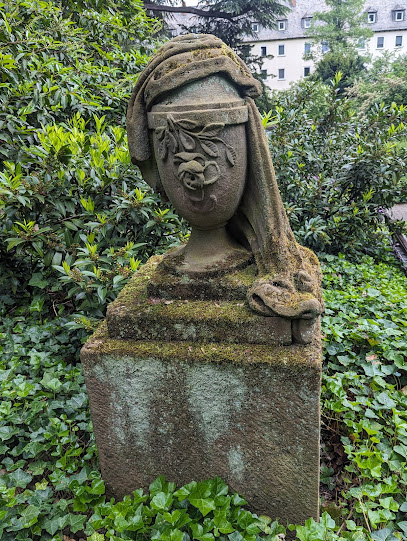
The Koblenz house of eternity Beth ha Kwaroth das Haus der Ewigkeit
22.1 km
Reflect on Koblenz's Jewish heritage at the House of Eternity, a serene cemetery offering a poignant glimpse into the community's history, traditions, and resilience through the Holocaust.
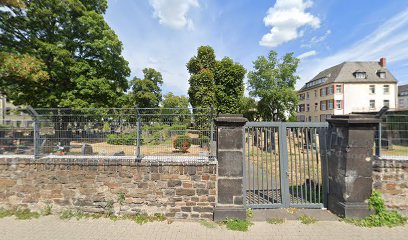
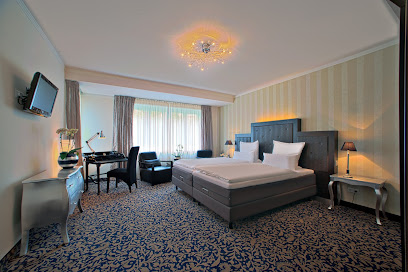
Top Hotel Krämer
22.4 km
Experience Koblenz from the comfortable and centrally located Top Hotel Krämer, offering modern amenities, friendly service, and easy access to the city's historical and scenic attractions.
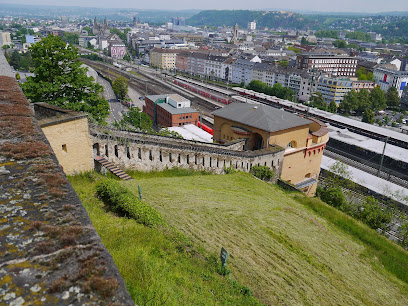
Fort Großfürst Konstantin
22.5 km
Explore Fort Großfürst Konstantin in Koblenz: A historic Prussian fortress offering panoramic views, cultural events, and a glimpse into the region's rich past.
Portal des ehemaligen Dominikanerklosters
22.5 km
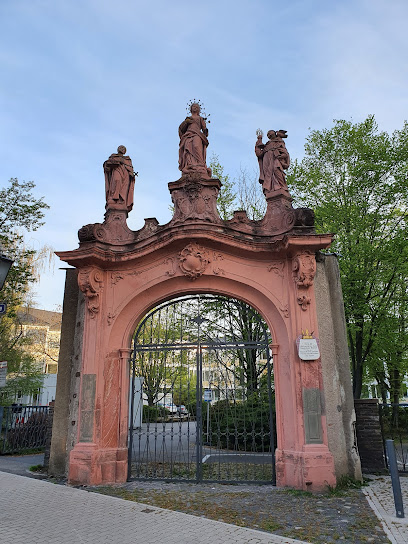
Discover the Portal of the Former Dominican Monastery in Koblenz: A historical gateway offering a glimpse into the city's rich past and the legacy of the Dominican order.
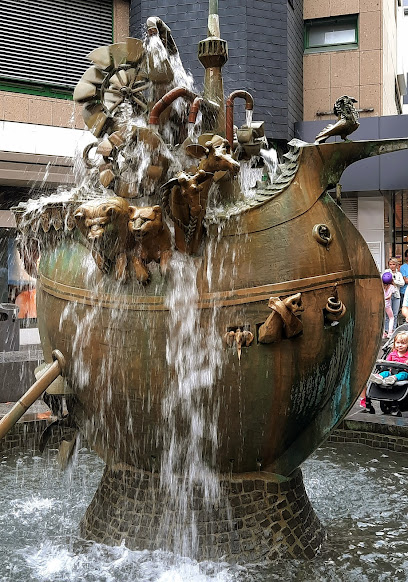
Erfinderbrunnen, Koblenz - Prof. Gernot Rumpf (1983)
22.7 km
Discover the Erfinderbrunnen in Koblenz, a whimsical fountain celebrating regional inventors with playful sculptures and dynamic water features in the heart of the city's bustling Fischelpassage.
Stadtarchiv Koblenz
22.7 km
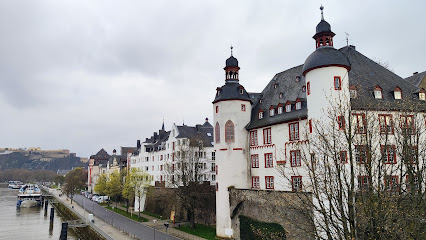
Delve into Koblenz's past at the City Archive, housed in the historic Alte Burg, offering a wealth of documents, maps, and photographs for researchers and history enthusiasts.
ibis Koblenz City
22.7 km
Experience the heart of Koblenz with the comfort and accessibility of ibis Koblenz City, your ideal travel base for exploring Germany's history.
Unmissable attractions to see

Eifel-Vulkanismus, Aufschluss
2.8 km
Explore the stunning geological features of Eifel-Vulkanismus, Aufschluss and uncover the volcanic history of the beautiful Eifel region.
Museumslay
3.2 km
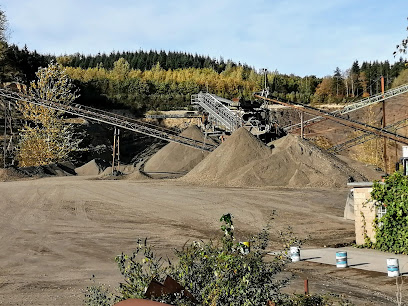
Discover the rich heritage of Mendig at Museumslay, where history comes alive through engaging exhibits and cultural experiences.
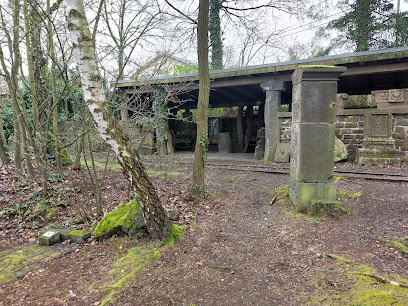
Trasshöhlen
5.7 km
Explore the breathtaking beauty of Trasshöhlen in Brohl-Lützing, a hidden gem for hiking enthusiasts and nature lovers alike.
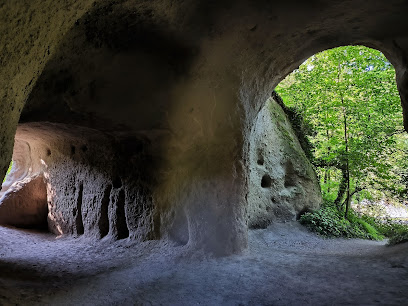
Erlebniswelten Grubenfeld
8.9 km
Explore the fascinating history and culture of Mayen at Erlebniswelten Grubenfeld, a unique local history museum and tourist attraction.
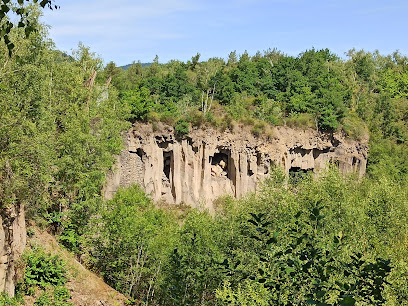
Genovevaburg - Eifel Museum, and German slate mine
10.0 km
Explore the captivating history of Mayen at Genovevaburg, where Eifel culture and slate mining heritage come to life in a stunning museum setting.
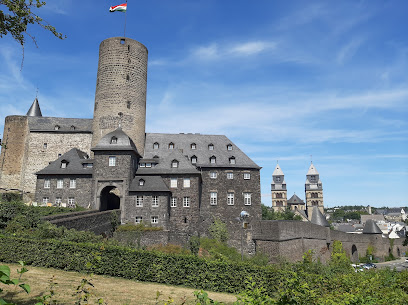
Roman world at the Caput Limitis
11.9 km
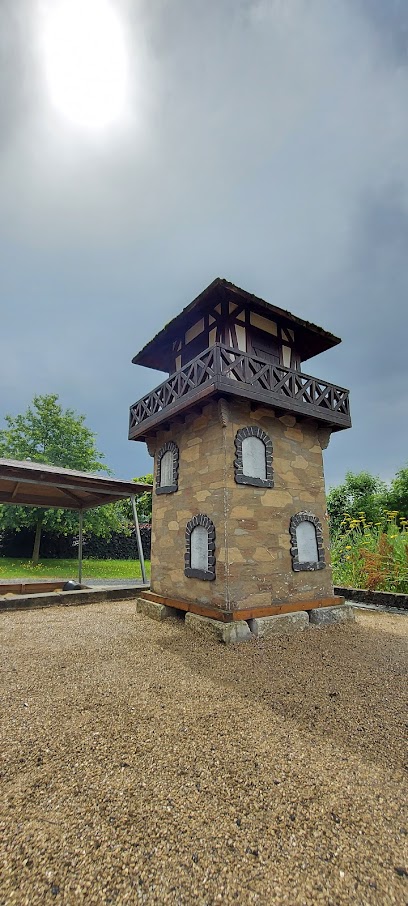
Explore the ancient history and cultural heritage of the Roman Empire at the captivating Roman World at Caput Limitis in Rheinbrohl.
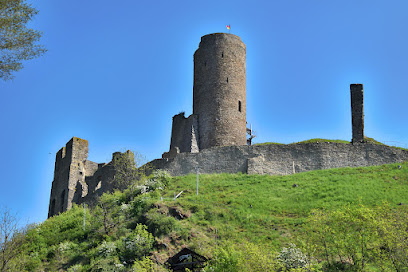
Monreal Castle
14.8 km
Explore the enchanting Monreal Castle, a historical landmark surrounded by stunning trails, perfect for nature lovers and history enthusiasts alike.
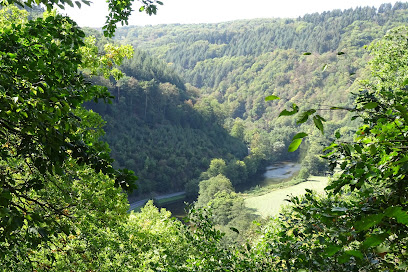
Laubach Wasserfall
16.9 km
Experience the serenity of Laubach Wasserfall in Melsbach, Germany – a breathtaking natural escape perfect for all nature lovers and adventure seekers.
Am Lammdeich
17.3 km
Experience the serene beauty and cultural richness of Am Lammdeich in Koblenz, where nature meets history along the Rhine River.
Schloss von der Leyen
18.0 km
Discover the charm of Schloss von der Leyen, a stunning museum in Kobern-Gondorf, showcasing rich history and breathtaking architecture amidst serene landscapes.
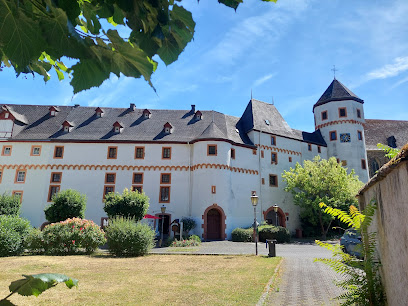
Pyrmont Castle
19.0 km
Explore Pyrmont Castle - A historical gem in Roes, Germany, offering stunning views, rich heritage, and unique event spaces.
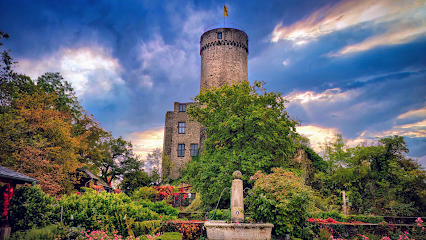
Schäfers Kreuz
19.5 km
Discover the serene beauty of Schäfers Kreuz in Waldbreitbach, a tranquil tourist attraction perfect for nature lovers and hiking enthusiasts.
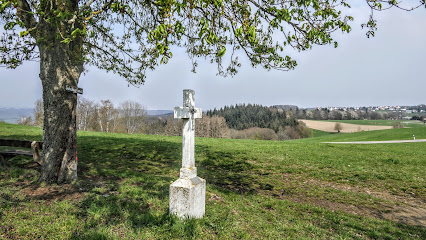
Statue in der Weglänge
20.3 km
Explore the Statue in der Weglänge, a beautiful tourist attraction in Koblenz that showcases the city’s artistic heritage and rich history.
Traumpfad Eltzer Burgpanorama
20.9 km
Discover the stunning views and rich history of the Eltzer Burgpanorama Trail, a premier hiking destination in Germany's breathtaking landscapes.
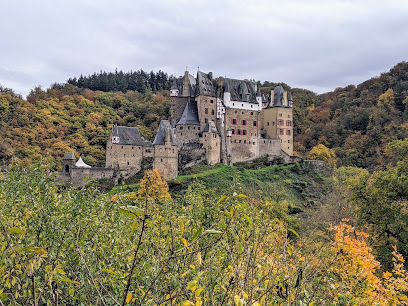
Thurant Castle
21.5 km
Explore the rich history and stunning vistas of Thurant Castle, a majestic landmark overlooking the Moselle River in Alken, Germany.
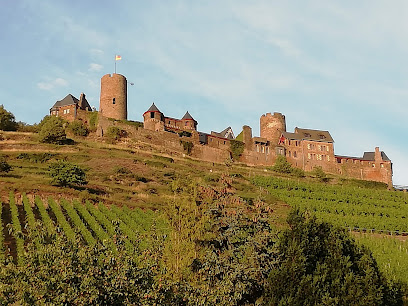
Essential places to dine

Alte Mühle Thomas Höreth
16.2 km
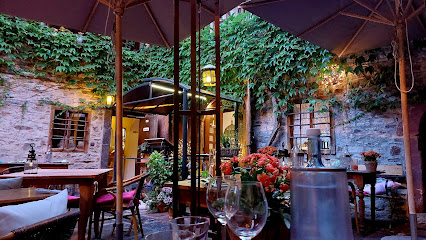
Discover culinary delights at Alte Mühle Thomas Höreth—where exquisite dining meets breathtaking vineyard views in Kobern-Gondorf.
Landhaus Halferschenke
16.9 km
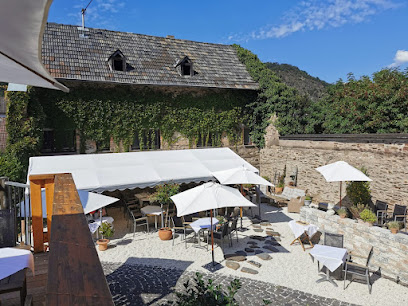
Discover authentic local cuisine and warm hospitality at Landhaus Halferschenke in picturesque Dieblich.
Hotel & Restaurant Hohenzollern
20.2 km
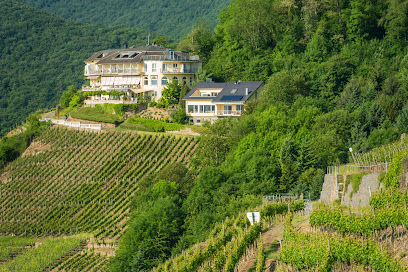
Discover unparalleled comfort and exquisite dining at Hotel & Restaurant Hohenzollern in Bad Neuenahr-Ahrweiler.
Pizzeria Chianti
20.5 km
Experience authentic Italian cuisine at Pizzeria Chianti in Koblenz – where every pizza is crafted with passion and quality ingredients.
Hotel-Restaurant Weinhaus Zum schwarzen Bären
20.6 km
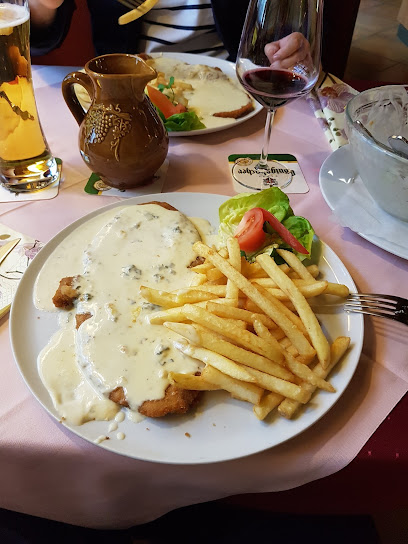
Discover authentic German cuisine and cozy lodging at Hotel-Restaurant Weinhaus Zum schwarzen Bären in Koblenz – a true local treasure.
Restaurant Delphi im Bootshaus
20.8 km
Experience authentic Greek cuisine at Restaurant Delphi im Bootshaus with stunning views over Moselstausee in Koblenz.
„Demirdag“ Grillrestaurant Koblenz-Moselweiß
21.1 km
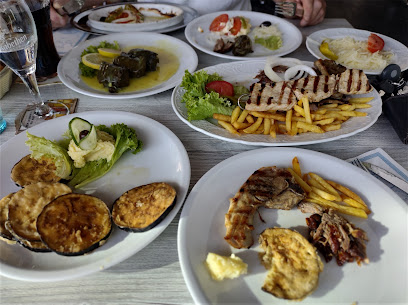
Discover authentic Turkish barbecue at Demirdag Grillrestaurant in Koblenz-Moselweiß – where flavor meets tradition.
Restaurant OM
21.8 km
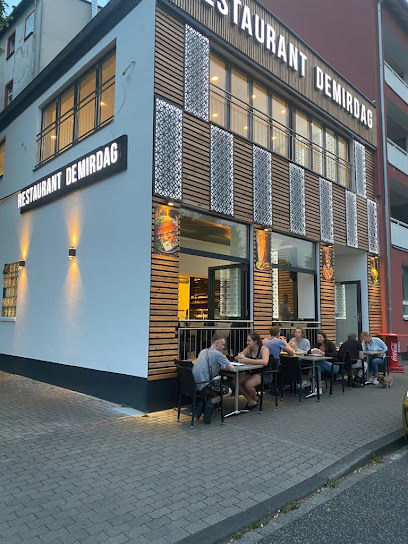
Discover authentic Indian cuisine at Restaurant OM in Koblenz—offering vegan and vegetarian delights in a warm and inviting setting.
Restaurant Stradun
22.6 km
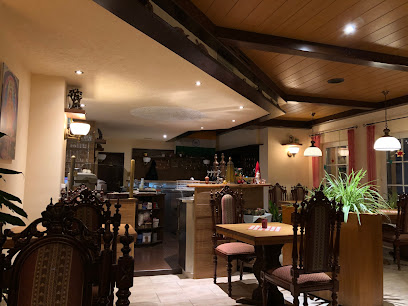
Experience authentic Croatian cuisine at Restaurant Stradun in Koblenz - a perfect blend of tradition and flavor.
COFONE WEINBAR
22.6 km
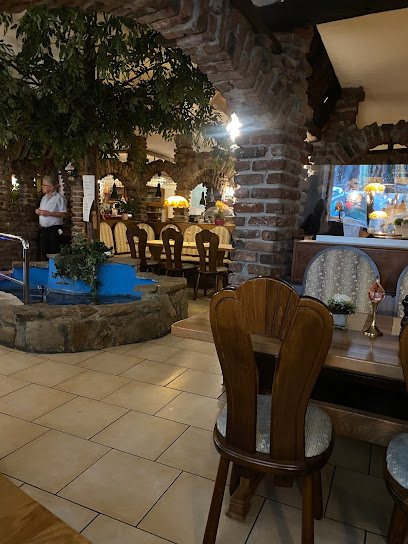
Experience authentic Italian dining paired with exquisite wines at Cofone Weinbar, the ultimate culinary destination in Koblenz.
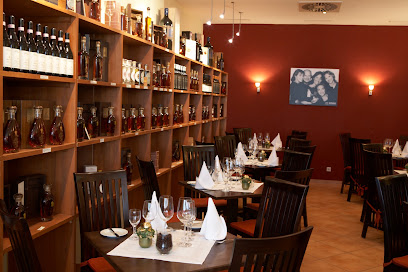
Restaurant Hexenkessel
22.6 km
Experience authentic Italian cuisine in Koblenz at Restaurant Hexenkessel - where flavor meets tradition in every bite.
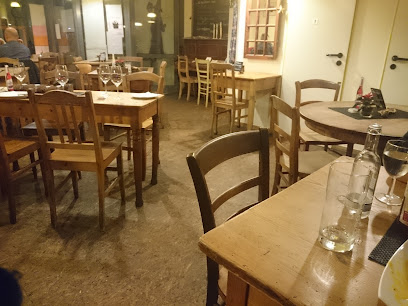
Dubrovnik Restaurant / Koblenz
22.6 km
Experience authentic Croatian and German cuisine at Dubrovnik Restaurant in Koblenz – where every meal is a celebration of flavors.
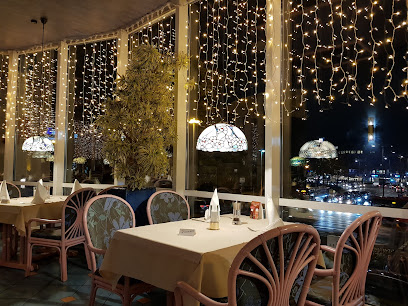
TAQUITOS Cantina Y Bar
22.7 km
Discover authentic Mexican cuisine and vibrant nightlife at TAQUITOS Cantina Y Bar in Koblenz - where every meal is a celebration!
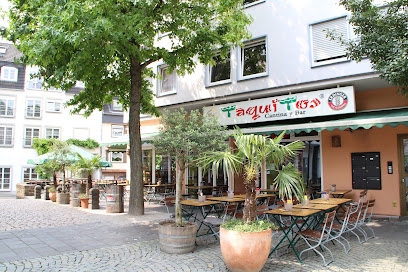
Königsbacher Treff - Koblenz
22.7 km
Discover authentic German cuisine at Königsbacher Treff in Koblenz - a culinary haven for tourists with local flavors and delightful ambiance.
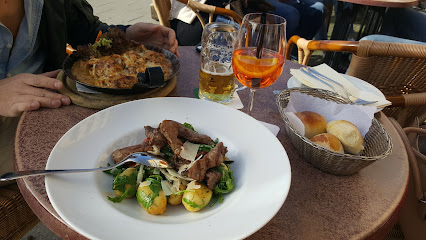
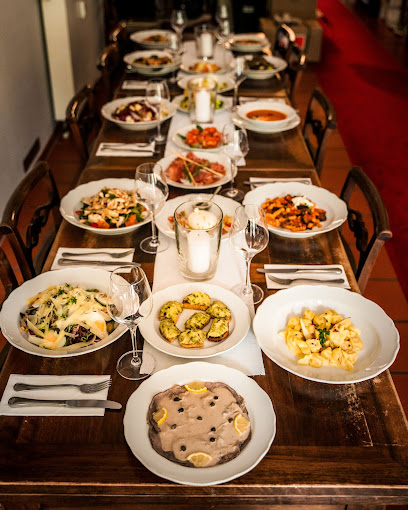
Osteria Novecento
22.7 km
Savor the essence of Italy at Osteria Novecento - where authentic cuisine meets warm hospitality in Koblenz.
Markets, malls and hidden boutiques

Frauensache
9.1 km
Explore the vibrant fashion scene at Frauensache in Andernach, where local style meets unique craftsmanship in a charming boutique setting.
Wunderschön Store Neuwied
12.8 km
Explore a stylish range of women's clothing at Wunderschön Store Neuwied, where local designers meet contemporary fashion in a welcoming atmosphere.
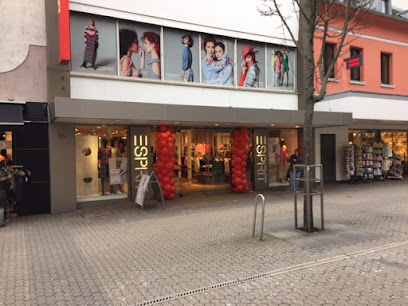
Frankonia Mülheim-Kärlich
16.6 km
Discover high-quality hunting gear and outdoor clothing at Frankonia Mülheim-Kärlich, where adventure begins.
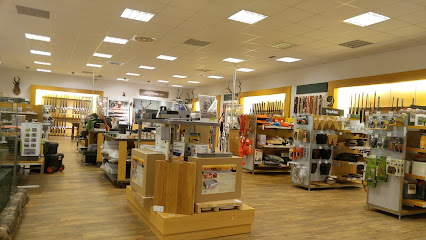
Ausgedruckt.de
19.4 km
Explore Ausgedruckt.de in Winningen for unique gifts and local artisan treasures, perfect souvenirs from your travel adventures.
Moselle International
20.5 km
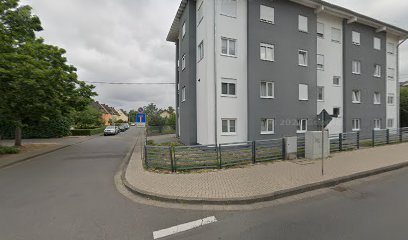
Discover unique gifts and handbags at Moselle International, an e-commerce service showcasing local craftsmanship in the heart of Bendorf.
shop in blog - Zweigniederlassung Deutschland
21.4 km
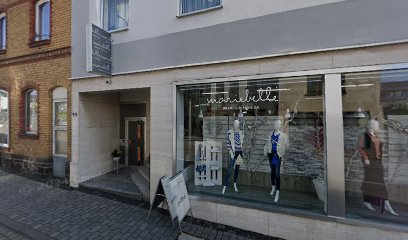
Explore the artistic charm of Zweigniederlassung Deutschland in Koblenz, where creativity meets craftsmanship in an inspiring environment.

mariebelle
22.2 km
Explore Mariebelle in Kaisersesch for unique clothing and accessories that embody local charm and style, perfect for every traveler.
Shop
22.4 km
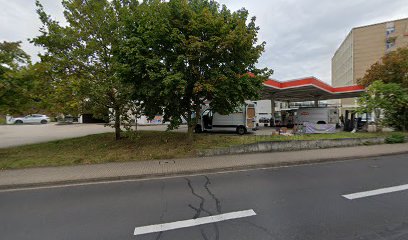
Discover the vibrant shopping scene in Koblenz, where local boutiques and international brands meet rich history and culture.
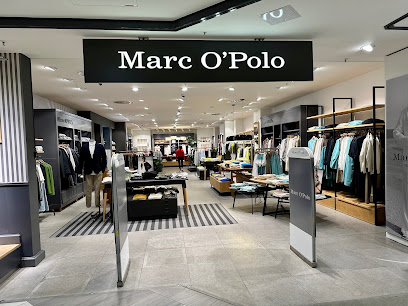
Marc O'Polo
22.5 km
Discover contemporary fashion at Marc O'Polo, a stylish clothing store in Koblenz offering premium men's and women's apparel for every occasion.
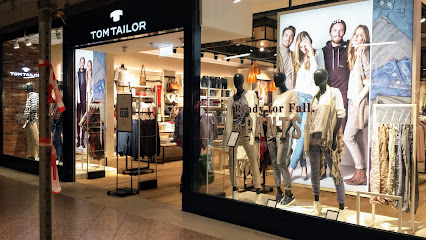
Tom Tailor
22.5 km
Discover fashionable clothing for men and women at Tom Tailor in Koblenz, where style meets comfort and quality.
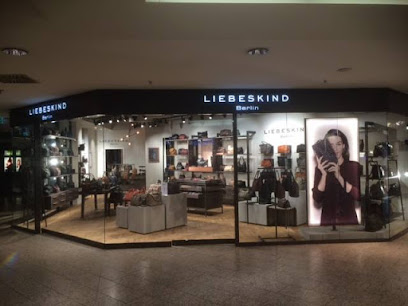
Lieblingsplatz Accessoires
22.5 km
Discover stylish bags and leather goods at Lieblingsplatz Accessoires, the boutique that captures the essence of Koblenz’s fashion scene.
NOA NOA KOBLENZ
22.5 km
Explore NOA NOA in Koblenz for stylish women's clothing that blends modern trends with timeless elegance, perfect for every occasion.

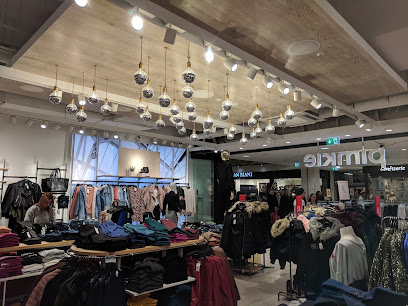
PIMKIE
22.5 km
Explore PIMKIE in Koblenz for stylish women's clothing and accessories that blend trendy designs with affordability, perfect for every fashionista.
JACK & JONES
22.5 km
Explore the stylish offerings at JACK & JONES in Koblenz, a top destination for men's fashion with a range of jeans, outerwear, and accessories.
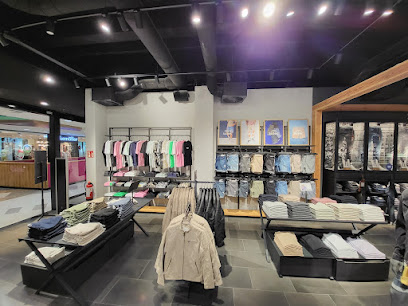
The Body Shop
22.5 km
Explore ethical beauty at The Body Shop in Koblenz, where natural skincare meets sustainable shopping for the conscious traveler.

Essential bars & hidden hideouts

Vulkan Brauerei
3.4 km
Experience the rich tradition of German brewing and cuisine at Vulkan Brauerei, a perfect blend of flavors and culture in Mendig.
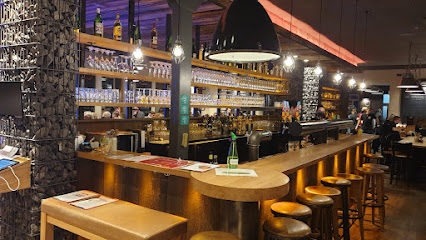
Hallöchen
7.2 km
Experience the vibrant atmosphere and delightful drinks at Hallöchen, the best bar in Ettringen, Germany for locals and tourists alike.
Biercafe im Schlauch
9.6 km
Experience the cozy atmosphere and delightful brews at Biercafe im Schlauch, a hidden gem in Mayen, perfect for relaxing after a day of exploration.
Cataleya Cocktail Lounge
9.6 km
Experience the vibrant nightlife at Cataleya Cocktail Lounge in Mayen, where unique cocktails and a lively atmosphere await you.
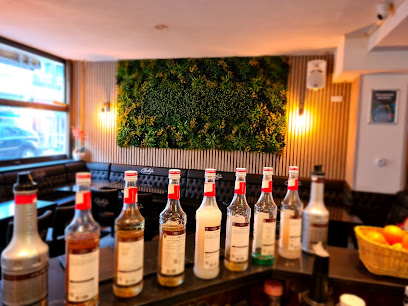
Smart Cocktails - Cocktailcatering, Cocktailmaschinen & mobile Cocktailbar
10.9 km
Experience the art of cocktail making at Smart Cocktails, where every drink is crafted to perfection for your special occasion.
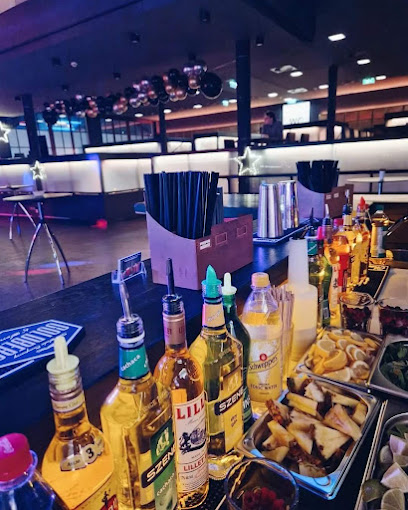
Pambula Restaurant & Bar
19.5 km
Discover Pambula Restaurant & Bar in Bad Neuenahr-Ahrweiler, where exceptional cocktails meet a delectable menu in a vibrant atmosphere.
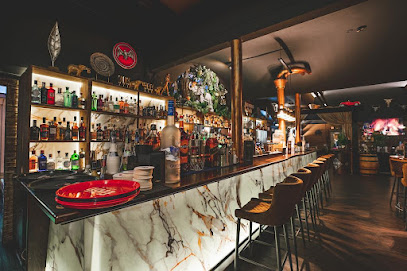
Winzerhof Wirges
20.6 km
Experience the essence of German culture at Winzerhof Wirges with exquisite wines and authentic local cuisine in the heart of Koblenz.
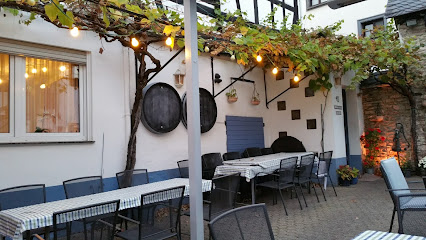
Spökes
22.5 km
Experience the vibrant nightlife of Koblenz at Spökes, where delicious cocktails and a lively atmosphere await every visitor.
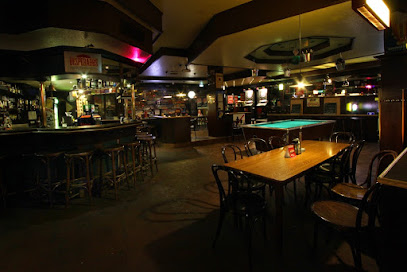
NEULAND - Koblenz
22.6 km
Experience the vibrant nightlife of Koblenz at NEULAND, a stylish bar offering a diverse drink menu and a lively atmosphere.
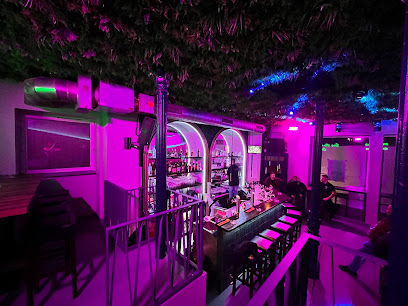
Aktuell Bar
22.6 km
Discover the vibrant nightlife of Koblenz at Aktuell Bar, where live music, cocktails, and a welcoming atmosphere await.
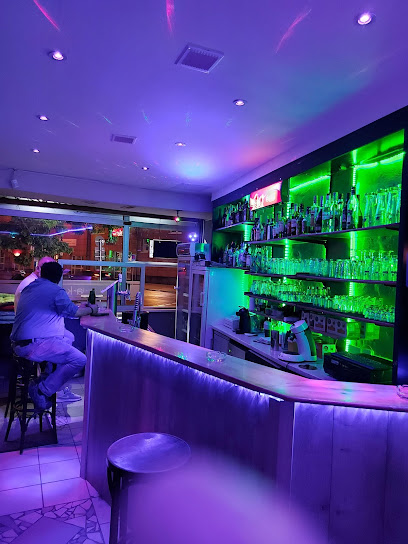
EXCALIBUR - The Rock Cafe
22.7 km
Discover the vibrant nightlife at EXCALIBUR - The Rock Cafe, a unique blend of cocktails and rock music in the heart of Koblenz.
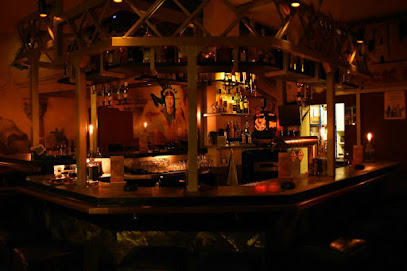
Kurioos - Koblenz
22.7 km
Discover the lively nightlife at Kurioos - Koblenz, where creative cocktails and a vibrant atmosphere come together for an unforgettable experience.
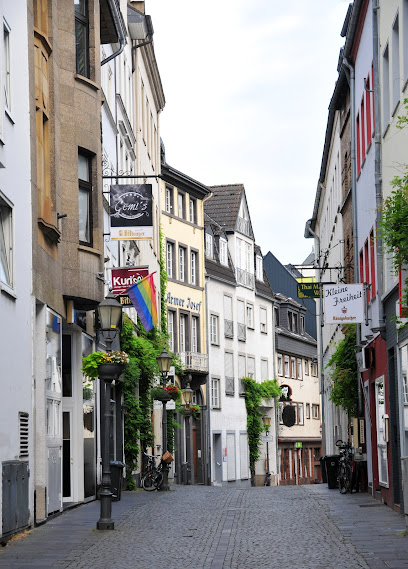
Irish Pub Koblenz
22.7 km
Discover the heart of Ireland at Irish Pub Koblenz, where great food, drinks, and live entertainment await in a cozy setting.
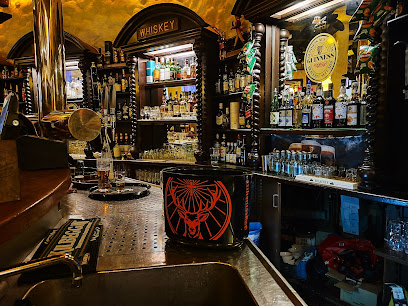
Sugar Ray’s Koblenz
22.7 km
Discover the lively atmosphere and diverse drink selection at Sugar Ray’s Koblenz, a bar where locals and visitors mingle over great cocktails and good vibes.
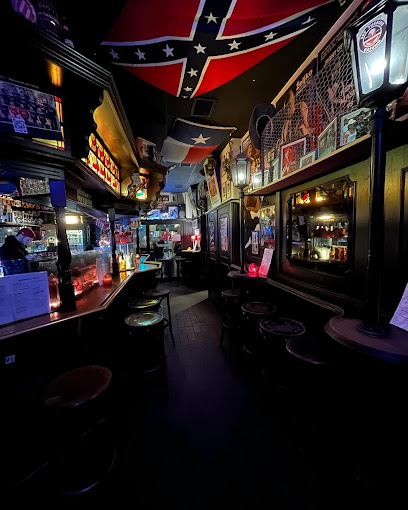
Shotz Koblenz
22.8 km
Discover the lively atmosphere and diverse drink selection at Shotz Koblenz, a must-visit bar in the heart of Germany's charming Altstadt.
Nightclubs & after hour spots

Club Echo
10.0 km
Discover vibrant nightlife at Club Echo, Andernach's ultimate night club, where unforgettable memories and electrifying beats await.
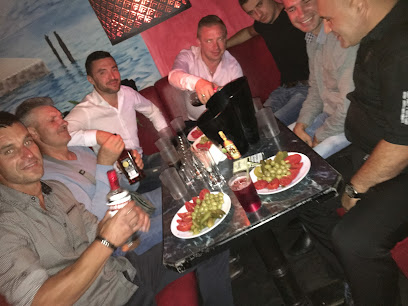
Jazzclub Koblenz e.V.
20.2 km
Immerse yourself in the vibrant rhythms of live jazz at Jazzclub Koblenz, a must-visit destination for music lovers in the heart of Koblenz.
The P L A C E Koblenz
20.9 km
Experience the vibrant nightlife at The P L A C E Koblenz, a premier night club offering electrifying music and an unforgettable atmosphere.
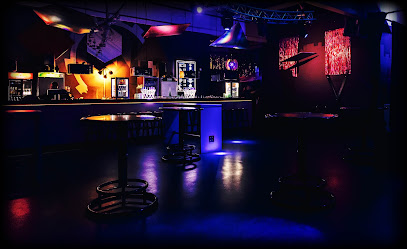
Fox Koblenz
22.7 km
Discover the heart of Koblenz's nightlife at Fox Koblenz, a vibrant night club where music and fun come alive!
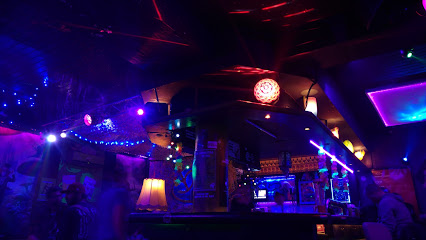
Studio 56 Underground Techno Club
22.7 km
Dive into the electrifying atmosphere of Studio 56, Koblenz's premier underground techno club, where music, dance, and unforgettable nights await.

NACHTWACHE
22.8 km
Experience the vibrant nightlife of Koblenz at NACHTWACHE, a premier night club offering electrifying music, exciting events, and an unforgettable atmosphere.
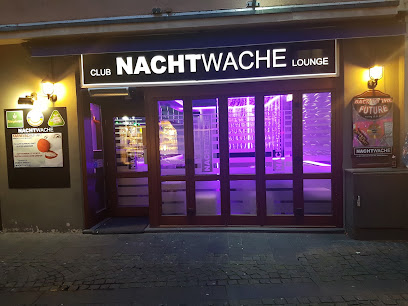
Dominic the King
22.8 km
Discover the vibrant nightlife at Dominic the King in Koblenz, where music, dance, and unforgettable moments await every visitor.
Club BAROCK
22.9 km
Discover the electric atmosphere of Club BAROCK, a must-visit night club in Koblenz for unforgettable nights filled with music and dancing.
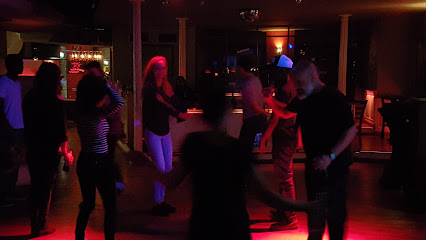
Agostea Nachtarena Koblenz
22.9 km
Experience the vibrant nightlife of Koblenz at Agostea Nachtarena, where electrifying music and an energetic atmosphere await every night.
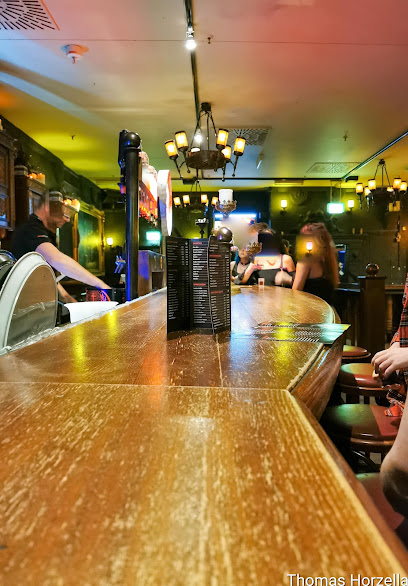
Wilde Heimat - Koblenz
23.2 km
Discover the electrifying atmosphere of Wilde Heimat, Koblenz's premier night club, where unforgettable nights await every party enthusiast.
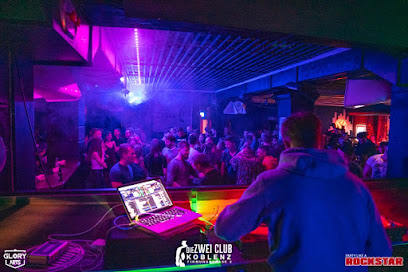
Zenit Club Koblenz
23.2 km
Experience the vibrant nightlife at Zenit Club Koblenz, a premier night club featuring live music and an electric atmosphere for an unforgettable evening.
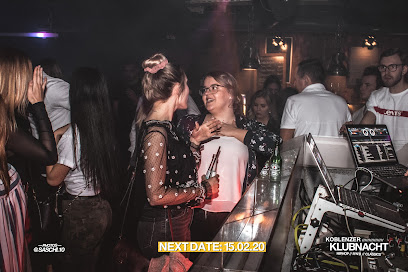
Konzertmuschel am Rhein
23.3 km
Discover the vibrant nightlife at Konzertmuschel am Rhein, where music, stunning river views, and unforgettable experiences await you in Koblenz.
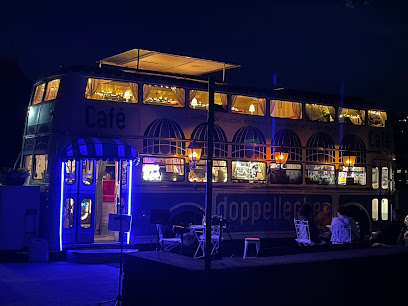
CU Koblenz
24.1 km
Discover the electrifying nightlife of Koblenz at CU Koblenz, where unforgettable moments and vibrant music come together.
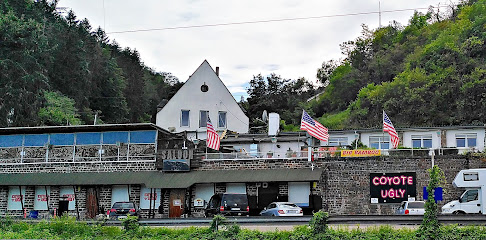
Eifel Stadl - The Club at the Nurburgring
25.3 km
Discover Nurburgring's Eifel Stadl for a vibrant nightlife filled with music, dancing, and unforgettable moments in the heart of the Eifel region.
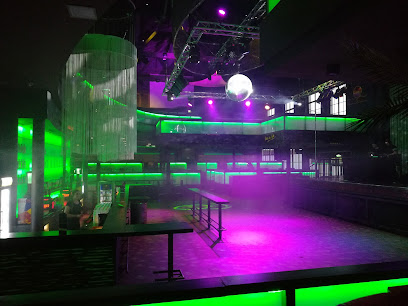
Zum Schinderhannes Inh.Andreas Herlitz
30.2 km
Dive into the lively atmosphere of Zum Schinderhannes, the top disco club in Cochem, and dance the night away surrounded by vibrant music and culture.