Background

Trasshöhlen: Caves Carved by Volcanic History

Explore the Trasshöhlen near Brohl-Lützing: a unique landscape shaped by volcanic eruptions and centuries of mining, offering hiking and a glimpse into Eifel's past.

4.7

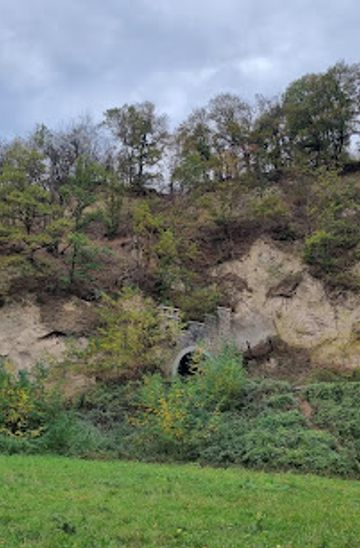
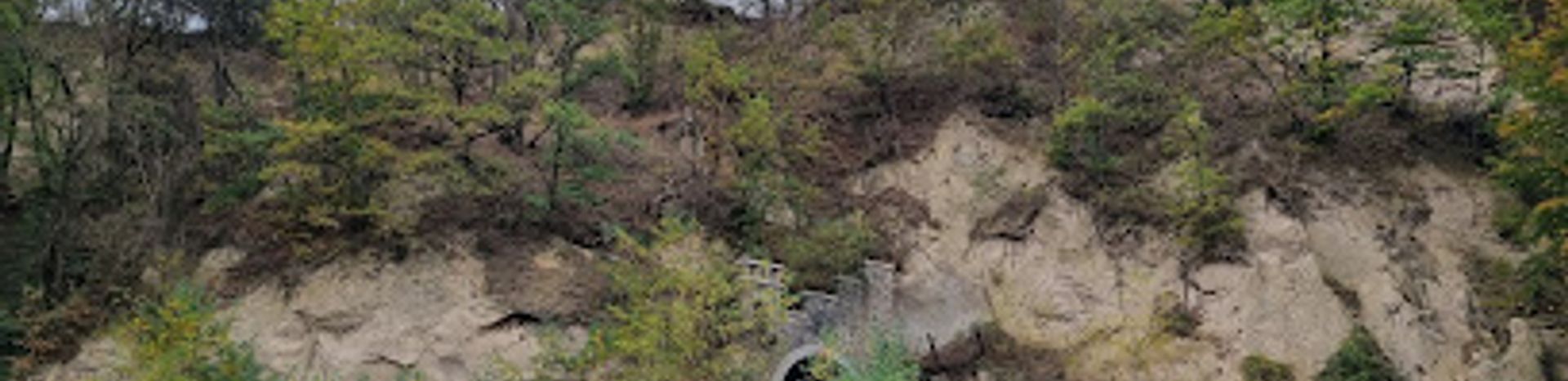
The Trasshöhlen, or Trass Caves, near Brohl-Lützing, are a testament to the volcanic activity that shaped the Eifel region. Formed from the 'trass,' a rock created by the eruption of the Laacher See volcano approximately 13,000 years ago, these caves were later excavated for their valuable mineral deposits. The trass, a volcanic cement, was highly sought after for its ability to harden even underwater, making it ideal for constructing dikes and harbors. Today, the Trasshöhlen offer visitors a unique glimpse into the region's geological past and the history of its mining industry. Hiking trails wind through the area, allowing exploration of the caves and the surrounding volcanic landscape. The caves are a highlight along the German Volcano Route, offering a blend of natural beauty and historical significance.

A brief summary to Trasshöhlen

Local tips

  • Wear sturdy hiking shoes as the trails can be uneven and rocky, especially when exploring the cave interiors.
  • Bring a flashlight or headlamp to fully appreciate the darker sections within the Trasshöhlen.
  • Combine your visit with a hike on the Höhlen- und Schluchtensteig trail for a comprehensive exploration of the area's natural beauty.
  • Consider a ride on the Vulkan-Expreß (Brohltalbahn) for a scenic journey to or from the Trasshöhlen.
  • Visit the nearby Lava Dome in Mendig to deepen your understanding of the volcanic forces that created the Trasshöhlen.
widget icon

Getting There

  • Walking

    From the Brohl-Lützing train station, follow the signs towards Burgbrohl. The Trasshöhlen are located approximately 3 km from the station. The walk takes around 45 minutes, following the Brohltalstraße. Look for signs indicating the Trasshöhlen or the Höhlen- und Schluchtensteig hiking trail. The path is mostly flat, but sturdy shoes are recommended. There are no entrance fees to access the Trasshöhlen area.

  • Public Transport

    Take the Brohltalbahn (Vulkan-Expreß) from Brohl-Lützing to the Bad Tönisstein stop. From there, follow the hiking trail markers (part of the 'Traumpfad') for approximately 1 km to reach the Trasshöhlen. The walk from the Bad Tönisstein station is uphill. A single ticket on the Brohltalbahn costs approximately €6. The Brohltalbahn operates on a limited schedule, so check the timetable in advance.

  • Driving

    From Brohl-Lützing, follow the Brohltalstraße (K58) towards Burgbrohl. Parking is available near the Trasshöhlen entrance. Parking is free. Be aware that parking can be limited during peak season and on weekends. From the parking area, it's a short walk to the Trasshöhlen.

Unlock the Best of Trasshöhlen

Buy tickets

    No tickets available

Book tours with entry

    No tours available

Book tours without entry

    No tours available

Discover more about Trasshöhlen

The Trasshöhlen, located near Brohl-Lützing in the Eifel region of Germany, are a captivating reminder of the area's fiery volcanic past. These unique cave formations owe their existence to the Laacher See volcano, which erupted approximately 13,000 years ago in one of Central Europe's most significant volcanic events. The eruption of the Laacher See volcano blanketed the Brohl Valley in thick layers of ash and lava particles. Over time, these loose materials solidified into a rock known locally as 'trass.' This volcanic rock is a type of pozzolan, prized for its cementitious properties. When mixed with lime and water, trass forms a mortar that hardens even underwater, making it an invaluable building material, particularly for hydraulic structures. The Romans were among the first to recognize the value of trass, mining it for use in constructing buildings and infrastructure. However, it was the Dutch who significantly expanded trass mining operations in the Brohl Valley, beginning in the 16th century. The Dutch recognized the suitability of trass for building dikes and docks, essential for their maritime nation. In fact, the name 'trass' is believed to have originated from the Dutch word 'Tyrass,' meaning 'glue.' The Trasshöhlen themselves are the result of centuries of trass extraction. Miners excavated the rock, creating a network of caves and tunnels that now attract visitors interested in exploring this unique geological and historical site. The caves that remain today were deemed to be of insufficient quality for further mining, thus preserving them as a testament to the region's industrial past and the power of volcanic forces. Visiting the Trasshöhlen offers a multi-faceted experience. The site is integrated into several hiking trails, allowing visitors to explore the caves and the surrounding landscape. The 'Höhlen- und Schluchtensteig' (Caves and Gorges Trail) is a particularly popular route, leading hikers through the Trasshöhlen and the nearby Wolfsschlucht gorge, a wild and romantic ravine with bubbling springs and a waterfall. The Trasshöhlen are also a significant stop on the German Volcano Route (Deutsche Vulkanstraße), a scenic driving route that connects the most important volcanic sites in the Eifel region. Along the route, visitors can explore volcanic lakes (maars), cinder cones, lava flows, and other geological features, gaining a deeper understanding of the region's volcanic history. Beyond their geological and industrial significance, the Trasshöhlen are also steeped in local folklore and history. The caves and rock formations evoke a sense of mystery and wonder, sparking the imagination and connecting visitors to the ancient past. The area around the Trasshöhlen is also rich in other attractions. The Laacher See, a stunning volcanic lake, is just a short drive away, offering opportunities for swimming, boating, and hiking. The Maria Laach Abbey, a beautiful Romanesque monastery on the shores of the lake, is another popular destination. For those interested in learning more about the region's volcanic history, the Lava Dome in Mendig is a highly recommended museum. The museum features interactive exhibits that explain the science of volcanism in an engaging and accessible way. Visitors can even venture into volcanic cellars to explore the depths of the earth. The Trasshöhlen are easily accessible by car and public transportation. Several parking areas are located near the site, and bus and train services connect Brohl-Lützing to other towns and cities in the region. The Brohltalbahn, a historic narrow-gauge railway, also offers scenic rides through the Brohl Valley, providing a unique way to reach the Trasshöhlen. Whether you are a geology enthusiast, a history buff, or simply looking for a beautiful place to hike and explore, the Trasshöhlen offer a memorable experience. The caves are a testament to the power of nature and the ingenuity of humankind, providing a fascinating glimpse into the Eifel region's unique volcanic landscape and industrial heritage. To make the most of your visit, consider the following: * Wear sturdy shoes, as the trails around the Trasshöhlen can be uneven and rocky. * Bring a flashlight or headlamp to explore the caves. * Check the weather forecast before you go, as the trails can be slippery in wet conditions. * Allow plenty of time to explore the caves and the surrounding area. * Visit the Lava Dome in Mendig to learn more about the region's volcanic history. * Take a ride on the Brohltalbahn for a scenic journey through the Brohl Valley. The Trasshöhlen are a truly unique and fascinating destination, offering a blend of natural beauty, historical significance, and opportunities for outdoor recreation. A visit to the Trasshöhlen is sure to be a highlight of any trip to the Eifel region.

Popular Experiences near Trasshöhlen

Popular Hotels near Trasshöhlen

Select Currency