

Krämpfervorstadt (Erfurt) Travel Guide - Free
Explore Krämpfervorstadt in Erfurt with Evendo's free guide. Find the best shops, historic streets, restaurants, and gems on web or mobile.


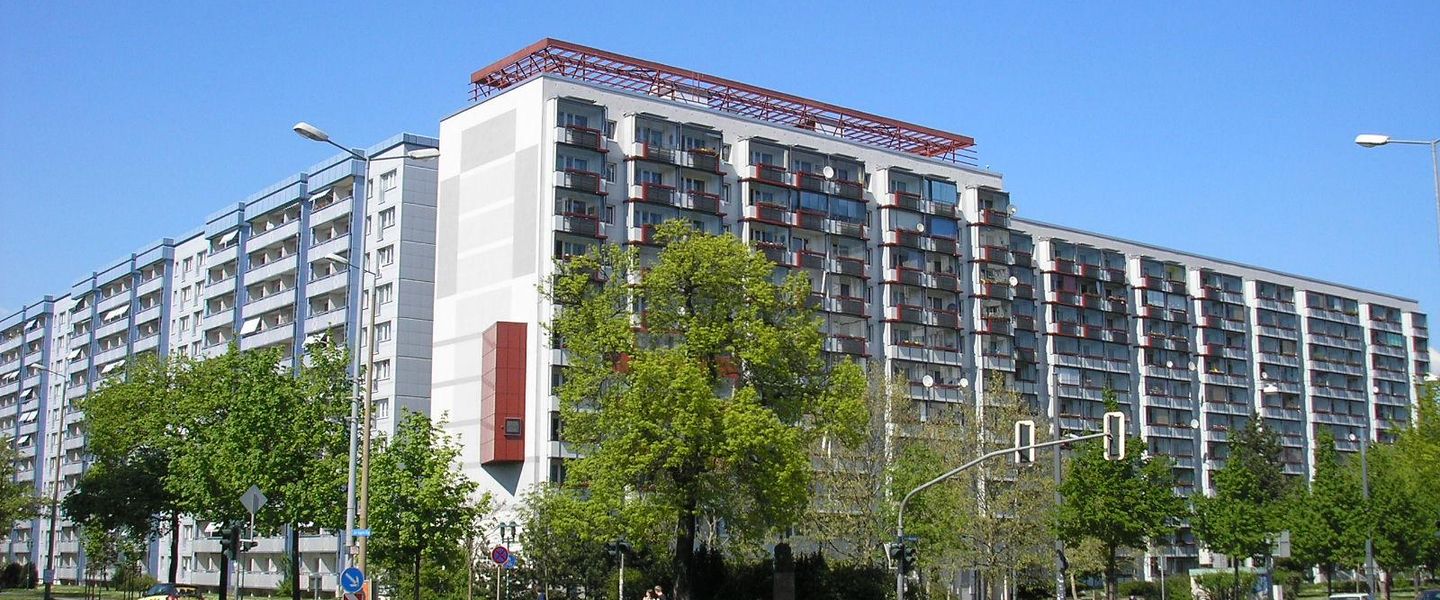


Krämpfervorstadt in Erfurt blends Gründerzeit streets, local cafés, tram connections and eastern city history just beyond the medieval old town.
Between the Old Town and the East
Krämpfervorstadt occupies the area immediately east of Erfurt’s historic centre, taking its name from the former Krämpfertor and the road that once led through it towards Leipzig. It is a primarily urban residential quarter, less theatrical than the medieval Altstadt but valuable for showing how Erfurt expanded beyond its old fortifications. The central axis is Krämpferstraße, which continues eastwards towards Leipziger Straße and the railway corridor, while streets running off it reveal a mixture of late nineteenth- and early twentieth-century apartment buildings, later infill and everyday local businesses.Read more about Krämpfervorstadt
Gründerzeit Streets and Everyday Erfurt
Food, Transport and Local Orientation
Best attractions in Krämpfervorstadt
Krämpfervorstadt’s principal attraction is its coherent everyday streetscape rather than a concentrated list of museums or monuments. Walk Krämpferstraße from the edge of the old town towards Leipziger Straße to see late nineteenth- and early twentieth-century apartment buildings, corner façades, shopfronts and glimpses into the courtyards that shaped inner-city life. The route towards Erfurt Ost reveals the neighbourhood’s relationship with railway and commercial infrastructure, while the western end makes a useful starting point for exploring the historic centre beyond the district. Local cafés, small businesses and the passing tram network add movement to the architectural experience, and the quarter is particularly rewarding for visitors interested in urban development, housing history and the transition from medieval Erfurt to the expanding modern city. Its attractions are best understood as a connected walk through a lived-in suburb rather than as individual ticketed sights.
-
Tourist attraction
Domplatz
Explore the historic heart of Erfurt at Domplatz, a stunning square surrounded by iconic churches and vibrant local culture.
15 min walk · 1.2 km from neighbourhood centre
-
Tourist attraction
Naturkundemuseum
Explore the fascinating world of nature at Erfurt's Naturkundemuseum, a captivating museum showcasing Earth's rich biodiversity.
13 min walk · 1.0 km from neighbourhood centre
-
Tourist attraction
Alter Wasserturm
Experience the historic Alter Wasserturm in Erfurt, a striking water tower offering stunning views and a glimpse into the city’s rich past.
7 min drive · 2.5 km from neighbourhood centre
-
Tourist attraction
Luther-Andachtswiese
Explore the serene beauty and historical significance of Luther-Andachtswiese in Erfurt, a tranquil park perfect for relaxation and reflection.
12 min walk · 1.0 km from neighbourhood centre


Best landmarks in Krämpfervorstadt
The defining landmarks of Krämpfervorstadt are its historical routes and built fabric. Krämpferstraße preserves the memory of the former Krämpfertor, the eastern gate through Erfurt’s fortifications, and remains the neighbourhood’s principal west–east orientation line. The long urban frontage of Leipziger Straße illustrates the later importance of travel, trade and tram movement beyond the old town, while Erfurt Ost railway station and the adjoining rail corridor represent the transport infrastructure that helped shape the suburb’s development. Along the side streets, late nineteenth-century apartment blocks, corner buildings, plaster façades and enclosed courtyards provide a more numerous but less formally monumental heritage. The former gate area itself is close to the historic centre, so visitors should distinguish the medieval old-town landmarks from the suburban streetscape that begins beyond them.
-
Tourist attraction
Domplatz
Experience the heart of Erfurt at Domplatz, a historic square where stunning architecture meets vibrant culture, hosting events from Christmas markets to open-air concerts.
15 min walk · 1.2 km from neighbourhood centre
-
Catholic cathedral
Erfurt Cathedral
Discover Erfurt Cathedral, a breathtaking Gothic masterpiece with centuries of history, stunning architecture, and the world-famous Gloriosa bell, offering a glimpse into Germany's rich cultural heritage.
16 min walk · 1.3 km from neighbourhood centre
-
Historical landmark
Krämerbrücke
Discover the Krämerbrücke in Erfurt, a medieval bridge lined with charming shops and homes, offering a unique glimpse into history and artisan craftsmanship.
8 min walk · 0.7 km from neighbourhood centre
-
Monastery
Protestant Augustinian Monastery Erfurt
Explore the historic Augustinian Monastery in Erfurt, where Martin Luther lived and shaped the Reformation. A site of spiritual significance and architectural beauty.
10 min walk · 0.8 km from neighbourhood centre


Explore Krämpfervorstadt on the map
A handpicked selection of must-see spots in Krämpfervorstadt, mapped for you.
Best hotels in Krämpfervorstadt
Best restaurants in Krämpfervorstadt
Dining in Krämpfervorstadt is primarily local and practical, concentrated around Krämpferstraße, Leipziger Straße and nearby side streets rather than organised as a formal restaurant quarter. Visitors can find cafés, bakeries, takeaways and casual restaurants serving familiar German fare alongside international cuisines, reflecting the mixed commercial life of an inner-city residential district. The main roads are useful for an uncomplicated meal between visits to the centre or while travelling through the eastern part of Erfurt, while smaller premises provide a more neighbourhood-focused atmosphere. Traditional Thuringian dishes are available across Erfurt, but the quarter is better approached as a place for everyday eating than as a single culinary destination. Because independent businesses change, menus and opening arrangements should be checked locally; the strongest reason to eat here is the chance to combine food with an ordinary, lived-in view of the city beyond the postcard centre.
-
Restaurant
Wirtshaus Christoffel
Discover authentic Thuringian cuisine at Wirtshaus Christoffel in Erfurt - where tradition meets taste in a cozy atmosphere.
10 min walk · 0.8 km from neighbourhood centre
-
Italian
Ristorante Pavarotti
Savor authentic Italian cuisine at Ristorante Pavarotti in Erfurt—where every meal is a delightful experience!
10 min walk · 0.8 km from neighbourhood centre
-
Restaurant
Augustiner Erfurt
Savor authentic Bavarian flavors at Augustiner Erfurt – a must-visit culinary destination in the heart of Germany's historic city.
8 min walk · 0.7 km from neighbourhood centre
-
Restaurant
Louisiana - Steakhaus & Südstaaten-Restaurant
Indulge in flavorful Cajun and Creole dishes at Louisiana - Steakhaus & Südstaaten-Restaurant in Erfurt; a family-friendly dining experience awaits.
7 min walk · 0.5 km from neighbourhood centre


Best bars in Krämpfervorstadt
Krämpfervorstadt has a modest evening scene shaped more by cafés, casual bars and local restaurants than by a dense concentration of nightclubs. The main routes towards the centre bring more choice, while Leipziger Straße and the surrounding streets offer places for an informal drink without the scale of Erfurt’s better-known nightlife areas. Students, residents and visitors may pass through on the way between the historic centre and the eastern districts, but the neighbourhood remains predominantly residential, so late-night activity should not be overstated. Music venues and larger entertainment choices are more likely to be found elsewhere in central Erfurt, within walking or tram distance rather than necessarily inside the quarter. After dark, the most distinctive experience is the contrast between illuminated Gründerzeit façades, passing trams and quieter apartment streets, with consideration for residents essential around entrances and courtyards.
-
Irish pub
Molly Malone Irish Pub
Discover the vibrant atmosphere of Molly Malone Irish Pub in Erfurt, offering authentic Irish cuisine and drinks in a cozy setting.
8 min walk · 0.7 km from neighbourhood centre
-
Bar
Hemingway Bar & Lounge - Erfurt
Explore the vibrant nightlife at Hemingway Bar & Lounge in Erfurt, a stylish bar offering exquisite cocktails and a cozy ambiance in the heart of the city.
10 min walk · 0.8 km from neighbourhood centre
-
Irish pub
Patricks Irish Pub - Erfurt
Discover Patricks Irish Pub in Erfurt, a lively Irish pub offering great food, drinks, and entertainment amidst the historic charm of Germany.
9 min walk · 0.7 km from neighbourhood centre
-
Bar
Tarantula - Erfurt
Discover the vibrant nightlife at Tarantula, Erfurt's premier bar offering a diverse drink selection and lively atmosphere for unforgettable evenings.
8 min walk · 0.6 km from neighbourhood centre


Best nightclubs in Krämpfervorstadt
Krämpfervorstadt has a modest evening scene shaped more by cafés, casual bars and local restaurants than by a dense concentration of nightclubs. The main routes towards the centre bring more choice, while Leipziger Straße and the surrounding streets offer places for an informal drink without the scale of Erfurt’s better-known nightlife areas. Students, residents and visitors may pass through on the way between the historic centre and the eastern districts, but the neighbourhood remains predominantly residential, so late-night activity should not be overstated. Music venues and larger entertainment choices are more likely to be found elsewhere in central Erfurt, within walking or tram distance rather than necessarily inside the quarter. After dark, the most distinctive experience is the contrast between illuminated Gründerzeit façades, passing trams and quieter apartment streets, with consideration for residents essential around entrances and courtyards.
-
Disco club
Musikpark Erfurt
Dive into the dynamic nightlife of Erfurt at Musikpark, the ultimate disco club for music lovers and party-goers.
8 min walk · 0.7 km from neighbourhood centre
-
Night club
Kalif Storch - Erfurt
Experience the heart of Erfurt's nightlife at Kalif Storch, a vibrant night club and cultural center filled with music, dance, and unforgettable moments.
9 min walk · 0.8 km from neighbourhood centre
-
Night club
Cosmopolar - Erfurt
Dive into Erfurt's nightlife at Cosmopolar, where vibrant music, unique cocktails, and a lively atmosphere await every weekend.
6 min walk · 0.4 km from neighbourhood centre
-
Lounge
Nummer 9 Lounge - Erfurt
Discover the lively Nummer 9 Lounge in Erfurt, where relaxation meets entertainment in a stylish setting, perfect for tourists seeking a memorable night out.
7 min walk · 0.6 km from neighbourhood centre


Best shops in Krämpfervorstadt
Shopping in Krämpfervorstadt is geared towards daily life rather than destination retail. Leipziger Straße and Krämpferstraße contain practical shops, food businesses, cafés and services, while smaller premises on adjoining streets serve the surrounding apartment blocks. The quarter does not have the concentrated boutiques, department stores or major market identity associated with Erfurt’s central shopping streets, but that is precisely what makes its retail landscape useful for observing ordinary urban life. Visitors can look for bakeries, specialist food shops and independent businesses alongside convenience retailers, with stock and business names changing over time. For crafts, souvenirs, larger fashion ranges and established market experiences, the central streets around the Anger and old town offer a broader choice nearby. Shopping here works best as part of a neighbourhood walk, using the main roads to understand how commercial activity is woven into historic residential buildings.
-
Shopping mall
ANGER 1 Erfurt
Explore Anger 1 Erfurt, a dynamic shopping mall offering a blend of retail, dining, and entertainment in the heart of the city.
4 min walk · 0.3 km from neighbourhood centre
-
Gift shop
Elbenwald
Discover Elbenwald in Erfurt - a magical gift shop filled with fantasy-inspired clothing, toys, and unique souvenirs for every enthusiast.
5 min walk · 0.4 km from neighbourhood centre
-
Gift shop
Flying Tiger Copenhagen
Explore the whimsical offerings at Flying Tiger Copenhagen in Erfurt, where creativity meets affordability in a delightful shopping experience.
7 min walk · 0.6 km from neighbourhood centre
-
Used clothing store
Echtjuterladen
Echtjuterladen in Erfurt: A vintage clothing haven featuring unique finds and a cozy café experience for fashion lovers.
6 min walk · 0.5 km from neighbourhood centre


Krämpfervorstadt essentials
Getting There
Getting Around
Safety
Emergency Situations
Do's and Don'ts
Local Tips

From Eve
Local phrases worth knowing
You don't need to get them perfect. A few words go a long way, and locals appreciate the effort.
Basics
| English | Local | Say it |
|---|---|---|
| Hello | Hallo | [hah-loh] |
| Goodbye | Auf Wiedersehen | [owf vee-duhr-zay-en] |
| Yes | Ja | [yah] |
| No | Nein | [nine] |
| Please/You're welcome | Bitte | [bih-tuh] |
| Thank you | Danke | [dahn-kuh] |
| Excuse me/Sorry | Entschuldigung | [ent-shool-dee-gung] |
| How are you? | Wie geht es dir? | [vee gayt es deer] |
| Fine. And you? | Gut. Und dir? | [goot oont deer] |
| Do you speak English? | Sprichst du Englisch? | [shprikhst doo eng-lish] |
| I don't understand | Ich verstehe nicht | [ikh fer-shtay-uh nikht] |
Eating & Drinking
| English | Local | Say it |
|---|---|---|
| I'd like to see the menu, please | Ich möchte bitte die Speisekarte sehen | [ikh mer-khte bih-tuh dee shpy-zuh-kahr-tuh zay-en] |
| I don't eat meat | Ich esse kein Fleisch | [ikh ess-uh kine flysh] |
| Cheers! | Prost! | [prohst] |
| I would like to pay, please | Ich würde gerne bezahlen, bitte | [ikh vur-duh gehr-nuh bih-tsah-luhn, bih-tuh] |
Emergencies
| English | Local | Say it |
|---|---|---|
| Help! | Hilfe! | [hil-fuh] |
| Go away! | Geh weg! | [geh vehg] |
| Call the Police! | Rufen Sie die Polizei! | [roo-fen zee dee poh-lee-tsay] |
| Call a doctor! | Rufen Sie einen Arzt! | [roo-fen zee i-nen arts-t] |
| I'm lost | Ich bin verloren | [ikh bin fer-loh-ren] |
| I'm ill | Ich bin krank | [ikh bin krank] |
Shopping
| English | Local | Say it |
|---|---|---|
| I'd like to buy... | Ich möchte ... kaufen | [ikh mer-khte ... kow-fen] |
| I'm just looking | Ich schaue nur | [ikh shou-uh noor] |
| How much is it? | Wie viel kostet es? | [vee feel kohs-tet es] |
| That's too expensive | Das ist zu teuer | [dahs ist tsoo toy-er] |
| Can you lower the price? | Können Sie den Preis senken? | [kern-en zee den prys zank-en] |
Time & Numbers
| English | Local | Say it |
|---|---|---|
| What time is it? | Wie spät ist es? | [vee shpeht ist es] |
| It's one o'clock | Es ist ein Uhr | [es ist ine oor] |
| Half past (10) | Halb elf | [halb elf] |
| Morning | Morgen | [mohr-gen] |
| Afternoon | Nachmittag | [nahkh-mit-tahk] |
| Evening | Abend | [ah-bent] |
| Yesterday | Gestern | [geh-shtern] |
| Today | Heute | [hoi-tuh] |
| Tomorrow | Morgen | [mohr-gen] |
| 1 | Eins | [ines] |
| 2 | Zwei | [tsvai] |
| 3 | Drei | [dry] |
| 4 | Vier | [feer] |
| 5 | Fünf | [foontf] |
| 6 | Sechs | [zeks] |
| 7 | Sieben | [zee-ben] |
| 8 | Acht | [ahkt] |
| 9 | Neun | [noyn] |
| 10 | Zehn | [tsen] |
Transport & Directions
| English | Local | Say it |
|---|---|---|
| Where's a/the...? | Wo ist ein/der...? | [voh ist i-ne/der] |
| What's the address? | Was ist die Adresse? | [vahs ist dee ah-dreh-suh] |
| Can you show me (on the map)? | Können Sie mir zeigen (auf der Karte)? | [kern-en zee meer tsay-gen (ouf der kar-tuh)] |
| When's the next (bus)? | Wann kommt der nächste (Bus)? | [vahn kohmt der nehkh-stuh (boos)] |
| A ticket (to ....) | Eine Fahrkarte (nach ....) | [i-ne fahr-kahr-tuh (nahkh ....)] |
History of Krämpfervorstadt
The Road Beyond Krämpfertor
Krämpfervorstadt developed outside the eastern fortifications of Erfurt, whose Krämpfertor controlled the road leading towards Leipzig and the wider eastern Thuringian landscape. The neighbourhood’s name preserves that connection: Vorstadt means suburb, while Krämpfer refers to the historic gate and the route associated with it. For centuries the area beyond the walls remained less densely built than the medieval centre, consisting of roads, gardens, fields and scattered development. Its importance grew as Erfurt’s population and economy placed increasing pressure on the confined inner city, making the eastern approach a natural direction for expansion.
Railways and Urban Expansion
Nineteenth-century railway construction and industrial growth changed the eastern edge of Erfurt decisively. New transport links towards Saxony and central Germany strengthened the importance of routes such as Leipziger Straße and encouraged workshops, warehouses, commercial premises and housing to develop beyond the former defensive belt. As Erfurt expanded during the late nineteenth century, Krämpfervorstadt acquired the urban form still visible today: continuous building lines, multi-storey tenements, corner properties and courtyards designed for a growing workforce. The district became part of a broader transformation from fortified town to modern industrial city.
The Gründerzeit Residential Quarter
The decades around 1900 gave Krämpfervorstadt much of its architectural identity. Developers built dense apartment houses along the principal roads and laid out adjoining streets with a mixture of modest and more elaborate façades. Ground-floor premises served local residents, while courtyards accommodated workshops, storage and domestic functions. This was not a single planned estate but an incremental suburb shaped by land values, transport and the needs of an expanding city. The resulting quarter connected the historic centre with railway and industrial areas to the east, creating a practical residential district whose social life centred on streets, shops and shared courtyards.
War, Division and Renewal
The twentieth century brought wartime damage, changing housing standards and the economic pressures experienced across Erfurt. Some older buildings were repaired or adapted, while others were replaced by later construction that interrupted parts of the historic streetscape. During the German Democratic Republic period, housing maintenance and shortages influenced the appearance of many inner-city quarters; after reunification, renovation brought renewed investment but also higher costs and changing commercial patterns. Today Krämpfervorstadt retains a substantial historic framework while accommodating contemporary apartments, services and transport infrastructure, making its identity one of continuity alongside gradual urban change.
Krämpfervorstadt in Photos
Browse through our photo collection highlighting the charm and character of the destination.
Neighbourhoods near Krämpfervorstadt
The closest neighbourhoods to Krämpfervorstadt, if you have time for more than one stop.
-

-


Swipe for more neighbourhoods
Explore more
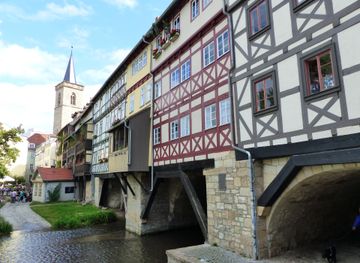
Explore more of Erfurt
Erfurt blends medieval bridges, Gothic churches and leafy squares with Thuringian cuisine, museums and easy access to Germany's cultural heartland.
Explore Erfurt