Background

Historischer Kunstbunker: A WWII Art Sanctuary

Explore Nuremberg's Historischer Kunstbunker: An underground WWII shelter preserving priceless art, offering a unique glimpse into history and cultural resilience.

★★★★★4.6 (277)

Delve into Nuremberg's past at the Historischer Kunstbunker, a unique underground complex that safeguarded priceless art treasures during World War II. Originally medieval beer cellars, these vaults were transformed into a climate-controlled shelter to protect masterpieces from Allied bombings. Explore the depths where works by Albrecht Dürer, Veit Stoss, and Martin Behaim survived the war, offering a glimpse into the city's resilience and commitment to preserving its cultural heritage. The bunker showcases not only the art itself but also the ingenious engineering and logistical efforts undertaken to ensure its survival. Visitors can witness firsthand how Nuremberg's most valuable possessions were shielded from destruction, providing a poignant reminder of the war's impact and the importance of cultural preservation.

Plan your visit

A brief summary to Historischer Kunstbunker

Opening times, essentials, and a few local tips gathered into one calmer, easier-to-scan planning section.

Plan your visit

📍
Ob. Schmiedgasse 52, Nuremberg, Mitte, 90403, DE
Monday
9 am-6 pm
Tuesday
9 am-6 pm
Wednesday
9 am-6 pm
Thursday
9 am-6 pm
Friday
9 am-6 pm
Saturday
9 am-6 pm
Sunday
9 am-6 pm

Explore places near Historischer Kunstbunker

    See all →

    Unlock the Best of Historischer Kunstbunker

    Find tickets, tours with entry, and experiences available for this location.

    Buy tickets

    No tickets available

    Book tours with entry

    No tours with entry available

    Book tours without entry

    No tours without entry available

    Getting There

    Walking

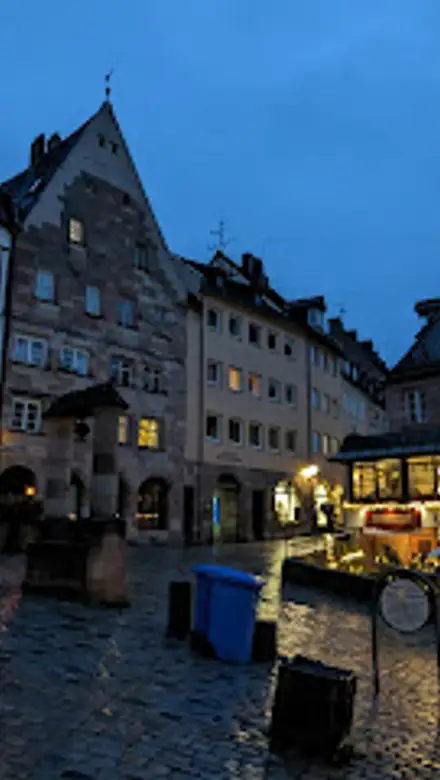
    The Historischer Kunstbunker is located in Nuremberg's Old Town (Altstadt) and is easily accessible on foot from most central locations. From the Hauptmarkt (Main Market Square), walk east towards the Nuremberg Castle. Follow the Obere Schmiedgasse uphill; the entrance to the Kunstbunker is on the right side of the street. Look for the sign for 'Nürnberger Unterwelten'. It's about a 5-10 minute walk.

    Public Transport

    If arriving by public transport, the closest stops are: * **Tram:** Tiergärtnertor (Line 4). * **Bus:** Burgstraße (Line 36). * **Subway:** Lorenzkirche (U1), exit towards Hauptmarkt, then walk as described above. A single VGN ticket within Nuremberg (Zone A) costs approximately €3.20 when purchased at a vending machine or €2.75 online. From the Lorenzkirche subway station, it's about a 10-minute walk.

    Taxi/Ride-Share

    Taxis and ride-sharing services are readily available in Nuremberg. A taxi ride from the Nuremberg Central Station (Hauptbahnhof) to the Historischer Kunstbunker will take approximately 5-10 minutes, depending on traffic, and cost around €10-€12. Be sure to specify the 'Obere Schmiedgasse 52' as the destination.

    Driving

    If driving, parking is available at the Hauptmarkt parking garage (Augustinerstraße 4). From there, it's a short walk to the Kunstbunker. Parking fees at the Hauptmarkt garage are approximately €3 per hour. Be aware that parking in the Old Town can be limited, especially during peak tourist season. Follow the parking guidance system for available spaces.

    Local tips

    Dress warmly, as the bunker's temperature is consistently cool (around 8°C/46°F) year-round.
    Book your guided tour in advance, especially during peak season, to ensure availability.
    Allow at least 1.5 to 2 hours for the tour to fully appreciate the history and the art.
    Check for English tour times, as they may be limited or seasonal.
    Consider purchasing the Nürnberg Card for free admission to the Kunstbunker and other attractions, plus free public transport.

    Discover more about Historischer Kunstbunker

    The Historischer Kunstbunker, or Historic Art Bunker, in Nuremberg offers a fascinating journey into the depths of World War II history and the remarkable efforts to preserve cultural heritage. Located beneath Nuremberg Castle, this former beer cellar was ingeniously converted into a secure storage facility for priceless artworks during the Allied bombings. Today, visitors can explore this unique underground complex and discover the stories behind the art and the people who risked everything to protect it. Originally constructed in the Middle Ages as a network of beer cellars, the tunnels provided naturally cool temperatures ideal for storing beer. As the threat of war loomed in the late 1930s, city officials recognized the need to safeguard Nuremberg's artistic treasures. The cellars were reinforced with bomb-proof doors, ventilation systems, and climate control technology to create a secure environment for the art. During the war, the Historischer Kunstbunker housed an extraordinary collection of artworks, including masterpieces by Albrecht Dürer, Veit Stoss, and Martin Behaim. These works, along with other significant cultural artifacts, were carefully cataloged and stored within the bunker's protective walls. The bunker's location deep beneath the city provided a safe haven from the devastating air raids that ravaged Nuremberg. The tour of the Historischer Kunstbunker begins with an overview of Nuremberg's preparations for war and the measures taken to protect its citizens and cultural assets. Large-format photographs vividly illustrate the extent of the destruction caused by the Allied bombings, providing a stark contrast to the safety and preservation found within the bunker. As you descend into the bunker, you'll experience the cool, damp atmosphere that helped preserve the artworks for so many years. The tour guides share captivating stories about the individual pieces of art and the dedicated individuals who worked tirelessly to protect them. You'll learn about the challenges they faced, the ingenious solutions they devised, and the unwavering commitment to preserving Nuremberg's cultural heritage. Among the highlights of the collection are works by Albrecht Dürer, the renowned Renaissance artist who called Nuremberg home. His intricate engravings and paintings offer a glimpse into the city's rich artistic past. Sculptures by Veit Stoss, another prominent Nuremberg artist, showcase the city's mastery of craftsmanship. The Behaim Globe, an early world map created by Martin Behaim, provides a fascinating insight into the geographical knowledge of the 15th century. In addition to the artworks, the Historischer Kunstbunker also houses a collection of historical artifacts, including musical instruments, clock mechanisms, and scientific implements. These objects offer a glimpse into the daily life and cultural pursuits of Nuremberg's citizens throughout the centuries. The bunker also contains furniture and stained-glass windows salvaged from churches in the old city. One notable attraction is the "Männleinlaufen," a mechanical clock from the Frauenkirche on the Main Market Square. Other works to explore include the "Annunciation" from the Lorenzkirche and Veit Stoss's "Annunciation." The exhibits on photography portray the city's pre- and post-war history, while interesting film and sound recordings document the air raids and the city's rebuilding. Altars with stained windows and the medical songbook "Manesse Codex" are also on display, along with sculptures from the city's fountains. The "Nuremberg Egg," a 16th-century pocket watch designed by master clockmaker Peter Henlein, takes you back in time. The Historischer Kunstbunker is more than just a museum; it's a testament to the power of human ingenuity and the enduring importance of cultural preservation. It offers a unique and moving experience that will leave you with a deeper appreciation for Nuremberg's history and its commitment to safeguarding its artistic treasures. A visit to the Kunstbunker is a chilling and fascinating look into the past, and a reminder of the importance of protecting our shared cultural heritage for future generations. To fully appreciate the experience, allow ample time to explore the bunker's depths and immerse yourself in the stories behind the art. Dress warmly, as the temperature inside the bunker remains consistently cool throughout the year. Guided tours are available in multiple languages, providing valuable insights and historical context. The Historischer Kunstbunker is a must-see destination for anyone interested in history, art, and the remarkable efforts to preserve cultural heritage during times of conflict.
    Mobile App
    Get the app

    Your all‑in‑one travel companion app

    Explore expert travel guides, compare and book tours, experiences, hotels, and more—all from the palm of your hand. Download now for seamless trip planning wherever your wanderlust takes you.

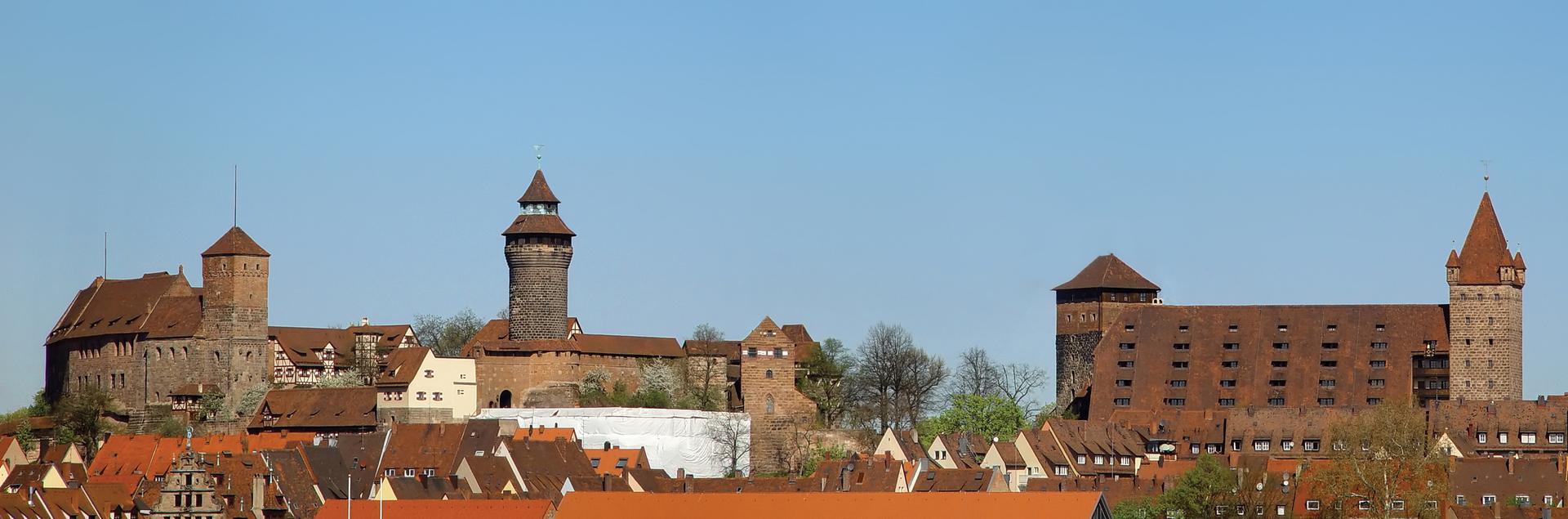
    Nuremberg Castle - Wikipedia

    More about Franconia

    Discover Franconia in Germany: A region bursting with medieval charm, natural beauty, and culinary delights, perfect for travelers seeking history, nature, and local flavors.

    Tell me more about Franconia

    Select Currency

    Choose the currency you want prices to display in.