

Free Franconia Travel Guide & Mobile App
Explore Franconia with free travel guides. Discover regional history, expert tips, proposed trips, and audio guides on web or mobile app.


Explore Franconia for medieval cities, Main Valley vineyards, brewery villages, Wagnerian Bayreuth and forested walking country in northern Germany.
Read more about Franconia
When is the best time to visit Franconia?
Best: June–August · 24–26°C| Month | High (°C) | Rainfall (mm) |
|---|---|---|
| January | 4 | 50 |
| February | 5 | 45 |
| March | 9 | 50 |
| April | 14 | 55 |
| May | 20 | 60 |
| June (best) | 24 | 70 |
| July (best) | 26 | 75 |
| August (best) | 25 | 70 |
| September | 20 | 60 |
| October | 14 | 50 |
| November | 8 | 55 |
| December | 3 | 60 |
Getting to and around Franconia
How to get there
Transportation
Top city travel guides in Franconia
The cities of Franconia, and the easiest places to base yourself.
-

-

-

-

-

-


Swipe for more cities
Destinations in Franconia
Resorts, valleys and scenic spots worth a trip of their own.
-

-

-

-

-

-


Swipe for more destinations
Best attractions in Franconia
Franconia's attractions range from major urban museums and reconstructed medieval centres to vineyard paths, forest trails and small-town heritage. Nuremberg offers the Imperial Castle, the Germanisches Nationalmuseum and institutions documenting the city's Nazi-era history, while Würzburg centres on the Residence and the cultural landscape of the Main valley. Bamberg's historic quarters reward slow exploration beside the Regnitz, and Bayreuth combines courtly architecture with museums and venues connected to Wagner. Rothenburg ob der Tauber and Dinkelsbühl present particularly cohesive medieval townscapes, while Coburg adds princely collections and a hilltop fortress. Outside the cities, Franconian Switzerland is known for hiking, climbing and cave landscapes; the Main valley provides cycling and wine-country excursions; and the Franconian Forest offers wooded trails and local craft traditions. Seasonal markets, open-air museums, gardens and brewery visits broaden the programme, but opening arrangements vary, especially in rural areas.
-
Historical landmark
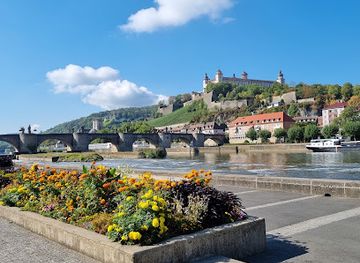
Old Main Bridge
Experience the enchanting Old Main Bridge in Würzburg, a historical landmark connecting the past with stunning views and vibrant local culture.
-
Museum
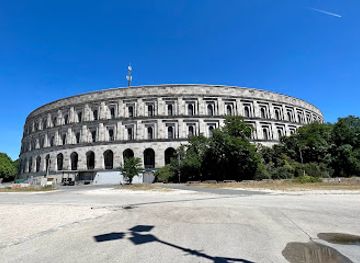
Documentation Center Nazi Party Rally Grounds
Discover the profound history of the Nazi regime at the Documentation Center Nazi Party Rally Grounds in Nuremberg, an essential visit for insightful travelers.
-
Historical landmark
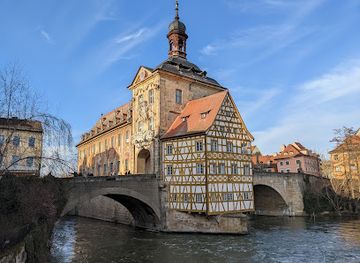
Altes Rathaus
Discover the Altes Rathaus in Bamberg, a stunning historical landmark that showcases the city's rich cultural heritage and architectural beauty.
-
Amusement park
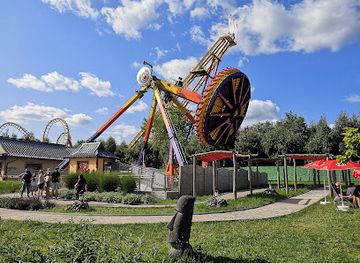
Freizeit-Land Geiselwind
Experience endless fun and excitement at Freizeit-Land Geiselwind, Germany's premier amusement park offering thrilling rides, animal exhibits, and family-friendly attractions.
Best landmarks in Franconia
The Margravial Opera House in Bayreuth is one of Franconia's most important baroque landmarks, created for the eighteenth-century court and preserved as an exceptional example of theatre architecture. Nuremberg Castle, rising above the old city, recalls the city's role in the Holy Roman Empire and its importance as a centre of trade and craftsmanship. Würzburg Residence, with its grand interiors and formal setting, represents the ambitions of the city's prince-bishops, while the old Main Bridge provides a defining view towards the fortress and vineyards. Bamberg Cathedral and the Old Town Hall are visual markers of a city shaped by ecclesiastical power and river commerce. Rothenburg ob der Tauber's walls and towers express its medieval civic identity, and the Veste Coburg dominates the hill above Coburg as one of the region's most substantial fortified complexes. Beyond built monuments, the limestone crags and wooded valleys of Franconian Switzerland form a distinctive natural landmark landscape.
-
Castle
Neuschwanstein Castle
Experience the fairytale magic of Neuschwanstein Castle, a breathtaking architectural masterpiece nestled in the Bavarian Alps, inspiring dreams and captivating hearts for generations.
-
Castle
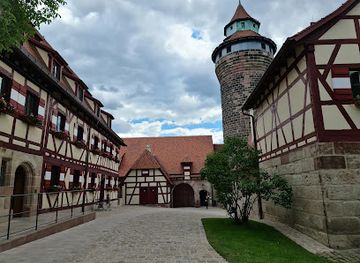
Imperial Castle of Nuremberg
Explore Nuremberg's Imperial Castle: A majestic medieval fortress offering panoramic views, historical insights, and a glimpse into the Holy Roman Empire's heart.
-
Castle
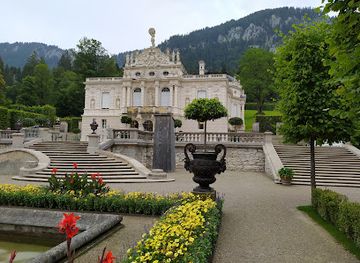
Linderhof Palace
Discover Linderhof Palace, King Ludwig II's intimate Rococo masterpiece nestled in the Bavarian Alps, featuring opulent interiors and breathtaking gardens inspired by Versailles.
-
Historical landmark
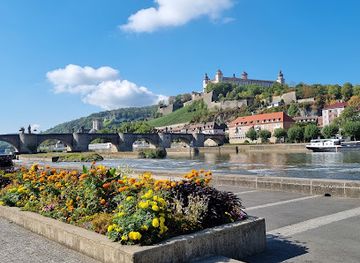
Old Main Bridge
Würzburg's iconic Old Main Bridge: a historic pedestrian crossing adorned with Baroque statues, offering stunning city views and a vibrant atmosphere for enjoying local Franconian wine.

Explore Franconia on the map
Plan your trip on one map. See where the top cities, national parks and sights are, and book hotels and experiences in a few clicks.
Best hotels in Franconia
Best restaurants in Franconia
Franconian food is substantial, seasonal and closely tied to local agriculture. Sausages are a regional staple, with Nuremberg's small Nürnberger Rostbratwürste among the best-known examples, while menus also feature Schäufele, roast pork served with crisp rind, dumplings, freshwater fish and seasonal vegetables such as asparagus. Upper Franconia is famous for its brewery taverns, where beer is served alongside simple hot meals, and the Main valley has wine taverns pairing local wines with regional dishes. In Würzburg, Iphofen and other wine-producing areas, look for dry Silvaner and other Franconian varieties traditionally sold in Bocksbeutel bottles. Bakeries provide rye and wheat breads, pastries and regional cakes, while farmers' markets are useful for cheese, sausages, honey and orchard produce. Larger cities offer contemporary German cooking, international restaurants and vegetarian options, but rural dining is often centred on family-run inns with limited service periods.
-
Bavarian restaurant
Ratskeller München
Experience authentic Bavarian cuisine at Ratskeller München - a vibrant restaurant in the heart of Munich offering delicious traditional dishes.
-
German
Bratwurst Röslein
Experience authentic German cuisine at Bratwurst Röslein in Nuremberg—home of delicious bratwursts and local specialties!
-
Franconian restaurant
Backöfele
Experience authentic Franconian cuisine at Backöfele in Würzburg, where tradition meets flavor in every dish.
-
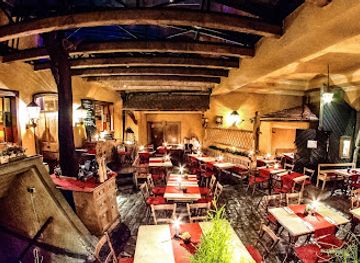
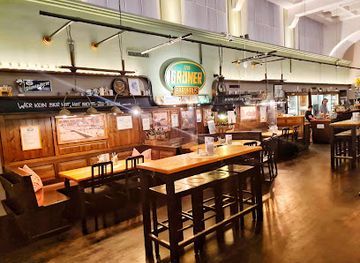
Brewpub
Grüner Brauhaus
Discover the essence of Franconian hospitality at Grüner Brauhaus with delicious brews and traditional cuisine.

Best bars in Franconia
Evening life in Franconia is shaped more by beer halls, wine taverns, traditional inns and live music than by a continuous nightclub scene. Nuremberg has the region's broadest choice, including late-opening bars, music venues and student-oriented areas, while Würzburg has a youthful atmosphere influenced by its university and wine culture. Bamberg is known for historic brewery taverns and compact bars within walking distance of the old town, and Bayreuth combines theatre and concert audiences with pubs and smaller evening venues. In wine-growing parts of Lower Franconia, seasonal wine festivals and cellar taverns are important social settings, though dates vary. Rural areas usually become quiet earlier, with evening entertainment focused on local inns, village festivals and occasional cultural events rather than formal nightlife districts.
-
Beer Garden
Steinbach Brewery Erlangen
Explore the vibrant atmosphere of Steinbach Brewery in Erlangen, where delicious Franconian cuisine meets exceptional local brews in a picturesque beer garden.
-
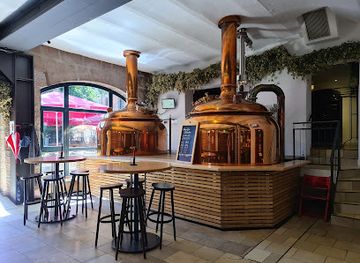
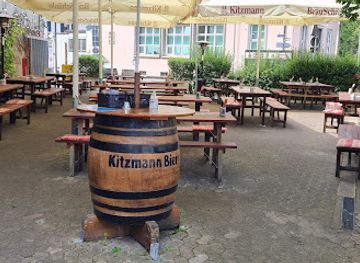
Restaurant
Kitzmann Bräuschänke
Experience Bavarian tradition and delightful flavors at Kitzmann Bräuschänke, Erlangen’s charming restaurant and beer garden.
-
Cocktail bar
Zephyr Bar
Discover the vibrant cocktail culture at Zephyr Bar in Munich, where unique flavors and an electric atmosphere await every evening.
-
Bar
Jazzbar Vogler - München
Jazzbar Vogler in Munich: A vibrant bar where live jazz music creates an unforgettable atmosphere for a night out in the heart of the city.
Best nightclubs in Franconia
Evening life in Franconia is shaped more by beer halls, wine taverns, traditional inns and live music than by a continuous nightclub scene. Nuremberg has the region's broadest choice, including late-opening bars, music venues and student-oriented areas, while Würzburg has a youthful atmosphere influenced by its university and wine culture. Bamberg is known for historic brewery taverns and compact bars within walking distance of the old town, and Bayreuth combines theatre and concert audiences with pubs and smaller evening venues. In wine-growing parts of Lower Franconia, seasonal wine festivals and cellar taverns are important social settings, though dates vary. Rural areas usually become quiet earlier, with evening entertainment focused on local inns, village festivals and occasional cultural events rather than formal nightlife districts.
-
Night club
Neuraum
Discover the vibrant nightlife of Munich at Neuraum, where electrifying music and stylish ambiance create unforgettable dance experiences.
-
Night club
Soda Club Berlin
Experience the vibrant nightlife at Soda Club Berlin, where dining meets dancing in a stylish and energetic ambiance.
-
Night club
House of Weekend
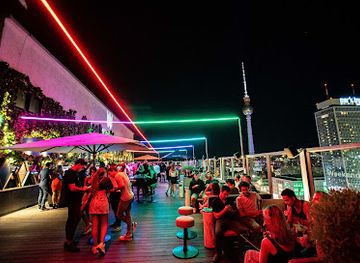
Discover the electrifying nightlife at House of Weekend, a premier club in Berlin featuring stunning skyline views and top DJs for an unforgettable experience.
-
Disco club
The Cult - Nightclub & more / Nürnberg
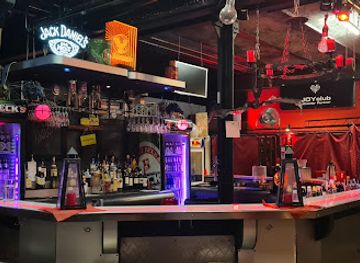
Experience the electrifying nightlife at The Cult in Nürnberg, a top disco club and event venue for unforgettable nights out.
Best shops in Franconia
Shopping in Franconia is strongest in historic market towns and the central districts of Nuremberg, Würzburg, Bamberg and Bayreuth. Independent bookshops, bakeries, delicatessens, craft studios and small galleries sit alongside ordinary German high-street retailers, while market squares are useful for seasonal produce, flowers and regional specialities. Visitors commonly take home Franconian wine, especially bottles from the Main valley, local beer, mustards, honey, sausages and baked goods, subject to transport and customs rules. Nuremberg has a long association with gingerbread, while smaller towns offer ceramics, textiles, woodwork and handmade gifts rather than extensive designer shopping. Rothenburg and Dinkelsbühl contain many souvenir-oriented shops around their historic centres, whereas Bamberg and Würzburg provide a broader mix of everyday retail, antiques and cultural goods. Opening hours are generally more limited on Sundays, when only selected bakeries, stations and special events may operate.
-
Shopping mall
KaDeWe - Kaufhaus des Westens
Discover Berlin's iconic shopping destination – KaDeWe, where luxury meets a culinary delight in the heart of the city.
-
Outlet mall
OUTLETCITY Metzingen
Discover unbeatable deals at OUTLETCITY Metzingen, Germany's top outlet mall for designer fashion and accessories.
-
Outlet mall
Designer Outlet Neumünster
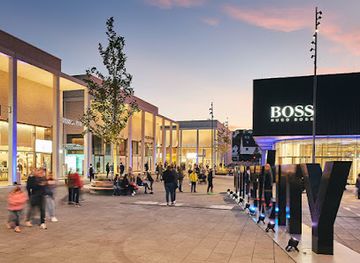
Discover shopping and dining bliss at Designer Outlet Neumünster, where top brands meet exceptional value in a vibrant atmosphere.
-
Shopping mall
Zweibrücken Fashion Outlet
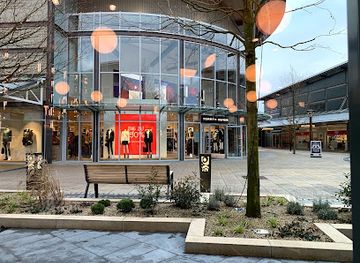
Discover the ultimate shopping experience at Zweibrücken Fashion Outlet, where style meets savings in a vibrant atmosphere.


Get your free copy of our complete guide to Franconia, delivered straight to you.
Everything on this page, from attractions and restaurants to essentials and local phrases, in one PDF you can read offline, print or share.
Already have an account? Sign in
Your Franconia guide is ready.
We'll send it to · Not you? Sign out

Getting your guide ready…
We are putting together a fresh copy of the Franconia guide. This can take up to a minute.
This can take a few moments. If your browser asks, choose Allow so the download can start. You'll find the guide in your Downloads folder.
Nothing happened? Download it again
Sorry, the guide is taking longer than usual. Please try again in a minute, or get it by email instead.
Franconia essentials
Currency and Payment
Safety
Emergency Situations
Do's and Don'ts
Local Tips
From Eve
Local phrases worth knowing
You don't need to get them perfect. A few words go a long way, and locals appreciate the effort.
Basics
| English | Local | Say it |
|---|---|---|
| Hello | Hallo | [Hah-loh] |
| Goodbye | Auf Wiedersehen | [Owf Veeder-zayn] |
| Yes | Ja | [Yah] |
| No | Nein | [Nine] |
| Please/You're welcome | Bitte | [Bit-tuh] |
| Thank you | Danke | [Dahn-keh] |
| Excuse me/Sorry | Entschuldigung | [Ent-shool-dee-goong] |
| How are you? | Wie geht's? | [Vee gates?] |
| Fine. And you? | Gut. Und dir? | [Gooot. Oond deer?] |
| Do you speak English? | Sprechen Sie Englisch? | [Shpre-chen Zee Eng-lish?] |
| I don't understand | Ich verstehe nicht | [Ish fer-shtay-eh nicht] |
Eating & Drinking
| English | Local | Say it |
|---|---|---|
| I'd like to see the menu, please | Ich möchte die Speisekarte sehen, bitte | [Ish merkh-te dee Spy-ze-kahr-teh zay-en, bit-tuh] |
| I don't eat meat | Ich esse kein Fleisch | [Ish ess-eh kine Flysh] |
| Cheers! | Prost! | [Prohst!] |
| I would like to pay, please | Ich möchte bezahlen, bitte | [Ish merkh-te beh-tsah-len, bit-tuh] |
Emergencies
| English | Local | Say it |
|---|---|---|
| Help! | Hilfe! | [Hil-feh!] |
| Go away! | Geh weg! | [Gay vek!] |
| Call the Police! | Rufen Sie die Polizei! | [Roo-fen Zee dee Po-li-tsai!] |
| Call a doctor! | Rufen Sie einen Arzt! | [Roo-fen Zee eye-nen Arts-t!] |
| I'm lost | Ich bin verloren | [Ish bin fer-lo-ren] |
| I'm ill | Ich bin krank | [Ish bin krank] |
Shopping
| English | Local | Say it |
|---|---|---|
| I'd like to buy... | Ich möchte ... kaufen | [Ish merkh-te ... kow-fen] |
| I'm just looking | Ich schaue nur | [Ish shau-eh noor] |
| How much is it? | Wie viel kostet es? | [Vee feel cost-et es?] |
| That's too expensive | Das ist zu teuer | [Das ist tsu toy-er] |
| Can you lower the price? | Können Sie den Preis senken? | [Kern-en Zee den Price zenk-en?] |
Time & Numbers
| English | Local | Say it |
|---|---|---|
| What time is it? | Wie spät ist es? | [Vee shpayt ist es?] |
| It's one o'clock | Es ist ein Uhr | [Es ist ine Oor] |
| Half past (10) | Halb (zehn) | [Halb (tsayn)] |
| Morning | Morgen | [Mor-gen] |
| Afternoon | Nachmittag | [Nahch-mit-tahg] |
| Evening | Abend | [Ah-bend] |
| Yesterday | Gestern | [Gest-ern] |
| Today | Heute | [Hoy-teh] |
| Tomorrow | Morgen | [Mor-gen] |
| 1 | Eins | [Eyns] |
| 2 | Zwei | [Tswy] |
| 3 | Drei | [Dry] |
| 4 | Vier | [Feer] |
| 5 | Fünf | [Fünf] |
| 6 | Sechs | [Zex] |
| 7 | Sieben | [Zee-ben] |
| 8 | Acht | [Acht] |
| 9 | Neun | [Noyn] |
| 10 | Zehn | [Tseyn] |
Transport & Directions
| English | Local | Say it |
|---|---|---|
| Where's a/the...? | Wo ist ein/der ...? | [Vo ist ine/der ...?] |
| What's the address? | Wie lautet die Adresse? | [Vee low-tet dee Ah-dres-se?] |
| Can you show me (on the map)? | Können Sie mir (auf der Karte) zeigen? | [Kern-en Zee meer (owf der Kar-teh) tsai-gen?] |
| When's the next (bus)? | Wann kommt der nächste (Bus)? | [Vahn komt der nay-shteh (Boos)?] |
| A ticket (to ....) | Ein Ticket (nach ....) | [Eyn Ti-ket (nahch ....)] |
History of Franconia
Celtic and Roman Frontiers
Long before Franconia acquired its modern name, the region was inhabited by Celtic communities and later influenced by Rome. The Roman frontier, or Limes, crossed areas east and south of the Main and left archaeological traces in the wider landscape, including forts, roads and settlement remains. Roman control was neither uniform nor permanent, but it connected local communities to a wider imperial economy. After the frontier receded, new political and cultural patterns developed among Germanic groups, providing part of the setting for the medieval formation of the region.
The Frankish Kingdom and the Name Franconia
Franconia takes its name from the Franks, whose early medieval kingdoms expanded across much of western Europe. Royal and ecclesiastical power spread through the Main basin, while monasteries became centres of literacy, landholding and Christianisation. Würzburg's bishopric, founded in the seventh century, became especially influential. The later division of the Frankish world meant that Franconia did not develop as a single modern state, but the shared name, dialects, legal traditions and historical institutions continued to shape regional identity.
Bishoprics, Imperial Cities and Medieval Trade
During the Middle Ages, Franconia was divided among prince-bishops, secular territories, monasteries and self-governing imperial cities. Würzburg and Bamberg became powerful ecclesiastical centres, while Nuremberg grew into a major city of trade, craftsmanship and imperial politics. Market routes along the Main and across central Germany supported commerce in metals, textiles, spices and agricultural goods. Fortifications, parish churches, town halls and patrician houses surviving in many settlements reflect this period of political fragmentation and urban prosperity.
The Hohenzollerns and Territorial Rivalry
The Hohenzollern family ruled important Franconian territories from Ansbach and Bayreuth, while the Wittelsbachs and ecclesiastical rulers controlled other areas. Competition among these powers produced courtly residences, military works and administrative reforms. Bayreuth's eighteenth-century court sponsored ambitious baroque architecture, including the Margravial Opera House, while Ansbach developed its own court culture. These territories were not identical to today's Bavarian administrative districts, but their legacies remain visible in palaces, gardens and historic town plans.
The Reformation and Religious Division
The Reformation brought pronounced religious and political change to Franconia. Nuremberg adopted Lutheran reforms early in the sixteenth century, while some bishoprics and territories remained Catholic. Villages, towns and ruling houses could follow different confessions, leaving a complex cultural map of Protestant and Catholic communities. The upheavals of the Thirty Years' War caused severe destruction and demographic loss across much of the region. Later rebuilding, church interiors and pilgrimage sites preserve evidence of both the conflict and the competing religious traditions that followed.
Napoleonic Reorganisation and Bavarian Incorporation
The early nineteenth century ended much of Franconia's old political fragmentation. Secularisation dissolved ecclesiastical territories, and the Napoleonic era reshaped the map of central Europe. In 1806, large parts of Franconia were incorporated into the Kingdom of Bavaria, including the former territories of Würzburg, Bamberg, Bayreuth and Ansbach at different stages of the wider reorganisation. This political change connected the region more closely to Bavaria while leaving its historical name, dialects, foodways and local loyalties intact.
Industrialisation, Railways and Urban Growth
Railways and industrialisation transformed Franconia during the nineteenth century. Nuremberg became a major centre of engineering, metalworking, rail production and electrical manufacturing, while Fürth developed strong commercial and industrial traditions. Mining, textiles, glassmaking and brewing were important in parts of Upper Franconia and the Franconian Forest. Rail connections also encouraged tourism to historic towns and spa destinations, linking previously remote valleys and market centres to the principal cities.
War, Destruction and Modern Franconian Identity
The twentieth century brought profound disruption. Nuremberg was central to Nazi propaganda and later hosted the post-war trials of leading Nazi figures; its documentation centres and museums address this history directly. Many Franconian towns suffered wartime damage, although historic buildings were reconstructed or preserved in varying degrees. After 1945, the region became part of the Federal Republic of Germany, and the administrative creation of the modern Bavarian districts reinforced but did not replace older Franconian identities. Today, Franconia remains culturally distinctive within Bavaria and connected to neighbouring regions by shared historical traditions.
Franconia in Photos
Browse through our photo collection highlighting the charm and character of the destination.
Neighbouring regions of Franconia
The closest regions to Franconia, if you have time for more than one.
-

-

-

-

-


Swipe for more regions
Explore more

Explore more of Germany
Experience Germany: where history meets innovation, and urban energy blends with natural beauty. Discover diverse cultures, delicious cuisine, and stunning landscapes.
Explore Germany