Ernst-August-Platz: Hannover's Gateway
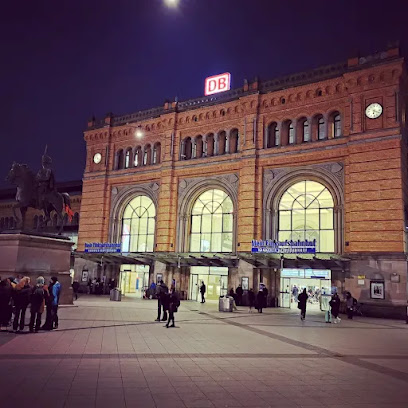
Experience Hannover's vibrant heart at Ernst-August-Platz: a historic square blending transportation, culture, and modern city life, right in front of the main train station.
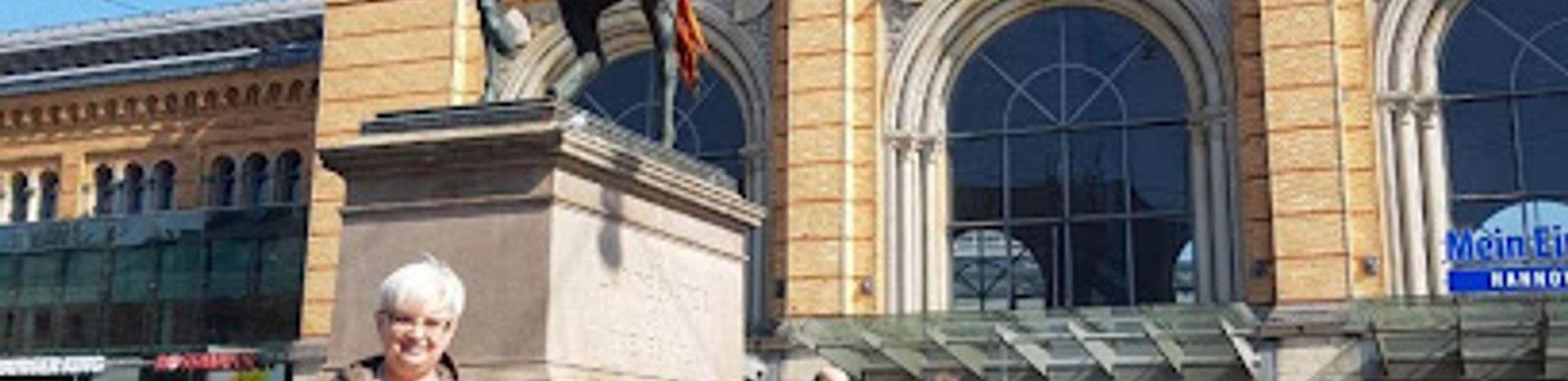
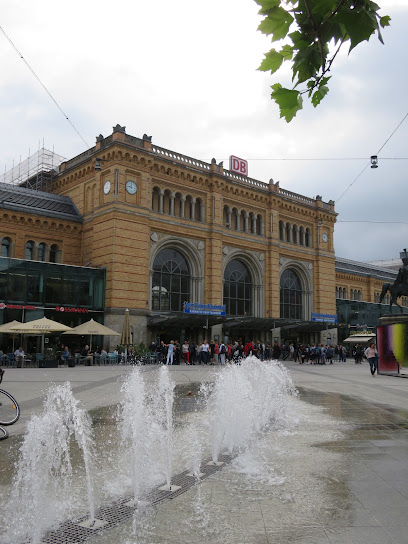
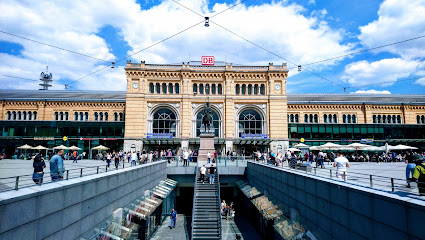
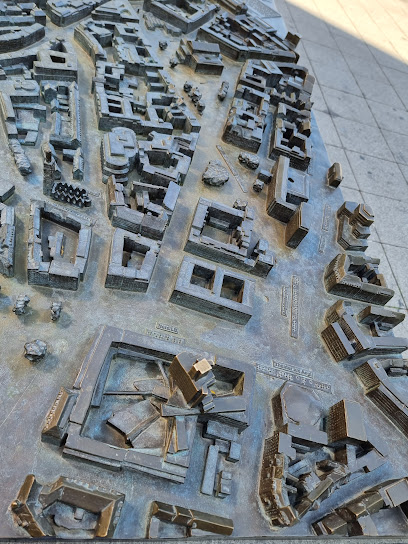
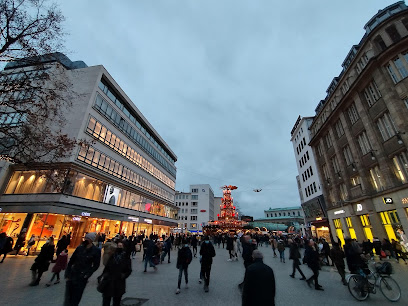
Ernst-August-Platz, situated directly in front of Hannover's main train station (Hauptbahnhof), serves as the city's central arrival point and a vibrant public space. Named after King Ernst August I of Hanover, the square boasts a prominent equestrian statue of the monarch, a focal point for locals and tourists alike. The square has evolved from a formal garden to a bustling transportation hub and urban meeting place. Today, it offers a mix of shops, restaurants, and access to the city's extensive public transport network. While the area has seen its share of destruction and reconstruction, it remains a key landmark, embodying Hannover's resilience and serving as a symbolic gateway to the city center. The square also features a bronze model of the city for the visually impaired, allowing them to 'feel, see, and understand' Hannover.
A brief summary to Hannover zum Fühlen, Sehen und Begreifen
- Ernst-August-Platz, Hanover, Hanover-Mitte, 30159, DE
Local tips
- Look for the bronze model of Hannover's inner city, a tactile map designed to help visually impaired people experience the city's layout.
- Visit the Tourist Information office located on Ernst-August-Platz for maps, brochures, and personalized advice on exploring Hannover.
- Take a moment to admire the equestrian statue of King Ernst August I, a prominent landmark and a reminder of Hannover's royal history.

Getting There
-
Walking
From Hannover Hauptbahnhof's main exit, Ernst-August-Platz is directly in front of you. No special transport is needed. The square is easily accessible on foot from the train station platforms. Be aware of pedestrian traffic and tram lines when crossing the square.
-
Public Transport
If arriving via the Hannover Stadtbahn (underground tram), exit at the 'Hauptbahnhof' station. Follow signs for the main exit ('Ausgang') to reach Ernst-August-Platz. Several bus lines also stop directly at Ernst-August-Platz. A short trip ticket ('KurzstreckenTicket') costs €1.80 and allows travel for three stops by tram or five stops by bus. A single ticket ('Einzelticket') within the Hannover zone costs €3.60.
-
Taxi/Ride-Share
A taxi or ride-share from anywhere in Hannover city center to Ernst-August-Platz should cost approximately €10-€15, depending on traffic and distance. There are designated taxi stands near the train station exits on Ernst-August-Platz.
-
Driving
If driving, navigate to Ernst-August-Platz, 30159 Hannover. Parking is available in several nearby parking garages, including 'Parkhaus GALERIA Hannover' (Ernst-August-Platz 5) with hourly rates starting at €2.00 and a daily maximum of €12.00. Other options include 'Parkplatz Ernst-August-Platz P1' and 'Tiefgarage Hauptbahnhof Augustenstraße'. Parking spaces directly on the square are very limited.
Discover more about Hannover zum Fühlen, Sehen und Begreifen
Iconic landmarks you can’t miss

Ernst-August-Platz 8
0.1 km
Experience the vibrant heart of Hannover at Ernst-August-Platz, a historic square connecting travelers to the city's rich culture, major attractions, and bustling commercial center.
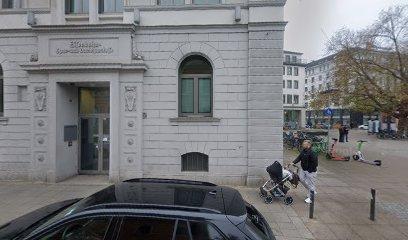
Kröpcke Clock
0.2 km
Discover the enchanting Kröpcke Clock in Hanover, a historical landmark surrounded by vibrant shops, cafes, and the lively spirit of the city.
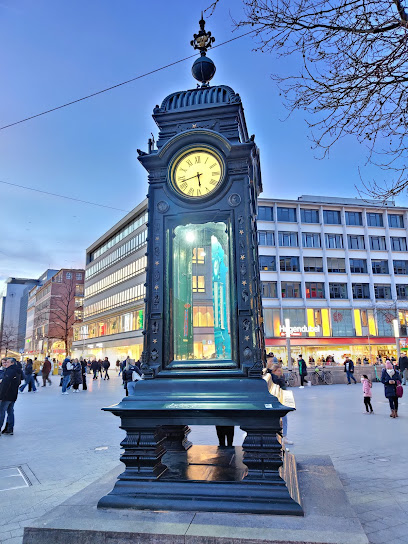
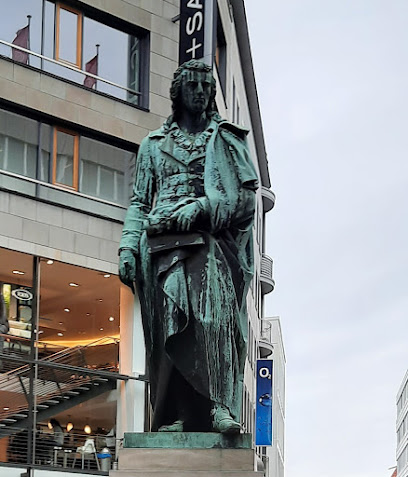
Friedrich Schiller
0.3 km
Discover the Friedrich Schiller Monument in Hanover, a cultural gem honoring the great German playwright amidst beautiful gardens.
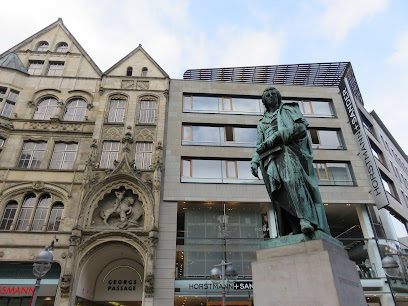
Drachentöterhaus
0.3 km
Explore Drachentöterhaus in Hanover, a historical landmark that enchants visitors with its rich history and captivating architecture.
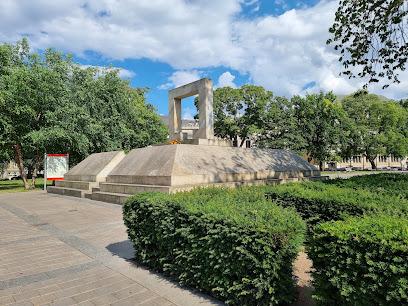
Memorial to the murdered Jews of Hanover
0.4 km
Discover the profound Memorial to the Murdered Jews of Hanover, a poignant cultural landmark reflecting on the city's history and the importance of remembrance.
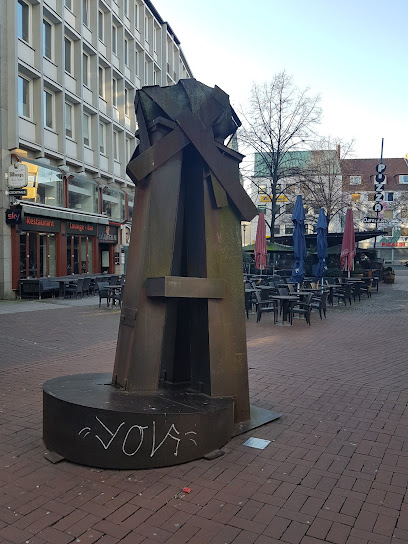
Bogside '69 - Skulptur
0.4 km
A powerful sculpture in Hanover commemorating the Bogside events of 1969 in Northern Ireland, connecting human rights, political violence, and the need for peace and understanding.
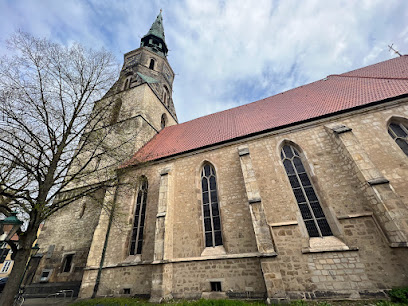
Kreuzkirche
0.6 km
Discover Hannover's oldest parish church, the Kreuzkirche, a blend of Gothic and Baroque architecture housing historical treasures and hosting vibrant cultural events in the heart of the Old Town.
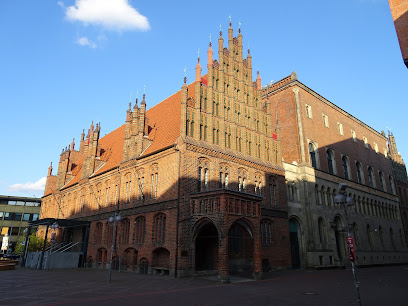
Old Town Hall
0.6 km
Discover Hannover's oldest secular building, the Altes Rathaus, a stunning example of North German Brick Gothic architecture in the heart of the historic Old Town.
ATRIUM Altes Rathaus Hannover
0.6 km
Dine in the heart of Hanover's history at ATRIUM Altes Rathaus, where culinary excellence meets architectural grandeur in the city's oldest secular building, offering a unique and memorable experience.
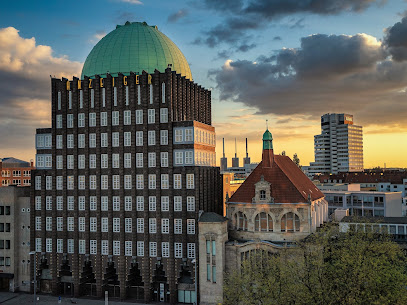
Anzeiger-Hochhaus
0.6 km
Discover Hanover's iconic Anzeiger-Hochhaus, a Brick Expressionism masterpiece with a rich media history and the highest cinema in Germany, offering a unique cultural experience.
Broyhan Haus
0.6 km
Discover the authentic taste of Germany at Broyhan Haus, where every meal is a celebration of tradition and flavor in the heart of Hanover.
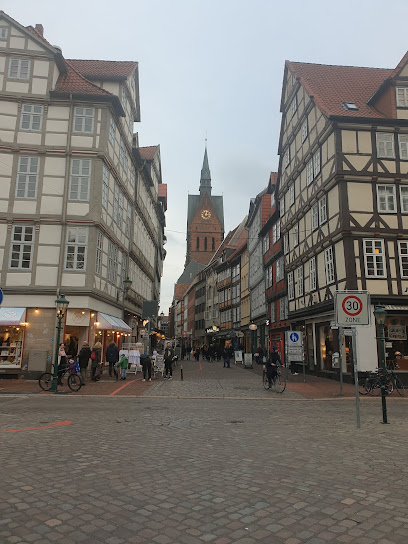
Ballhofpl. 1
0.6 km
Discover Hanover's historic heart at Ballhofplatz, a charming square with a rich past, vibrant cultural scene, and picturesque half-timbered buildings, offering a delightful experience for every traveler.
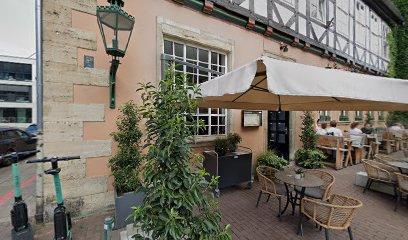
Hannover Altstadt
0.7 km
Explore the enchanting Hannover Altstadt, a historical treasure filled with beautiful architecture, lively markets, and vibrant local culture.
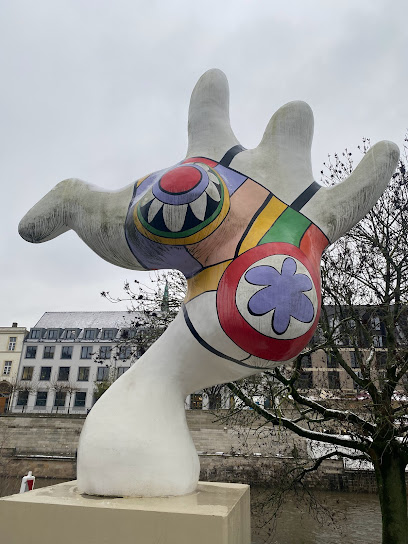
Open Grave, Hanover
0.7 km
Discover a peaceful oasis in Hanover's heart at Gartenfriedhof, a historic cemetery with notable graves, classic monuments, and the intriguing 'Open Grave'.
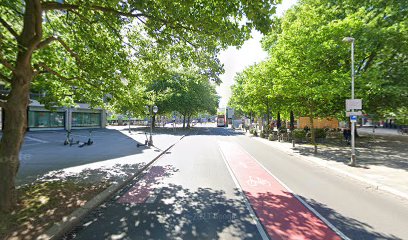
Beginenturm
0.7 km
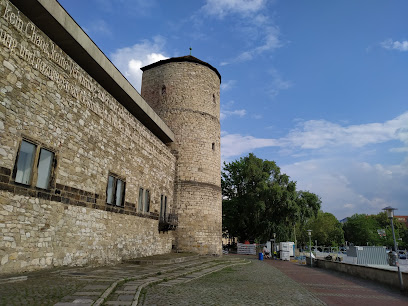
Explore Hannover's medieval past at the Beginenturm, a historic defense tower offering a glimpse into the city's rich heritage and strategic importance on the Hohen Ufer.
Unmissable attractions to see

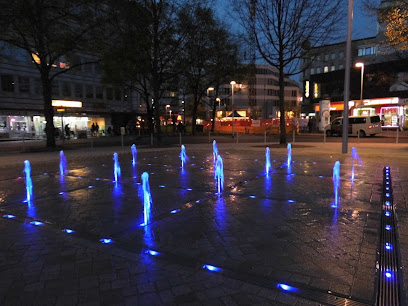
HAZ-Brunnen, Hannover - HAZ (2000)
0.1 km
Discover the beauty of HAZ-Brunnen in Hanover, a stunning fountain and lively gathering spot perfect for relaxation and socializing.
Ernst August
0.1 km
Explore the vibrant Ernst August Platz in Hanover, a cultural and historical landmark surrounded by shops, cafes, and stunning architecture.
Blinden Stadtmodell Innenstadt Hannover
0.1 km
Discover Hannover's landmarks in a unique tactile experience at the Blinden Stadtmodell, perfect for all tourists looking to explore the city inclusively.
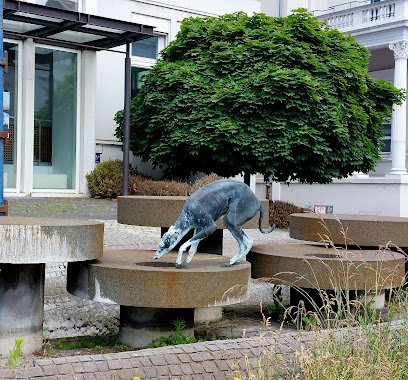
Brunnen, Hannover
0.1 km
Explore the enchanting Brunnen in Hannover, a historical fountain surrounded by beautiful gardens, perfect for relaxation and cultural appreciation.
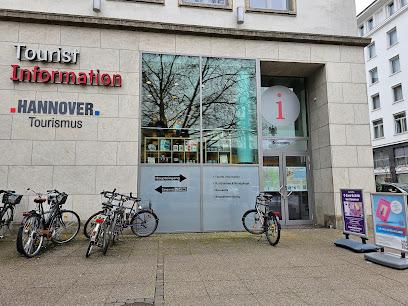
Hannover Tourist Information
0.1 km
Discover Hannover's culture, events, and souvenirs at the Tourist Information Center – your one-stop destination for an unforgettable experience.
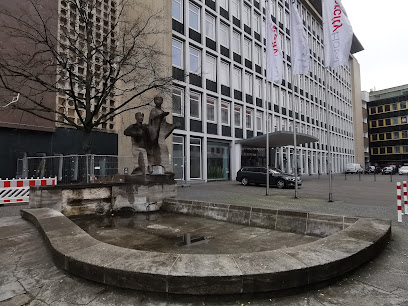
Postbrunnen, Hannover - Herbert Volwahsen (1957)
0.1 km
Discover the artistic essence of Postbrunnen in Hannover, a stunning fountain by Herbert Volwahsen that captivates visitors with its beauty and cultural significance.
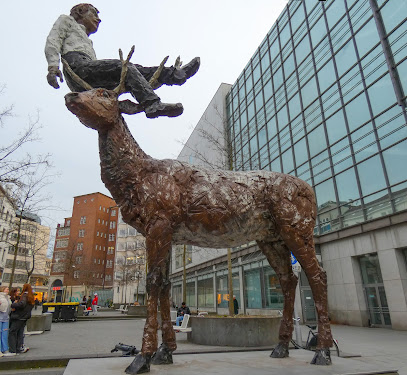
" Mann mit Hirsch "
0.2 km
Discover the enchanting Mann mit Hirsch statue in Hanover, a blend of art and history in a charming urban setting.
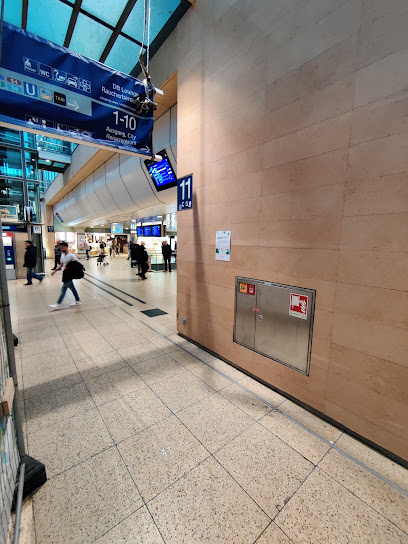
Twitter Cultural Site (Platform 11)
0.2 km
Discover the vibrant intersection of technology and culture at Hannover's Twitter Cultural Site, Platform 11, a must-visit for modern travelers.
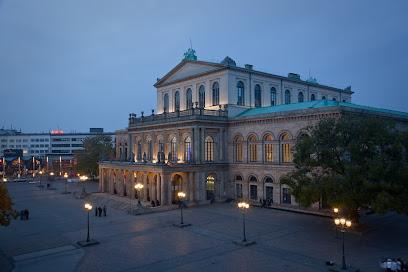
State Opera of Hannover
0.3 km
Explore the breathtaking State Opera of Hannover, a cultural jewel offering exquisite performances in a stunning architectural masterpiece.
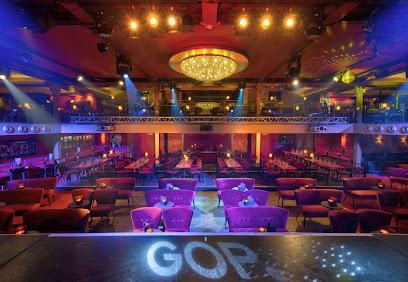
GOP Varieté-Theater Hannover
0.3 km
Experience the magic of performing arts at GOP Varieté-Theater Hannover, where spectacular shows meet exquisite dining in a charming atmosphere.
Oettingerwiese
0.3 km
Discover Oettingerwiese, Hannover's green gem, where urban tranquility meets vibrant community spirit in the heart of the city.
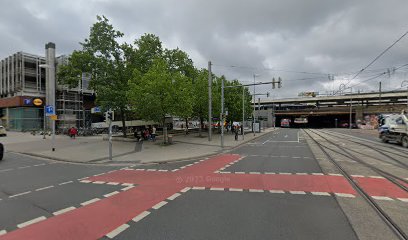
Marstall-Brunnen, Hannover (2019)
0.4 km
Experience the serene beauty of Marstall-Brunnen, a historic fountain in Hannover surrounded by gardens and rich cultural heritage, perfect for relaxation.
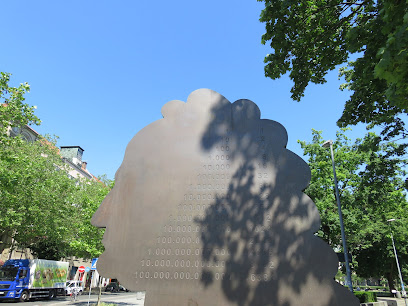
Leibniz statue
0.5 km
Explore the Leibniz Statue in Hanover, a captivating tribute to the philosopher and mathematician, surrounded by lush greenery and rich history.
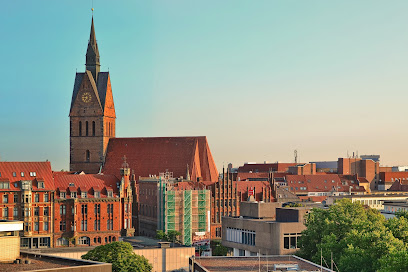
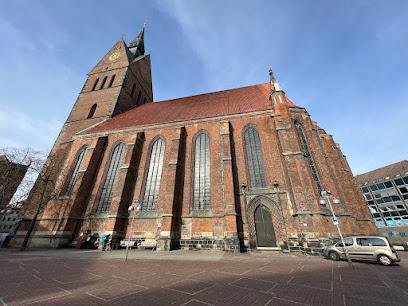
Marktkirche Hannover
0.5 km
Discover the historical and architectural wonders of Marktkirche Hannover, a stunning Gothic church in the heart of Hanover.
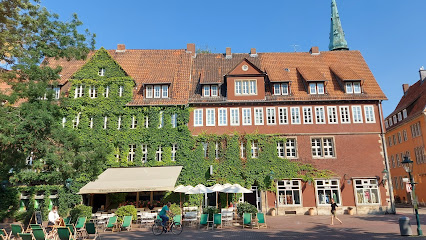
Ballhofplatz
0.6 km
Explore the enchanting Ballhofplatz in Hanover, a historical landmark that offers a unique glimpse into the city's rich cultural heritage and charming atmosphere.
Essential places to dine

Restaurant Brunnenhof
0.1 km
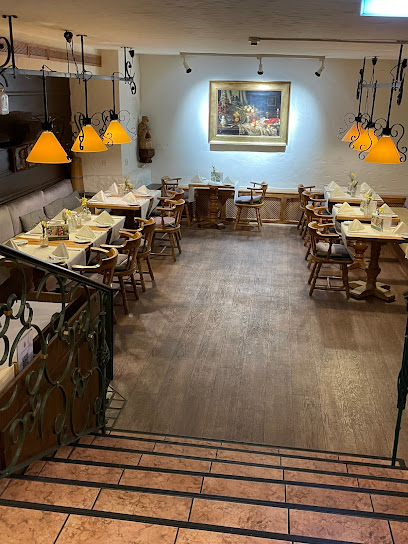
Experience authentic German cuisine in Hanover at Restaurant Brunnenhof - where tradition meets taste in a warm atmosphere.
MARY´s Restaurant
0.2 km
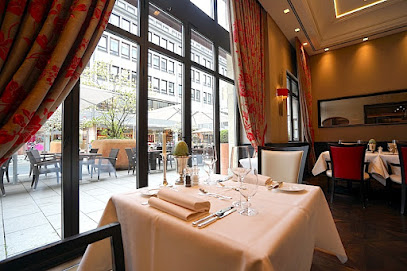
Experience fine dining at MARY's Restaurant in Hanover—where culinary excellence meets sophisticated ambiance.
Restaurant Titus im Röhrbein
0.2 km
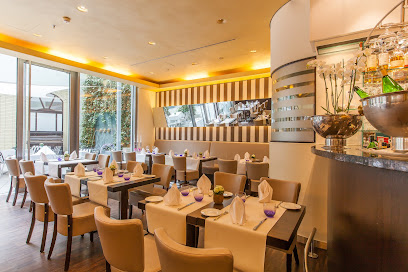
Experience exquisite European cuisine at Restaurant Titus im Röhrbein in Hanover - where seasonal flavors meet modern elegance.
BLOCK HOUSE Am Kröpcke
0.3 km
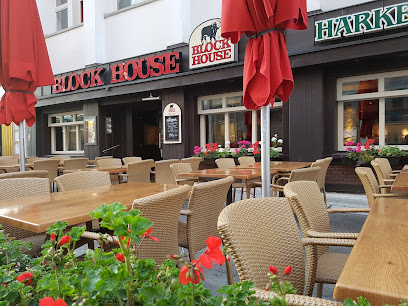
Experience exquisite steaks and welcoming ambiance at BLOCK HOUSE Am Kröpcke - the ultimate dining destination in Hannover.
Gondel Restaurant & Bar im Georgspalast
0.3 km
Experience traditional German cuisine with a modern twist at Gondel Restaurant & Bar in Hanover's historic Georgspalast.
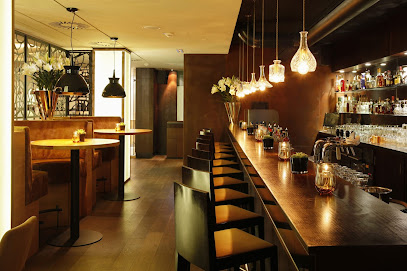
6 Sinne Sky Bar and Restaurant
0.3 km
Discover exquisite dining with panoramic views at 6 Sinne Sky Bar and Restaurant in Hanover – where culinary artistry meets stunning skyline vistas.
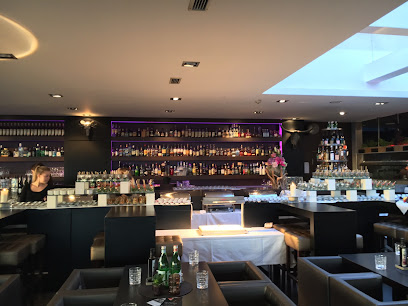
Bavarium Hannover
0.4 km
Experience authentic German cuisine and lively beer garden vibes at Bavarium Hannover - a culinary delight in the heart of Hanover.
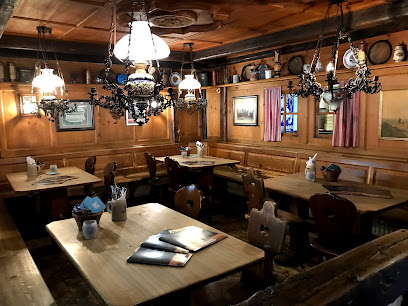
DIE SCHMIEDE Hannover
0.4 km
Discover DIE SCHMIEDE Hannover – where traditional German cuisine meets vibrant social atmosphere in the heart of Hanover.
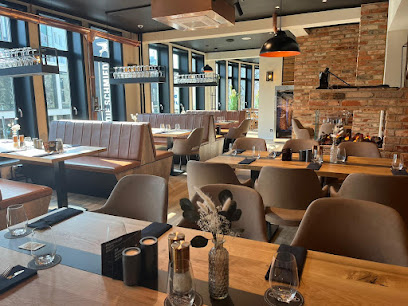
Ristorante Weinstube Leonardo
0.5 km
Discover authentic Italian flavors at Ristorante Weinstube Leonardo in Hanover – where every meal is a delightful culinary journey.
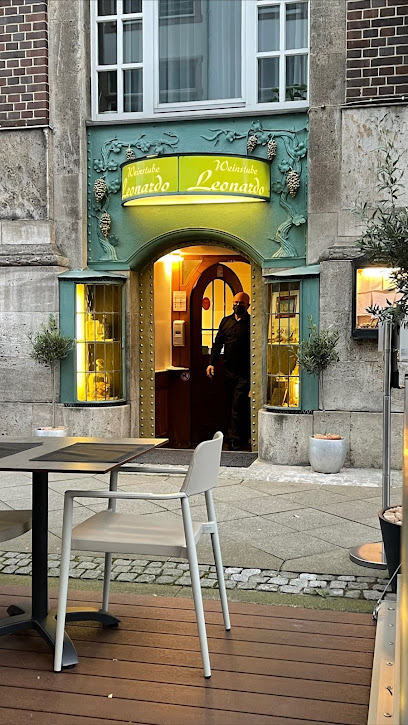
Leinegold Restaurant Wein Bar
0.5 km
Experience the best of German cuisine at Leinegold Restaurant Wein Bar in Hanover, where tradition meets sophistication.
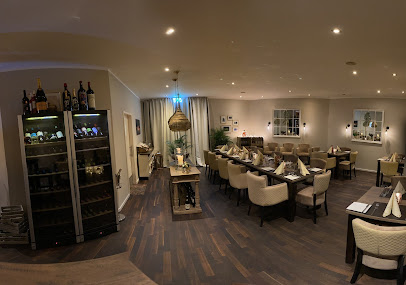
Al-dar
0.5 km
Experience authentic Syrian cuisine at Al-dar in Hanover, where every dish tells a story of rich flavors and traditions.
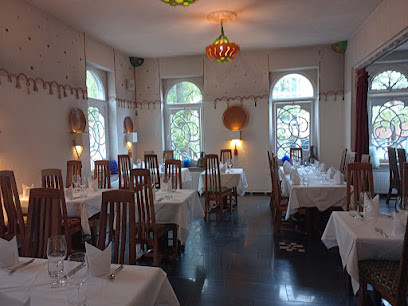
Restaurant Grüpchen
0.5 km
Discover the rich flavors of Hanover at Restaurant Grüpchen - where local meets international cuisine in a cozy setting.
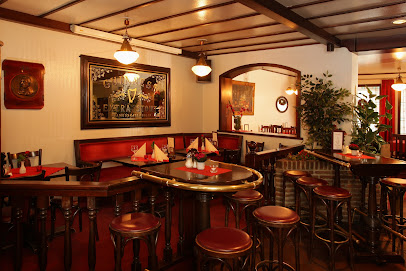
Albertz.
0.5 km
Experience exquisite dining at Albertz in Hanover - where local flavors meet international cuisine in an inviting atmosphere.
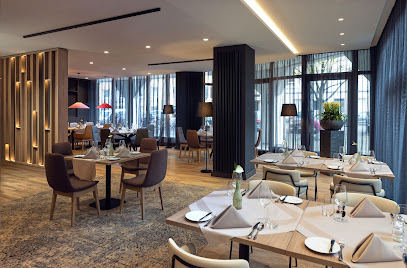
Wilma Wunder Hannover
0.5 km
Experience authentic German cuisine at Wilma Wunder Hannover – where tradition meets innovation in every dish.
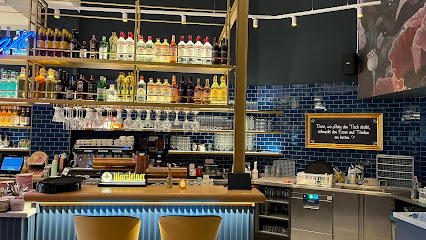
KUHnstWERK
0.6 km
Experience gourmet burgers at KUHnstWERK in Hannover – where taste meets creativity in every bite.
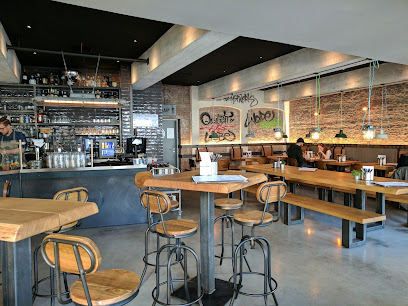
Markets, malls and hidden boutiques

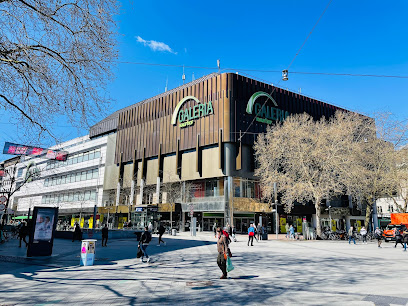
GALERIA Hannover
0.0 km
Explore GALERIA Hannover, a premier department store offering a unique shopping experience with local and international brands in the heart of the city.
Niki-de-Saint-Phalle-Promenade
0.0 km
Experience the artistic charm and vibrant shopping atmosphere of Niki-de-Saint-Phalle-Promenade, a true gem in Hanover's cultural landscape.
Leonardo Store Hanover
0.1 km
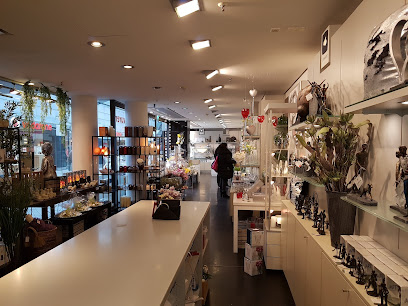
Explore the Leonardo Store in Hanover for unique gifts, exquisite jewelry, and handcrafted glassware, perfect for any traveler.
Fantasy
0.1 km
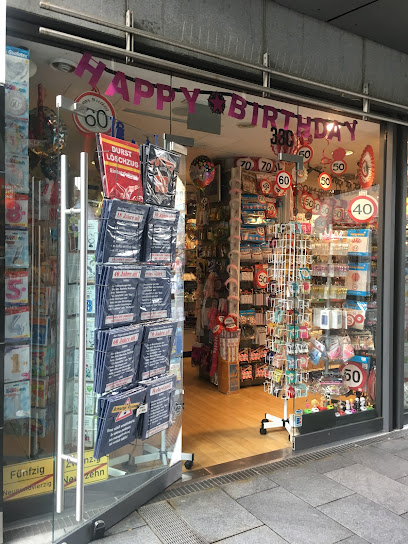
Discover the enchanting realm of Fantasy, a unique gift shop and game store in Hanover, perfect for finding whimsical treasures and exciting board games.
Galerie Luise
0.1 km
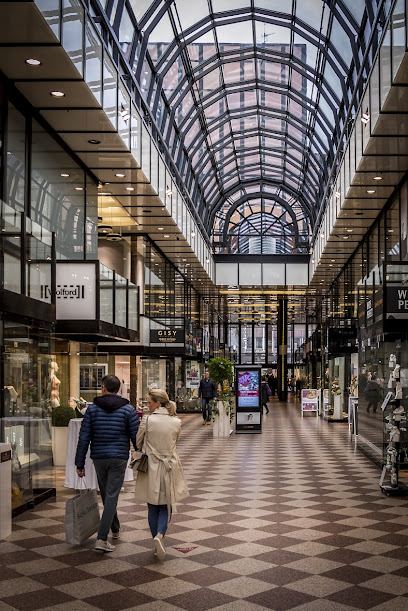
Discover the vibrant shopping experience at Galerie Luise in Hanover, where local charm meets international flair in a beautiful setting.
Hannover.made
0.1 km
Explore the culinary delights of Hanover at Hannover.made, a vibrant grocery store offering local produce and gourmet specialties.
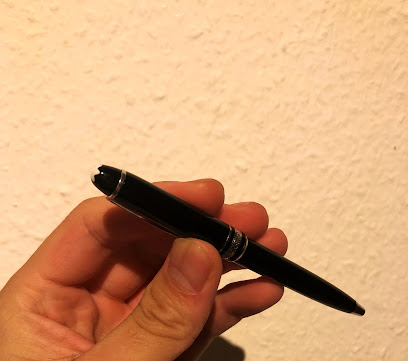
Mont Blanc Hanover - Kröpckepassage
0.1 km
Explore Mont Blanc Hanover for exquisite jewelry, premium leather goods, and luxury writing instruments in the heart of the city.
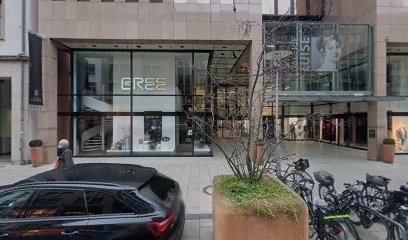
Store
0.2 km
Explore the elegance of Hugo Boss in Hanover, where modern fashion meets timeless sophistication in a premier shopping experience.
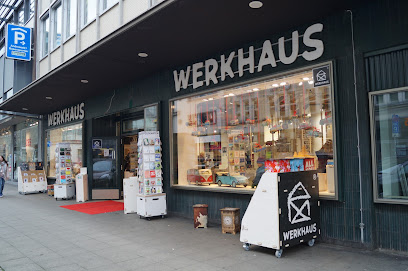
WERKHAUS GmbH Shop Flagship-Store
0.2 km
Explore WERKHAUS GmbH Flagship-Store in Hanover for unique gifts and innovative designs that embody creativity and sustainability.
Luxussachen.com - Filiale Hannover
0.2 km
Explore Luxussachen.com in Hannover for vintage fashion and unique accessories that embody sustainability and timeless style.
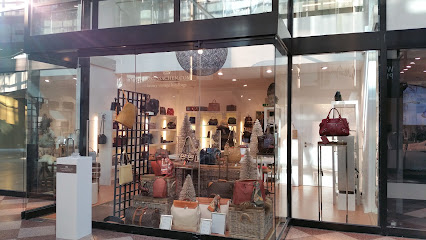
Kröpcke Passage
0.2 km
Explore Kröpcke Passage, Hannover's vibrant shopping mall, blending retail, dining, and local culture in a central location.
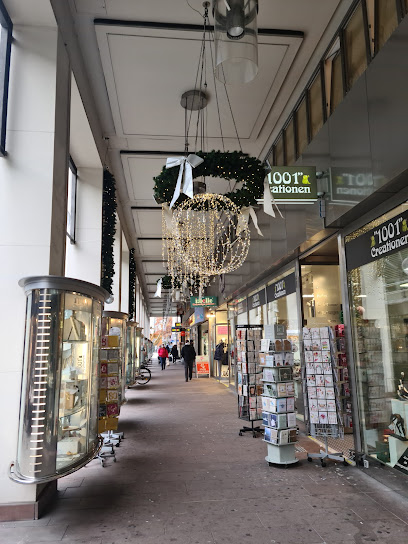
BOLIA - Hannover, Schillerstraße
0.2 km
Explore modern Scandinavian furniture and design inspiration at Bolia in Hannover, where style meets sustainability in every piece.
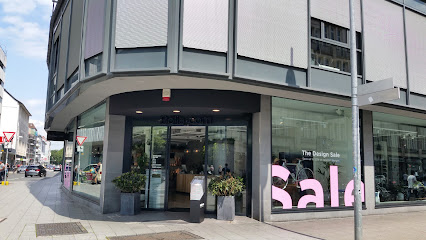
GANT
0.2 km
Discover GANT in Hanover for a stylish selection of men's and women's fashion, combining classic elegance with modern trends.
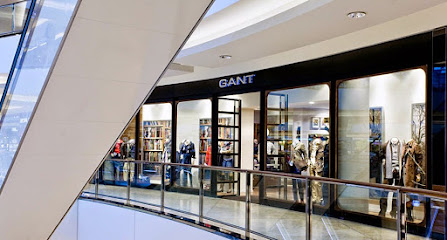
Einkaufsbahnhof Hannover Hbf
0.2 km
Discover the vibrant Einkaufsbahnhof Hannover Hbf, a unique shopping mall blending convenience, culture, and culinary delights in the heart of Hannover.
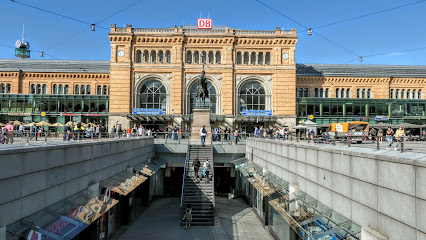
G-Star RAW Store
0.2 km
Explore the G-Star RAW Store in Hanover for trendy denim and stylish clothing, perfect for fashion lovers seeking quality and sustainability.
Essential bars & hidden hideouts

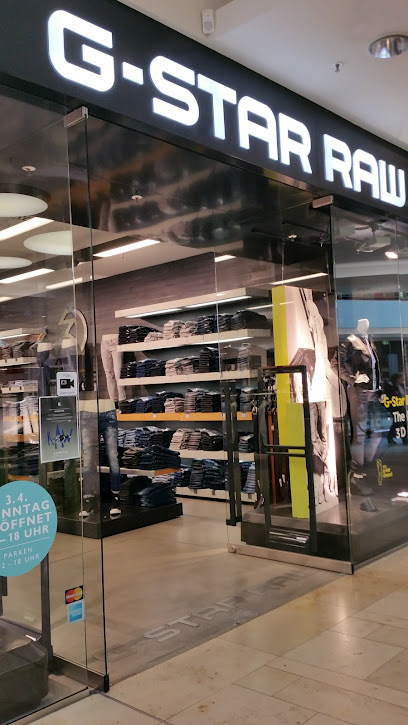
Leos Bar
0.2 km
Discover the lively atmosphere and exquisite drinks at Leos Bar, the heart of Hanover's nightlife. Perfect for unwinding or enjoying a night out.
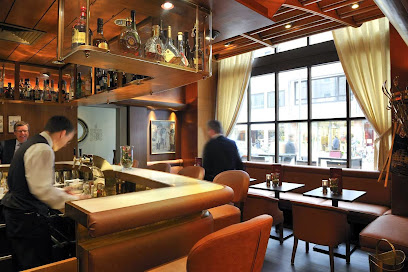
My Way Cocktailbar
0.2 km
Discover My Way Cocktailbar: Hanover's Hotspot for Creative Cocktails and Lively Atmosphere.
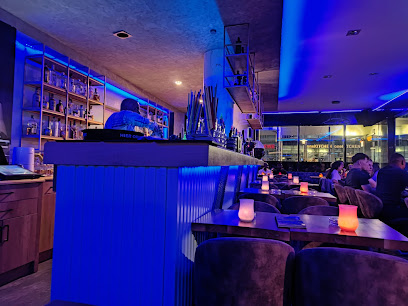
Roof Garden Hannover
0.3 km
Discover the vibrant Roof Garden Hannover, a rooftop cocktail bar offering stunning views, exquisite drinks, and an unforgettable atmosphere in the heart of the city.
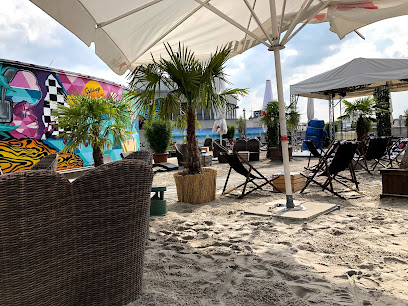
Sternwarte - Hannover
0.3 km
Explore the cosmos at Sternwarte - Hannover, where stargazing meets the perfect nightlife experience in the heart of the city.
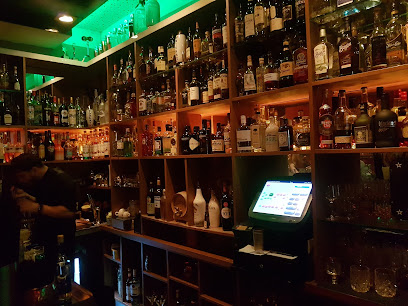
mini Bar Hannover
0.4 km
Experience the vibrant cocktail culture at mini Bar Hannover, where innovative mixology and a cozy atmosphere await every visitor.
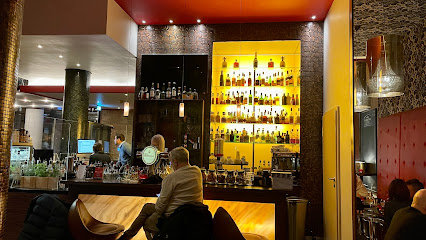
Hangover Cocktailbar
0.4 km
Discover the vibrant ambiance and innovative cocktails at Hangover Cocktailbar, Hanover's go-to nightlife destination for an unforgettable evening.
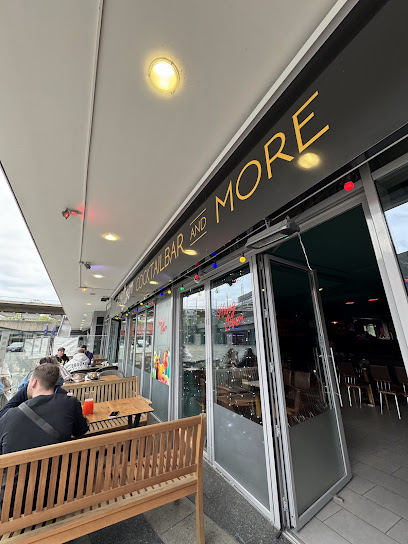
Brauhaus Ernst August
0.5 km
Experience the best of Hanover at Brauhaus Ernst August, a lively gastropub offering delicious food, local beers, and vibrant live music.
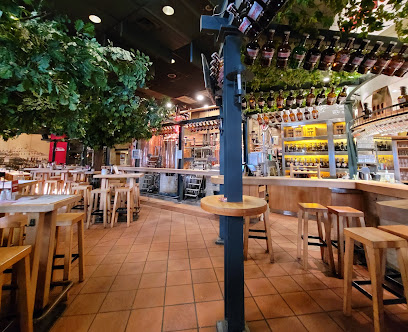
Oscar's Bar - Hannover
0.5 km
Discover the lively atmosphere of Oscar's Bar in Hannover, where exceptional cocktails meet a welcoming pub experience for all visitors.
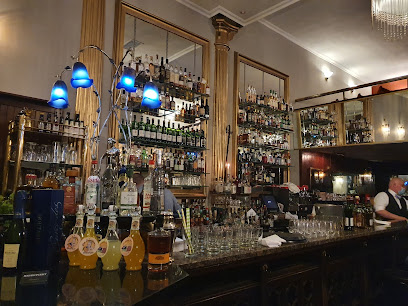
The Irish Pub
0.5 km
Discover the heart of Ireland in Hanover at The Irish Pub, where traditional cuisine and vibrant atmosphere create unforgettable moments.
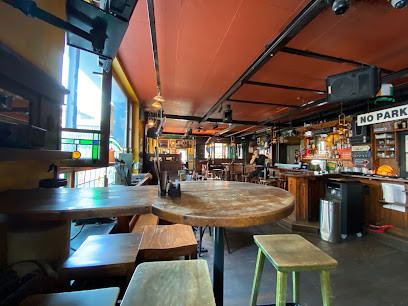
SAUSALITOS
0.5 km
Experience the vibrant blend of Mexican and Tex-Mex cuisine at Sausalitos in Hanover, where flavor meets fun in a lively atmosphere.
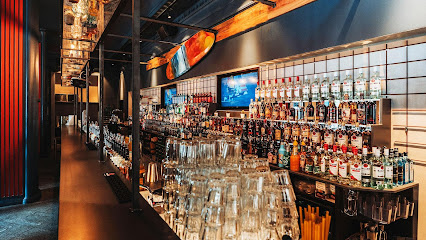
After 5 cocktail
0.5 km
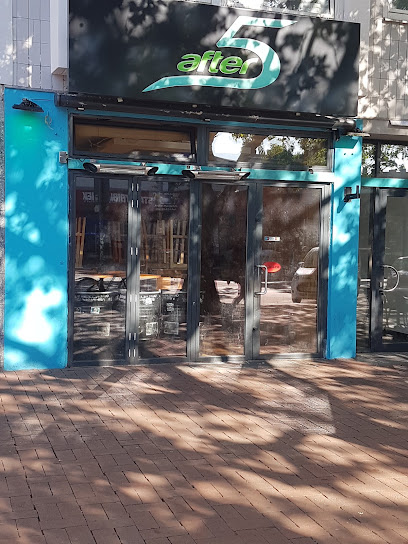
Experience Hanover's nightlife at After 5 Cocktail, where unique cocktails and a vibrant atmosphere await you.
Alt Hanovera Irish Pub
0.6 km
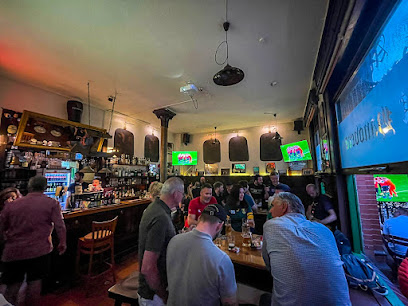
Discover the authentic Irish pub experience at Alt Hanovera, where great food, drinks, and live music create memorable moments in Hannover.
Schöne Aussichten 360° Beachclub Hannover
0.6 km
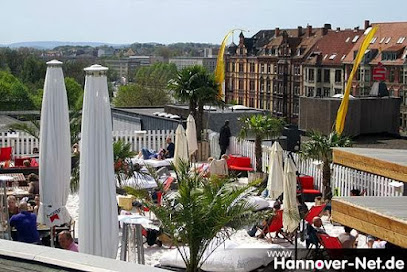
Discover the lively Schöne Aussichten 360° Beachclub in Hannover, where vibrant ambiance meets stunning views and refreshing drinks for a perfect getaway.
My Way Altstadt
0.6 km
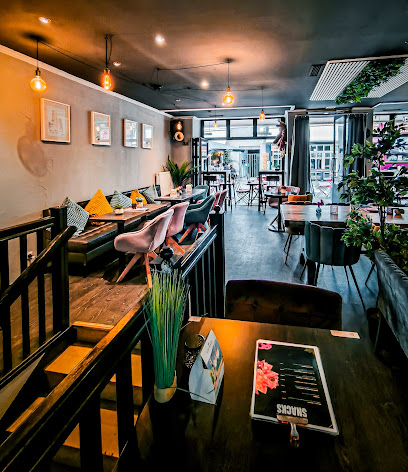
Savor the essence of Hanover at My Way Altstadt, where gourmet burgers, artisanal pizzas, and vibrant cocktails come together in a lively atmosphere.
Dublin Inn
0.6 km
Experience the warmth of Irish hospitality at Dublin Inn, where traditional food, drinks, and sports come together in Hanover's lively atmosphere.
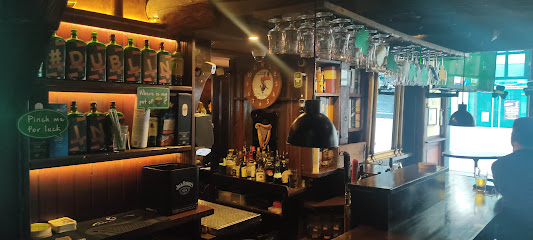
Nightclubs & after hour spots

Baggi Hannover
0.4 km
Discover the energetic nightlife at Baggi Hannover, where dancing, live music, and unforgettable moments await every weekend.
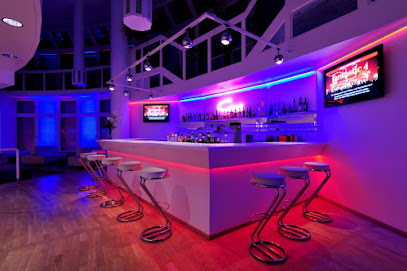
Zoom club
0.4 km
Discover Hanover's nightlife at Zoom Club, where music and energy collide for an unforgettable disco experience.
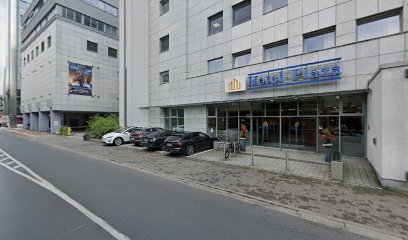
Monkey's - Hannover
0.4 km
Discover the electrifying nightlife at Monkey's in Hannover, a premier night club with great music, drinks, and an unforgettable atmosphere.
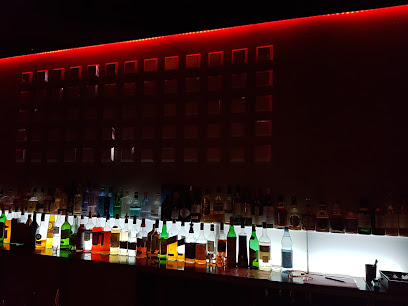
Palo Palo
0.5 km
Discover the vibrant nightlife at Palo Palo, Hanover's premier disco club, where music, dance, and unforgettable experiences await.
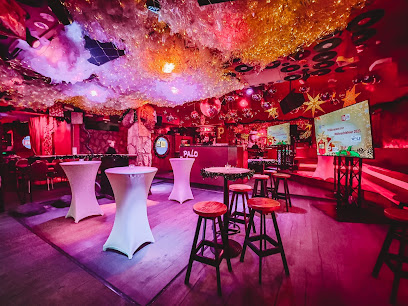
Puerto Rico Club - Hannover
0.5 km
Discover the vibrant energy and diverse crowd at Puerto Rico Club - Hannover's hottest disco club for unforgettable nights.
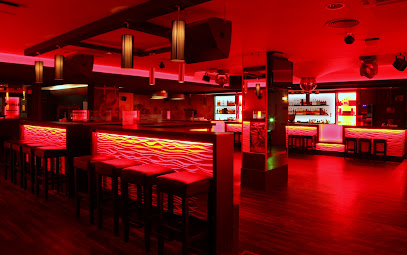
Sound Club
0.5 km
Dive into Hannover's nightlife at Sound Club, where music, dancing, and unforgettable experiences await in a vibrant atmosphere.
Love Nightclub 66
0.5 km
Dive into Hanover's nightlife at Love Nightclub 66, where electrifying music and vibrant atmosphere create unforgettable experiences.
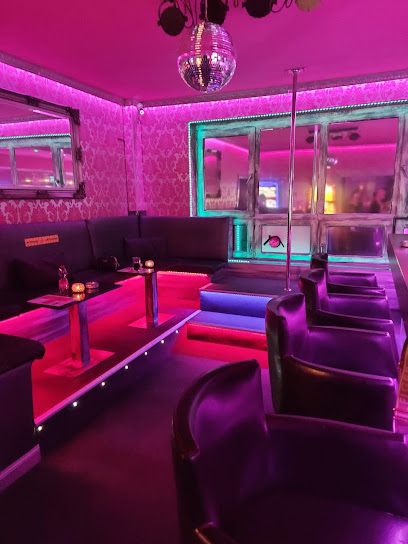
Discothek Euro-Party-Club
0.5 km
Discover Hanover's nightlife at Discothek Euro-Party-Club, where the beats are vibrant and the atmosphere is electric.
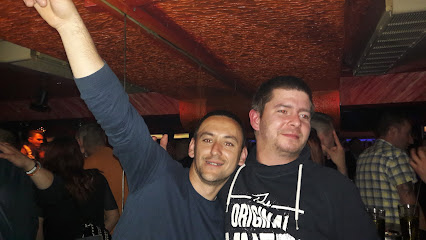
Lady Lux Tabledance
0.6 km
Discover the vibrant nightlife at Lady Lux Tabledance, Hanover's premier destination for adult entertainment and thrilling performances.
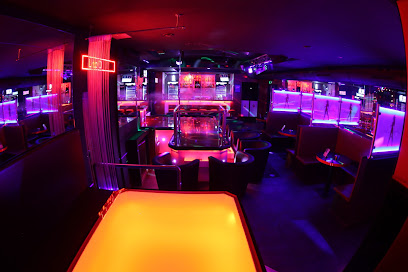
Bamboo Club - Hannover
0.6 km
Bamboo Club in Hannover: Where exhilarating nightlife meets vibrant beats for an unforgettable experience.
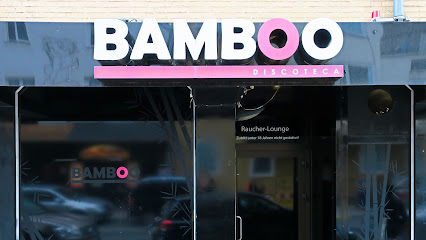
Havana Club Steintor - Hannover
0.6 km
Discover the energetic nightlife of Hannover at Havana Club Steintor, where vibrant music meets a lively crowd for an unforgettable experience.
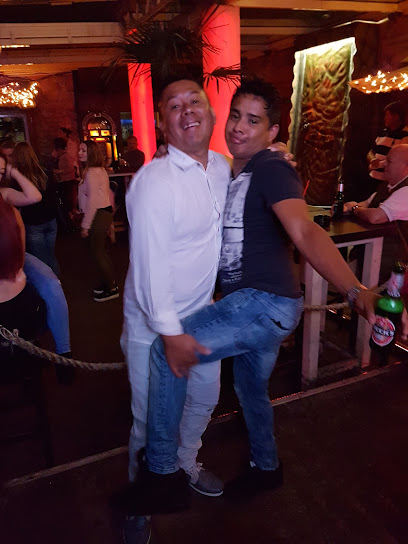
Kiez Club
0.6 km
Experience the vibrant nightlife at Kiez Club in Hanover, where electrifying music and an energetic atmosphere come together for unforgettable nights.
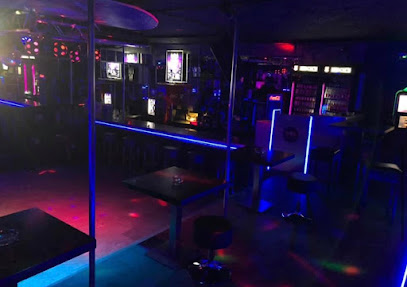
Glitzerkeller
0.6 km
Experience Hanover's vibrant nightlife at Glitzerkeller, where music, dancing, and unforgettable memories await every night of the week.
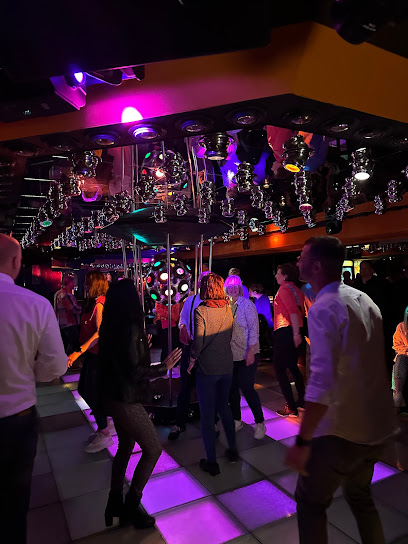
California club hannover steintor
0.6 km
Experience the vibrant nightlife of Hanover at California Club, a premier disco club and bar for unforgettable late-night adventures.
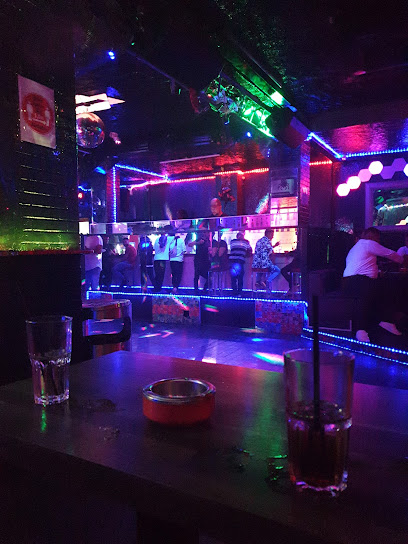
Sansibar Hannover GmbH
0.6 km
Immerse yourself in Hanover's nightlife at Sansibar, the ultimate disco club and bar experience with electrifying music and vibrant ambiance.