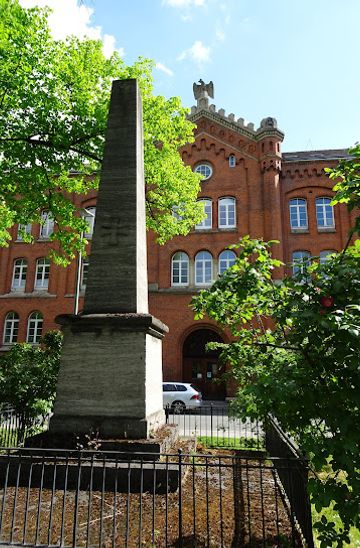
Kriegerdenkmal: A Silent Witness to History
Reflect on Hannover's history at the Kriegerdenkmal on Welfenplatz, a place of remembrance and contemplation amidst a vibrant urban setting.
The Kriegerdenkmal (War Memorial) in Hannover stands as a solemn reminder of the past, located on Welfenplatz in the Vahrenwald-List district. This historical landmark serves as a poignant tribute to those who lost their lives in past conflicts. While the original monument has been lost to time, the site remains a place for reflection and remembrance. Situated in a green space, it offers a quiet escape from the city's bustle, inviting visitors to contemplate the impact of war and the importance of peace. The surrounding area, Welfenplatz, adds to the experience with its own history as a former military training ground, now transformed into a park enjoyed by locals and tourists alike. The Kriegerdenkmal, though altered, continues to be a significant historical touchpoint within Hannover.
A brief summary to Kriegerdenkmal
- Am Welfenpl. 1A, Hanover, Vahrenwald-List, 30161, DE

Know before you go
Hi, I'm Eve. Here are a few practical things to know before exploring Kriegerdenkmal.
- Take a moment for quiet reflection on the history of the site and the impact of war.
- Explore the surrounding Welfenplatz, a former military training ground turned public park.
- Visit the nearby bunker, now a graffiti hotspot and bat habitat, for a unique urban experience.
Do you manage this location?
Take control to get all the benefits, like improved information, better appearance, and stronger visibility across AI-powered discovery. Learn more
Activate your presence

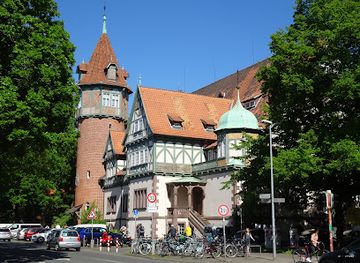
Getting There
-
Public Transport
From Hannover Hauptbahnhof (main train station), take the U-Bahn lines 3, 7, or 9 towards Altwarmbüchen/Fasanenkrug/Nordhafen. Get off at the Welfenplatz station. The Kriegerdenkmal is a short walk from the station, located on Welfenplatz. A single ride ticket costs approximately €3.00.
-
Walking
From Lister Meile, a popular pedestrian zone, head northeast towards Welfenplatz. The walk is approximately 15-20 minutes. Follow Celler Straße, then turn onto Am Welfenplatz. The Kriegerdenkmal will be on your left as you enter the park.
-
Taxi/Ride-Share
A taxi or ride-share from Hannover Hauptbahnhof to Kriegerdenkmal will cost approximately €10-€15, depending on traffic. The journey takes around 10 minutes. Simply provide the address Am Welfenplatz 1A, 30161 Hannover to the driver.
Discover more about Kriegerdenkmal
Explore the best of what Kriegerdenkmal has to offer













More about Hannover
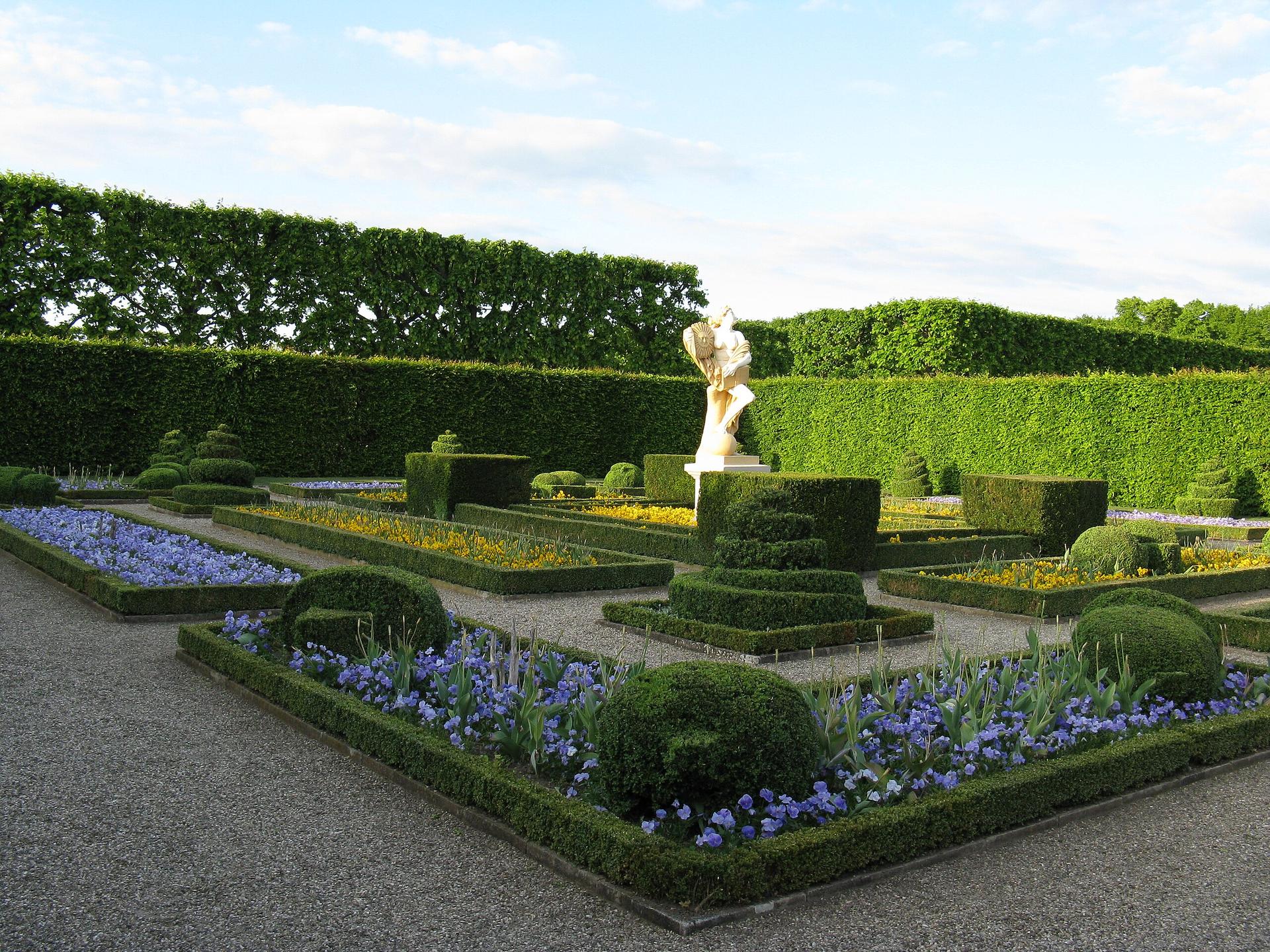
Discover Hannover: A charming blend of history, culture, and nature in the heart of Lower Saxony, perfect for travelers seeking a unique and enriching experience.
Tell me more about Hannover
Discover the serene beauty of Sperlingslust, a hidden garden oasis in Hannover, perfect for relaxation and nature lovers seeking tranquility.

Discover the Markuskirche in Hannover: A historic neo-Romanesque church with stunning mosaics, vibrant cultural events, and a welcoming community in the heart of the city.