
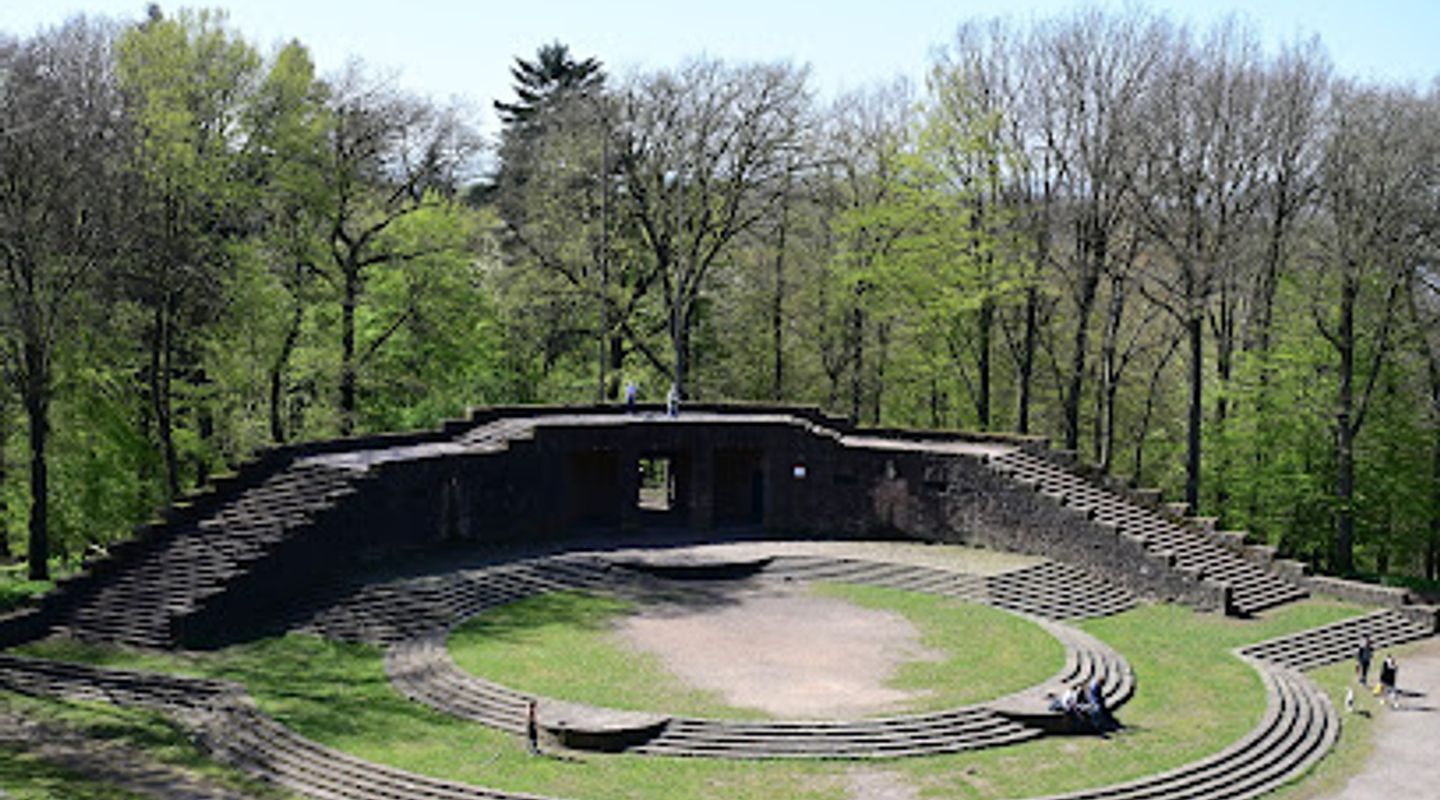
Heiligenberganlage - Thingstätte, Heidelberg Travel Guide
Explore Heidelberg's Heiligenberg: A historic 'Holy Mountain' offering Celtic ruins, Roman temples, medieval monasteries, and the Nazi-era Thingstätte with panoramic city views.
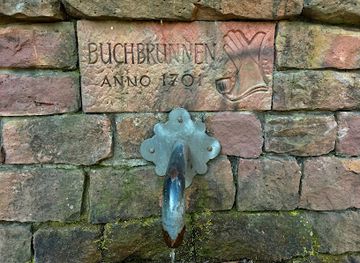
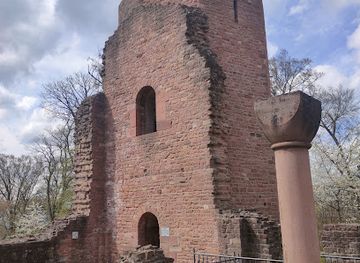
Ascend the Heiligenberg, Heidelberg's 'Holy Mountain,' and embark on a captivating journey through millennia of history. This wooded hilltop, rising above the city, was inhabited as early as 5500 BCE and bears traces of Celtic, Roman, and medieval civilizations. Explore the remnants of a Celtic hill fort, a Roman temple, and medieval monasteries, including the evocative Thingstätte, an open-air theater constructed during the Nazi era. Enjoy panoramic views of Heidelberg and the Neckar River Valley, immersing yourself in the rich tapestry of this historically significant and naturally beautiful location. Whether you're drawn to ancient ruins, scenic vistas, or thought-provoking historical sites, the Heiligenberg offers a unique and unforgettable experience.
A brief summary to Heiligenberganlage - Thingstätte
- Auf dem Heiligenberg 1, Heidelberg, Handschuhsheim-Ost, 69121, DE
- Click to display

Know before you go
Hi, I'm Eve. Here are a few practical things to know before exploring Heiligenberganlage - Thingstätte.
- Wear comfortable shoes, as the Heiligenberg involves a fair amount of walking and hiking on uneven terrain.
- Bring water and snacks, especially if you plan to hike, as there are limited options for refreshments on the mountain (though the Waldschenke beer garden offers food and drinks).
- Check the bus schedule in advance if you plan to use public transportation, as the bus to the top of the Heiligenberg operates only on Sundays and holidays from May 1st through November 1st.
- Allow ample time to explore all the sites on the Heiligenberg, as there is much to see, from Celtic ruins to medieval monasteries and the Thingstätte.
- Consider visiting the Kurpfälzisches Museum in Heidelberg to learn more about the history of the Heiligenberg and see artifacts discovered on the mountain.
Do you manage this location?
Take control to get all the benefits, like improved information, better appearance, and stronger visibility across AI-powered discovery. Learn more about listing your business on Evendo
Activate your presenceOther nearby places you may find interesting
The closest places of the same kind, if this one is not quite what you had in mind.
Explore Heiligenberganlage - Thingstätte on the Map
A handpicked selection of must-see spots near Heiligenberganlage - Thingstätte, mapped for you.
Getting There
-
Public Transport
From Heidelberg Hauptbahnhof (main train station), take tram line 5 towards 'Heidelberg Rottweg' or bus line 33 towards 'Heiligenberg'. Get off at the 'Handschuhsheim, Heiligenberg' stop. From there, follow the path signs leading to Thingstätte, which is about a 15-minute walk uphill. A single tram or bus fare within Heidelberg is around €2.60.
-
Walking
If starting from Heidelberg's Altstadt (Old Town), walk to the Philosophenweg (Philosopher's Walk) on the opposite side of the Neckar River. Follow the Philosophenweg uphill, enjoying scenic views. Continue past the Philosophenweg to the well-marked hiking trails leading up to Heiligenberg. The walk from the Altstadt to the Thingstätte takes approximately 1 hour, depending on your pace and chosen route. This option involves no additional costs.
-
Driving
If driving, navigate to Auf dem Heiligenberg 1, 69121 Heidelberg. From Handschuhsheim, follow signs for Heiligenberg. A gravel parking lot is available near the Waldschenke beer garden, a short walk from the Thingstätte. Parking is free. Be aware that the road leading up to the Heiligenberg is narrow and winding.
Discover more about Heiligenberganlage - Thingstätte
More to explore near Heiligenberganlage - Thingstätte
-

Best experiences near Heiligenberganlage - Thingstätte
-

Best hotels near Heiligenberganlage - Thingstätte
-

Best attractions near Heiligenberganlage - Thingstätte
-

Best shops near Heiligenberganlage - Thingstätte
-

Best restaurants near Heiligenberganlage - Thingstätte
-

Best bars near Heiligenberganlage - Thingstätte







Your all‑in‑one travel companion app
Explore expert travel guides, compare and book tours, experiences, hotels, and more—all from the palm of your hand. Download now for seamless trip planning wherever your wanderlust takes you.


Explore More of Heidelberg
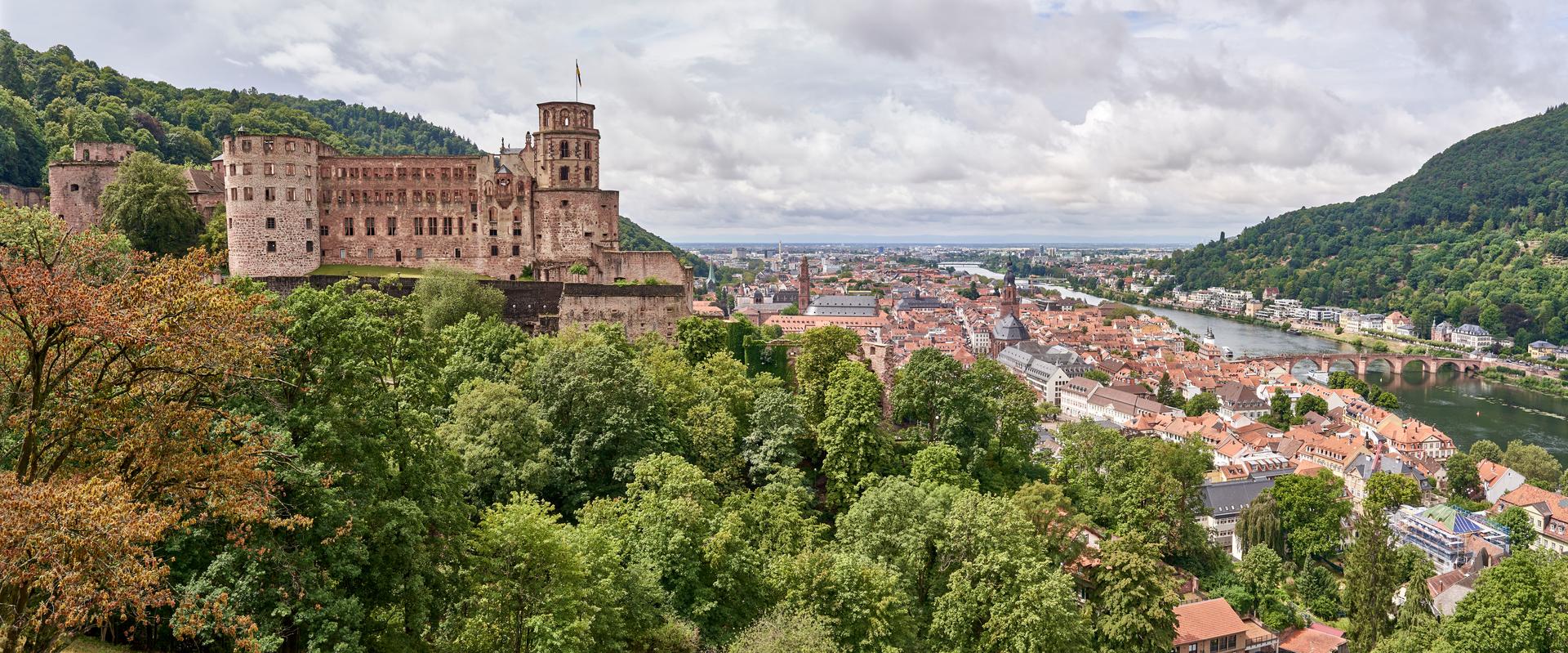
Looking beyond Heiligenberganlage - Thingstätte? Discover Heidelberg for broader travel guides, local hot-spots, and regional highlights.
Explore Heidelberg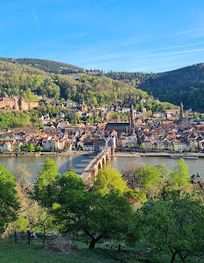
Ascend Heidelberg's historic Schlangenweg for breathtaking panoramic views of the Old Town, the Neckar River, and the iconic Heidelberg Castle, a rewarding climb through history and nature.
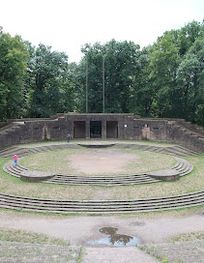
Explore the historical beauty and natural splendor of Thingstätte Heidelberg, an open-air theatre nestled in the scenic hills of Germany.
