

Frankfurter Römer Travel Guide
Free Guide: Discover the Frankfurter Römer, Frankfurt's historic city hall, a symbol of imperial power and civic pride, nestled in the heart of the vibrant Römerberg square, a must-see destination.


A brief summary of Frankfurter Römer
Discover the Frankfurter Römer, Frankfurt's historic city hall, a symbol of imperial power and civic pride, nestled in the heart of the vibrant Römerberg square, a must-see destination.
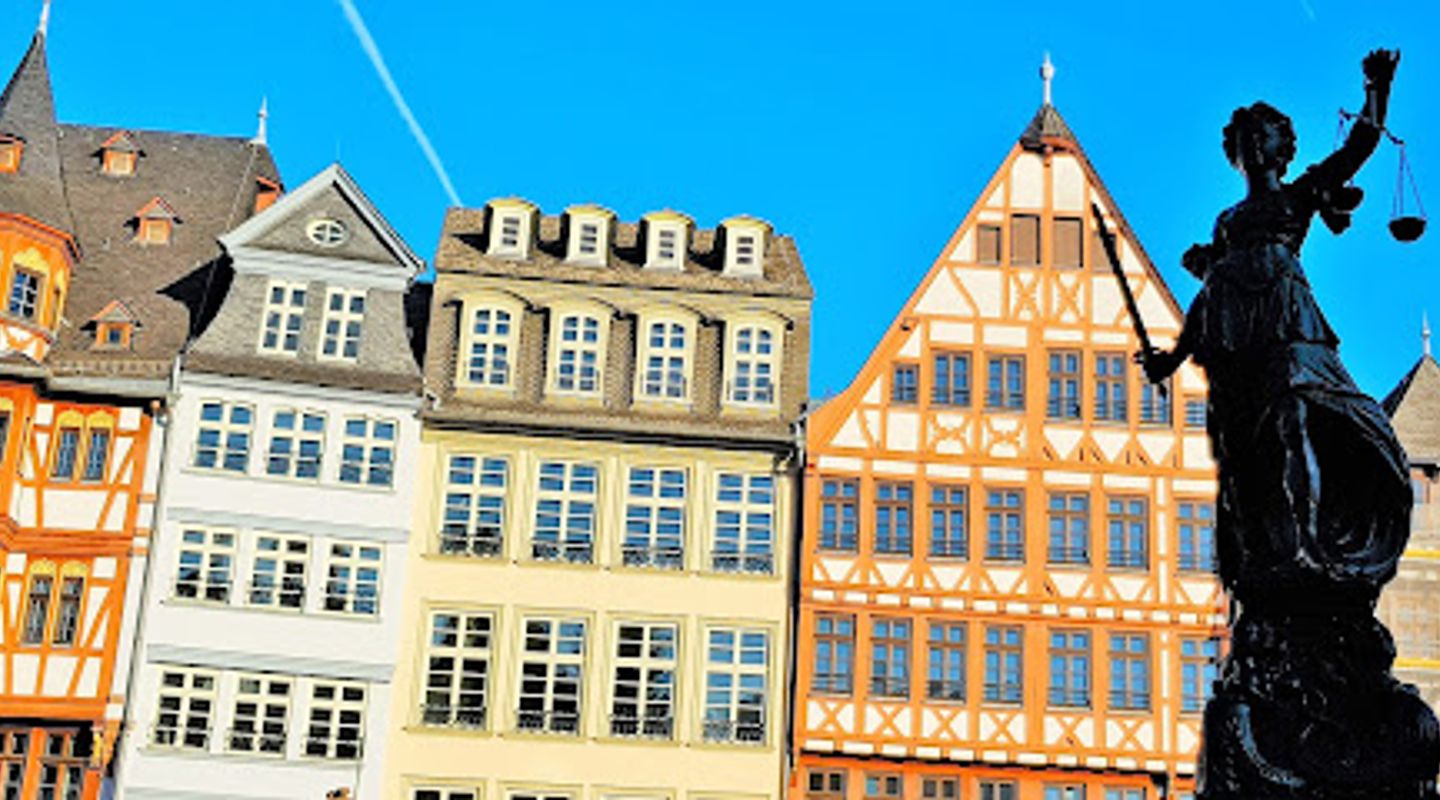
The Frankfurter Römer, a complex of nine houses forming Frankfurt's city hall, stands as a powerful symbol of the city's rich history and enduring civic pride. Located in the heart of Frankfurt's old town, the Römerberg, this iconic landmark has witnessed centuries of coronations, trade fairs, and pivotal moments in German history. Its distinctive facade, with the stepped gables and the balcony from which emperors were once greeted, draws visitors from around the globe. More than just a pretty face, the Römer remains the seat of Frankfurt's city government, blending historical significance with modern administrative function. Explore the surrounding Römerberg square, a vibrant hub filled with charming shops, traditional restaurants, and other historical buildings, creating an unforgettable experience for anyone seeking to immerse themselves in Frankfurt's captivating past and present.
Opening hours
- Every dayOpen 24 hours
Opening hours as listed on the venue’s Google Business Profile. Hours can change for services and special events, so check with the venue before you go.
- Address
- Römerberg 23, 60311 Frankfurt am Main
- Phone
- Website
Getting there
Walking
Public Transport
Taxi/Ride-Share
Discover more about Frankfurter Römer
Overview
The Frankfurter Römer, more than just a building, is a living chronicle of Frankfurt's evolution. For over 600 years, this iconic structure has served as the city hall, witnessing countless historical events and shaping the very identity of Frankfurt. Its story is interwoven with the rise of the Holy Roman Empire, the bustling trade fairs that defined Frankfurt's economic prowess, and the resilience of a city that has repeatedly rebuilt itself from the ashes of war. Originally a complex of two patrician houses, the 'Römer' and the 'Goldener Schwan' (Golden Swan), were purchased by the city council in 1405. Over time, additional buildings were acquired, eventually forming the nine houses that comprise the Römer we see today. The name 'Römer,' meaning 'Roman,' likely derives from its association with Roman traders who frequented the area during the Frankfurt trade fairs. These fairs, dating back to the 12th century, transformed Frankfurt into a major commercial center, attracting merchants from across Europe and beyond. The Römer served as a central hub for these activities, hosting visiting dignitaries and facilitating trade negotiations. The Wahlzimmer (election room) and the Kaisersaal (Emperor's Hall) are two of the most significant rooms within the Römer. The Wahlzimmer was where the Holy Roman Emperors were elected, a tradition that solidified Frankfurt's political importance. The Kaisersaal, once used as a ballroom, is adorned with portraits of the emperors, offering a glimpse into the grandeur and ceremony that once characterized imperial Frankfurt. These rooms are not merely historical relics; they are tangible reminders of the city's central role in shaping the course of European history. The Römerberg, the square in front of the Römer, is equally significant. This bustling plaza has been the site of countless public gatherings, celebrations, and unfortunately, also tragedies. Coronations of Holy Roman Emperors were traditionally held here, with elaborate processions and festivities filling the square. The Justice Fountain (Justitiabrunnen), located in the heart of the Römerberg, symbolizes the city's commitment to justice and fairness. During the Christmas season, the Römerberg transforms into a magical Christmas market, attracting millions of visitors each year with its festive atmosphere, traditional crafts, and culinary delights. Throughout its history, the Römer has faced numerous challenges, including fires, wars, and economic downturns. The most devastating blow came during World War II, when Frankfurt was heavily bombed, and the Römer was severely damaged. However, the city's determination to rebuild its historical heart was unwavering. The Römer was painstakingly reconstructed, preserving its original architectural features while incorporating modern amenities. This act of restoration symbolizes Frankfurt's resilience and its commitment to preserving its cultural heritage for future generations. Visiting the Römer today is like stepping back in time. The intricate details of the facade, the grandeur of the Kaisersaal, and the vibrant atmosphere of the Römerberg all contribute to an unforgettable experience. Guided tours offer insights into the Römer's history and significance, while the surrounding shops and restaurants provide a taste of modern Frankfurt. Whether you are a history buff, an architecture enthusiast, or simply a curious traveler, the Frankfurter Römer is a must-see destination that will leave you with a lasting appreciation for this remarkable city. Beyond the main attractions, the area surrounding the Römer offers a wealth of historical and cultural experiences. The Museumsufer, a collection of museums along the Main River, is within easy walking distance, showcasing everything from art and architecture to film and communication. The Frankfurt Cathedral, another iconic landmark, is just a short stroll away, offering stunning views from its tower. The Kleinmarkthalle, a vibrant indoor market, is a great place to sample local delicacies and experience the city's culinary scene. The Römer's enduring appeal lies in its ability to connect the past with the present. It is not just a museum piece; it is a living, breathing part of Frankfurt's identity. As you stand in the Römerberg, surrounded by centuries of history, you can feel the pulse of the city and appreciate the rich tapestry of events that have shaped its character. The Frankfurter Römer is a testament to the power of history, the resilience of the human spirit, and the enduring allure of a city that has always been at the crossroads of Europe.
Evendo Review Centre
 Google
Guest reviews
Explore Frankfurter Römer on the map
A handpicked selection of must-see spots near Frankfurter Römer, mapped for you.
Get your free copy of our complete guide to Frankfurter Römer, delivered straight to you.
Everything on this page, from opening hours and how to get there to Eve’s tips and the best time to go, in one PDF you can read offline, print or share.
Already have an account? Sign in
Your Frankfurter Römer guide is ready.
We'll send it to · Not you? Sign out

Getting your guide ready…
We are putting together a fresh copy of the Frankfurter Römer guide. This can take up to a minute.
This can take a few moments. If your browser asks, choose Allow so the download can start. You'll find the guide in your Downloads folder.
Nothing happened? Download it again
Sorry, the guide is taking longer than usual. Please try again in a minute, or get it by email instead.
Unlock the best of Frankfurter Römer
Skip-the-line tickets, guided tours with entry, and walking tours of the area, booked in a few clicks.
 Tour with entry
Frankfurt highlights and New Old Town walking tour
from $19.74 Tour with entry
Frankfurt at your feet Discover the financial capital with experts
from $192.10 Tour with entry
Frankfurt Half Day Tour with Main Tower Entry and Old Town Walk
from $330.65 Tour with entry
Frankfurt Family-Friendly Historical Walking Tour
from $388.79


Other nearby places you may find interesting
The closest places of the same kind, if this one is not quite what you had in mind.
-
-

-
-
-


Swipe for more places
More to explore near Frankfurter Römer

 Best experiences near Frankfurter Römer
 Best hotels near Frankfurter Römer
 Best landmarks near Frankfurter Römer
 Best attractions near Frankfurter Römer
 Best shops near Frankfurter Römer
 Best restaurants near Frankfurter Römer
 Best bars near Frankfurter Römer
Do you manage this location?
Take control to get all the benefits, like improved information, better appearance, and stronger visibility across AI-powered discovery.
Explore more

Explore more of Hesse
Discover Hesse: A blend of historical charm, natural beauty, and cultural richness in the heart of Germany.
Explore Hesse
Explore more of Germany
Experience Germany: where history meets innovation, and urban energy blends with natural beauty. Discover diverse cultures, delicious cuisine, and stunning landscapes.
Explore Germany
