Iron Tower, Hunsruck Travel Guide
Explore the Iron Tower in Mainz, a medieval landmark transformed into a vibrant art space, showcasing centuries of history and contemporary creativity on the bustling Rheinstraße.
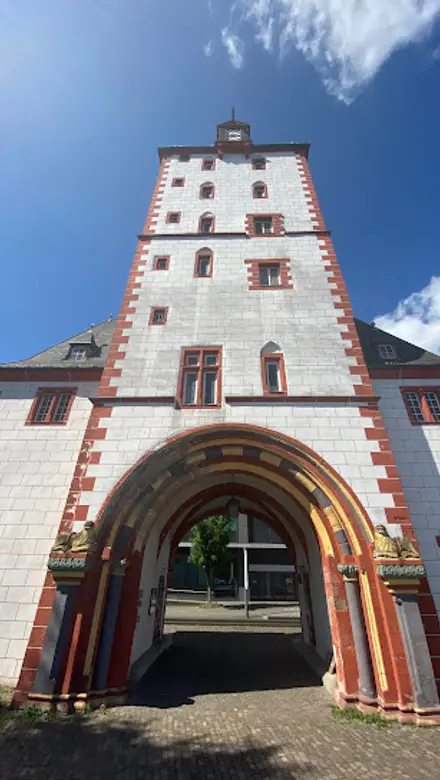
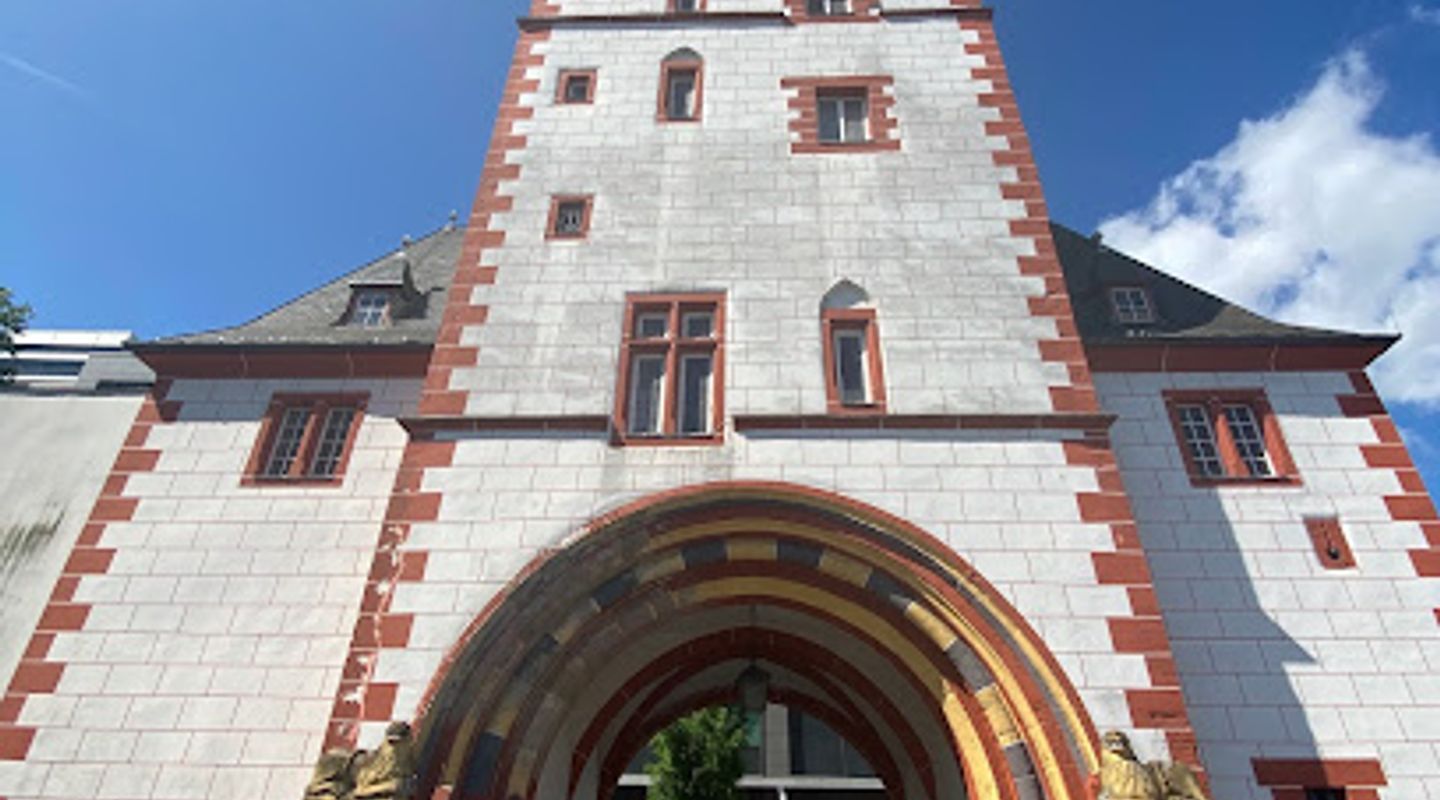
The Iron Tower (Eisenturm) in Mainz is a captivating medieval tower, a remnant of the city's historic fortifications. Dating back to the early 13th century and modified in the 15th, it stands as one of only three remaining towers from the original 34 that once guarded the city. Its name originates from the bustling iron market (Eisenmarkt) that thrived nearby for centuries. Over the years, the tower has served various roles, from a watchtower and city gate to a military prison, and now as a unique venue for art exhibitions. Located on Rheinstraße, between the modern town hall and the Am Brand shopping center, the Iron Tower exudes medieval charm, offering visitors a glimpse into Mainz's rich past and vibrant present. Today, it houses the Mainz Iron Tower Art Association, hosting contemporary art exhibitions within its historic walls, making it a compelling stop for history buffs and art enthusiasts alike.
A brief summary to Iron Tower
- Rheinstraße 59, Mainz, 55116, DE

Know before you go
Hi, I'm Eve. Here are a few practical things to know before exploring Iron Tower.
- Check the Kunstverein Eisenturm Mainz website for current art exhibition schedules and opening hours before your visit.
- Combine your visit with a walk along Rheinstraße to explore other historical sites and the Mainz city center.
- Visit during the European Heritage Days for potential special access or events at the Iron Tower.
Do you manage this location?
Take control to get all the benefits, like improved information, better appearance, and stronger visibility across AI-powered discovery. Learn more about listing your business on Evendo
Activate your presenceOther nearby places you may find interesting
The closest places of the same kind, if this one is not quite what you had in mind.
Explore Iron Tower on the Map
A handpicked selection of must-see spots near Iron Tower, mapped for you.
Getting There
-
Walking
From Mainz Römisches Theater train station, walk north along the street, turn left onto Rheinstraße. Continue for about 600m, passing the Rheingoldhalle/Rathaus. The Iron Tower will be on your right. This is approximately a 10-15 minute walk. Alternatively, from the Mainz Cathedral, walk east along Domstraße, then turn right onto Rheinstraße. The Iron Tower will be on your left after a few blocks.
-
Public Transport
Several bus lines stop near the Iron Tower. Take bus lines 6, 54, 56, 60, 70, or 80 to the 'Rheingoldhalle/Rathaus' stop. From there, walk a short distance east along Rheinstraße; the Iron Tower will be on your right. A single bus fare within Mainz is approximately €2.80.
-
Taxi/Ride-Share
A taxi or ride-share from Mainz Hauptbahnhof (main train station) to the Iron Tower will take approximately 5-10 minutes, depending on traffic. Expect to pay around €8-€12. Be sure to specify the 'Eisenturm on Rheinstraße' as your destination.
-
Driving
If driving, navigate to Rheinstraße 59, 55116 Mainz. Parking is available in the 'Parkhaus Rathaus' directly on Rheinstraße, very close to the Iron Tower. Other nearby parking garages include 'Parkhaus Brand' and 'Rheinufergarage'. Parking fees typically range from €2.50 to €3.50 per hour, with daily maximums around €20-€25. Be aware that street parking is limited and may have time restrictions.
Discover more about Iron Tower













Your all‑in‑one travel companion app
Explore expert travel guides, compare and book tours, experiences, hotels, and more—all from the palm of your hand. Download now for seamless trip planning wherever your wanderlust takes you.


Explore More of Hunsruck
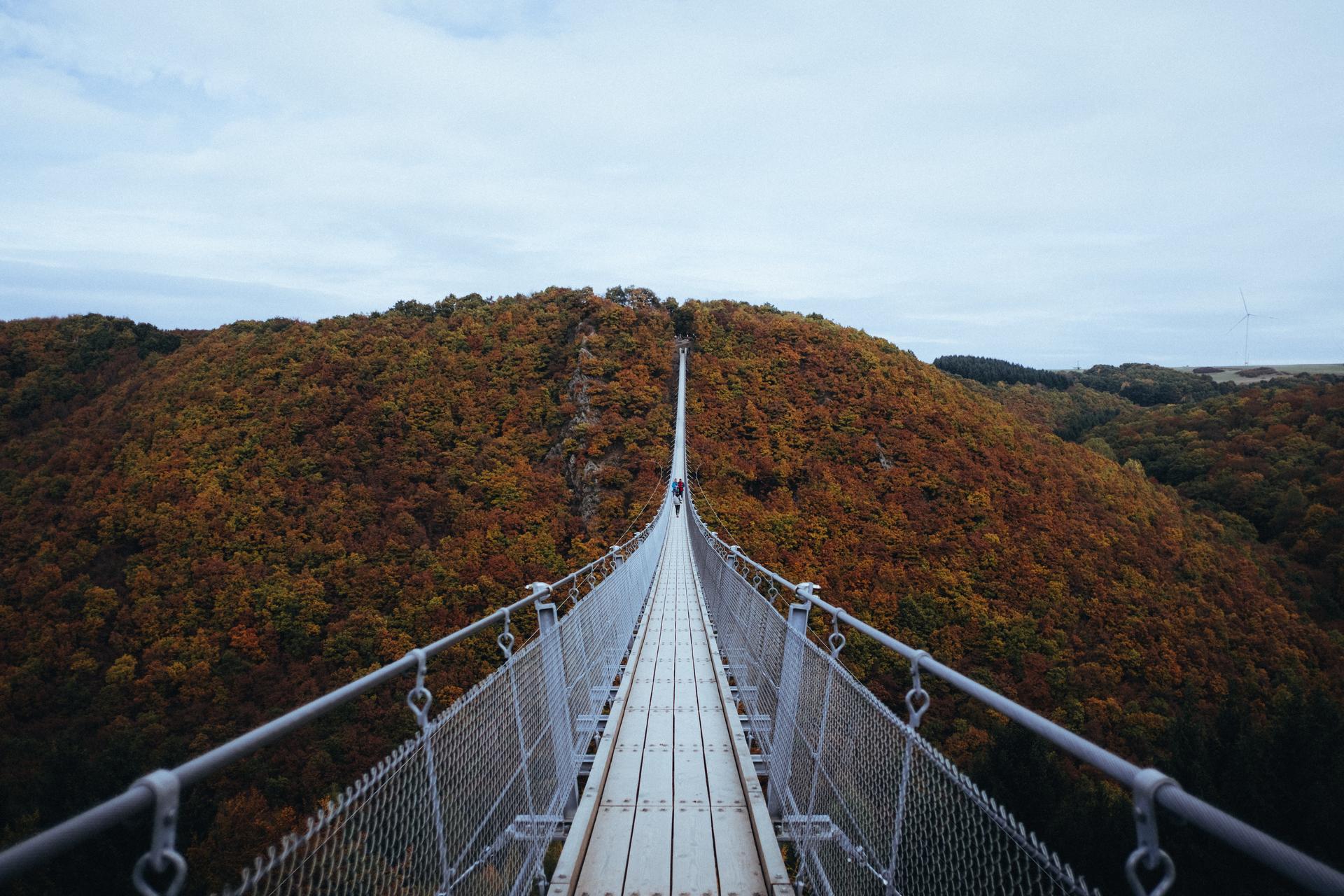
Looking beyond Iron Tower? Discover Hunsruck for broader travel guides, local hot-spots, and regional highlights.
Explore Hunsruck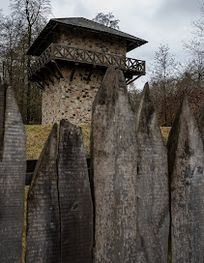
Discover the Roman Watchtower in Taunusstein, a stunning historical landmark offering breathtaking views and a glimpse into ancient Roman heritage.
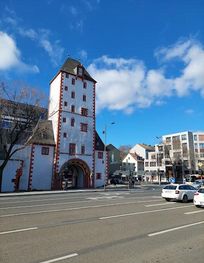
Discover the historical charm of Eisenturm in Mainz, a majestic tower that narrates the city's fascinating past through its impressive architecture.