Liebfrauenkirche: A Koblenz Landmark
Discover the architectural harmony of Koblenz's Liebfrauenkirche, a historic church blending Romanesque, Gothic, and Baroque styles in the heart of the Altstadt, showcasing stunning stained glass.
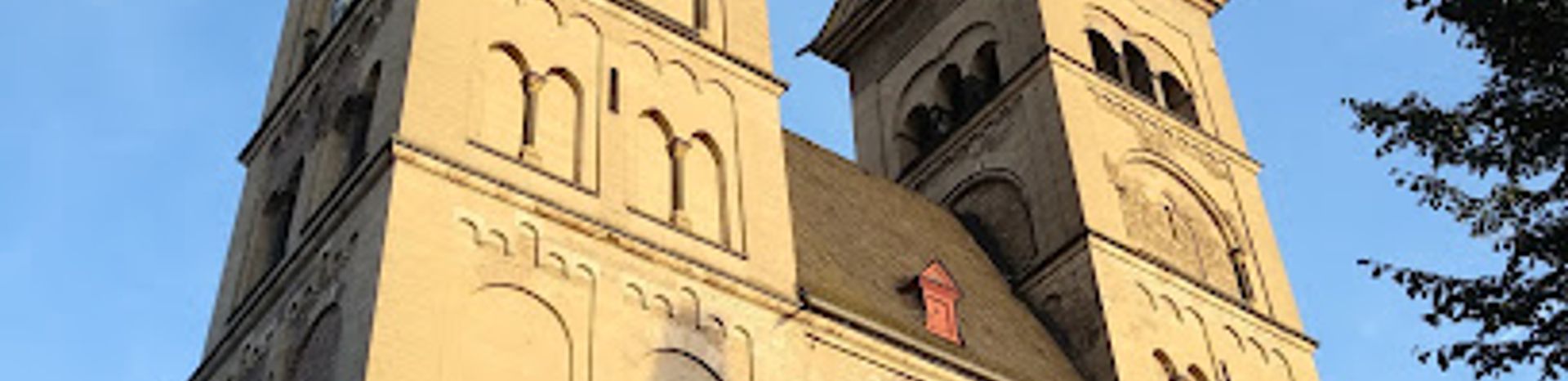
The Liebfrauenkirche, or Church of Our Lady, is a prominent Catholic church in the heart of Koblenz's Altstadt (Old Town). Its history stretches back to the 5th century, with significant construction phases spanning Romanesque, Gothic, and Baroque styles. The church's most distinctive features are its Baroque onion-domed towers, affectionately known as "Zwewwelstärm" (onion towers) by locals. Inside, visitors can admire the harmonious blend of architectural styles, stained glass windows, and painted vaulting. Serving as the main parish church for centuries, Liebfrauenkirche stands as a testament to Koblenz's rich religious and architectural heritage, offering a serene and awe-inspiring experience for all who visit.
A brief summary to Liebfrauenkirche (Church of Our Lady)
- An d. Liebfrauenkirche 16, Koblenz, Altstadt, 56068, DE
- +4926131550
- Visit website
Local tips
- Attend a "Musik zur Marktzeit" concert on Saturdays for a free musical experience in the church.
- Take time to admire the stained-glass windows, especially the choir windows depicting "Women in Salvation History."
- Climb the towers for panoramic views of Koblenz and the surrounding area (check for availability and opening times).

Getting There
-
Walking
Liebfrauenkirche is centrally located in Koblenz's Altstadt and is easily accessible on foot from most points within the Old Town. From the Zentralplatz/Forum, walk north along Löhrstraße, then turn left onto Am Plan. Continue straight, passing under the archway at the northeastern corner of Am Plan, and the church will be directly ahead. The walk is approximately 5 minutes. No costs are associated with this approach.
-
Public Transport
If arriving by bus from other parts of Koblenz, the closest bus stop is Zentralplatz/Forum. From there, follow the walking directions above. A single bus fare within Koblenz costs approximately €2.60. Alternatively, some hotels offer a Koblenz Card, which includes free bus travel within the city for 24 hours for €11.00.
-
Taxi/Ride-Share
A taxi or ride-share from Koblenz Hauptbahnhof (main train station) to Liebfrauenkirche will cost approximately €8-€12, depending on traffic. The journey takes around 5-10 minutes. Ask the driver to drop you off near Am Plan, as the area directly around the church is pedestrianized.
-
Driving
If driving, navigate to a parking garage near the Altstadt, such as the Parkhaus am Schloss or the Parkhaus Zentrum. From there, follow the walking directions above. Parking fees typically range from €1.50 to €2.50 per hour. Be aware that parking in the Altstadt can be limited, especially during peak tourist season.
Discover more about Liebfrauenkirche (Church of Our Lady)
Iconic landmarks you can’t miss

Familienbrunnen (Brunnen der Generationen), Koblenz - Rudi Scheuermann (1980)
0.0 km
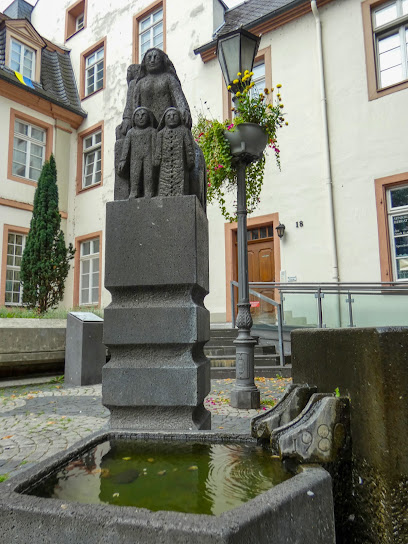
Discover Koblenz's captivating history etched in stone at the Familienbrunnen, a generational fountain narrating the city's evolution from Roman times to the present day, nestled near the iconic Liebfrauenkirche.
Altstadt Koblenz
0.1 km
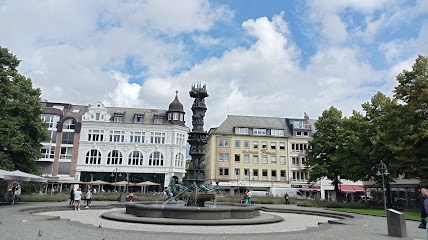
Explore the historic heart of Koblenz, where Roman roots meet medieval charm at the confluence of the Rhine and Moselle, offering a captivating journey through time.
Barmherzige Brüder von Maria-Hilf - Peter Friedhofen Haus
0.1 km
Discover a serene sanctuary in Koblenz's Old Town at the Peter Friedhofen Haus, a historic monastery offering tranquility, reflection, and a glimpse into the Barmherzige Brüder's enduring legacy.
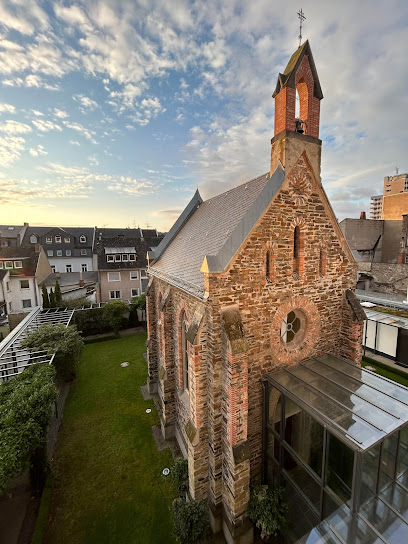
Brunnen zur Stadtentwicklung, Koblenz - Willi Heinzen (1992)
0.1 km
A modern fountain on historic Münzplatz, symbolizing Koblenz's rich history and ongoing evolution, surrounded by Altstadt charm and vibrant city life.
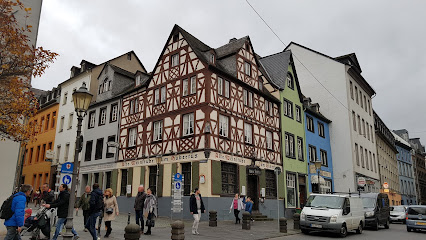
Münzpl.
0.1 km
Discover Münzplatz in Koblenz: where history comes alive in a vibrant square, surrounded by Baroque architecture, charming alleyways, and the echoes of electoral coinage.
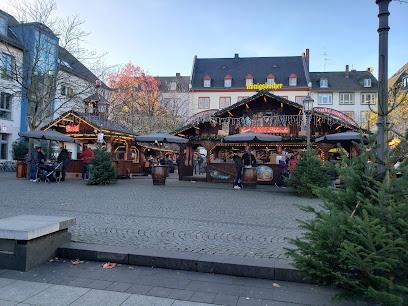
Jesuitenpl.
0.2 km
Discover Jesuitenplatz in Koblenz: A historic square where the echoes of the Jesuit order resonate through stunning architecture and a vibrant cultural atmosphere in the heart of the Old Town.
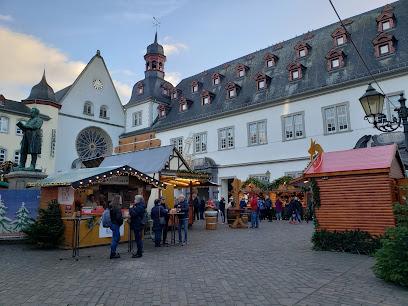
Stadtarchiv Koblenz
0.2 km
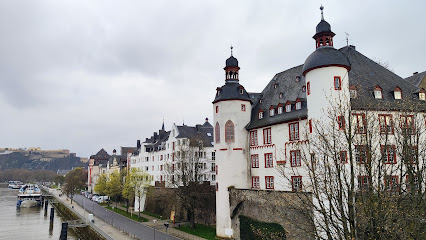
Delve into Koblenz's past at the City Archive, housed in the historic Alte Burg, offering a wealth of documents, maps, and photographs for researchers and history enthusiasts.
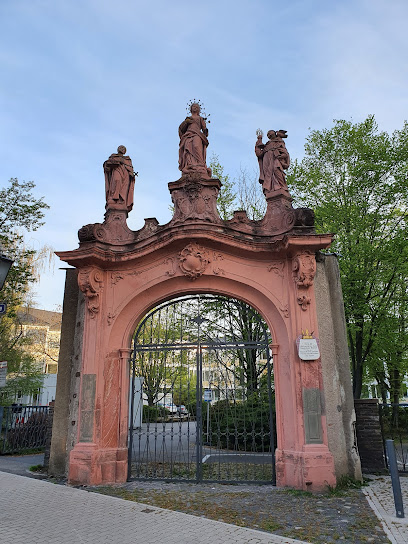
Portal des ehemaligen Dominikanerklosters
0.3 km
Discover the Portal of the Former Dominican Monastery in Koblenz: A historical gateway offering a glimpse into the city's rich past and the legacy of the Dominican order.
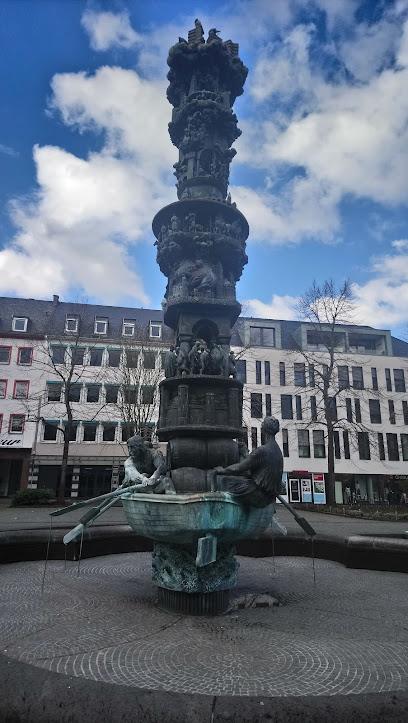
Josef-Görres-Platz
0.3 km
Experience the vibrant heart of Koblenz at Josef-Görres-Platz: a historic square where culture, architecture, and local life intertwine, offering an unforgettable glimpse into the city's soul.
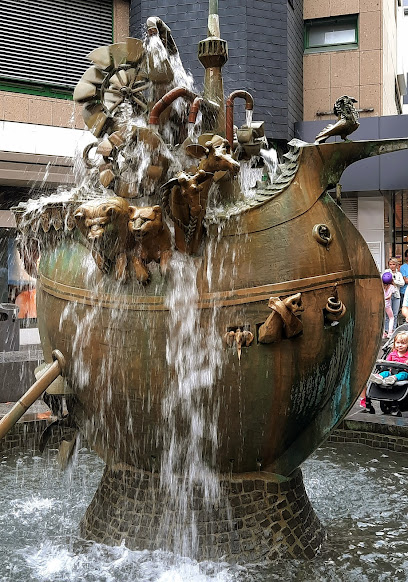
Erfinderbrunnen, Koblenz - Prof. Gernot Rumpf (1983)
0.4 km
Discover the Erfinderbrunnen in Koblenz, a whimsical fountain celebrating regional inventors with playful sculptures and dynamic water features in the heart of the city's bustling Fischelpassage.
Clemensbrunnen, Koblenz - Clemens Wenzeslaus von Sachsen (1791)
0.4 km
Discover the Clemensbrunnen in Koblenz: a historic fountain honoring Clemens Wenzeslaus, reflecting the city's rich electoral past and architectural beauty.
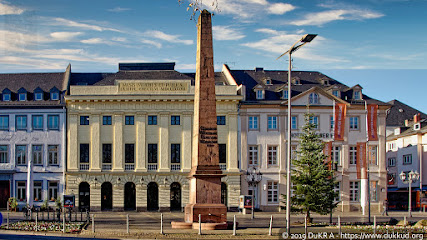
Richter spielgeräte GmbH
0.5 km
Explore the innovative world of playground design at Richter spielgeräte GmbH, a unique tourist attraction in the charming Altstadt of Koblenz.

Peter-Altmeier-Denkmal
0.5 km
Honoring Peter Altmeier, the influential Minister-President of Rhineland-Palatinate, this monument symbolizes regional unity and post-war reconciliation near Deutsches Eck in Koblenz.
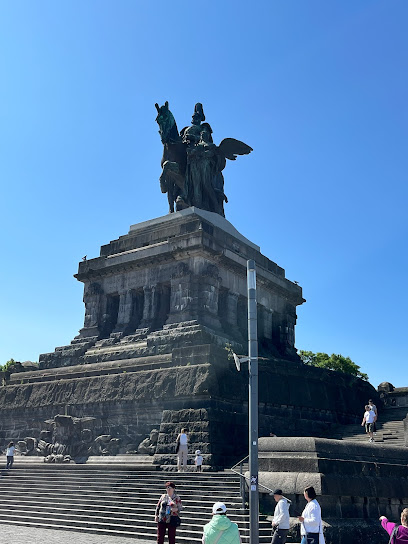
Mahnmal für die Opfer des Nationalsozialismus in Koblenz
0.6 km
A poignant memorial in Koblenz honoring the victims of National Socialism, urging reflection on the past and commitment to a future of tolerance and justice for all.
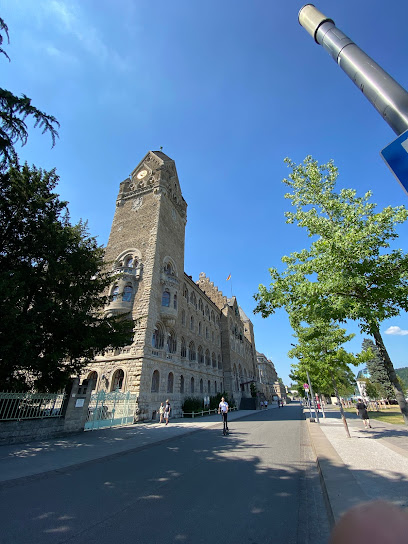
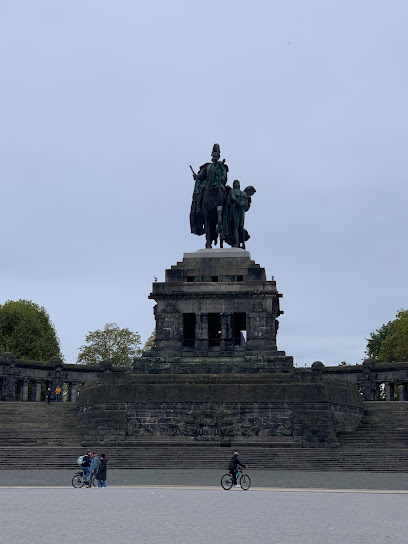
Denkmal der deutschen Einheit
0.7 km
Witness the confluence of history and rivers at the Denkmal der Deutschen Einheit in Koblenz, a powerful symbol of German unity and resilience at the Deutsches Eck.
Unmissable attractions to see

Denkmal- Engel der Kulturen
0.0 km
Explore the Engel der Kulturen in Koblenz, a stunning monument that celebrates cultural harmony and invites reflection amidst scenic beauty.
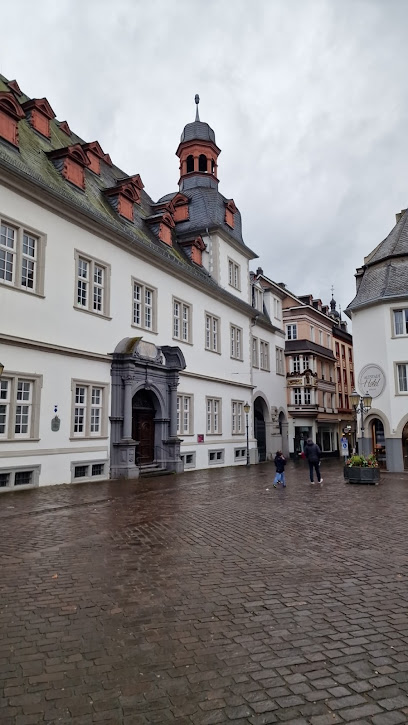
Brunnen
0.1 km
Explore the enchanting Brunnen in Koblenz, a stunning fountain surrounded by historic charm and vibrant local culture.
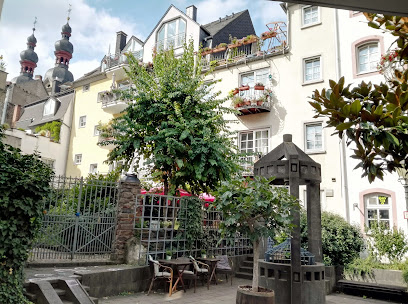
Münzplatz
0.1 km
Experience the historical charm of Münzplatz, a vibrant town square in Koblenz, Germany, surrounded by culture, markets, and stunning architecture.
4 Towers (Oriel Windows)
0.1 km
Explore the stunning 4 Towers in Koblenz, an architectural marvel showcasing the city’s rich history and unique styles.
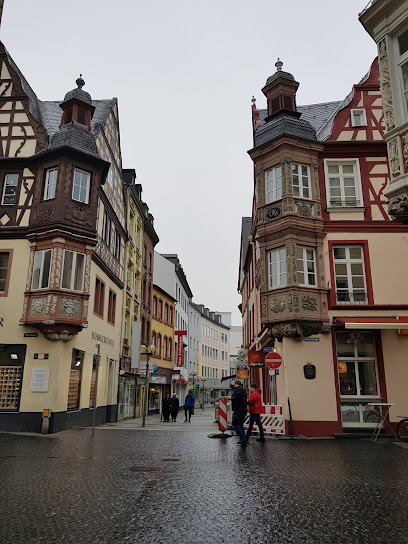
Denkmalzone „Vier Türme“
0.1 km
Discover the historical charm of Denkmalzone „Vier Türme“, a serene memorial park in Koblenz featuring iconic towers and beautiful gardens.
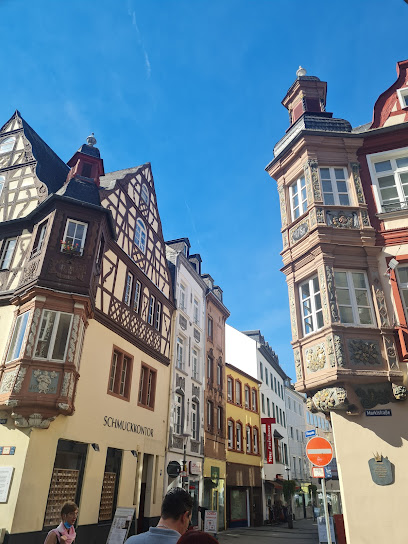
Florinskirche
0.1 km
Explore the stunning Florinskirche in Koblenz, a remarkable Evangelical church showcasing rich history and breathtaking architecture in a vibrant market square.
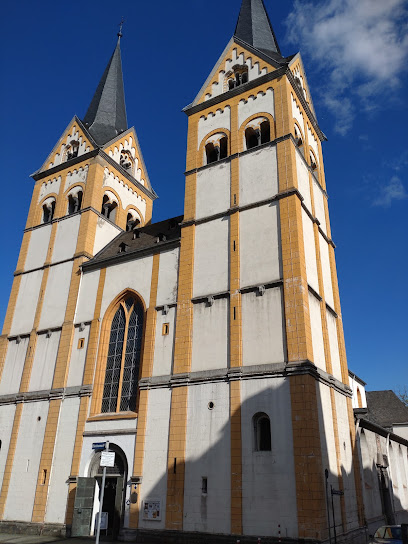
Leben und Zeit Mural
0.1 km
Explore the Leben und Zeit Mural in Koblenz – a vibrant blend of art and history reflecting the essence of time and life.
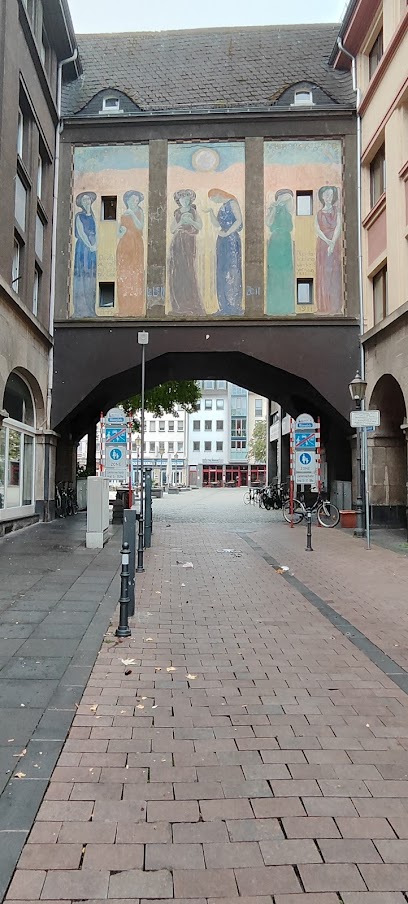
Schängel Fountain
0.2 km
Discover the charm of Koblenz at the Schängel Fountain, a stunning representation of art and culture in a vibrant city square.
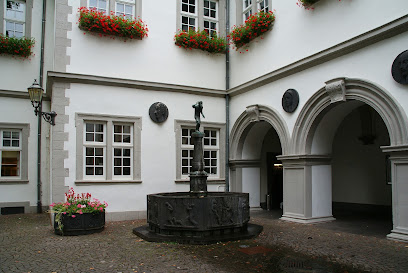
Johannes-Müller-Denkmal in Koblenz
0.2 km
Discover the Johann Müller Memorial in Koblenz, a serene tribute to history in the heart of the city’s vibrant Altstadt.
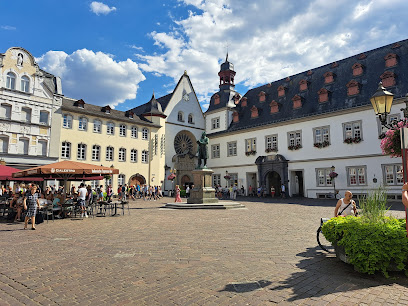
Springbrunnen, Koblenz - Tiefgarten Alte Burg
0.2 km
Experience the tranquil beauty of Springbrunnen in Koblenz, a historic fountain nestled in the lush gardens of Tiefgarten Alte Burg.
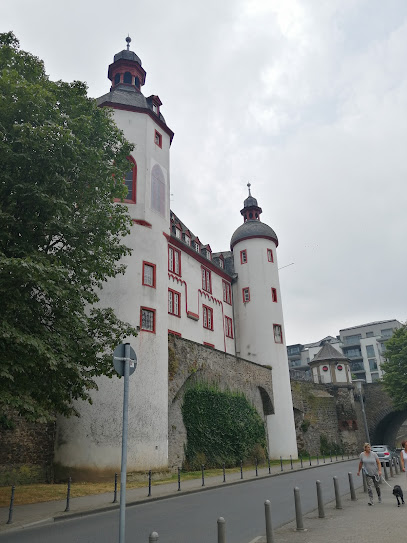
Turmuhr und Augenroller
0.2 km
Explore the historic Turmuhr und Augenroller in Koblenz, a charming clock tower that encapsulates the city's rich culture and heritage.
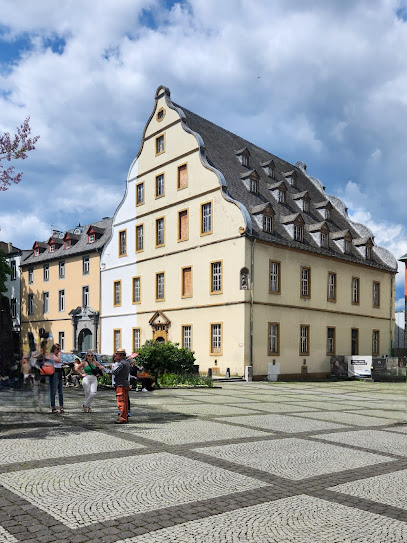
Jesuitenplatz
0.2 km
Experience the vibrant culture and rich history of Koblenz at Jesuitenplatz, a picturesque town square that captivates every visitor.
Rathaus Koblenz
0.2 km
Discover the historical grandeur of Rathaus Koblenz, a stunning architectural gem in the heart of the city, showcasing rich cultural heritage.
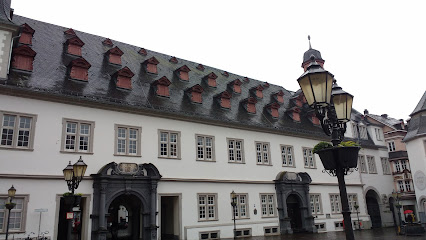
Altes Kaufhaus
0.2 km
Explore the rich history and culture of Koblenz at Altes Kaufhaus, a must-visit museum that connects the past with the present.
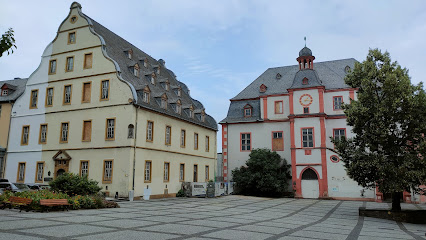
Mittelrheinmuseum Koblenz
0.2 km
Explore the rich artistic heritage of the Rhine at Mittelrheinmuseum Koblenz, showcasing a captivating collection of art and history.
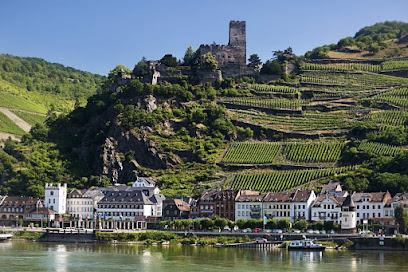
Essential places to dine

Gretchens Restaurant Koblenz Altstadt - Koblenz
0.0 km
Experience authentic German cuisine at Gretchens Restaurant in Koblenz's historic Altstadt, where every dish tells a story.
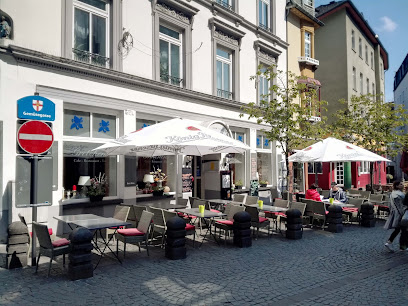
Hans im Glück Burgergrill
0.0 km
Experience gourmet burgers and vibrant atmosphere at Hans im Glück Burgergrill in Koblenz - perfect for all burger lovers!
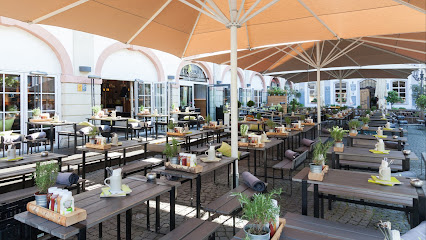
Alt Coblenz
0.0 km
Experience authentic German cuisine and fine wines at Alt Coblenz in Koblenz's historic heart.
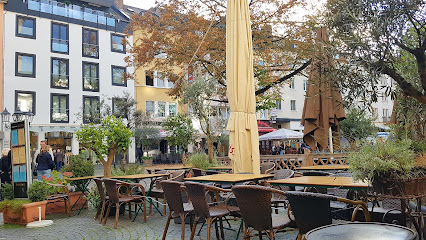
Ristorante Pizzeria La Mamma-Koblenz
0.1 km
Experience authentic Italian cuisine at Ristorante Pizzeria La Mamma in Koblenz – where every dish is a celebration of flavors!
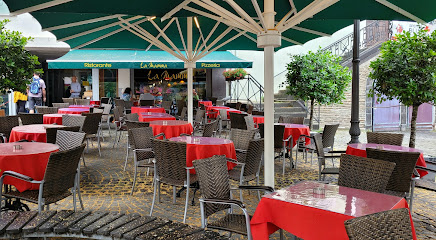
Restaurante/Bistro Dormonts
0.1 km
Experience exquisite local flavors at Restaurante/Bistro Dormonts in Koblenz - where every meal is a celebration of culinary artistry.
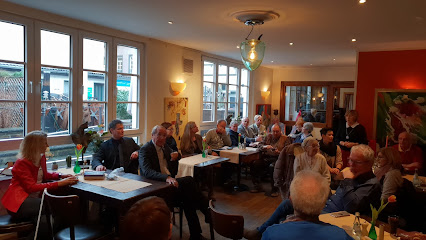
Los Gauchos
0.1 km
Experience the essence of Argentine grilling at Los Gauchos in Koblenz – where every bite tells a delicious story.
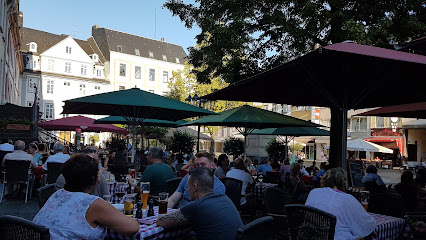
Café Bistro Pfefferminzje
0.1 km
Discover Café Bistro Pfefferminzje in Koblenz: A cozy bistro offering delightful breakfasts and exquisite coffee in a charming atmosphere.
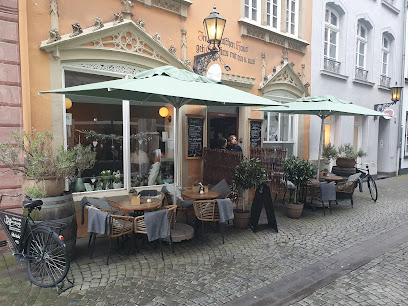
Trattoria da Raffaele
0.1 km
Experience authentic Italian flavors at Trattoria da Raffaele in Koblenz – where every meal is a celebration of Italian cuisine.
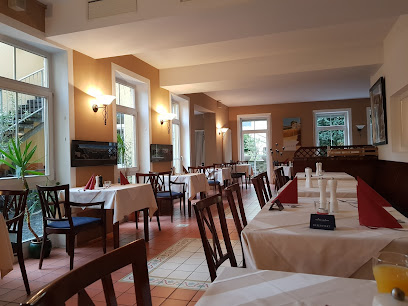
Altes Brauhaus
0.1 km
Discover the heart of Koblenz at Altes Brauhaus – where authentic German flavors meet vibrant local culture.
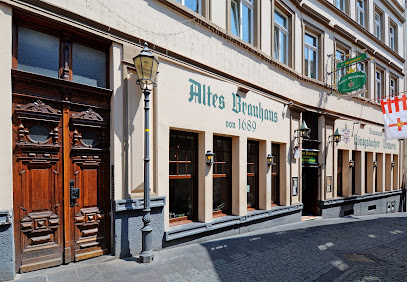
SauBar / Koblenz
0.1 km
Experience the heart of Germany at SauBar in Koblenz – where authentic flavors meet warm hospitality.
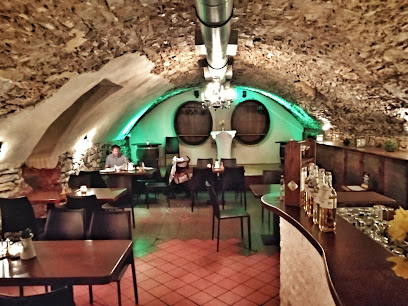
L´Osteria Koblenz
0.1 km
Indulge in authentic Italian flavors at L'Osteria Koblenz – where every dish tells a story of culinary passion and tradition.
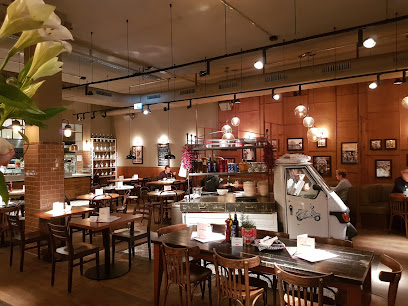
Lezizel Manti - Turkish Dumplings - Koblenz
0.1 km
Discover authentic Turkish dumplings at Lezizel Manti in Koblenz—an unforgettable taste journey into soul food.
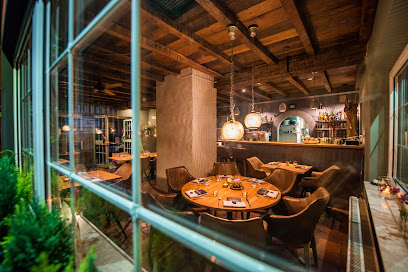
Restaurant Verbene
0.1 km
Experience fine dining at Restaurant Verbene in Koblenz—where culinary artistry meets elegance.
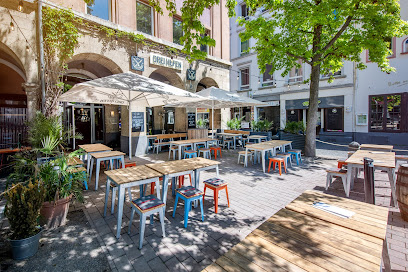
Drei Hefen
0.1 km
Discover exquisite pizzas and fine wines at Drei Hefen in Koblenz - a must-visit culinary haven for food lovers.
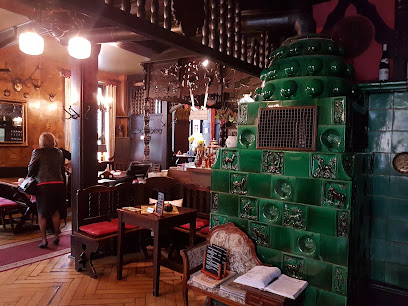
Weinhaus Hubertus
0.1 km
Discover authentic German cuisine and fine wines at Weinhaus Hubertus in Koblenz - a true gem for food lovers.
Markets, malls and hidden boutiques

Bazaar of Wunderbar
0.0 km
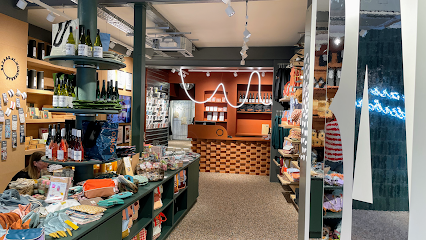
Discover unique gifts and local treasures at the Bazaar of Wunderbar in Koblenz, where shopping meets cultural exploration.
Kunstgässchen Koblenz
0.1 km
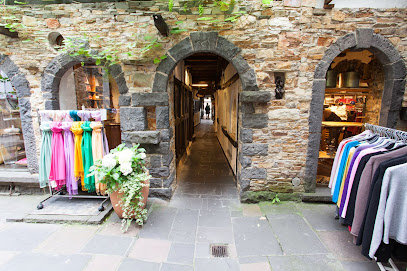
Explore Kunstgässchen Koblenz: A vibrant shopping mall offering unique boutiques, local art, and delicious dining experiences in the heart of Koblenz.
Zweite Liebe - Fashion Outlet Boutique
0.1 km
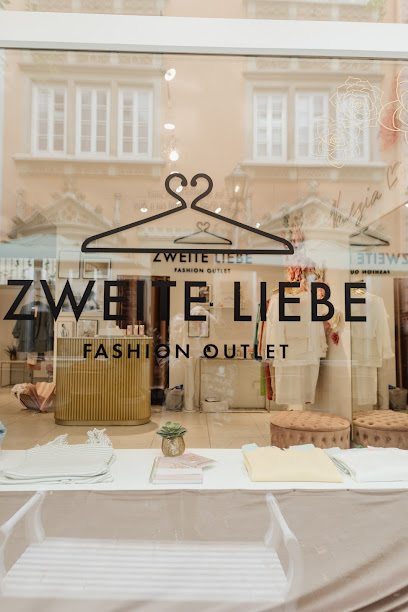
Explore Zweite Liebe in Koblenz for unique fashion finds and unbeatable deals in a charming boutique setting.
YASI WHO...?
0.1 km
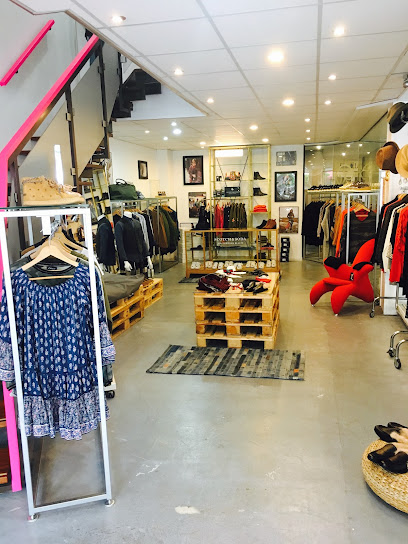
Explore YASI WHO? in Koblenz for a unique shopping experience showcasing local fashion, style, and craftsmanship that you can't find anywhere else.
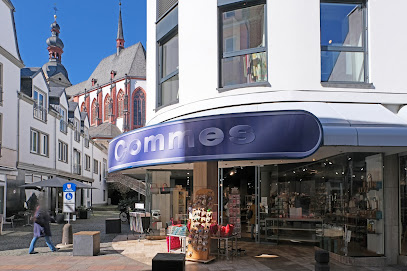
Commes GmbH
0.1 km
Explore the finest selection of chinaware at Commes GmbH in Koblenz, where craftsmanship meets elegance.
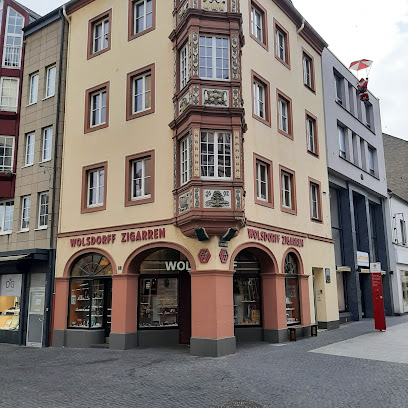
World - luxury fashion store
0.1 km
Explore luxury fashion at World in Koblenz, where style meets sophistication in an exquisite shopping experience.
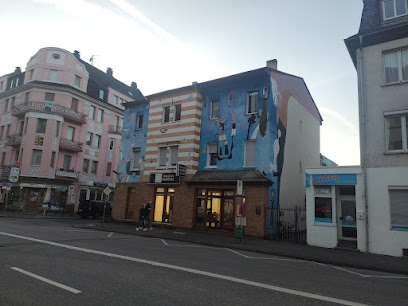
Iris Woldenga
0.1 km
Explore Iris Woldenga, a vintage women's clothing haven in Koblenz, offering unique fashion and an inviting atmosphere for all visitors.
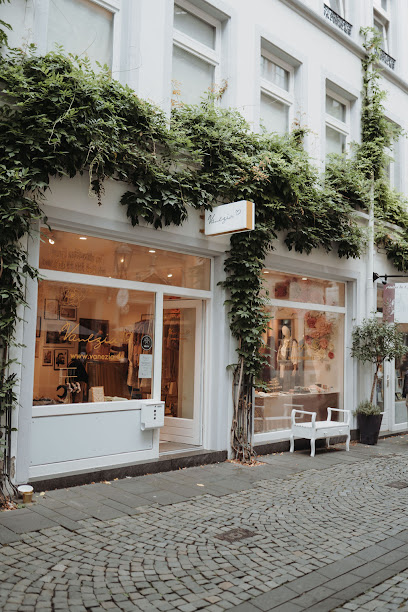
Vanezia Concept Store
0.1 km
Explore unique fashion finds in Koblenz at Vanezia Concept Store, where style and creativity converge for a delightful shopping experience.
Boutiquen Isolde GmbH
0.1 km
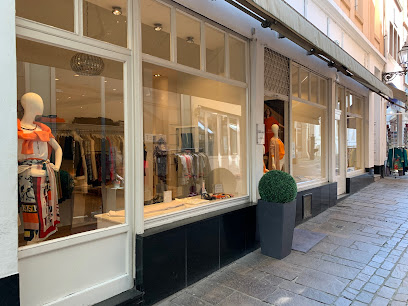
Discover modern elegance and unique styles at Boutiquen Isolde GmbH, a charming women's clothing boutique in Koblenz, Germany.
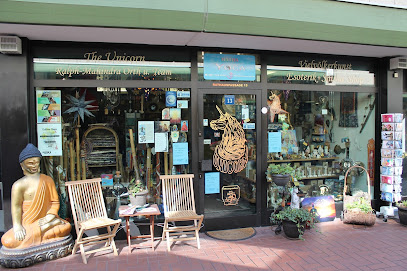
Unicorn Koblenz
0.1 km
Explore the mystical world of Unicorn Koblenz, your go-to metaphysical supply store in the heart of Koblenz, perfect for every spiritual seeker.
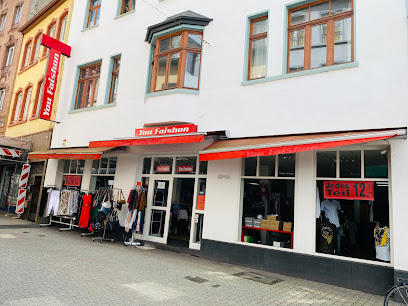
You fashion
0.2 km
Discover fashion trends and unique styles at You Fashion, Koblenz's premier shopping mall, perfect for every fashion enthusiast.
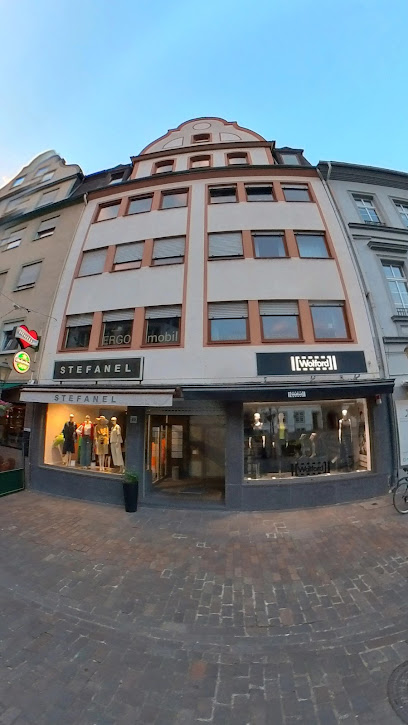
Wolford Partner Boutique Koblenz
0.2 km
Discover luxury women's fashion at Wolford Partner Boutique Koblenz, where quality meets elegance in every piece.
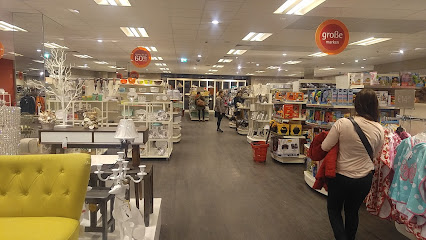
TK Maxx
0.2 km
Discover unbeatable deals on fashion and home goods at TK Maxx in Koblenz, where every visit could lead to your next favorite find.
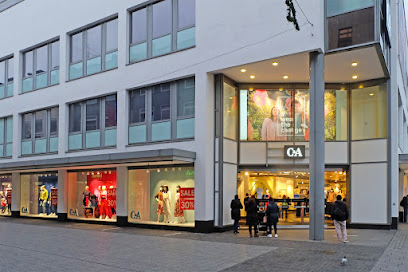
C&A
0.2 km
Explore C&A in Koblenz for stylish, affordable clothing for men, women, and children, blending quality with a vibrant shopping experience.
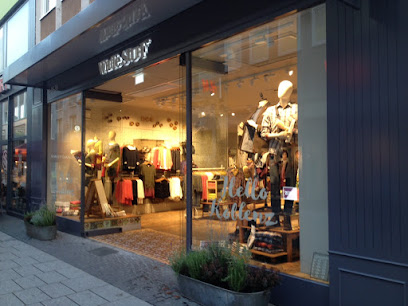
White Stuff Koblenz
0.2 km
Explore stylish clothing and accessories for the whole family at White Stuff Koblenz, where quality meets contemporary fashion in a delightful shopping atmosphere.
Essential bars & hidden hideouts

Atlas Bar - Koblenz
0.1 km
Discover the vibrant atmosphere of Atlas Bar in Koblenz, where relaxation meets socializing in a charming setting.
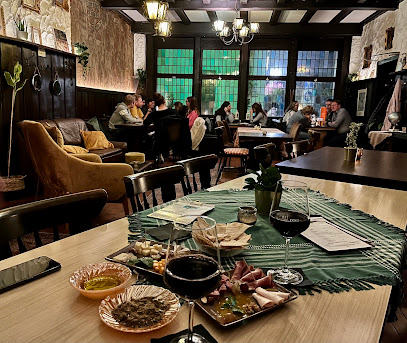
Zum Schiffchen
0.1 km
Discover the heart of Koblenz at Zum Schiffchen, where traditional German cuisine meets a lively pub atmosphere.
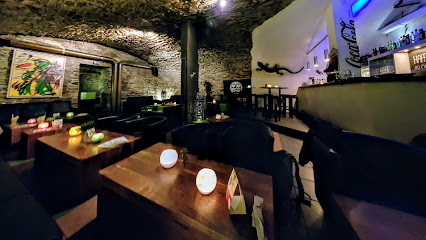
Gecko Lounge
0.1 km
Discover the vibrant nightlife of Koblenz at Gecko Lounge, where delightful drinks and a lively atmosphere await.
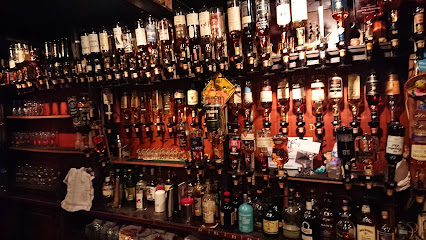
Sugar Ray’s Koblenz
0.1 km
Discover the lively atmosphere and diverse drink selection at Sugar Ray’s Koblenz, a bar where locals and visitors mingle over great cocktails and good vibes.
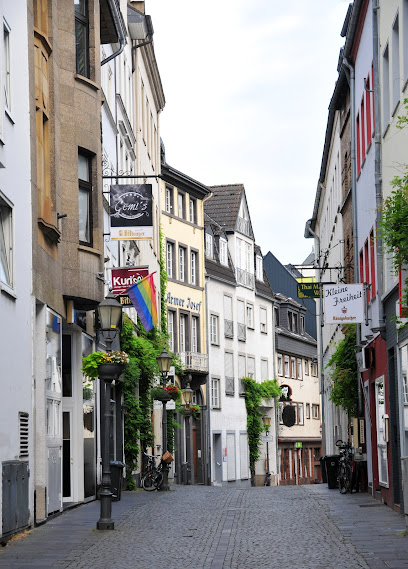
Kurioos - Koblenz
0.1 km
Discover the lively nightlife at Kurioos - Koblenz, where creative cocktails and a vibrant atmosphere come together for an unforgettable experience.
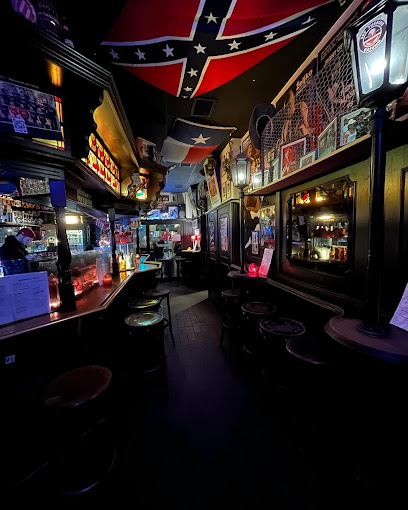
BackStage Koblenz
0.1 km
Discover the energetic nightlife of BackStage Koblenz, a lively bar and pub perfect for socializing and enjoying local drinks.
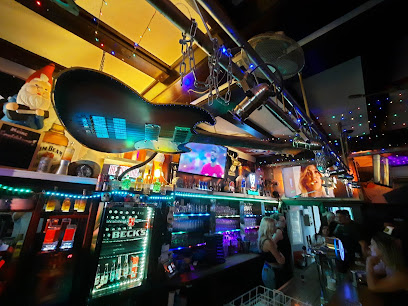
Zeitlos
0.1 km
Experience the vibrant nightlife of Koblenz at Zeitlos, a lively bar offering an extensive drink menu and a welcoming atmosphere for all.
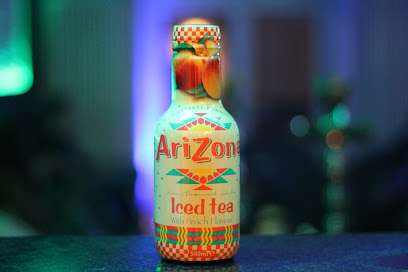
Café Bar My Way
0.1 km
Discover the perfect blend of relaxation and excitement at Café Bar My Way, Koblenz's favorite spot for coffee, cocktails, and light bites.
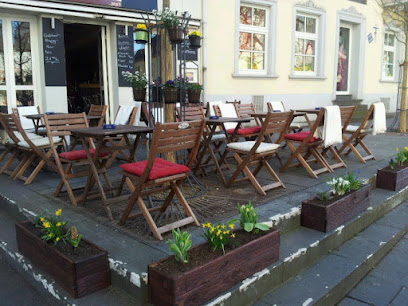
Shotz Koblenz
0.2 km
Discover the lively atmosphere and diverse drink selection at Shotz Koblenz, a must-visit bar in the heart of Germany's charming Altstadt.
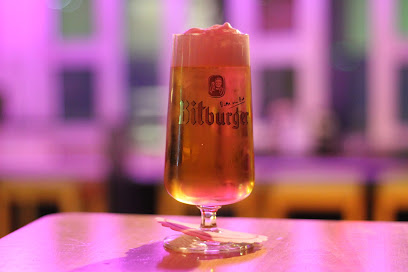
Irish Pub Koblenz
0.2 km
Discover the heart of Ireland at Irish Pub Koblenz, where great food, drinks, and live entertainment await in a cozy setting.
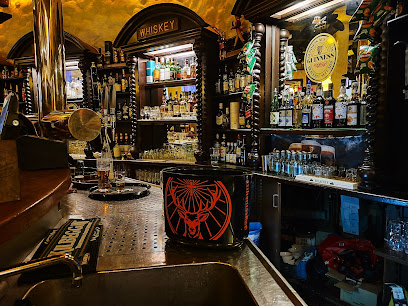
Druckluftkammer
0.2 km
Experience the vibrant nightlife at Druckluftkammer in Koblenz, where cocktails and dancing meet a lively atmosphere for an unforgettable evening.
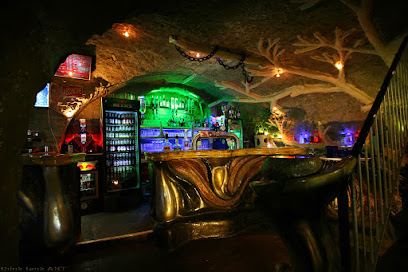
Aktuell Bar
0.2 km
Discover the vibrant nightlife of Koblenz at Aktuell Bar, where live music, cocktails, and a welcoming atmosphere await.
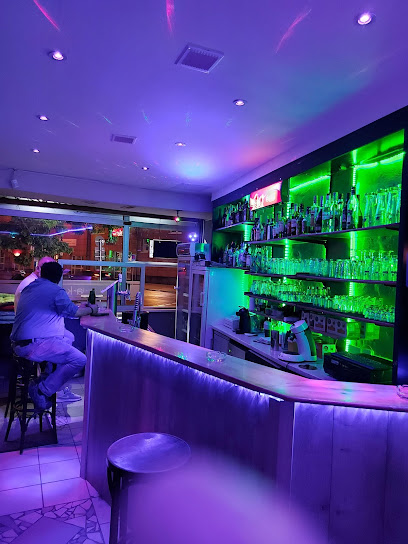
EXCALIBUR - The Rock Cafe
0.2 km
Discover the vibrant nightlife at EXCALIBUR - The Rock Cafe, a unique blend of cocktails and rock music in the heart of Koblenz.
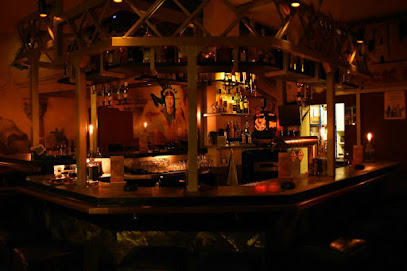
NEULAND - Koblenz
0.2 km
Experience the vibrant nightlife of Koblenz at NEULAND, a stylish bar offering a diverse drink menu and a lively atmosphere.
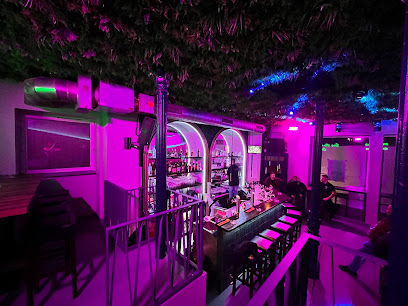
M's GASTWERKoblenz
0.2 km
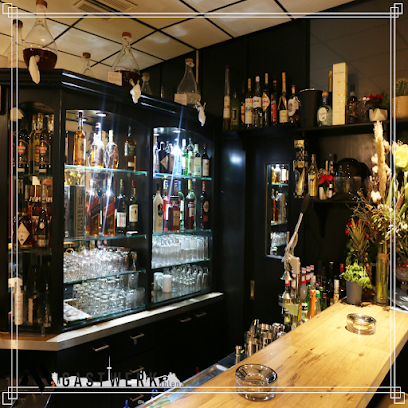
Discover M's GASTWERKoblenz, a charming lounge offering exquisite cocktails and wines in a cozy atmosphere, perfect for unwinding after a day of exploration.