Clemensbrunnen: A Testament to Koblenz's Electoral Past
Discover the Clemensbrunnen in Koblenz: a historic fountain honoring Clemens Wenzeslaus, reflecting the city's rich electoral past and architectural beauty.
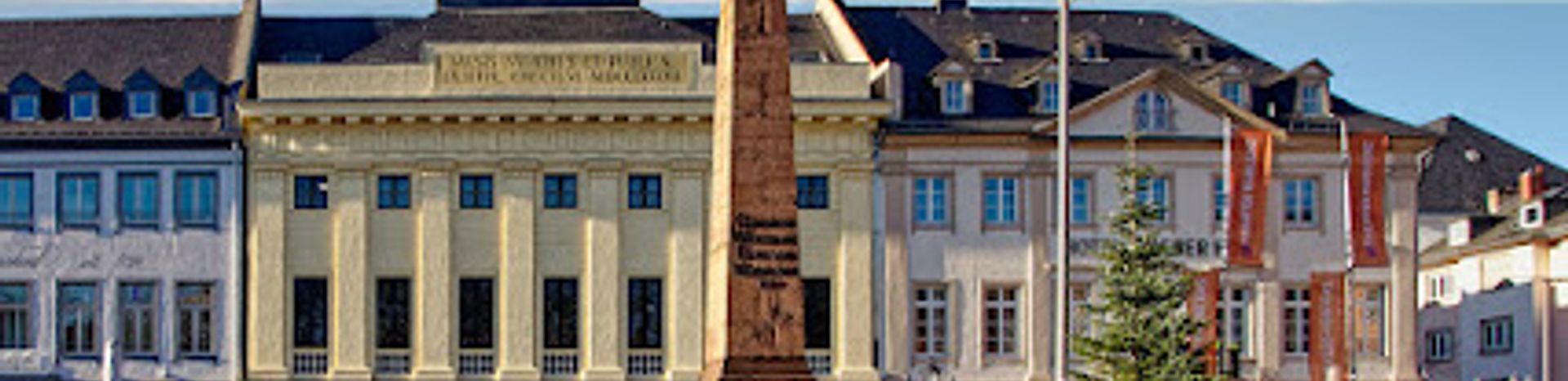
The Clemensbrunnen, an elegant obelisk fountain, graces Koblenz's Deinhardplatz, standing as a proud reminder of the city's history under Clemens Wenzeslaus, the last Elector of Trier. Erected in 1791, it originally stood in Clemensplatz, fed by the city's first electoral water pipe. Relocated in 1970 to its present location in front of the Theater Koblenz, the fountain continues to charm visitors with its intricate details, including Latin inscriptions and the Elector's coat of arms. Surrounded by historical buildings and a vibrant atmosphere, the Clemensbrunnen offers a glimpse into Koblenz's rich cultural heritage and architectural beauty, making it a worthwhile stop for history enthusiasts and casual tourists alike. Its central location makes it easily accessible and a perfect spot to pause and appreciate the city's blend of past and present.
A brief summary to Clemensbrunnen, Koblenz - Clemens Wenzeslaus von Sachsen (1791)
- Deinhardpl., Koblenz, 56068, DE
Local tips
- Visit during the day to fully appreciate the fountain's intricate details and the surrounding architecture.
- Combine your visit with a performance at the Theater Koblenz for a complete cultural experience.
- Explore the nearby Altstadt (Old Town) for charming shops, cafes, and historical landmarks.

Getting There
-
Walking
From the Forum Mittelrhein shopping center, walk towards Deinhardplatz. The Clemensbrunnen is located directly in front of the Theater Koblenz on Deinhardplatz, approximately a 5-minute walk. Look for the obelisk-shaped fountain in the center of the square.
-
Public Transport
From Koblenz Hauptbahnhof (main train station), take bus lines 3/13, 5/15, 6, 8, 9/19, or 10 to the 'Stadttheater/Schloss' stop. From there, it's a short walk to Deinhardplatz. The Clemensbrunnen is located in front of the Theater Koblenz. A single bus fare is approximately €2.60.
-
Taxi/Ride-Share
A taxi or ride-share from Koblenz Hauptbahnhof to Deinhardplatz will cost approximately €8-€12, depending on traffic. The journey typically takes 5-10 minutes.
-
Driving
If driving, navigate to Deinhardplatz, 56068 Koblenz. Parking is available in nearby parking garages such as 'Parkhaus Am Schloss' or 'Parkhaus in the Forum'. Parking fees typically range from €1.50 to €2.00 per hour.
Discover more about Clemensbrunnen, Koblenz - Clemens Wenzeslaus von Sachsen (1791)
Iconic landmarks you can’t miss

Clemensbrunnen, Koblenz - Clemens Wenzeslaus von Sachsen (1791)
0.0 km
Discover the Clemensbrunnen in Koblenz: a historic fountain honoring Clemens Wenzeslaus, reflecting the city's rich electoral past and architectural beauty.
Mahnmal für die Opfer des Nationalsozialismus in Koblenz
0.2 km
A poignant memorial in Koblenz honoring the victims of National Socialism, urging reflection on the past and commitment to a future of tolerance and justice for all.
Josef-Görres-Platz
0.2 km
Experience the vibrant heart of Koblenz at Josef-Görres-Platz: a historic square where culture, architecture, and local life intertwine, offering an unforgettable glimpse into the city's soul.
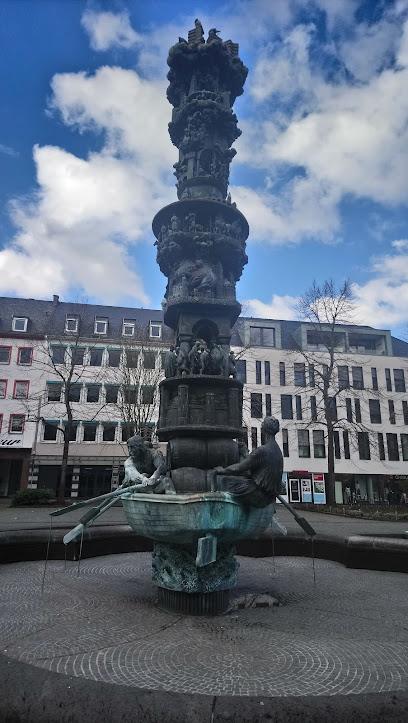
Jesuitenpl.
0.3 km
Discover Jesuitenplatz in Koblenz: A historic square where the echoes of the Jesuit order resonate through stunning architecture and a vibrant cultural atmosphere in the heart of the Old Town.
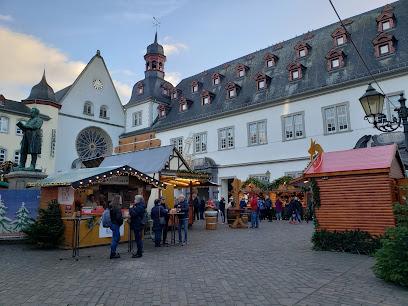
Barmherzige Brüder von Maria-Hilf - Peter Friedhofen Haus
0.4 km
Discover a serene sanctuary in Koblenz's Old Town at the Peter Friedhofen Haus, a historic monastery offering tranquility, reflection, and a glimpse into the Barmherzige Brüder's enduring legacy.
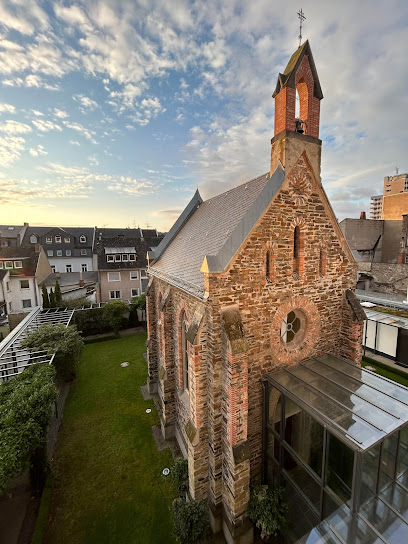
Familienbrunnen (Brunnen der Generationen), Koblenz - Rudi Scheuermann (1980)
0.4 km
Discover Koblenz's captivating history etched in stone at the Familienbrunnen, a generational fountain narrating the city's evolution from Roman times to the present day, nestled near the iconic Liebfrauenkirche.
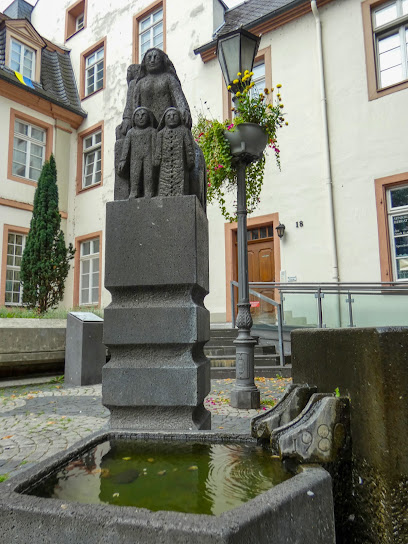
Altstadt Koblenz
0.5 km
Explore the historic heart of Koblenz, where Roman roots meet medieval charm at the confluence of the Rhine and Moselle, offering a captivating journey through time.
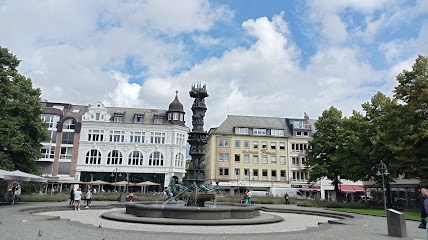
Brunnen zur Stadtentwicklung, Koblenz - Willi Heinzen (1992)
0.5 km
A modern fountain on historic Münzplatz, symbolizing Koblenz's rich history and ongoing evolution, surrounded by Altstadt charm and vibrant city life.
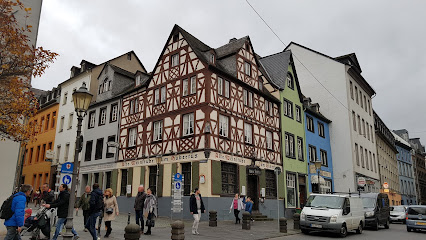
Richter spielgeräte GmbH
0.5 km
Explore the innovative world of playground design at Richter spielgeräte GmbH, a unique tourist attraction in the charming Altstadt of Koblenz.

Erfinderbrunnen, Koblenz - Prof. Gernot Rumpf (1983)
0.5 km
Discover the Erfinderbrunnen in Koblenz, a whimsical fountain celebrating regional inventors with playful sculptures and dynamic water features in the heart of the city's bustling Fischelpassage.
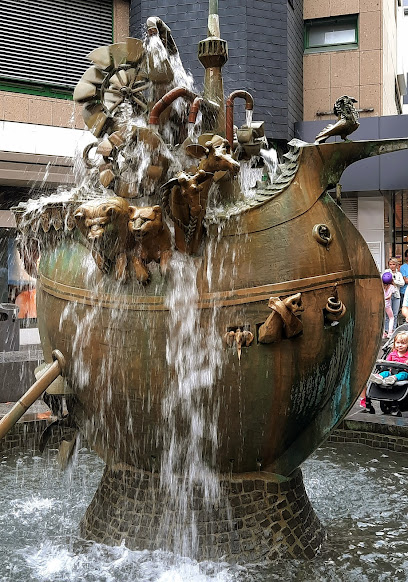
Münzpl.
0.5 km
Discover Münzplatz in Koblenz: where history comes alive in a vibrant square, surrounded by Baroque architecture, charming alleyways, and the echoes of electoral coinage.
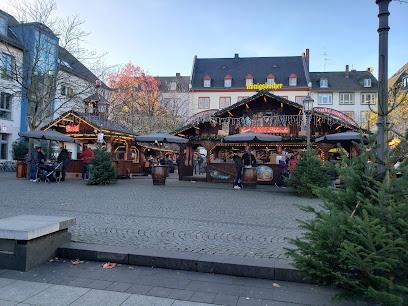
Rhein-Mosel-Halle
0.6 km
Koblenz's premier event venue, the Rhein-Mosel-Halle, offers state-of-the-art facilities for conferences, concerts, and exhibitions in a central location near the Rhine and Mosel rivers.
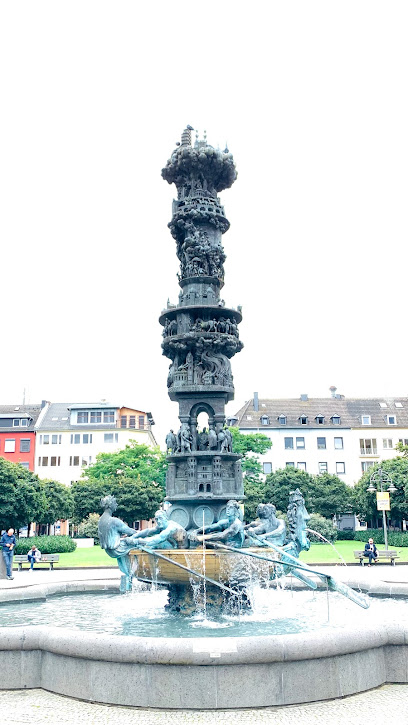
Peter-Altmeier-Denkmal
0.6 km
Honoring Peter Altmeier, the influential Minister-President of Rhineland-Palatinate, this monument symbolizes regional unity and post-war reconciliation near Deutsches Eck in Koblenz.
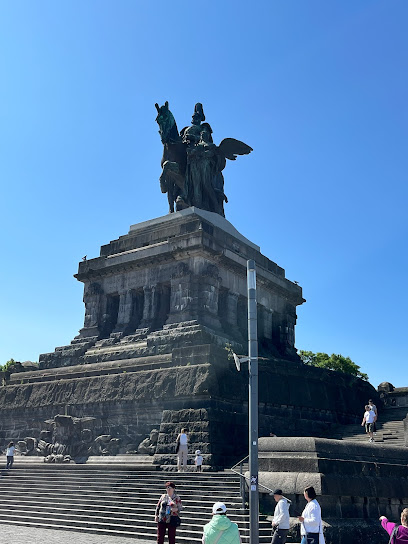
Stadtarchiv Koblenz
0.6 km
Delve into Koblenz's past at the City Archive, housed in the historic Alte Burg, offering a wealth of documents, maps, and photographs for researchers and history enthusiasts.
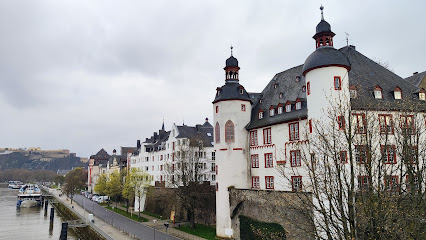
Petah-Tikva-Platz
0.7 km
Discover a peaceful retreat in the heart of Koblenz at Petah-Tikva-Platz, a charming urban park offering green spaces, walking paths, and a tranquil escape for locals and tourists alike.
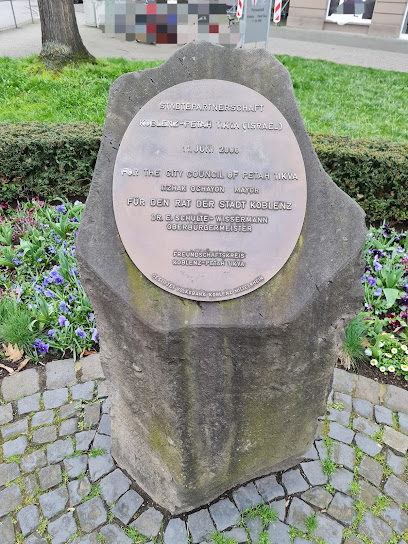
Unmissable attractions to see

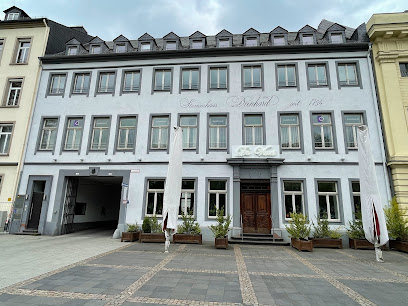
Koblenzer Sektmuseum
0.0 km
Explore the Koblenzer Sektmuseum in Koblenz, where history and sparkling wine come together in an unforgettable experience.
Görresplatz
0.2 km
Discover the vibrant Görresplatz in Koblenz, a historic square rich in culture, stunning architecture, and local delights.
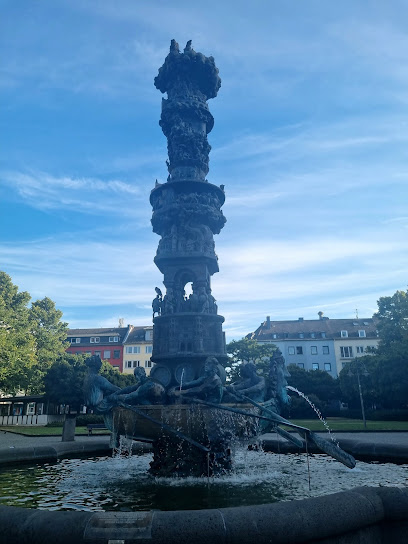
History Column
0.2 km
Discover the History Column in Koblenz - a striking memorial that encapsulates the city's rich heritage and invites reflection amidst vibrant surroundings.
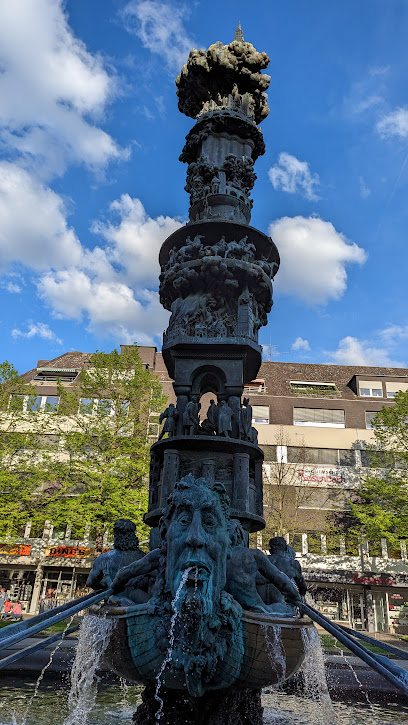
Springbrunnen, Koblenz - Kurfürstliches Schloss
0.2 km
Explore the serene beauty of the Springbrunnen at Kurfürstliches Schloss in Koblenz, a historic attraction with stunning architecture and tranquil gardens.
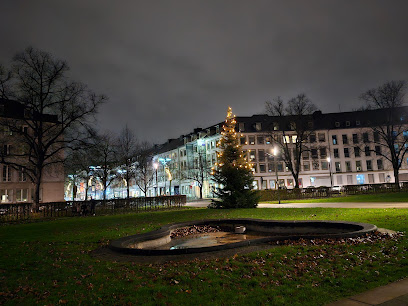
Ort der Kinderrechte / Stele
0.2 km
Explore the Ort der Kinderrechte in Koblenz, a meaningful tribute to children's rights, perfect for families and advocates alike in a serene urban setting.
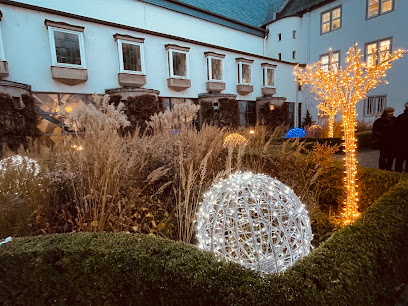
Rathaus Koblenz
0.2 km
Discover the historical grandeur of Rathaus Koblenz, a stunning architectural gem in the heart of the city, showcasing rich cultural heritage.
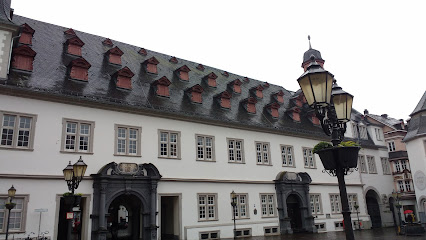
Citykirche am Jesuitenplatz
0.3 km
Discover the serene beauty and rich history of Citykirche am Jesuitenplatz, a baroque Catholic church in the heart of Koblenz, Germany.
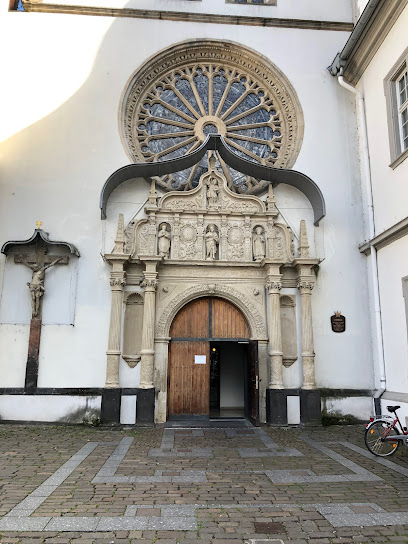
Schängel Fountain
0.3 km
Discover the charm of Koblenz at the Schängel Fountain, a stunning representation of art and culture in a vibrant city square.
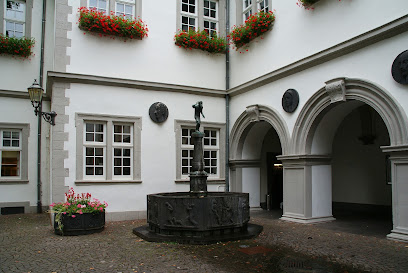
Zentralpl.
0.3 km
Experience the vibrant atmosphere of Zentralpl. in Koblenz, where history meets modern charm in the heart of the city.
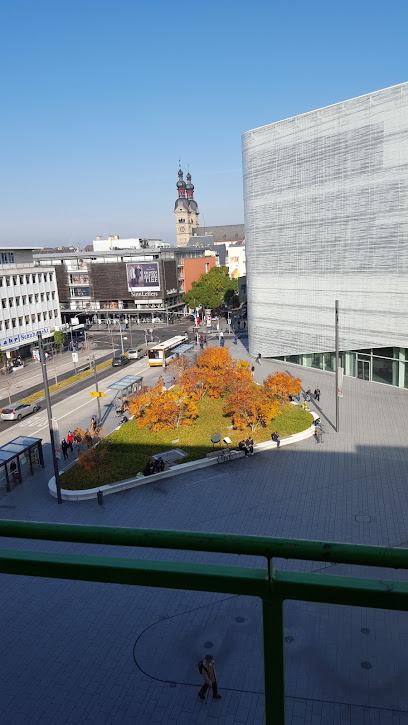
Mittelrheinmuseum Koblenz
0.3 km
Explore the rich artistic heritage of the Rhine at Mittelrheinmuseum Koblenz, showcasing a captivating collection of art and history.
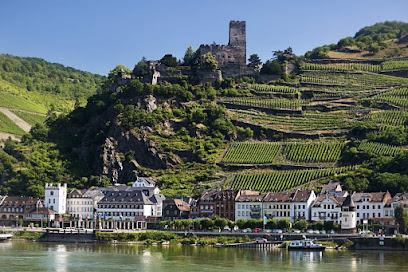
Johannes-Müller-Denkmal in Koblenz
0.3 km
Discover the Johann Müller Memorial in Koblenz, a serene tribute to history in the heart of the city’s vibrant Altstadt.
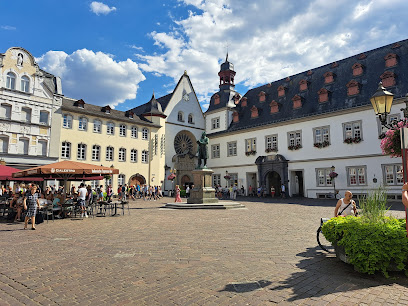
Preußisches Regierungsgebäude
0.3 km
Discover the architectural beauty and historical significance of the Preußisches Regierungsgebäude in Koblenz, a must-visit tourist attraction.
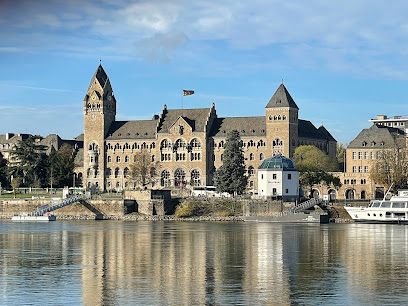
Jesuitenplatz
0.3 km
Experience the vibrant culture and rich history of Koblenz at Jesuitenplatz, a picturesque town square that captivates every visitor.
Schloss Koblenz
0.3 km
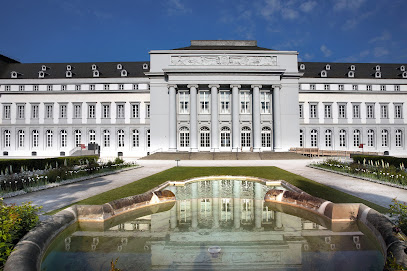
Discover the beauty and history of Schloss Koblenz, a stunning Baroque castle offering breathtaking views and rich cultural experiences in Germany.
Pegelhaus
0.3 km
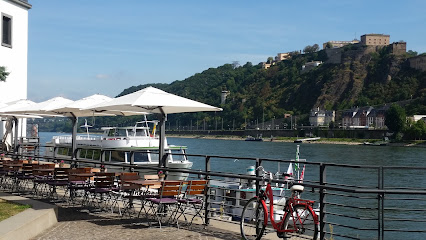
Experience authentic German cuisine with stunning river views at Pegelhaus, a must-visit restaurant in Koblenz that delights every palate.
Essential places to dine

Buffalo Das Steakhaus
0.0 km
Savor exceptional steaks and delightful dishes at Buffalo Das Steakhaus in Koblenz - a must-visit destination for meat lovers.
Genusswerkstatt
0.1 km
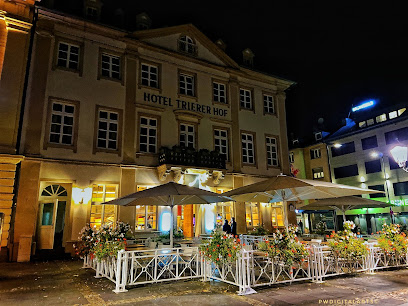
Experience authentic Mediterranean cuisine at Genusswerkstatt in Koblenz - where flavor meets tradition in a warm and inviting atmosphere.
Suvarnabhumi - Thai Spezialitäten
0.2 km
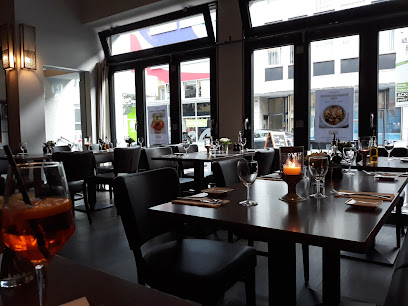
Experience authentic Thai flavors at Suvarnabhumi Restaurant in Koblenz—where every meal is a journey through Thailand's rich culinary heritage.
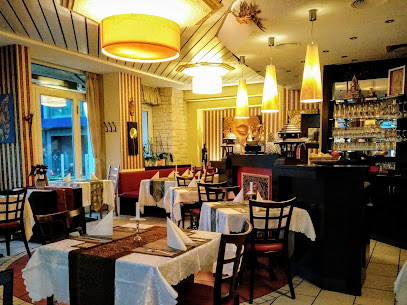
Saphir Koblenz
0.2 km
Experience exquisite dining at Saphir Koblenz - where local flavors meet international cuisine in a charming setting.
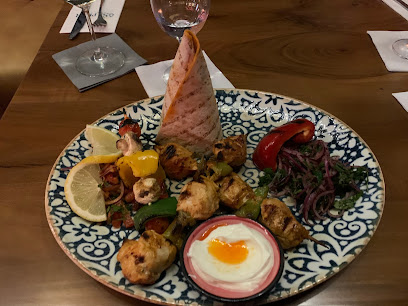
Cowboys Burger Saloon
0.2 km
Experience authentic American flavors at Cowboys Burger Saloon in Koblenz - home to mouthwatering burgers and an inviting atmosphere.
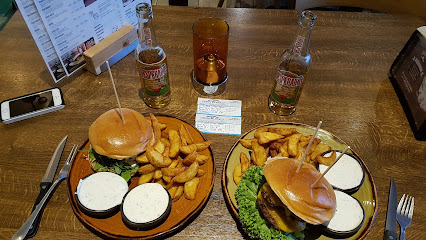
adaccio
0.3 km
Savor authentic Italian flavors at Adaccio in Koblenz—where delicious food meets vibrant ambiance.
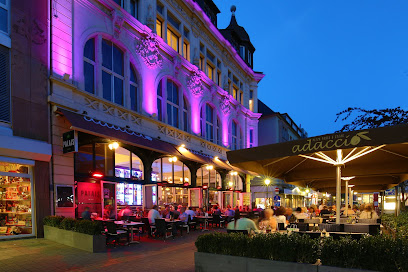
Einstein Koblenz
0.3 km
Discover the vibrant flavors of Einstein Koblenz – your go-to restaurant and cocktail bar for unforgettable dining experiences.
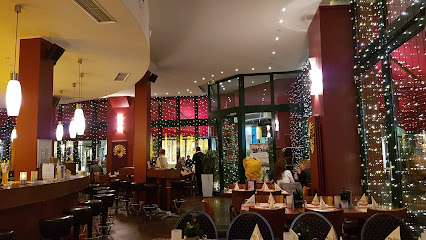
ALEX Koblenz
0.3 km
Experience the best of German cuisine and delightful pastries at ALEX Koblenz - where every meal is a celebration.
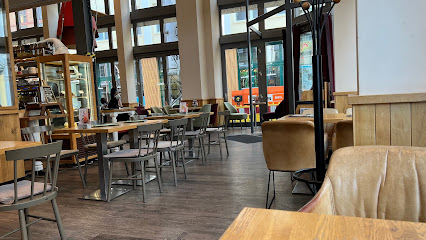
La Gondola - Koblenz
0.3 km
Savor authentic Italian cuisine at La Gondola in Koblenz – where every meal is a celebration of flavor and tradition.
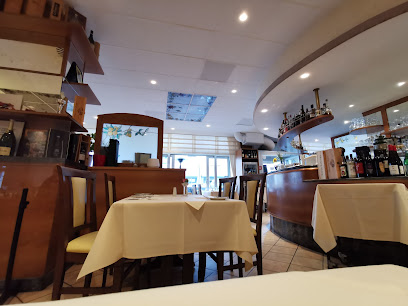
Altes Brauhaus
0.4 km
Discover the heart of Koblenz at Altes Brauhaus – where authentic German flavors meet vibrant local culture.
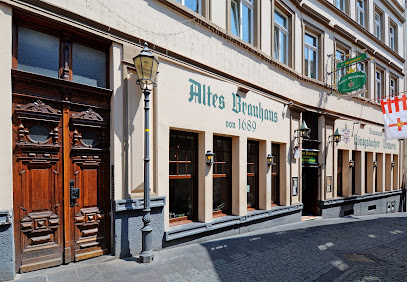
Restaurant Havana - Koblenz
0.4 km
Savor authentic Cuban cuisine and cocktails at Restaurant Havana - Koblenz, where vibrant flavors meet a lively atmosphere.
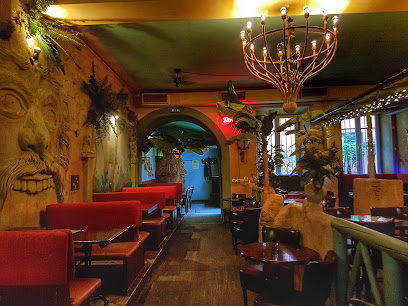
Alt Coblenz
0.4 km
Experience authentic German cuisine and fine wines at Alt Coblenz in Koblenz's historic heart.
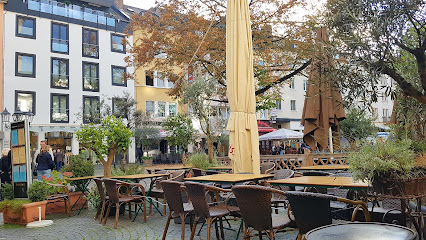
Damaskus Restaurant ( Koblenz Stadtmitte) .
0.4 km
Experience the best of Syrian cuisine at Damaskus Restaurant in Koblenz – where authentic flavors meet warm hospitality.
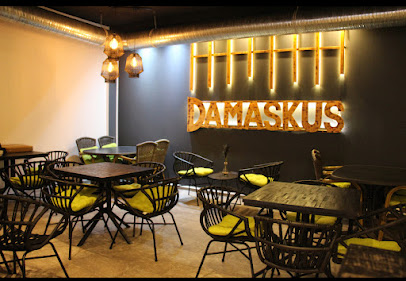
Hans im Glück Burgergrill
0.4 km
Experience gourmet burgers and vibrant atmosphere at Hans im Glück Burgergrill in Koblenz - perfect for all burger lovers!
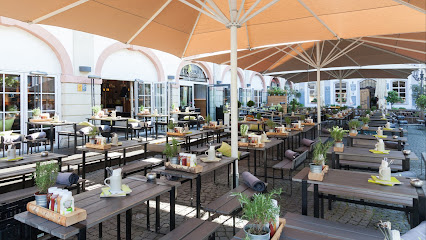
L´Osteria Koblenz
0.4 km
Indulge in authentic Italian flavors at L'Osteria Koblenz – where every dish tells a story of culinary passion and tradition.
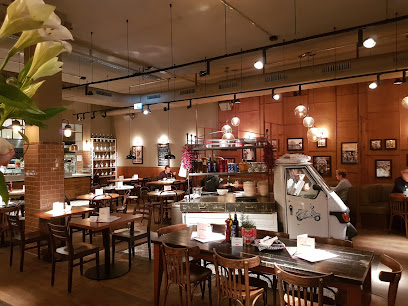
Markets, malls and hidden boutiques

Bathroom
0.2 km
Discover unique souvenirs and local crafts at Koblenz's charming gift shop, capturing the spirit of the region in every piece.
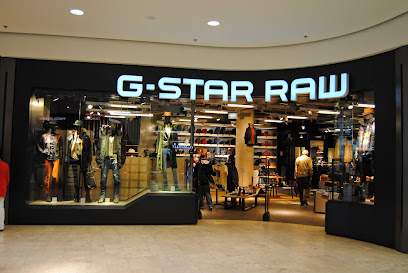
G-Star
0.2 km
Explore G-Star in Koblenz, a premier destination for trendy denim and stylish fashion accessories that cater to all tastes.
Forum Mittelrhein Koblenz
0.3 km
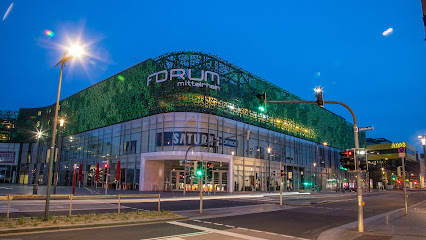
Explore the vibrant Forum Mittelrhein Koblenz, your ultimate shopping destination with diverse stores, dining, and entertainment in the heart of the city.
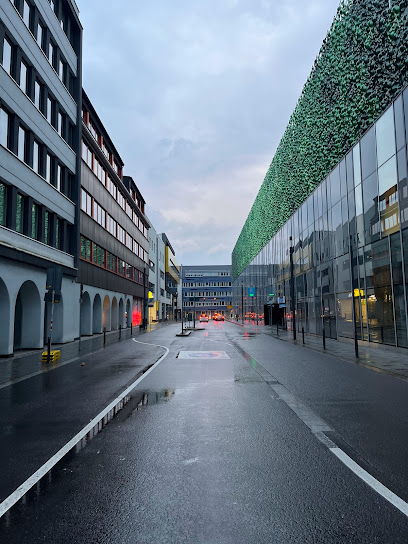
Unicorn Koblenz
0.3 km
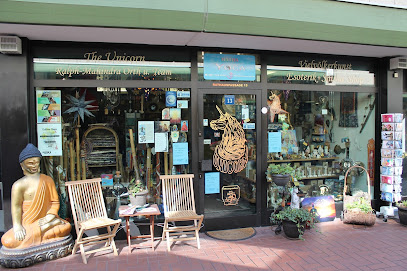
Explore the mystical world of Unicorn Koblenz, your go-to metaphysical supply store in the heart of Koblenz, perfect for every spiritual seeker.
NEW YORKER
0.3 km
Explore NEW YORKER in Koblenz for the latest fashion trends and a diverse selection of clothing and accessories for all ages.
H&M
0.3 km
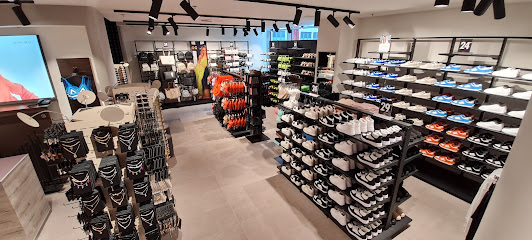
Explore affordable fashion at H&M in Koblenz, offering stylish clothing for men, women, and children in a vibrant shopping atmosphere.
Wolford Partner Boutique Koblenz
0.3 km
Discover luxury women's fashion at Wolford Partner Boutique Koblenz, where quality meets elegance in every piece.
Boutiquen Isolde GmbH
0.3 km
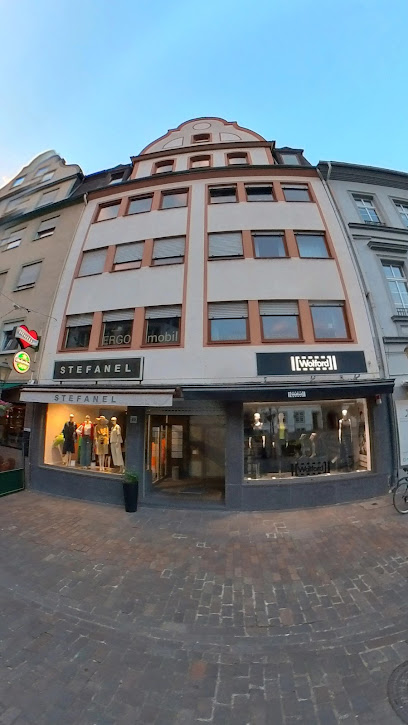
Discover modern elegance and unique styles at Boutiquen Isolde GmbH, a charming women's clothing boutique in Koblenz, Germany.
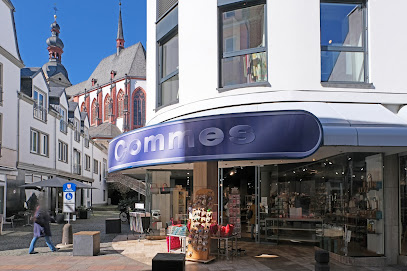
Commes GmbH
0.3 km
Explore the finest selection of chinaware at Commes GmbH in Koblenz, where craftsmanship meets elegance.
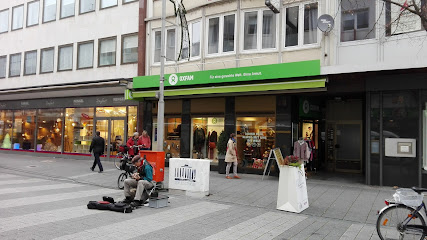
Oxfam Shop Koblenz
0.3 km
Explore Oxfam Shop Koblenz for unique pre-loved treasures, from vintage clothing to home goods, all while supporting a charitable cause.
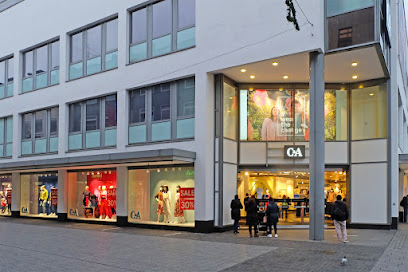
C&A
0.3 km
Explore C&A in Koblenz for stylish, affordable clothing for men, women, and children, blending quality with a vibrant shopping experience.
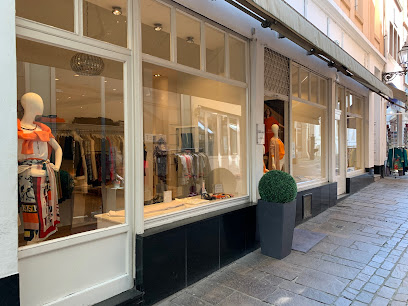
YASI WHO...?
0.4 km
Explore YASI WHO? in Koblenz for a unique shopping experience showcasing local fashion, style, and craftsmanship that you can't find anywhere else.
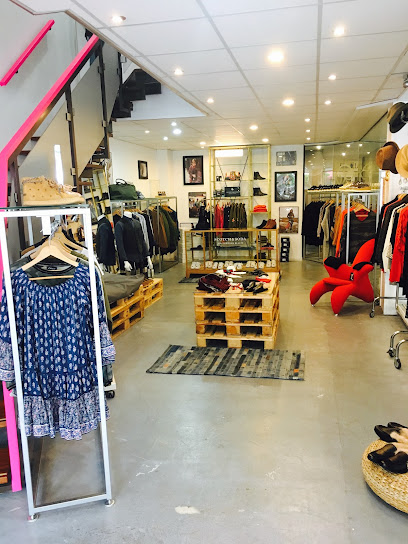
Road Collection Outlet Store Koblenz Schängelcenter
0.4 km
Discover exceptional fashion finds at Road Collection Outlet Store Koblenz, where quality meets affordability in a delightful shopping experience.
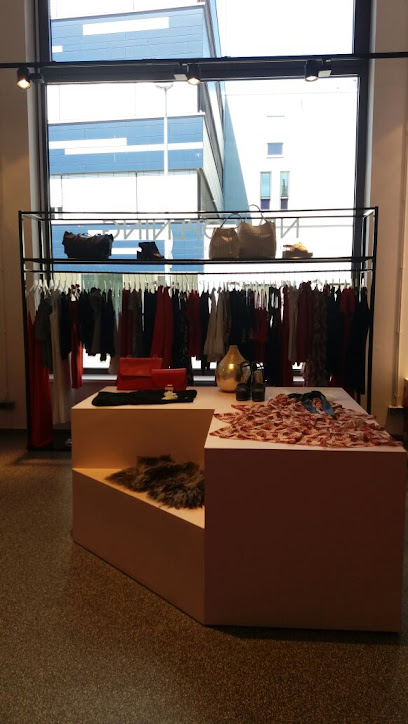
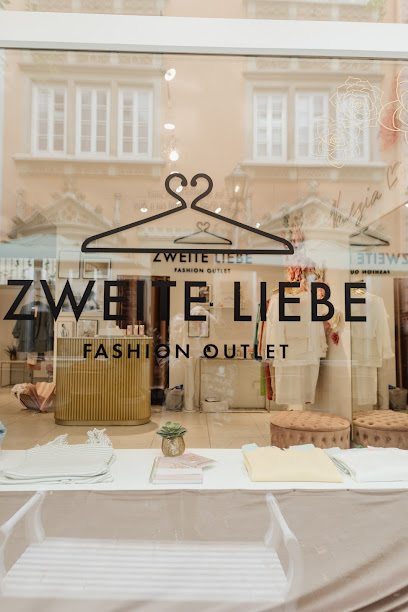
Zweite Liebe - Fashion Outlet Boutique
0.4 km
Explore Zweite Liebe in Koblenz for unique fashion finds and unbeatable deals in a charming boutique setting.
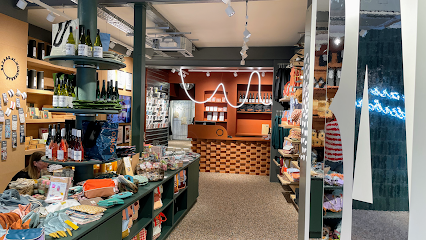
Bazaar of Wunderbar
0.5 km
Discover unique gifts and local treasures at the Bazaar of Wunderbar in Koblenz, where shopping meets cultural exploration.
Essential bars & hidden hideouts

McCoy - The Highball Ltd.
0.1 km
Discover McCoy - The Highball Ltd., Koblenz's premier cocktail bar, where innovative drinks and a vibrant atmosphere create unforgettable experiences.
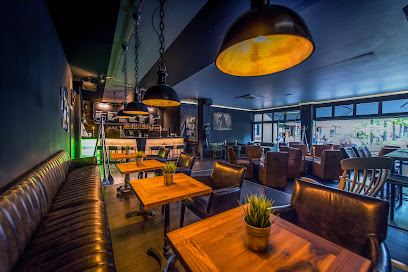
Public Lounge Bar - Koblenz
0.3 km
Discover the lively Public Lounge Bar in Koblenz, where cocktails meet community in a vibrant atmosphere perfect for unwinding after a day of exploration.
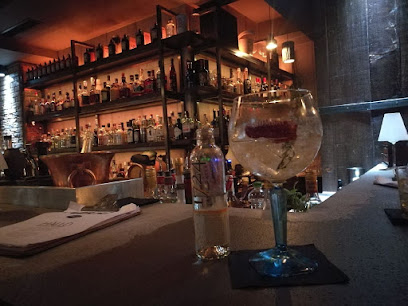
Daddy-O's - Koblenz
0.3 km
Discover Koblenz's top cocktail bar, Daddy-O's, where expertly crafted drinks meet a vibrant atmosphere for an unforgettable night.
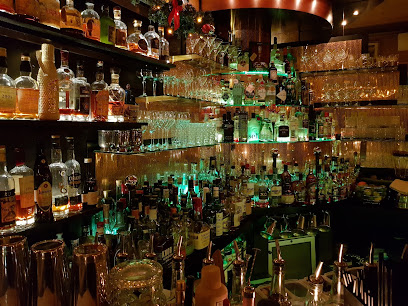
Mephisto - Koblenz
0.3 km
Discover the energetic vibe of Mephisto in Koblenz, a premier pub offering delicious food, refreshing drinks, and an unforgettable local experience.
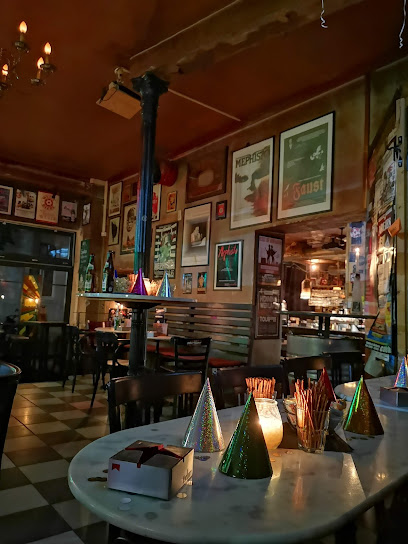
Zum Schiffchen
0.4 km
Discover the heart of Koblenz at Zum Schiffchen, where traditional German cuisine meets a lively pub atmosphere.
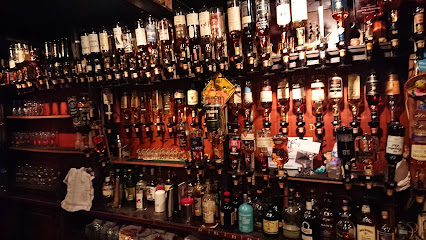
Atlas Bar - Koblenz
0.4 km
Discover the vibrant atmosphere of Atlas Bar in Koblenz, where relaxation meets socializing in a charming setting.
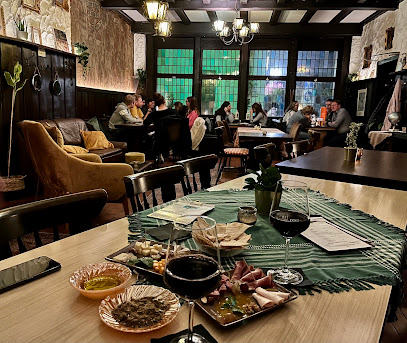
Café Bar My Way
0.5 km
Discover the perfect blend of relaxation and excitement at Café Bar My Way, Koblenz's favorite spot for coffee, cocktails, and light bites.
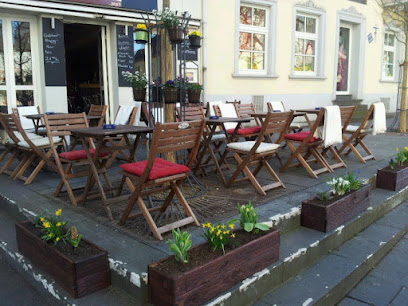
Gecko Lounge
0.5 km
Discover the vibrant nightlife of Koblenz at Gecko Lounge, where delightful drinks and a lively atmosphere await.
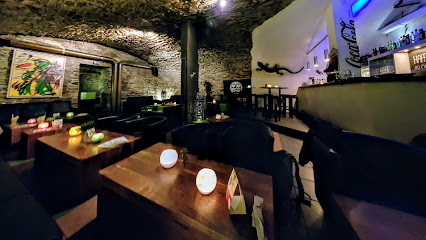
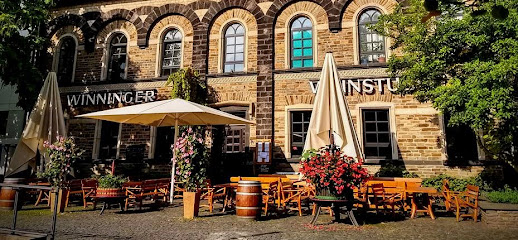
Winninger Weinstuben
0.5 km
Experience the rich flavors of local wines at Winninger Weinstuben in Koblenz, a charming wine bar perfect for every wine lover.
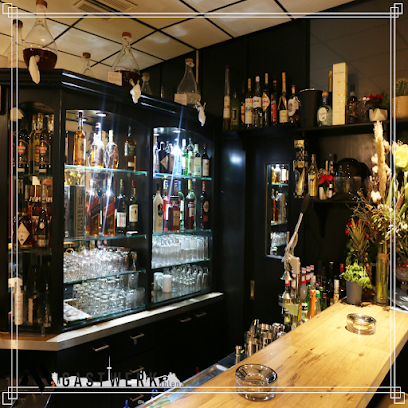
M's GASTWERKoblenz
0.5 km
Discover M's GASTWERKoblenz, a charming lounge offering exquisite cocktails and wines in a cozy atmosphere, perfect for unwinding after a day of exploration.
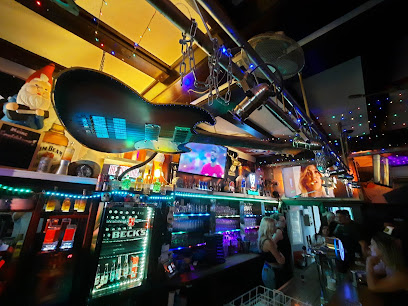
BackStage Koblenz
0.5 km
Discover the energetic nightlife of BackStage Koblenz, a lively bar and pub perfect for socializing and enjoying local drinks.
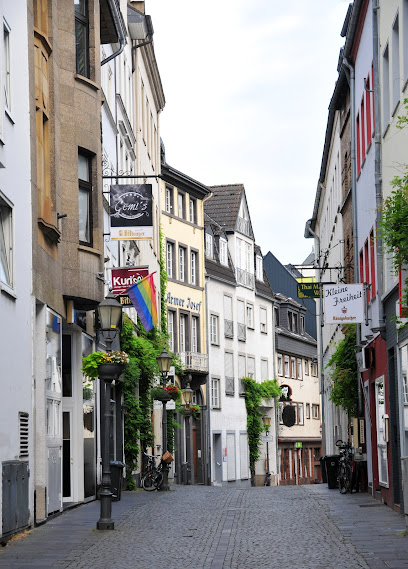
Kurioos - Koblenz
0.5 km
Discover the lively nightlife at Kurioos - Koblenz, where creative cocktails and a vibrant atmosphere come together for an unforgettable experience.
Sugar Ray’s Koblenz
0.5 km
Discover the lively atmosphere and diverse drink selection at Sugar Ray’s Koblenz, a bar where locals and visitors mingle over great cocktails and good vibes.
Zeitlos
0.5 km
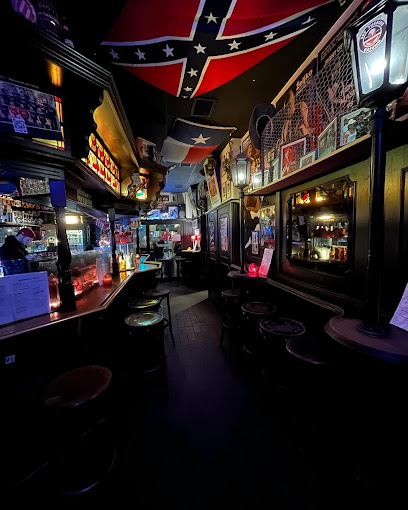
Experience the vibrant nightlife of Koblenz at Zeitlos, a lively bar offering an extensive drink menu and a welcoming atmosphere for all.
Druckluftkammer
0.6 km
Experience the vibrant nightlife at Druckluftkammer in Koblenz, where cocktails and dancing meet a lively atmosphere for an unforgettable evening.