

Zentrum-Süd (Leipzig) Travel Guide - Free
Explore Zentrum-Süd in Leipzig with Evendo's free guide. Find the best shops, historic streets, restaurants, and gems on web or mobile.


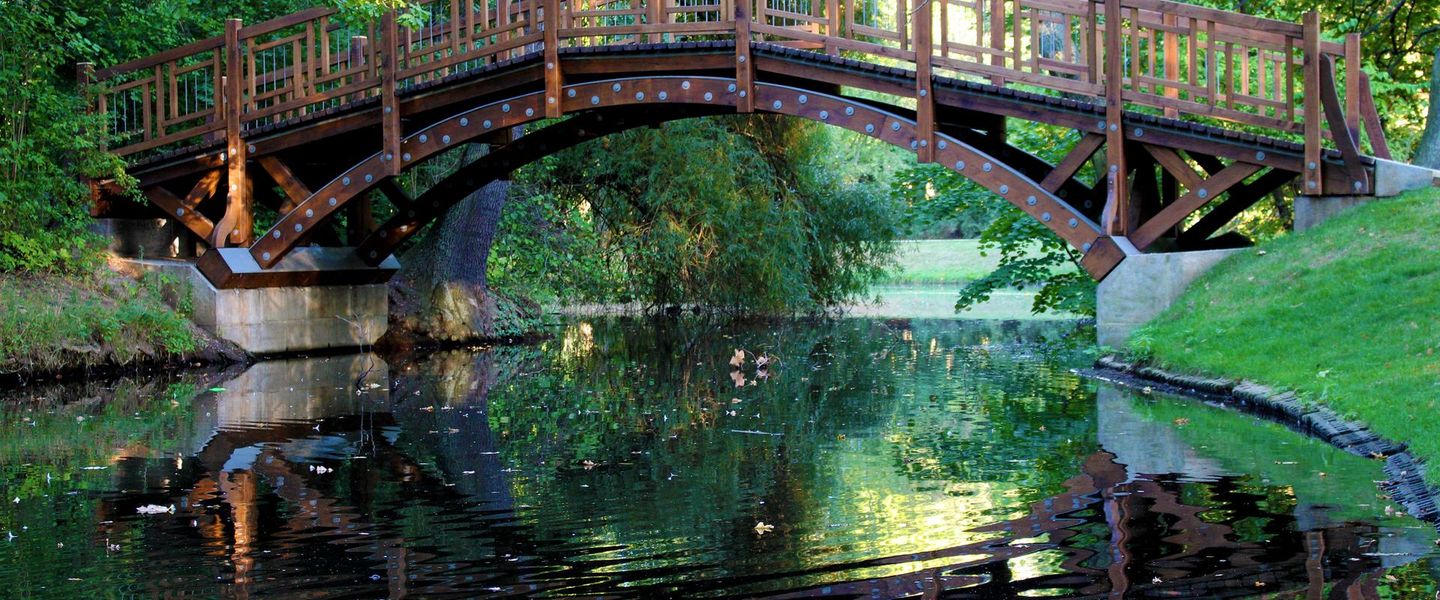


Zentrum-Süd Leipzig combines grand civic architecture, Mendelssohn’s musical legacy, university life, cafés and easy access to Clara-Zetkin-Park.
A Southern Edge of the Inner City
Zentrum-Süd occupies the part of Leipzig’s inner city immediately south of the central ring, where grand civic buildings, concert institutions, university facilities and ordinary residential streets meet. Its character is more spacious and formal than the lanes around the Markt, yet more urban and active than the leafy suburbs farther south. The district is commonly understood to include the Musikviertel, the Peterssteinweg corridor and streets leading towards Südvorstadt, although local boundaries are not always experienced as sharp divisions.Read more about Zentrum-Süd
Architecture and Public Life
Music, Learning and Green Space
Best attractions in Zentrum-Süd
Zentrum-Süd’s attractions are concentrated around music, architecture and the experience of moving between Leipzig’s formal inner city and its southern cultural corridors. Mendelssohn-Haus on Goldschmidtstraße preserves the apartment where Felix Mendelssohn lived and died, with period rooms and displays that give context to Leipzig’s musical life. The Neues Rathaus is a major visual landmark, while the surrounding streets offer substantial historicist façades and institutional buildings rather than a single pedestrian sightseeing zone. Simsonplatz and the Musikviertel reward an unhurried architectural walk, and the university and library buildings add an academic dimension. The northern reaches of nearby Clara-Zetkin-Park provide lawns, mature trees and riverside paths, although the park extends beyond Zentrum-Süd. Peterssteinweg offers a more everyday view of the district, with trams, cafés and local businesses leading towards the southern neighbourhoods.
-
Tourist attraction
St. Thomas Church
Discover the stunning St. Thomas Church in Leipzig, a historic Evangelical Lutheran church rich in musical heritage and architectural beauty.
9 min walk · 0.7 km from neighbourhood centre
-
Tourist attraction
Johannapark
Experience the tranquil beauty of Johannapark, an urban oasis in Leipzig perfect for relaxation, picnics, and scenic walks amidst nature.
9 min walk · 0.7 km from neighbourhood centre
-
Tourist attraction
Forum of Contemporary History Leipzig
Explore the rich tapestry of 20th-century German history at the Forum of Contemporary History Leipzig, a must-visit for history enthusiasts.
10 min walk · 0.8 km from neighbourhood centre
-
Tourist attraction
Mendelssohn-Haus
Explore the Mendelssohn-Haus in Leipzig: A beautiful museum celebrating the life and music of composer Felix Mendelssohn.
10 min walk · 0.8 km from neighbourhood centre


Best landmarks in Zentrum-Süd
The Neues Rathaus is Zentrum-Süd’s most imposing civic landmark, occupying the former Pleißenburg site and presenting a large historicist complex crowned by a prominent tower. Simsonplatz is defined by the monumental former Reichsgerichtsgebäude, now home to Germany’s Federal Administrative Court, whose scale reflects Leipzig’s importance as a legal and administrative centre; it stands at the edge of the Musikviertel and should be understood in relation to that quarter rather than as an isolated monument. Mendelssohn-Haus is significant for a different reason: its value lies in the preserved domestic setting connected with one of Leipzig’s central musical figures. Across Beethovenstraße, Grassistraße and neighbouring streets, villas, apartment houses and institutional buildings form a coherent architectural record of the city’s nineteenth-century expansion.
-
Park
Clara-Zetkin-Park
Discover Leipzig's Clara-Zetkin-Park: A vibrant green oasis offering history, recreation, and cultural events, perfect for relaxing strolls and memorable experiences in the heart of the city.
13 min walk · 1.0 km from neighbourhood centre
-
Fountain
Mendebrunnen
Experience the neo-baroque splendor of Leipzig's Mendebrunnen, a historic fountain on Augustusplatz, where art and history converge in a captivating urban oasis.
10 min walk · 0.8 km from neighbourhood centre
-
Tourist attraction
Löffelfamilie
Experience Leipzig's iconic Löffelfamilie neon sign on Karl-Liebknecht-Straße, a symbol of the city's vibrant culture and East German heritage, surrounded by lively cafes and shops.
9 min walk · 0.7 km from neighbourhood centre
-
Tourist attraction
Letzte Gaslampe Leipzigs
Discover Leipzig's illuminating past with a visit to its last remaining gas lamp, a nostalgic beacon on the bustling Martin-Luther-Ring, offering a glimpse into the city's pioneering spirit.
4 min walk · 0.3 km from neighbourhood centre


Explore Zentrum-Süd on the map
A handpicked selection of must-see spots in Zentrum-Süd, mapped for you.
Best hotels in Zentrum-Süd
Best restaurants in Zentrum-Süd
Dining in Zentrum-Süd is shaped by its position between the central city, the Musikviertel and the southern districts. Around Peterssteinweg and the approaches to Karl-Liebknecht-Straße, visitors find a mixed urban selection of cafés, casual restaurants, bakeries and bars, while the quieter streets around the Musikviertel have a more residential rhythm. Leipzig’s broader food culture is visible in the coexistence of German cooking, international dishes, vegetarian and contemporary café menus, though the neighbourhood is better suited to exploring several modest venues than to a single concentrated dining market. Mendelssohn-Haus and the concert institutions give the area a cultural setting for pre-performance meals and coffee, while the nearby southern corridors offer a wider choice as the evening progresses. Exact opening days and menus vary, so visitors should check current information before planning around a specific meal.
-
Vietnamese
Pholosophy - vietnamese eatery
Experience authentic Vietnamese flavors at Pholosophy, Leipzig's premier eatery blending tradition with modernity for every palate.
1 min walk · 0.1 km from neighbourhood centre
-
Italian
L'Angolo d'Italia
Discover authentic Italian flavors at L'Angolo d'Italia in Leipzig - where every meal is a celebration of tradition and taste.
13 min walk · 1.0 km from neighbourhood centre
-
Restaurant
Lulu Lottenstein Restaurant & Bar
Discover Lulu Lottenstein Restaurant & Bar in Leipzig - where local flavors meet innovative cuisine in a vibrant setting.
11 min walk · 0.9 km from neighbourhood centre
-
Thai
TUK TUK Thaifood
Experience authentic Thai cuisine at TUK TUK Thaifood in Leipzig—where every dish tells a story of flavor and tradition.
1 min walk · 0.1 km from neighbourhood centre


Best bars in Zentrum-Süd
Evenings in Zentrum-Süd are generally more cultural and sociable than club-focused. The area around Peterssteinweg and the northern stretch towards Karl-Liebknecht-Straße has cafés, bars and casual evening venues, while performances and concerts in and around Leipzig’s central music quarter draw visitors after dark. The Musikviertel itself is comparatively quiet and residential, so its broad streets are better suited to an evening architectural walk than to late-night entertainment. The southern nightlife corridor becomes more prominent beyond the neighbourhood’s informal boundary, where the choice of bars and venues broadens. Visitors should distinguish between a concert evening, a drink near the central-southern tram route and a dedicated club night, as these are different experiences and may take place in adjacent districts rather than Zentrum-Süd proper.
-
Irish pub
Killiwilly
Discover Killiwilly, an authentic Irish pub in Leipzig offering a lively atmosphere, delicious food, and a charming beer garden for unforgettable experiences.
11 min walk · 0.8 km from neighbourhood centre
-
Irish pub
McCormacks Irish Pub & Lounge
Discover the heart of Irish culture at McCormacks Irish Pub & Lounge in Leipzig, where great food and friendly vibes await every visitor.
13 min walk · 1.0 km from neighbourhood centre
-
Cocktail bar
La Boum - Leipzig
Experience the lively atmosphere of La Boum in Leipzig, where gourmet hamburgers meet expertly crafted cocktails in a vibrant setting.
9 min walk · 0.7 km from neighbourhood centre
-
Wine bar
Renkli
Experience the charming ambiance and curated wine selection at Renkli, a must-visit wine bar in the heart of Leipzig.
2 min walk · 0.2 km from neighbourhood centre


Best nightclubs in Zentrum-Süd
Evenings in Zentrum-Süd are generally more cultural and sociable than club-focused. The area around Peterssteinweg and the northern stretch towards Karl-Liebknecht-Straße has cafés, bars and casual evening venues, while performances and concerts in and around Leipzig’s central music quarter draw visitors after dark. The Musikviertel itself is comparatively quiet and residential, so its broad streets are better suited to an evening architectural walk than to late-night entertainment. The southern nightlife corridor becomes more prominent beyond the neighbourhood’s informal boundary, where the choice of bars and venues broadens. Visitors should distinguish between a concert evening, a drink near the central-southern tram route and a dedicated club night, as these are different experiences and may take place in adjacent districts rather than Zentrum-Süd proper.
-
Night club
Nachtcafe
Dive into Leipzig's vibrant nightlife at Nachtcafe, where eclectic music, stylish ambiance, and unforgettable experiences await.
6 min walk · 0.5 km from neighbourhood centre
-
Night club
TwentyOne
Dive into Leipzig's nightlife at TwentyOne, a premier night club offering electrifying music, vibrant atmosphere, and unforgettable experiences.
10 min walk · 0.8 km from neighbourhood centre
-
Night club
Flowerpower - Leipzig
Discover the best of Leipzig's nightlife at Flowerpower - a vibrant night club and karaoke bar that promises unforgettable fun and entertainment.
3 min walk · 0.2 km from neighbourhood centre
-
Night club
PENDO - Leipzig
Experience the vibrant energy of Leipzig's nightlife at PENDO, the ultimate destination for dance and music lovers.
6 min walk · 0.5 km from neighbourhood centre

Best shops in Zentrum-Süd
Shopping in Zentrum-Süd is primarily local and independent rather than department-store based. Peterssteinweg and the approach towards Karl-Liebknecht-Straße contain everyday shops, cafés and small businesses, with the retail atmosphere gradually becoming more alternative and southern as visitors move towards Südvorstadt. Around the Musikviertel, commercial activity is quieter and mixed with residential frontages, professional offices and university-related institutions. The neighbourhood is therefore useful for browsing small-scale urban retail, books, food shops and practical services rather than for a dedicated luxury or souvenir circuit. Leipzig’s major central shopping streets lie just to the north in the main city centre, while specialist and second-hand choices become more numerous along the southern corridor. Visitors should regard the changing streetscape itself as part of the shopping experience, since the boundary between Zentrum-Süd and its adjoining districts is not sharply marked in everyday life.
-
Shopping mall
Petersbogen
Discover an exhilarating shopping experience at Petersbogen in Leipzig, where retail, dining, and entertainment meet in the heart of the city.
7 min walk · 0.5 km from neighbourhood centre
-
Gift shop
LUSH Cosmetics Leipzig
Explore LUSH Cosmetics Leipzig for a unique blend of ethical beauty products, immersive experiences, and a commitment to sustainability.
6 min walk · 0.5 km from neighbourhood centre
-
Gift shop
EuroShop
Explore EuroShop in Leipzig for unique gifts, home goods, and stationery at budget-friendly prices, perfect for every traveler.
6 min walk · 0.4 km from neighbourhood centre
-
Clothing store
Mrs. Hippie Textile Handels GmbH
Explore sustainable fashion at Mrs. Hippie Textile Handels GmbH in Leipzig, where unique second-hand clothing meets eco-friendly shopping.
9 min walk · 0.7 km from neighbourhood centre


Zentrum-Süd essentials
Getting There
Getting Around
Safety
Emergency Situations
Do's and Don'ts
Local Tips

From Eve
Local phrases worth knowing
You don't need to get them perfect. A few words go a long way, and locals appreciate the effort.
Basics
| English | Local | Say it |
|---|---|---|
| Hello | Hallo | [hah-loh] |
| Goodbye | Auf Wiedersehen | [owf vee-dah-zayn] |
| Yes | Ja | [yah] |
| No | Nein | [nine] |
| Please/You're welcome | Bitte | [bih-tuh] |
| Thank you | Danke | [dahn-kuh] |
| Excuse me/Sorry | Entschuldigung | [ent-shool-dih-goong] |
| How are you? | Wie geht es dir? | [vee gayt es deer] |
| Fine. And you? | Gut. Und dir? | [goot oont deer] |
| Do you speak English? | Sprechen Sie Englisch? | [shpre-khun zee eng-leesh] |
| I don't understand | Ich verstehe nicht | [ikh fehr-shtay-uh neekht] |
Eating & Drinking
| English | Local | Say it |
|---|---|---|
| I'd like to see the menu, please | Ich möchte die Speisekarte sehen, bitte | [ikh mer-kh-tuh dee shpy-ze-kahr-tuh zay-en, bih-tuh] |
| I don't eat meat | Ich esse kein Fleisch | [ikh es-suh kine flysh] |
| Cheers! | Prost! | [prohst] |
| I would like to pay, please | Ich möchte bezahlen, bitte | [ikh mer-kh-tuh buh-tsah-len, bih-tuh] |
Emergencies
| English | Local | Say it |
|---|---|---|
| Help! | Hilfe! | [hil-fuh] |
| Go away! | Geh weg! | [gey vekh] |
| Call the Police! | Rufen Sie die Polizei! | [roo-fen zee dee poh-lee-tsay] |
| Call a doctor! | Rufen Sie einen Arzt! | [roo-fen zee ay-nen ahrtst] |
| I'm lost | Ich habe mich verlaufen | [ikh hah-buh meekh fehr-lou-fen] |
| I'm ill | Ich bin krank | [ikh been krank] |
Shopping
| English | Local | Say it |
|---|---|---|
| I'd like to buy... | Ich möchte kaufen... | [ikh mer-kh-tuh kou-fen] |
| I'm just looking | Ich schaue nur | [ikh shou-uh noor] |
| How much is it? | Wie viel kostet es? | [vee feel koh-stet es] |
| That's too expensive | Das ist zu teuer | [dahs ist tsoo toy-er] |
| Can you lower the price? | Können Sie den Preis senken? | [kuh-nen zee den prys zeng-ken] |
Time & Numbers
| English | Local | Say it |
|---|---|---|
| What time is it? | Wie spät ist es? | [vee shpayt ist es] |
| It's one o'clock | Es ist ein Uhr | [es ist iyn oor] |
| Half past (10) | Halb elf | [halb elf] |
| Morning | Morgen | [mohr-gen] |
| Afternoon | Nachmittag | [nahkh-mee-tahg] |
| Evening | Abend | [ah-bent] |
| Yesterday | Gestern | [geh-stern] |
| Today | Heute | [hoy-teh] |
| Tomorrow | Morgen | [mohr-gen] |
| 1 | Eins | [iyns] |
| 2 | Zwei | [tsvai] |
| 3 | Drei | [dry] |
| 4 | Vier | [feer] |
| 5 | Fünf | [fuhnf] |
| 6 | Sechs | [zeks] |
| 7 | Sieben | [zee-ben] |
| 8 | Acht | [ahkt] |
| 9 | Neun | [noyn] |
| 10 | Zehn | [tsayn] |
Transport & Directions
| English | Local | Say it |
|---|---|---|
| Where's a/the...? | Wo ist ein/der...? | [voh ist iyn/der] |
| What's the address? | Was ist die Adresse? | [vahs ist dee ah-dreh-suh] |
| Can you show me (on the map)? | Können Sie mir zeigen (auf der Karte)? | [kuh-nen zee meer tsay-gen (ouf der kar-teh)] |
| When's the next (bus)? | Wann kommt der nächste (Bus)? | [vahn kohmt der nikh-stuh (boos)] |
| A ticket (to ....) | Eine Fahrkarte (nach ....) | [iyn-uh fahr-kahr-tuh (nakh)] |
History of Zentrum-Süd
From Suburban Land to Inner-City Quarter
The area south of Leipzig’s historic core developed substantially as the city expanded beyond its medieval limits during the nineteenth century. Roads leading south, including the route now associated with Peterssteinweg, connected the centre with growing suburban districts, while new residential construction replaced or absorbed earlier peripheral land uses. Leipzig’s rapid commercial and industrial growth brought population pressure and investment, and the southern edge of the centre became a zone of apartment buildings, villas, institutions and improved transport links rather than a separate rural settlement.
The Rise of the Musikviertel
In the late nineteenth and early twentieth centuries, the Musikviertel emerged as a prestigious cultural and residential quarter. Its streets were shaped by substantial villas, apartment houses and institutions linked to Leipzig’s musical and academic reputation. The nearby concert and educational establishments strengthened the association with composers, performers and music publishing, while the quarter’s spacious avenues and formal buildings offered a marked contrast to the dense lanes of the old centre. Mendelssohn-Haus, in the composer’s former Leipzig residence, remains a particularly direct reminder of the city’s musical history.
Civic Monumentality and Reconstruction
The southern inner city acquired some of its most imposing public buildings during the period when Leipzig was consolidating its civic institutions. The Neues Rathaus, opened in 1905 on the site of the former Pleißenburg, expressed the city’s ambition through its large historicist complex and prominent tower. The surrounding area was affected by the destruction and disruption of the Second World War, although important buildings and much of the Musikviertel’s architectural fabric survived. Post-war repairs, altered uses and later restoration produced a layered streetscape rather than a wholly reconstructed quarter.
A Contemporary Southern Threshold
After German reunification, Zentrum-Süd benefited from renewed investment in historic buildings, cultural institutions and central housing, while the southern corridors became increasingly connected with Leipzig’s student, creative and café culture. The district remains distinct from Südvorstadt, despite the gradual visual and social transition along Karl-Liebknecht-Straße. Its present identity rests on this overlap of civic administration, music, higher education, established residential streets and access to major green spaces. Redevelopment has refreshed parts of the quarter without erasing its institutional and architectural origins.
Zentrum-Süd in Photos
Browse through our photo collection highlighting the charm and character of the destination.
Neighbourhoods near Zentrum-Süd
The closest neighbourhoods to Zentrum-Süd, if you have time for more than one stop.
-
-

-

-


Swipe for more neighbourhoods
Explore more

Explore more of Leipzig
Leipzig combines Bach heritage, grand civic landmarks, creative districts, museums, green spaces and lively local culture in eastern Germany.
Explore Leipzig