

Sorbian Museum, Lusatia Travel Guide
Discover the captivating history, art, and traditions of the Sorbs, a unique Slavic minority in Germany, at the Sorbian Museum in Bautzen's historic Ortenburg Castle.
Delve into the captivating world of the Sorbs, a unique Slavic minority with a rich history and vibrant culture, at the Sorbian Museum in Bautzen. Housed in a historic salt house, the museum showcases an impressive collection of artifacts, traditional costumes, art, and literary works, offering a comprehensive insight into the Sorbian heritage. Explore the evolution of Sorbian traditions, language, and art, and gain a deeper understanding of their enduring cultural identity within Germany. With engaging exhibits and informative displays, the Sorbian Museum provides an enriching experience for visitors of all backgrounds, fostering appreciation for this fascinating and often overlooked culture. The museum also hosts regular cultural events, offering visitors an immersive experience into Sorbian traditions.
A brief summary to Sorbian Museum
- Ortenburg 3, Bautzen, 02625, DE
- Click to display
- Click to display
- Tuesday 10 am-6 pm
- Wednesday 10 am-6 pm
- Thursday 10 am-6 pm
- Friday 10 am-6 pm
- Saturday 10 am-6 pm
- Sunday 10 am-6 pm

Know before you go
Hi, I'm Eve. Here are a few practical things to know before exploring Sorbian Museum.
- Check the museum's website for information on special exhibitions and cultural events that may be taking place during your visit.
- Allow at least 2-3 hours to fully explore the museum's extensive collection and exhibits.
- Take advantage of the audio guides available in multiple languages to enhance your understanding of the exhibits.
- Combine your visit to the Sorbian Museum with a tour of Ortenburg Castle and other historical sites in Bautzen.
- Consider attending a Sorbian cultural event or festival in Bautzen to experience the traditions firsthand.
Do you manage this location?
Take control to get all the benefits, like improved information, better appearance, and stronger visibility across AI-powered discovery. Learn more about listing your business on Evendo
Activate your presenceOther nearby places you may find interesting
The closest places of the same kind, if this one is not quite what you had in mind.

Explore Sorbian Museum on the Map
A handpicked selection of must-see spots near Sorbian Museum, mapped for you.
Unlock the Best of Sorbian Museum
Buy tickets
-
No tickets available
Book tours with entry
-
No tours available
Book tours without entry

Getting There
-
Walking
From Bautzen's Hauptmarkt (main market square), walk east towards Reichenstraße. Continue onto Burgstraße, passing the Dom St. Petri (Bautzen Cathedral) on your right. Follow Burgstraße as it curves to the left and becomes Ortenburg. The Sorbian Museum will be on your right, opposite the Burgtheater (castle theater), within the Ortenburg complex. The walk is approximately 5-10 minutes.
-
Public Transport
From Bautzen train station, take bus line 1 or 2 towards the city center. Get off at the 'Kornmarktcenter/Lauengraben' stop. From there, walk along Heringsgasse and Burglehn to Ortenburg castle. The museum is opposite the castle theatre. A single bus fare is approximately €2-3. Alternatively, from the 'Ortenburg' bus stop, the museum is a short walk away.
-
Driving
Approaching Bautzen via the A4 motorway, take exit 89 Bautzen-West and follow signs towards the city center (Stadtzentrum). Once in the city center, follow signs to Ortenburg. Limited parking is available near the Ortenburg complex. Parking fees in the area range from €1-2 per hour, with daily rates around €5-10. Consider parking outside the city walls and walking in, as parking within the old town can be challenging. Note that approaching the museum by car may require preregistration.
Discover more about Sorbian Museum













Your all‑in‑one travel companion app
Explore expert travel guides, compare and book tours, experiences, hotels, and more—all from the palm of your hand. Download now for seamless trip planning wherever your wanderlust takes you.


Explore More of Lusatia

Looking beyond Sorbian Museum? Discover Lusatia for broader travel guides, local hot-spots, and regional highlights.
Explore Lusatia
Explore the enchanting landscapes of Saxon Switzerland National Park, where towering cliffs and lush valleys create a paradise for outdoor enthusiasts.
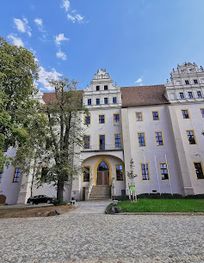
Discover the historical charm of Ortenburg in Bautzen, a captivating landmark with stunning views and rich cultural heritage.
