

Free Lusatia Travel Guide & Mobile App
Explore Lusatia with free travel guides. Discover regional history, expert tips, proposed trips, and audio guides on web or mobile app.


Explore Lusatia in Germany for Spreewald waterways, Sorbian culture, historic towns, forested hills and remarkable post-mining lake landscapes.
Read more about Lusatia
When is the best time to visit Lusatia?
Best: June–August · 22–24°C| Month | High (°C) | Rainfall (mm) |
|---|---|---|
| January | 3 | 40 |
| February | 4 | 35 |
| March | 9 | 40 |
| April | 14 | 45 |
| May | 19 | 50 |
| June (best) | 22 | 60 |
| July (best) | 24 | 70 |
| August (best) | 24 | 60 |
| September | 20 | 50 |
| October | 15 | 45 |
| November | 8 | 40 |
| December | 5 | 45 |
Getting to and around Lusatia
How to get there
Transportation
Top city travel guides in Lusatia
The cities of Lusatia, and the easiest places to base yourself.

Swipe for more cities
Destinations in Lusatia
Resorts, valleys and scenic spots worth a trip of their own.
-

-


Swipe for more destinations
Best attractions in Lusatia
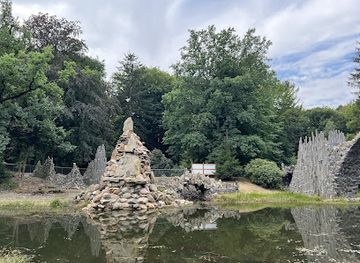
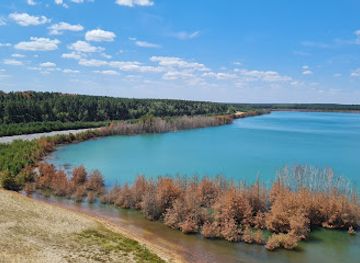
Lusatia's attractions are spread across several distinctive landscapes. In the Spreewald, the main experience is the waterway network itself: visitors can travel by traditional punt, canoe or bicycle through meadows, villages and woodland, with Lübbenau and Lübben providing the best-known access points. Cottbus combines urban museums and cultural institutions with Branitz Park, whose landscaped grounds and earth pyramids form one of the region's most unusual designed landscapes. South-east of the city, former open-cast mines have become lakes, nature areas and viewpoints within the expanding Lusatian Lakeland. Around Senftenberg, water sports and cycling sit alongside industrial heritage and stories of resettled communities. Upper Lusatia offers a different rhythm, with the historic centres of Bautzen and Görlitz, hill-country walking near Zittau, craft traditions and villages shaped by Sorbian culture. Bad Muskau's cross-border park landscape, shared with Poland, adds a major garden attraction, while smaller museums, churches and local collections provide context for mining, textiles, rural life and regional Christianity. The range is less about a concentration of headline attractions than about moving through landscapes that reveal how water, agriculture, minority culture and industry have shaped one another.
-
Tourist attraction
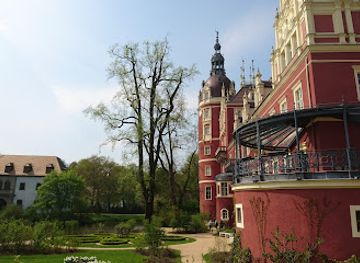
Fürst Pückler Park
Explore the stunning Fürst Pückler Park in Bad Muskau, a UNESCO World Heritage site filled with beautiful landscapes and rich history.
-
Tourist attraction
Azalea and Rhododendron Park Kromlau
Discover the enchanting beauty of Azalea and Rhododendron Park Kromlau, a stunning floral paradise in Gablenz, Germany, perfect for nature lovers and photographers.
-
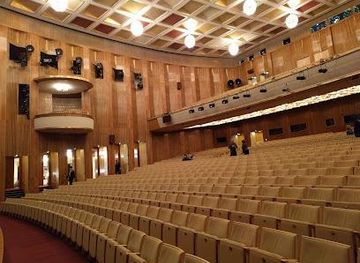
Opera house
Oper Leipzig
Discover the cultural heart of Leipzig at Oper Leipzig, a historic opera house renowned for its stunning performances and vibrant artistic atmosphere.
-
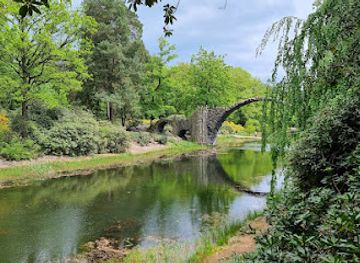
The Devil's Bridge
Discover the enchanting Devil's Bridge in Gablenz, Germany, a stunning architectural wonder surrounded by breathtaking natural beauty.

Best landmarks in Lusatia
Lusatia's landmarks express its mixture of courtly design, urban commerce, minority culture and industrial change. Branitz Park near Cottbus is distinguished by its landscaped earth pyramids and the legacy of Prince Hermann von Pückler-Muskau, whose garden design transformed otherwise level terrain into a theatrical park. In Bad Muskau, Muskau Park extends across the Neisse into Poland and is recognised as a major nineteenth-century landscape garden, making the river and international border part of its meaning. Bautzen's hilltop historic centre is marked by towers, churches and defensive structures above the Spree, while Görlitz is notable for the continuity and variety of its historic urban architecture. The Spreewald's network of channels and wooden bridges is a geographical landmark rather than a single monument, representing a long relationship between settlement, agriculture and water. In the south, open-cast mine voids, spoil heaps, restored lakes and industrial installations form a newer landmark landscape. Around Zittau, the wooded hills and distinctive villages of Upper Lusatia provide a visual contrast to the flat northern districts, showing how sharply Lusatia's scenery changes across the region.
-
Tourist attraction
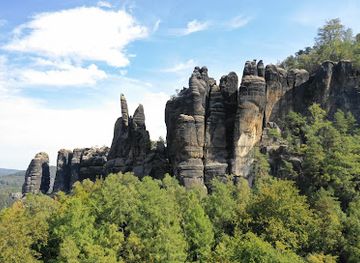
Saxon Switzerland National Park
Discover the breathtaking beauty of Saxon Switzerland National Park: a haven of sandstone cliffs, lush forests, and outdoor adventures near Dresden, Germany.
-
 Tourist attraction
Fürst Pückler Park
Discover Fürst Pückler Park, a UNESCO World Heritage Site where art and nature blend seamlessly across the German-Polish border, offering a serene escape into a 19th-century landscape masterpiece.
-
Tourist attraction
Azalea and Rhododendron Park Kromlau
Discover the enchanting Azalea and Rhododendron Park Kromlau, a stunning landscape of vibrant blooms, iconic architecture, and serene beauty in the heart of Saxony, Germany.
-
Tourist attraction
Rostiger Nagel (Landmarke Lausitzer Seenland)
Ascend the 'Rusty Nail' for panoramic views of Lusatia's reborn lake district, where industrial history meets natural beauty, offering a unique perspective on transformation.
Explore Lusatia on the map
Plan your trip on one map. See where the top cities, national parks and sights are, and book hotels and experiences in a few clicks.
Best hotels in Lusatia
Best restaurants in Lusatia
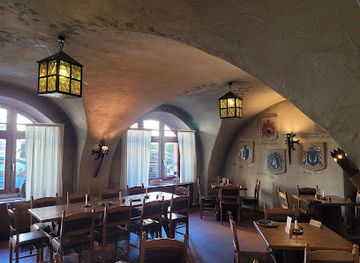
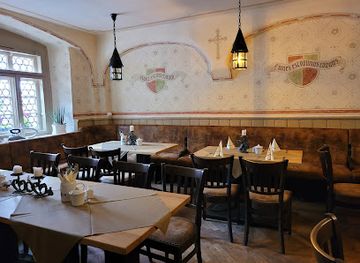
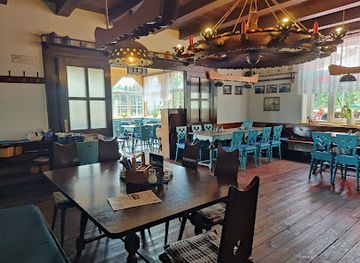
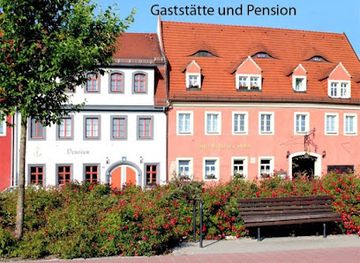
Lusatian food reflects the region's position between Brandenburg, Saxony, Silesia and Sorbian cultural areas. In the Spreewald, gherkins are the best-known local product, sold in differing styles from pungent sour varieties to sweeter preparations, while potatoes, quark, linseed oil and freshwater fish feature in traditional cooking. Carp and other fish are encountered around the waterways and lakes, although menus vary by season. Saxon and Upper Lusatian influences bring hearty soups, dumplings, cakes and pastries, alongside bakery traditions found in market towns and village cafés. Restaurants range from informal cafés and waterside establishments to country inns, brewery-style dining rooms and contemporary kitchens using regional produce. In Cottbus, Bautzen and Görlitz, the choice is broader and more international, while rural dining often depends on opening days and advance planning. Farmers' markets and specialist food shops are useful places to find gherkins, honey, preserves, breads and other local products. Sorbian-influenced dishes and festive foods are best understood through cultural events, museums and community-based programmes rather than treated as a single fixed cuisine.
-
Restaurant
Monks Court
Discover authentic local cuisine in a cozy setting at Monks Court – a culinary gem in Bautzen offering fresh seasonal dishes.
-
German
Domkeller
Experience authentic German cuisine at Domkeller in Meißen, where tradition meets flavor in a warm and inviting setting.
-
German
Potter's Mountain Inn (Töpferbaude)
Discover authentic German flavors at Potter's Mountain Inn in Oybin – where tradition meets breathtaking scenery.
-
German
Alte Schmiede und Zum Goldenen Anker
Discover authentic German cuisine and warm hospitality at Alte Schmiede und Zum Goldenen Anker in beautiful Meißen.
Best bars in Lusatia
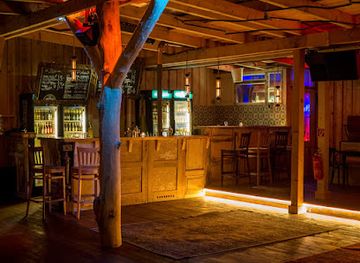
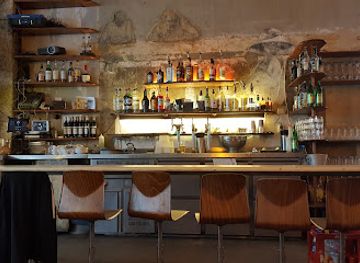
Nightlife in Lusatia is generally modest and locally focused rather than dominated by large clubs. Cottbus has the broadest evening selection, including pubs, cafés, cultural venues, live music and venues connected with its student population. Bautzen and Görlitz offer bars, restaurants and historic-town drinking places, with activity concentrated around their central streets and squares. In smaller towns such as Lübbenau, Senftenberg and Zittau, evenings tend to centre on pubs, hotel bars, seasonal lakeside venues, restaurants and occasional concerts rather than late-night clubbing. Traditional inns remain important meeting places in rural districts, while regional breweries and craft drinks may appear on menus without defining the entire nightlife scene. The Spreewald is particularly quiet outside the main visitor season, and many waterfront businesses follow seasonal patterns. Visitors should check current arrangements locally, especially for cultural performances, festivals and lakeside events, and should not assume that a rural settlement will have late public transport after an evening out.
-
Cultural center
Klunkerkranich
Discover Klunkerkranich: A rooftop cultural center in Berlin offering stunning views, vibrant nightlife, and a unique blend of art and community.
-
Bar
Mein Haus am See
Experience the vibrant fusion of bar, cafe, and nightlife at Mein Haus am See in Berlin's Mitte district, a perfect spot for relaxation and entertainment.
-
Bar
Berlin Icebar
Discover the magic of Berlin Icebar, where cocktails meet ice sculptures for a unique nightlife experience in the heart of the city.
-
Jazz
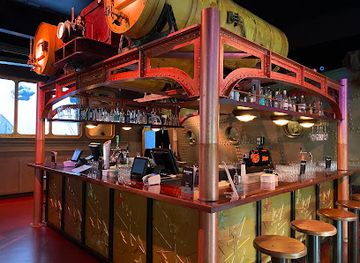
Papa Joe's Jazz Bar
Discover the vibrant rhythm of jazz at Papa Joe's Jazz Bar, Cologne's premier destination for live music and memorable nights.

Best nightclubs in Lusatia
Nightlife in Lusatia is generally modest and locally focused rather than dominated by large clubs. Cottbus has the broadest evening selection, including pubs, cafés, cultural venues, live music and venues connected with its student population. Bautzen and Görlitz offer bars, restaurants and historic-town drinking places, with activity concentrated around their central streets and squares. In smaller towns such as Lübbenau, Senftenberg and Zittau, evenings tend to centre on pubs, hotel bars, seasonal lakeside venues, restaurants and occasional concerts rather than late-night clubbing. Traditional inns remain important meeting places in rural districts, while regional breweries and craft drinks may appear on menus without defining the entire nightlife scene. The Spreewald is particularly quiet outside the main visitor season, and many waterfront businesses follow seasonal patterns. Visitors should check current arrangements locally, especially for cultural performances, festivals and lakeside events, and should not assume that a rural settlement will have late public transport after an evening out.
-
Disco club
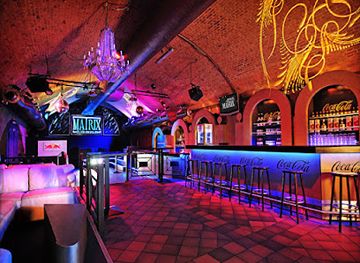
Matrix Club Berlin
Dive into Berlin's nightlife at Matrix Club, the disco hub known for its electrifying music and vibrant atmosphere, perfect for every party lover.
-
Night club
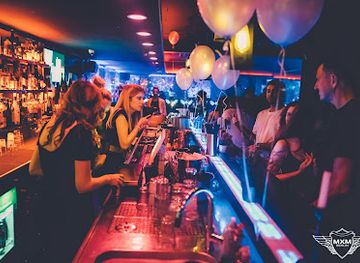
Maxxim
Experience the vibrant nightlife of Berlin at Maxxim, where electrifying beats and a stylish atmosphere come together for an unforgettable evening.
-
Night club
Cassiopeia
Experience the pulse of Berlin's nightlife at Cassiopeia, featuring a lively club, a charming beer garden, and an exciting concert hall.
-
Night club
Renate
Discover the eclectic charm of Renate, a vibrant night club in Berlin's Friedrichshain-Kreuzberg, offering unforgettable nights of music and dance.

Best shops in Lusatia
Shopping in Lusatia is strongest in historic town centres, market towns and specialist food outlets rather than large luxury districts. Cottbus offers the broadest urban choice, with a conventional centre, independent retailers and regional food shops, while Bautzen and Görlitz combine everyday shopping with bookshops, galleries, craft stores and businesses in historic streets. Lübbenau and the wider Spreewald are good places to look for gherkins, preserves, honey, herbal products and other foods associated with the waterways, although quality and provenance vary between sellers. Markets and seasonal festivals may offer pottery, textiles, woodwork, Sorbian-inspired decorative goods and painted Easter eggs; these should be bought from established artisans where possible rather than assumed to represent traditional production. Upper Lusatian towns have a long craft and textile history, reflected in small galleries, workshops and regional design shops. Supermarkets are convenient for picnic supplies and local produce, while rural opening hours can be limited. For distinctive purchases, prioritise clearly labelled regional foods, handmade goods and books or music relating to Sorbian language and culture.
-
Shopping mall
Centro Oberhausen
Explore Centro Oberhausen, a leading shopping mall in Germany, where shopping, dining, and entertainment blend seamlessly for an unforgettable experience.
-
Shopping mall
Mall of Berlin
Explore the Mall of Berlin: A shopping haven in the heart of the city with endless retail, dining, and entertainment options.
-
Shopping mall
KaDeWe - Kaufhaus des Westens
Explore KaDeWe - Europe's largest department store, showcasing luxury shopping and gourmet delights in the heart of Berlin.
-
Outlet mall
OUTLETCITY Metzingen
Discover the best of luxury shopping at OUTLETCITY Metzingen, featuring over 100 designer outlet stores in a stunning open-air setting.
Get your free copy of our complete guide to Lusatia, delivered straight to you.
Everything on this page, from attractions and restaurants to essentials and local phrases, in one PDF you can read offline, print or share.
Already have an account? Sign in
Your Lusatia guide is ready.
We'll send it to · Not you? Sign out

Getting your guide ready…
We are putting together a fresh copy of the Lusatia guide. This can take up to a minute.
This can take a few moments. If your browser asks, choose Allow so the download can start. You'll find the guide in your Downloads folder.
Nothing happened? Download it again
Sorry, the guide is taking longer than usual. Please try again in a minute, or get it by email instead.
Lusatia essentials
Currency and Payment
Safety
Emergency Situations
Do's and Don'ts
Local Tips
From Eve
Local phrases worth knowing
You don't need to get them perfect. A few words go a long way, and locals appreciate the effort.
Basics
| English | Local | Say it |
|---|---|---|
| Hello | Witaj | [vee-tah] |
| Goodbye | Zbohom | [zbo-hom] |
| Yes | Ano | [ah-no] |
| No | Nie | [nyeh] |
| Please/You’re welcome | Prosím | [pro-seem] |
| Thank you | Ďakujem | [dya-koo-yem] |
| Excuse me/Sorry | Prepáčte | [pre-patch-te] |
| How are you? | Ako sa máš? | [ah-koh sah mahsh] |
| Fine. And you? | Dobre. A ty? | [doh-breh. ah tee?] |
| Do you speak English? | Hovoríš po anglicky? | [ho-vor-eesh poh an-glit-ski?] |
| I don't understand | Nerozumiem | [neh-roh-zoo-myehm] |
Eating & Drinking
| English | Local | Say it |
|---|---|---|
| I’d like to see the menu, please | Chcel by som vidieť jedálny lístok, prosím | [khtsel bee sohm vee-dyeht yeh-dahl-nee lees-tok, pro-seem] |
| I don't eat meat | Nejem mäso | [nyeh-yem meh-soh] |
| Cheers! | Na zdravie! | [nah zdrah-vyeh] |
| I would like to pay, please | Chcel by som zaplatiť, prosím | [khtsel bee sohm zah-plah-teet, pro-seem] |
Emergencies
| English | Local | Say it |
|---|---|---|
| Help! | Pomoc! | [poh-mots] |
| Go away! | Odíď! | [oh-deech] |
| Call the Police! | Zavolajte políciu! | [zah-vo-lah-tee poh-lee-tsiyu] |
| Call a doctor! | Zavolajte lekára! | [zah-vo-lah-tee leh-kah-rah] |
| I’m lost | Som stratený | [sohm strah-teh-nee] |
| I’m ill | Som chorý | [sohm kho-ree] |
Shopping
| English | Local | Say it |
|---|---|---|
| I’d like to buy... | Chcel by som kúpiť... | [khtsel bee sohm koo-pee-t] |
| I’m just looking | Len sa pozerám | [len sah poh-zeh-rahm] |
| How much is it? | Koľko to stojí? | [kohl-koh toh stoy-ee?] |
| That’s too expensive | To je príliš drahé | [to yeh pree-leesh drah-heh] |
| Can you lower the price? | Môžeš znížiť cenu? | [moh-zesh znee-zheek tseh-noo?] |
Time & Numbers
| English | Local | Say it |
|---|---|---|
| What time is it? | Koľko je hodín? | [kohl-koh yeh ho-deen?] |
| It’s one o'clock | Je jedna hodina | [yeh yed-nah ho-dee-nah] |
| Half past (10) | Pol desiatej | [pol deh-sya-tey] |
| Morning | Ráno | [rah-no] |
| Afternoon | Popoludnie | [poh-poh-lud-nyeh] |
| Evening | Večer | [veh-cher] |
| Yesterday | Včera | [vcheh-rah] |
| Today | Dnes | [dnyes] |
| Tomorrow | Zajtra | [zahy-trah] |
| 1 | 1 | [1] |
| 2 | 2 | [2] |
| 3 | 3 | [3] |
| 4 | 4 | [4] |
| 5 | 5 | [5] |
| 6 | 6 | [6] |
| 7 | 7 | [7] |
| 8 | 8 | [8] |
| 9 | 9 | [9] |
| 10 | 10 | [10] |
Transport & Directions
| English | Local | Say it |
|---|---|---|
| Where's a/the...? | Kde je...? | [kdeh yeh...?] |
| What's the address? | Aká je adresa? | [ah-kah yeh ah-dreh-sah?] |
| Can you show me (on the map)? | Môžeš mi ukázať (na mape)? | [moh-zesh mee oo-kah-zat (nah mah-peh)?] |
| When's the next (bus)? | Kedy ide ďalší (autobus)? | [keh-dee ee-deh dyal-shee (ow-toh-boos)?] |
| A ticket (to ....) | Lístok (do ....) | [lees-tok (doh ....)] |
History of Lusatia
Prehistoric Lusatian Culture
The term Lusatia is linked by historians and archaeologists to the Lusatian culture, a Bronze Age and early Iron Age archaeological tradition associated with parts of present-day eastern Germany and neighbouring Central Europe. Its settlements, burial practices and fortified sites belong to a much earlier world than the modern regional identity, but they demonstrate the long history of human occupation in the area. Archaeological remains around the region help place later Slavic, German and industrial developments within a much deeper landscape history.
Slavic Settlement and the Sorbian Heritage
From the early medieval period, West Slavic groups settled across the region, including ancestors of today's Sorbs. German expansion, Christianisation and the growth of medieval lordships gradually altered political control, but Slavic language and customs survived in parts of Lusatia. The modern Sorbian community is the most visible continuation of this heritage. Its languages, villages, religious traditions and annual customs remain particularly prominent in and around Bautzen, Cottbus and the Spreewald, though the cultural geography is varied rather than uniform.
Medieval Margraviates and Towns
Medieval Lusatia developed through a changing collection of marches, lordships and urban communities rather than as a single enduring state. Lower Lusatia and Upper Lusatia followed different political paths, while towns including Bautzen, Görlitz, Cottbus and Zittau gained importance through trade, crafts and regional administration. Fortifications, churches and merchant houses that survive in these centres reflect the economic influence of medieval and early modern trade routes linking Saxony, Brandenburg, Bohemia and Silesia.
The Thirty Years' War and Changing Sovereignty
The seventeenth century brought warfare, disease and economic disruption to Lusatia, as it did to much of Central Europe. After the Thirty Years' War, Upper and Lower Lusatia were divided politically: Upper Lusatia became associated with Saxony, while Lower Lusatia came under Brandenburg and later Prussian influence. These arrangements helped create some of the administrative and cultural distinctions that visitors still encounter between southern Brandenburg and eastern Saxony.
Textiles, Crafts and Regional Trade
From the early modern period into the nineteenth century, weaving, textile production, pottery and other crafts shaped many Lusatian towns. Zittau and the surrounding Upper Lusatian area became associated with textile manufacture, while trade connections supported the growth of prosperous merchant communities. Historic town houses, guild traditions and civic buildings reflect this commercial past. Industrial development did not erase older craft economies immediately; instead, mechanised production and established regional skills existed alongside one another.
Lignite and Industrial Transformation
Lignite mining expanded dramatically in Lusatia from the nineteenth century and became one of the region's defining industries during the twentieth century. Open-cast mines, power stations, railways and worker settlements reshaped the countryside, while entire villages were relocated or disappeared. Under the German Democratic Republic, Lusatia was one of East Germany's major energy-producing regions. Mining left extensive environmental damage, but also a distinctive industrial heritage and a landscape now being transformed into the Lusatian Lakeland.
Sorbian Cultural Revival and German Reunification
Sorbian cultural institutions and language use faced pressure during the twentieth century, although Sorbian education, publishing, religious practice and associations persisted. Since German reunification in 1990, constitutional protections and cultural organisations have supported renewed visibility, particularly in bilingual areas. At the same time, the decline of lignite mining has brought economic uncertainty and large-scale environmental restoration. Contemporary Lusatia is therefore shaped by two parallel projects: sustaining minority culture and creating new futures for former industrial landscapes.
Lusatia in Photos
Browse through our photo collection highlighting the charm and character of the destination.
Neighbouring regions of Lusatia
The closest regions to Lusatia, if you have time for more than one.
-

-

-

-

-


Swipe for more regions
Explore more

Explore more of Germany
Experience Germany: where history meets innovation, and urban energy blends with natural beauty. Discover diverse cultures, delicious cuisine, and stunning landscapes.
Explore Germany