Heidemuseum Dat ole Huus: A Step Back in Time
Discover 19th-century rural life at Heidemuseum Dat ole Huus in Wilsede, a charming car-free village in the heart of Lüneburg Heath, offering an immersive journey into the region's past.
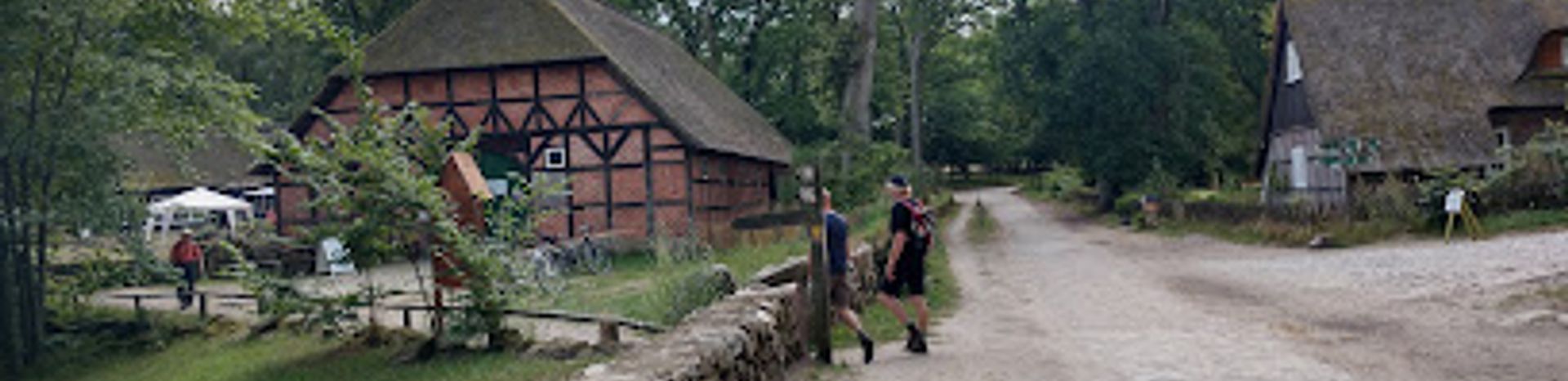
Heidemuseum Dat ole Huus, nestled in the heart of Wilsede, offers a captivating glimpse into 19th-century rural life on the Lüneburg Heath. This meticulously preserved farmhouse, dating back to 1742, showcases the rustic living conditions and traditions of the region's past. Visitors can explore the traditional layout, where humans and animals once shared the same roof, and discover the origins of common German sayings. With its authentic furnishings and informative exhibits, the museum provides an immersive experience, transporting visitors to a bygone era. The combined ticket also grants access to the Emhoff sheep shed, featuring changing exhibitions about the cultural landscape of the Lüneburg Heath.
A brief summary to Heidemuseum Dat ole Huus
- Wilsede 3A, Bispingen, Wilsede, 29646, DE
- +494175802933
- Visit website
Local tips
- Wear comfortable shoes, as Wilsede is a car-free village and requires walking to reach the museum.
- Combine your visit with a horse-drawn carriage ride through the Lüneburg Heath for a truly authentic experience.
- Check the schedule for guided tours to gain deeper insights into the history and traditions of the farmhouse.

Getting There
-
Walking/Horse-drawn Carriage/Bicycle
Wilsede is a car-free village within the Lüneburg Heath Nature Reserve. The final approach to Heidemuseum Dat ole Huus requires travel by foot, bicycle, or horse-drawn carriage. Several parking areas are located on the periphery of the nature reserve in nearby towns such as Undeloh, Niederhaverbeck, or Oberhaverbeck. From these parking areas, follow well-marked hiking trails or cycle paths towards Wilsede. Alternatively, horse-drawn carriages are available from these towns, offering a scenic ride to Wilsede. Once in Wilsede, the museum is located in the village center, easily identifiable by its traditional thatched-roof farmhouse architecture. Horse-drawn carriage rides typically cost around €15-20 per person.
-
Public Transport & Walking
For visitors arriving by public transport, the Heide-Shuttle bus service offers a convenient way to reach the Lüneburg Heath region. Several Heide-Shuttle routes connect nearby towns and villages with trailheads leading to Wilsede. From Lüneburg, take Heide-Shuttle Ring 5 to Döhle. From train stations in Handeloh, Wintermoor, Schneverdingen, Soltau and Wolterdingen, you can connect to the Heide-Shuttle bus routes. From the designated bus stops, follow the hiking trails or cycle paths towards Wilsede. The final leg of the journey will be on foot, by bicycle, or by horse-drawn carriage. Heide-Shuttle is free of charge from July 15 to October 15. Outside of this period, standard bus fares apply.
Discover more about Heidemuseum Dat ole Huus
Iconic landmarks you can’t miss

Office of the Lüneburg Heath Nature Park
2.0 km
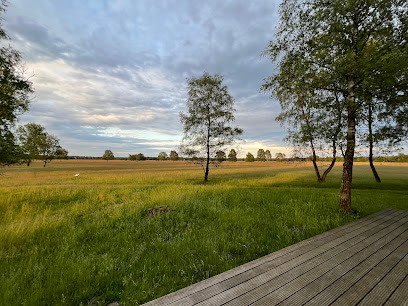
Discover the Lüneburg Heath: Explore Germany's largest heathland, a unique landscape of purple heather, ancient forests, and charming villages, perfect for hiking, cycling, and nature lovers.
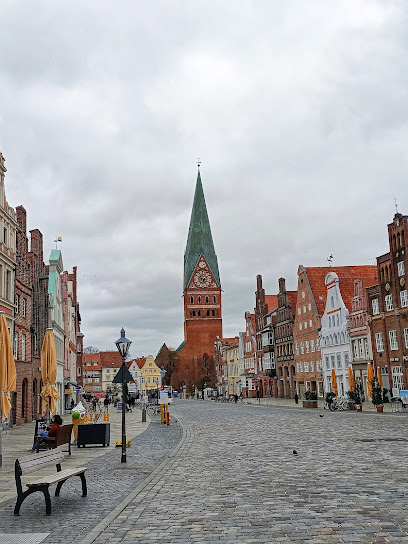
Am Sande
31.3 km
Discover Am Sande in Lüneburg: A historic square with stunning medieval architecture, vibrant events, and a charming atmosphere, reflecting the city's rich Hanseatic past.
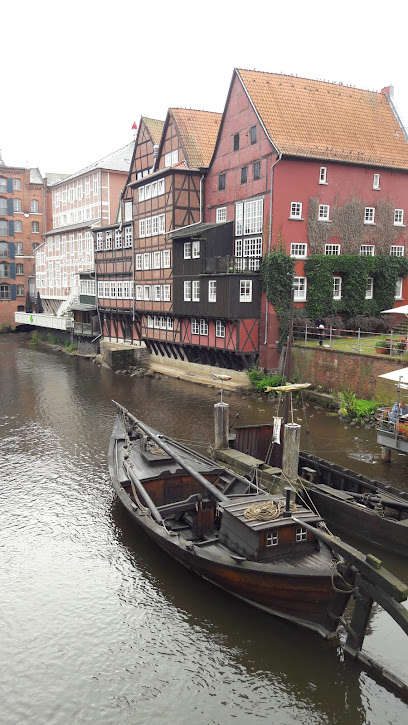
Old Hanseatic wooden boats
31.6 km
Explore Lüneburg's maritime past at the Stintmarkt: Admire historic Hanseatic wooden boats, savor waterfront dining, and discover the legacy of the 'white gold' salt trade.
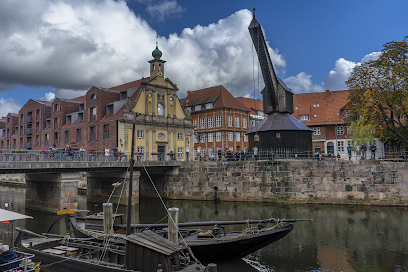
Krügerhaus Lüneburg
31.6 km
Discover the historical charm of Krügerhaus in Lüneburg, a captivating landmark showcasing traditional architecture and offering a glimpse into the city's rich heritage on Wandrahmstraße.
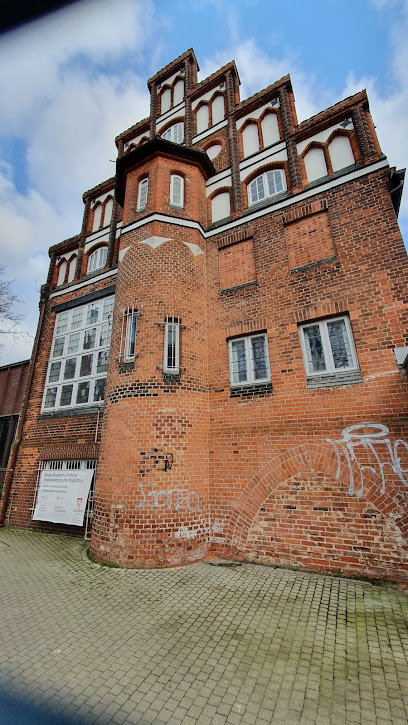
Old crane in the Lüneburg harbor
31.6 km
Discover the historic Old Crane in Lüneburg, a symbol of the city's Hanseatic past and salt trade legacy, offering a glimpse into medieval engineering and waterfront charm.
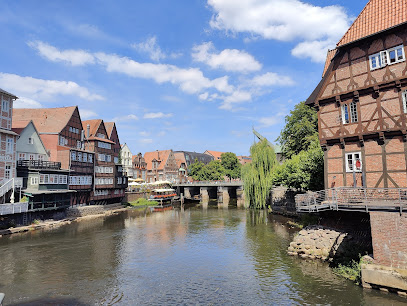
Lüneburg
31.7 km
Discover Lüneburg: A captivating Hanseatic city blending medieval charm with youthful energy, offering a rich history, vibrant culture, and unforgettable experiences.
Neuengamme concentration camp Memorial
35.0 km
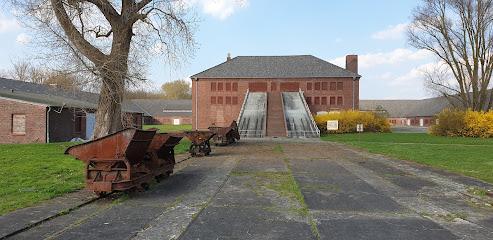
Explore the Neuengamme Concentration Camp Memorial in Hamburg, a place of remembrance, education, and reflection on the atrocities of the Nazi regime and the importance of human rights.
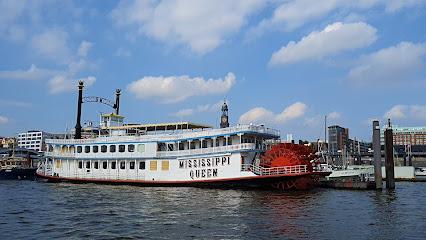
Port of Hamburg
38.1 km
Explore the dynamic Port of Hamburg, Germany's gateway to the world, where maritime history meets modern trade on the Elbe River, offering captivating harbor tours and cultural experiences.
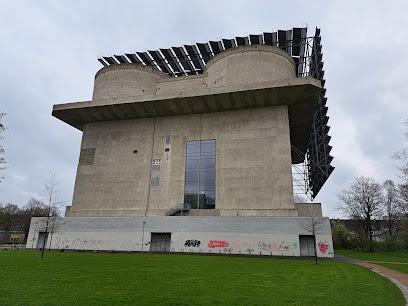
Energiebunker
38.5 km
Explore Hamburg's Energiebunker: a WWII relic transformed into a renewable energy marvel with panoramic city views and a rooftop café, showcasing sustainable innovation.
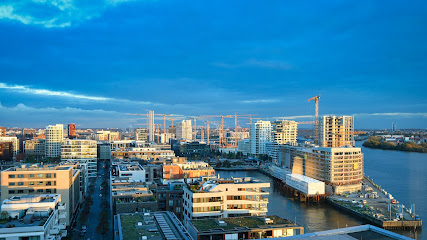
Marco Polo Tower
41.7 km
A captivating architectural landmark in Hamburg's HafenCity, the Marco Polo Tower's twisting design and sustainable features offer a glimpse into the future of urban living, with stunning harbor views.
Platz der Deutschen Einheit
41.8 km
Reflect on German history at Platz der Deutschen Einheit in Hamburg's HafenCity, where a piece of the Berlin Wall stands as a symbol of unity near the modern Elbphilharmonie.
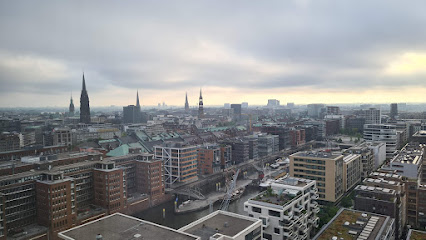
Kehrwiederspitze - Hamburg-Hafen
42.1 km
Explore Kehrwiederspitze in Hamburg's HafenCity: Where maritime history meets modern innovation, offering stunning harbor views and a gateway to the Speicherstadt.
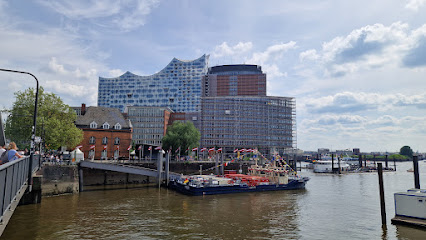
Old Boiler House
42.1 km
Explore Hamburg's industrial past at the Old Boiler House, now the HafenCity InfoCenter, where history meets modern urban development on the picturesque Sandtorkai.
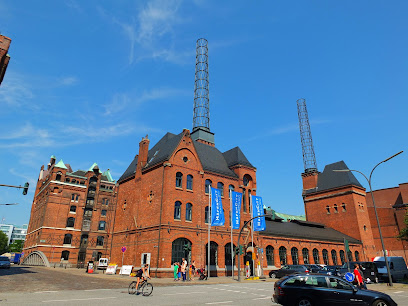
Niederbaumbrücke
42.2 km
Cross the Niederbaumbrücke in Hamburg for stunning views of the Elbe, Speicherstadt, and HafenCity, bridging the city's rich maritime past with its modern future.
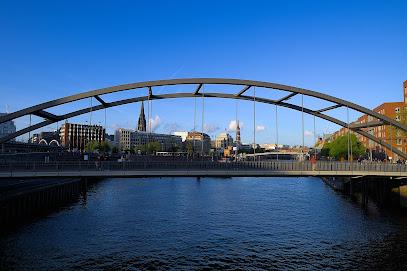
Kleines Leuchtfeuer
42.2 km
Discover the charm of Hamburg's maritime past at the Kleines Leuchtfeuer on Störtebeker Ufer, a picturesque landmark offering stunning waterfront views in the heart of HafenCity.
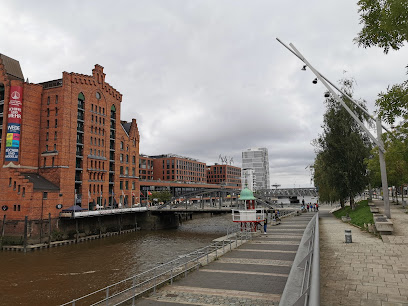
Unmissable attractions to see

Hanibals Grab
1.1 km
Explore the historical allure of Hannibal's Grave in Bispingen, a captivating site rich in folklore and natural beauty in Lüneburger Heide.
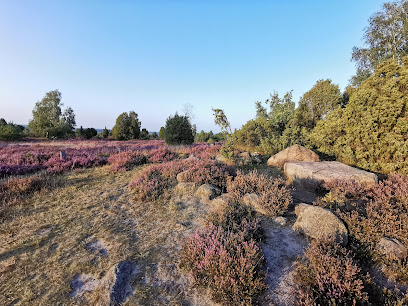
Totengrund
1.2 km
Experience the natural beauty of Totengrund, a scenic wonder in the Lüneburger Heide, perfect for nature lovers and outdoor enthusiasts.
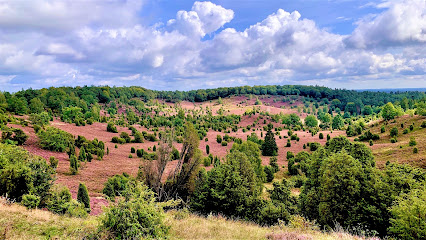
Wilseder Berg
1.4 km
Discover the stunning natural beauty of Wilseder Berg, a tranquil park in Lüneburger Heide, perfect for outdoor adventures and relaxation.
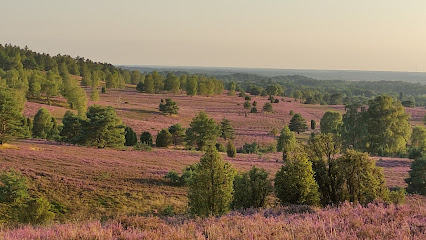
Heideblüte
2.6 km
Discover the natural beauty of Heideblüte in Luneburger Heide, a breathtaking hiking area perfect for outdoor adventures and serene escapes.
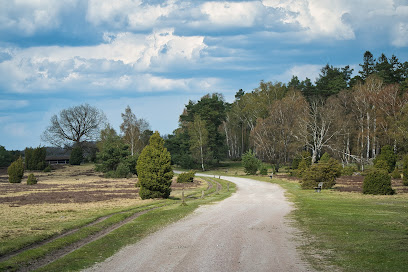
Aussichtsplattform Fürstengrab
3.0 km
Experience the breathtaking views of Lüneburg Heath from the Aussichtsplattform Fürstengrab, a serene observation deck in Bispingen, Germany.
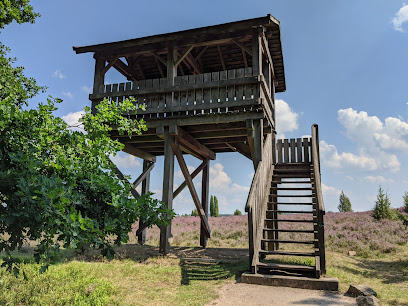
Turmberg
3.0 km
Experience the breathtaking beauty and serene hiking trails of Turmberg in Bispingen, Germany, perfect for adventurers and nature lovers.
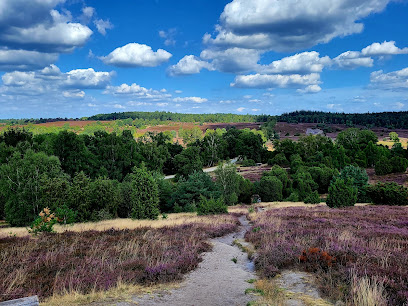
Behringer Heide
4.7 km
Explore Behringer Heide, a stunning wildlife refuge in Bispingen, Germany, where nature and tranquility unite for an unforgettable outdoor experience.
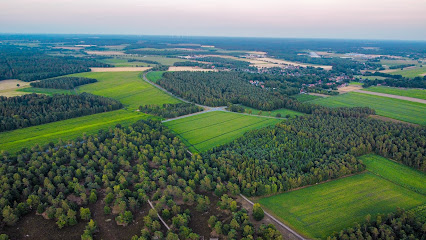
Behringer Hügelgräberheide mit barrierefreiem Rundwanderweg
4.9 km
Explore Behringer Hügelgräberheide, a historical landmark in Bispingen, Germany, featuring ancient burial mounds and scenic walking paths for all ages.
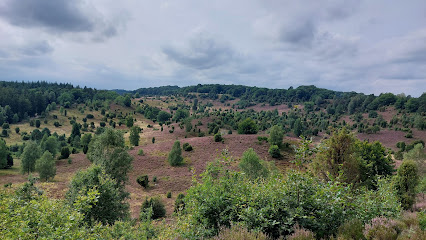
Preising Heide
4.9 km
Explore the serene Preising Heide wildlife refuge in Lüneburg Heath, where nature flourishes and adventure awaits in scenic surroundings.
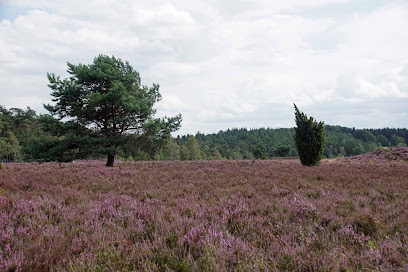
Weseler Heide
7.0 km
Discover the enchanting Weseler Heide, a stunning wildlife refuge in Undeloh, perfect for nature walks, wildlife spotting, and tranquil retreats.
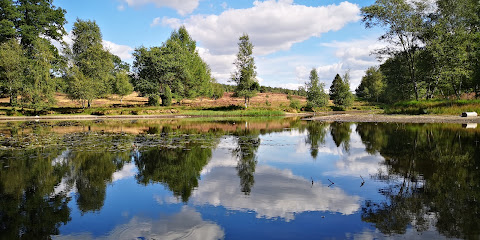
Barfußpark Lüneburger Heide in Egestorf
7.2 km
Discover the enchanting Barfußpark Lüneburger Heide in Egestorf, where adventure meets nature through unique barefoot trails and delightful dining.
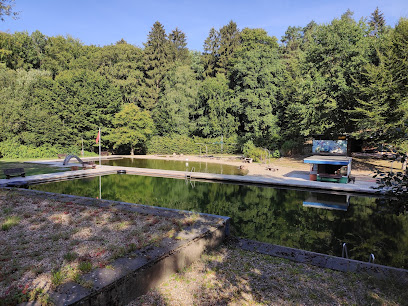
Borsteler Schweiz
7.2 km
Experience the serene beauty of Borsteler Schweiz, a stunning hiking area and nature preserve in Bispingen, perfect for outdoor adventures and relaxation.
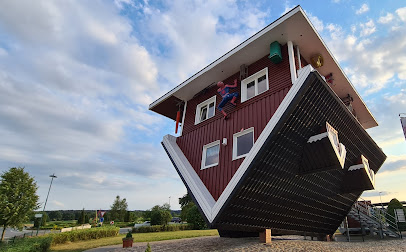
THE CRAZY HOUSE
7.4 km
Discover the whimsical world of The Crazy House in Bispingen, where reality bends and fun awaits for all ages in a unique museum experience.
Längengradstein
9.4 km
Discover Läneggradstein in Bispingen, Germany, an enchanting tourist attraction renowned for its stunning natural landscapes and tranquil atmosphere.
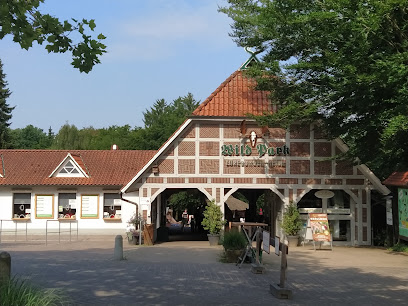
Wildpark Lüneburger Heide
9.9 km
Discover the beauty of wildlife at Wildpark Lüneburger Heide, a family-friendly park showcasing native and exotic animals in a beautiful natural setting.
Essential places to dine

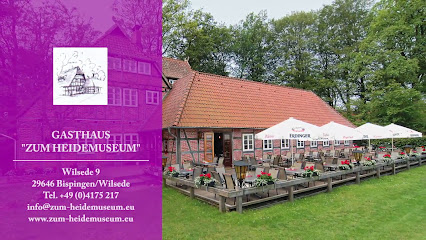
Gasthaus Zum Heidemuseum, Wilsede
0.1 km
Experience authentic German cuisine and warm hospitality at Gasthaus Zum Heidemuseum in Wilsede amidst stunning natural landscapes.
Landhaus Haverbeckhof
3.9 km
Discover tranquility at Landhaus Haverbeckhof - your perfect hotel getaway featuring delightful dining amidst stunning natural beauty.

Acht Linden
7.6 km
Discover comfort and culinary excellence at Acht Linden in Egestorf - your ideal retreat near Lüneburg Heath.
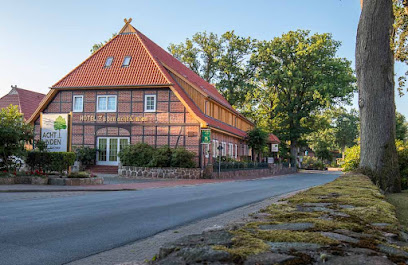
Restaurant Tafelhuus
9.5 km
Experience authentic German cuisine at Restaurant Tafelhuus in Bispingen - where tradition meets taste in every delightful dish.
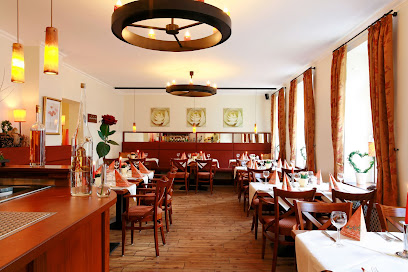
Restaurant Seminaris
30.6 km
Discover the flavors of Lüneburg at Restaurant Seminaris - where traditional German cuisine meets modern culinary artistry.
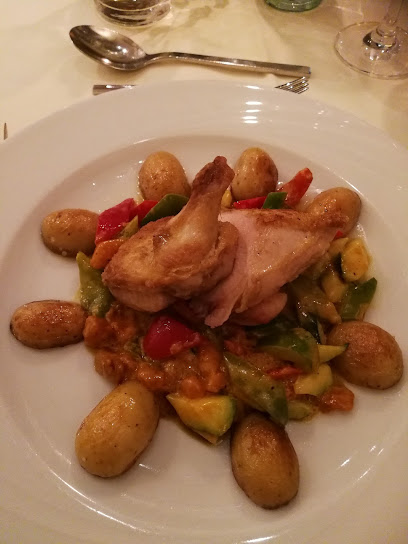
Restaurant Anno1900
30.9 km
Experience authentic German cuisine at Restaurant Anno1900 in Lüneburg - a culinary treasure with a charming beer garden.
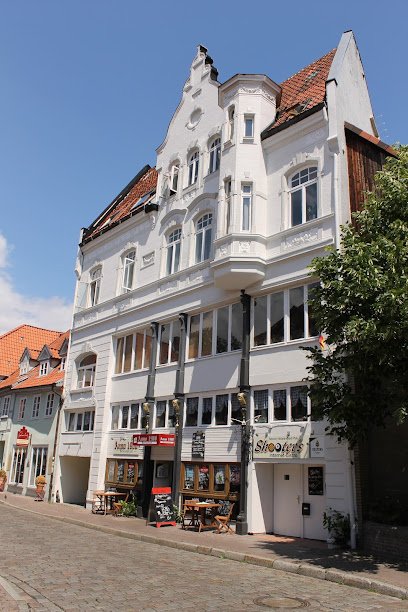
Röhms Deli
31.0 km
Discover Röhms Deli in Lüneburg - where gourmet groceries meet exquisite German cuisine for an unforgettable culinary experience.
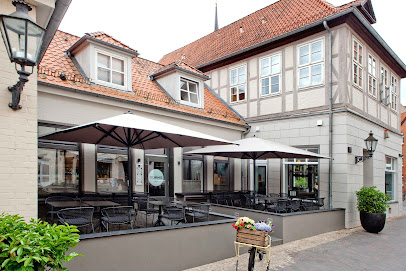
India Haus Lüneburg
31.1 km
Discover authentic Indian flavors at India Haus Lüneburg – a culinary gem offering a diverse menu in a cozy setting.
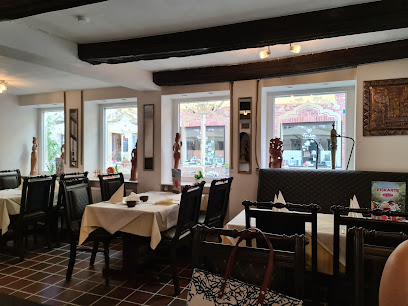
TO HUUS Gastwirtschaft Lüneburg
31.1 km
Savor the best of local cuisine at TO HUUS Gastwirtschaft Lüneburg – where tradition meets modern flavors in a charming setting.
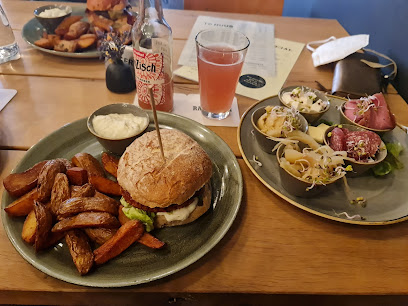
Altes Brauhaus
31.1 km
Discover authentic German cuisine at Altes Brauhaus in Lüneburg, where history meets hospitality in a cozy setting.
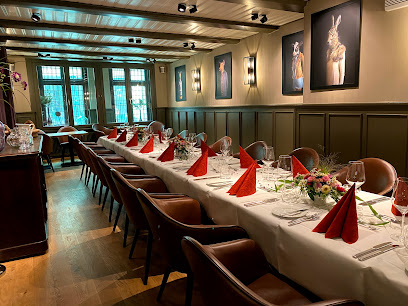
KRONE Brauhaus
31.1 km
Savor traditional German flavors and local brews at KRONE Brauhaus in Lüneburg – a culinary haven for tourists.
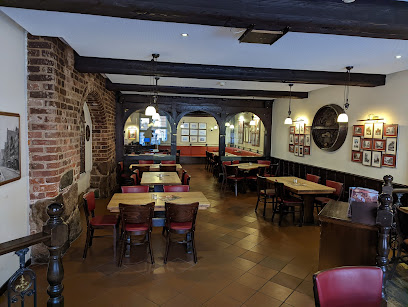
Mälzer Brau- und Tafelhaus
31.2 km
Experience authentic German cuisine and craft beer at Mälzer Brau- und Tafelhaus in Lüneburg - a culinary gem in the heart of Germany.
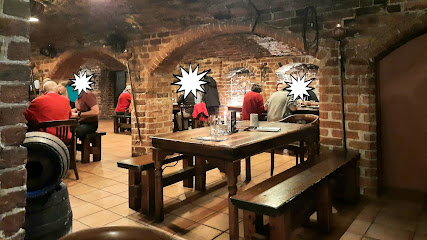
SA BACCA Feierabendkultur
31.3 km
Discover the authentic flavors of Spain at SA BACCA Feierabendkultur in Lüneburg's charming market square.
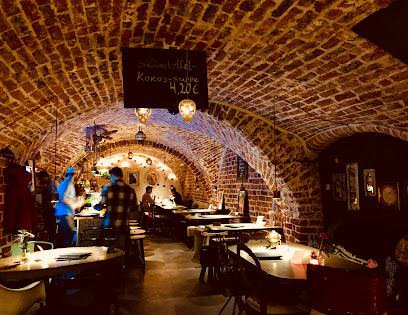
Das Restaurant in Lüneburg | Elrado-House
31.3 km
Experience the flavors of Lüneburg at Elrado-House – where traditional German cuisine meets modern culinary artistry.
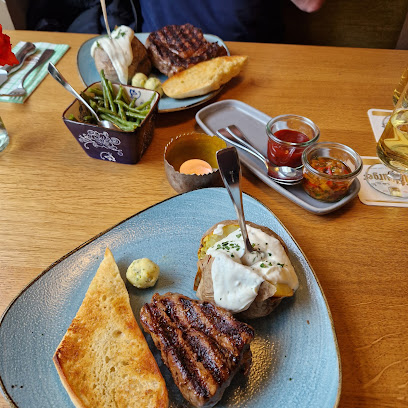
Zum Roten Tore
31.3 km
Discover the perfect blend of comfort and fine dining at Zum Roten Tore in Lüneburg – your gateway to local flavors and relaxation.
Markets, malls and hidden boutiques

Lüneburg Heath
2.8 km
Explore Lüneburg Heath, a breathtaking nature preserve in Germany, known for its stunning landscapes, vibrant heather fields, and diverse wildlife.
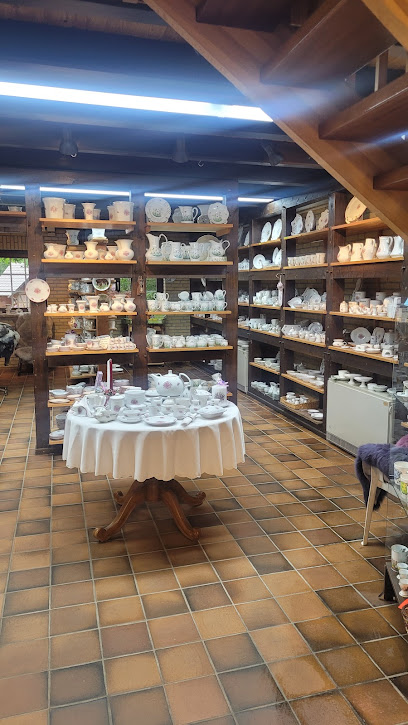
Porzellanmanufaktur Calluna Oberhaverbeck
3.7 km
Explore the exquisite craftsmanship of German porcelain at Porzellanmanufaktur Calluna in Oberhaverbeck, a must-visit destination for art and pottery lovers.
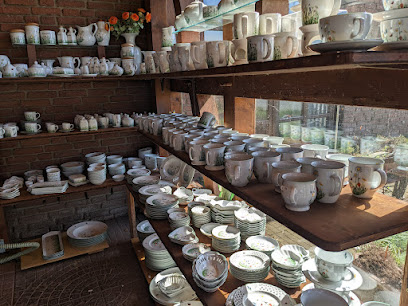
Porzellanmanufaktur Calluna
5.3 km
Experience the exquisite craftsmanship of Porzellanmanufaktur Calluna in Bispingen, where fine chinaware meets rich German tradition.
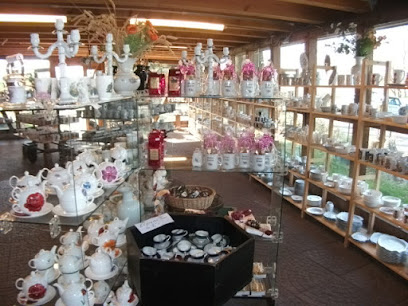
Craftingstudio
5.5 km
Discover the artistic heart of the city at Craftingstudio, a unique gift shop filled with handmade treasures and creative inspiration.
Willis Hofladen
6.7 km
Discover Willis Hofladen, a delightful farm shop in Bispingen offering fresh local produce and handmade goods, celebrating the essence of rural life.
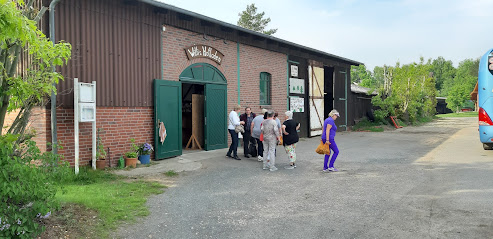
Degenhof Manufaktur Hofladen Fleisch - und Feinkost
6.9 km
Experience the authentic taste of Germany at Degenhof Manufaktur Hofladen, a delightful farm shop and café in Egestorf's charming countryside.
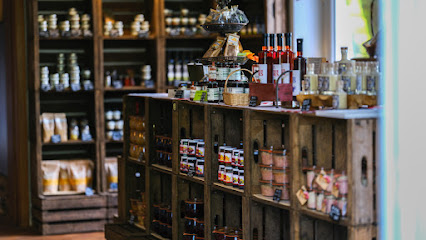
Brennerei Bosselmann Lüneburger Heide
7.2 km
Explore the rich tradition of distillation at Brennerei Bosselmann, a hidden gem in the scenic Lüneburger Heide, perfect for spirit lovers and nature enthusiasts.
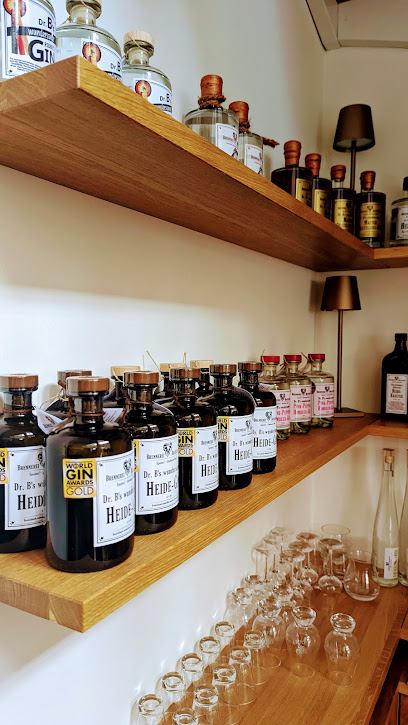
Grube KG
8.3 km
Discover Grube KG in Bispingen, your ultimate destination for outdoor clothing, tools, and hunting and fishing supplies, all in one spot.
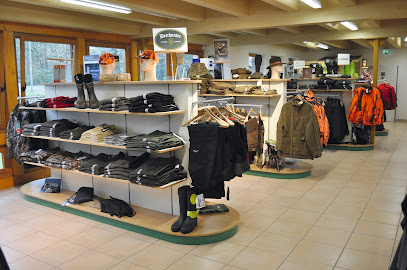
Kiebitzmarkt Renken
9.3 km
Discover Kiebitzmarkt Renken in Bispingen – your ultimate destination for pet supplies, gardening essentials, and expert advice.
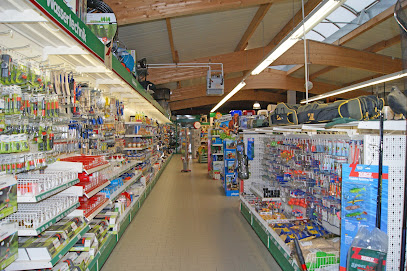
GenussReich Naturkost und mehr
9.3 km
Discover the heart of Bispingen's organic food scene at GenussReich Naturkost und mehr, where quality meets sustainability in every bite.
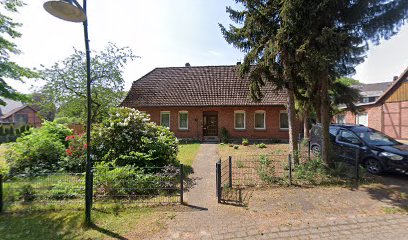
Dodt Einzelhandel UG
9.3 km
Discover a world of books and stationery at Dodt Einzelhandel UG, a charming gift shop in Bispingen, Germany, perfect for souvenirs and local finds.
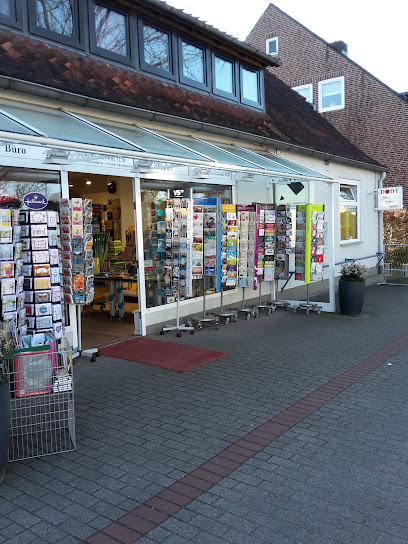
Schmucke Witwe
9.5 km
Experience the charm of Bispingen at Schmucke Witwe, a unique gift shop, café, and beer garden offering delightful local flavors and souvenirs.
ROSSMANN Drogeriemarkt
9.6 km
Explore Bispingen's ROSS-MANN Drogeriemarkt for a variety of personal care and household essentials at competitive prices.
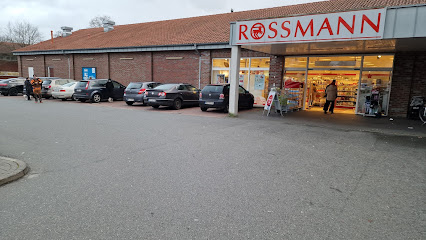
Heide-Kiosk-Höpen
10.8 km
Explore the charming Heide-Kiosk-Höpen in Schneverdingen for local snacks and unique souvenirs that capture the essence of this beautiful region.
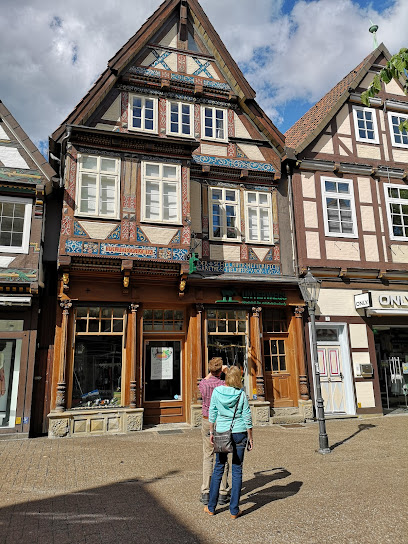
Department store Dittmer, F.W. Dittmer KG
10.8 km
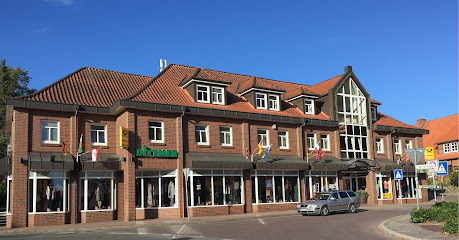
Experience the unique shopping charm of Dittmer Department Store in Hanstedt, where quality products meet excellent customer service.
Essential bars & hidden hideouts

FLASHBULLIBAR
3.4 km
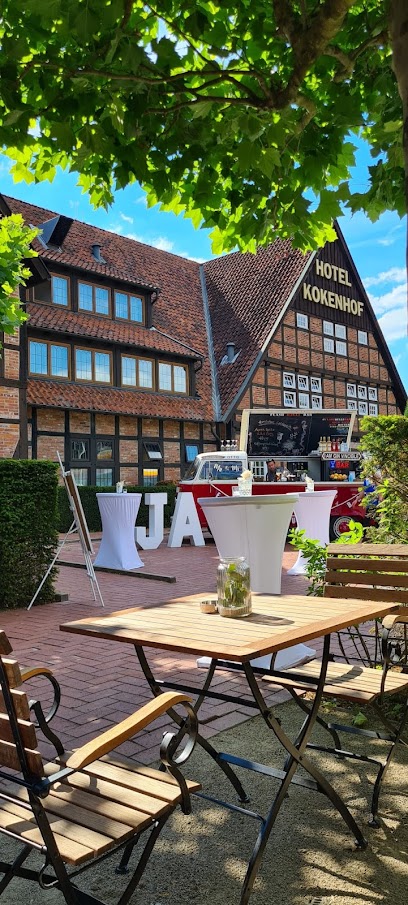
Delight in the creative cocktails of FLASHBULLIBAR, the vibrant mobile bar in Bispingen that elevates your drinking experience.
Linden Pub
7.6 km
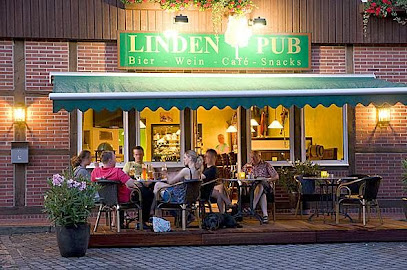
Discover the cozy atmosphere and delightful drinks at Linden Pub, Egestorf's favorite local gathering spot for travelers and locals alike.
Cafe Auszeit Bar
9.3 km
Discover the charm of Cafe Auszeit Bar in Bispingen, where delightful beverages meet a cozy atmosphere for the perfect relaxation.
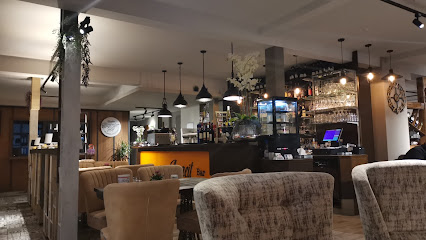
Momo’s Bar
12.4 km
Discover Momo’s Bar in Schneverdingen - a cozy pub offering local drinks and a vibrant atmosphere perfect for socializing.
La Habana - Bistro & Bar
12.5 km
Experience the vibrant flavors of Cuba at La Habana - Bistro & Bar in Schneverdingen, where culinary delights and a lively atmosphere await.
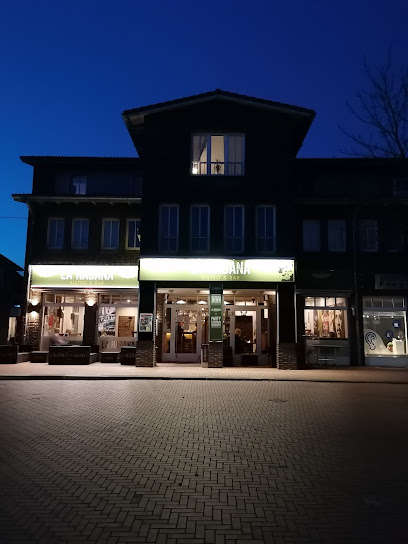
Crown_Bar Lüneburg
31.0 km
Experience the best of nightlife in Lüneburg at Crown Bar, where exquisite cocktails meet premium hookah in a cozy atmosphere.
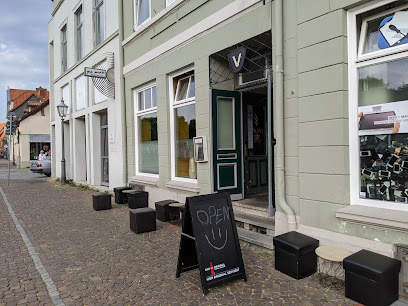
Beekays
31.0 km
Experience the vibrant flavors of Beekays in Lüneburg, where cocktails, pizza, and a warm atmosphere await every visitor.
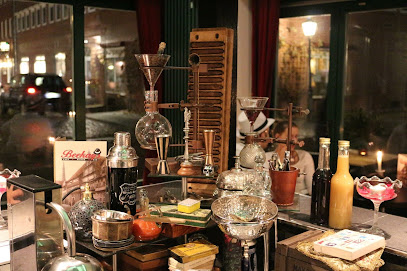
Down Under
31.0 km
Discover the authentic German pub experience at Down Under in Lüneburg, where great food and drinks meet a vibrant atmosphere.
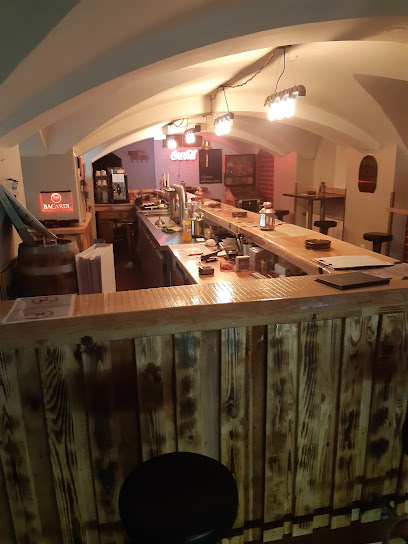
Down in Town Cocktail Lounge and more
31.1 km
Discover the perfect blend of cocktails and hookah in Lüneburg at Down in Town Cocktail Lounge, where vibrant atmosphere meets exceptional drinks.
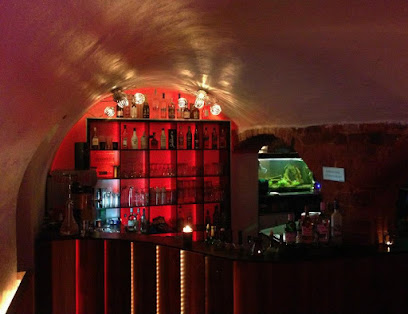
Tír na nÓg
31.2 km
Discover Tír na nÓg, an authentic Irish pub in Lüneburg offering traditional dishes, fine whiskey, and a lively atmosphere for all visitors.
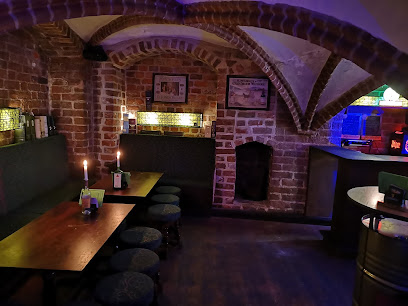
Rock Café kasa
31.3 km
Experience the vibrant atmosphere of Rock Café Kasa, Lüneburg's premier pub for affordable drinks and local culture.
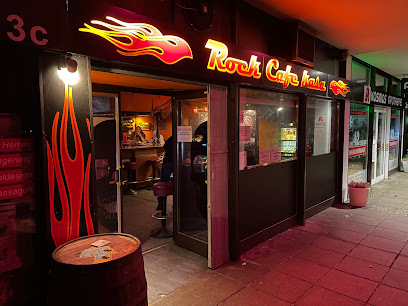
Purple Fox / Kitchen, Bar
31.4 km
Discover Purple Fox in Lüneburg, where innovative cocktails and culinary delights create an unforgettable dining experience.
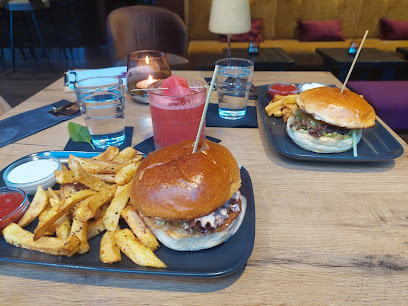
AGRON - Lüneburg
31.4 km
Experience the vibrant atmosphere of AGRON in Lüneburg, offering exceptional drinks, delicious meals, and memorable events in a stylish setting.
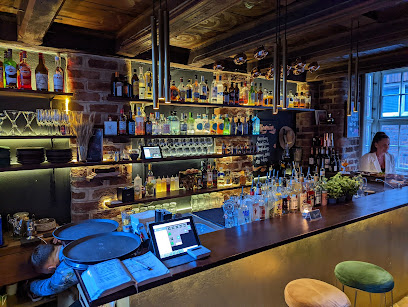
Hausbar
31.5 km
Experience the vibrant nightlife at Hausbar in Lüneburg - a cozy bar serving delightful drinks in a welcoming atmosphere.
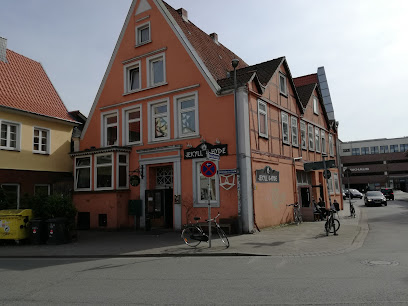
Jekyll & Hyde
31.5 km
Experience the charm of Jekyll & Hyde in Lüneburg, where delicious food meets a vibrant bar atmosphere.
Nightclubs & after hour spots

Rüdiger Engelhardt Diskothek Welcome II
8.8 km
Discover the exhilarating nightlife at Rüdiger Engelhardt Diskothek Welcome II in Bispingen, where unforgettable moments and vibrant beats await.
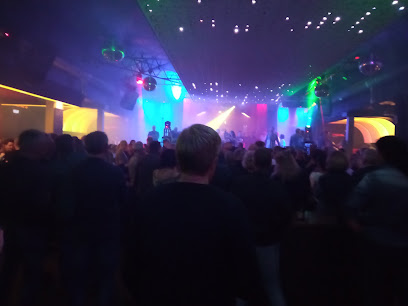
Monkeybar & Club
12.5 km
Unleash your nightlife spirit at Monkeybar & Club, the ultimate disco experience in Schneverdingen, where the music never stops and the fun begins!
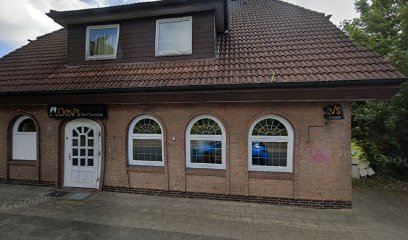
Kuhstall Wolterdingen
17.8 km
Discover the vibrant nightlife at Kuhstall Wolterdingen, Soltau's premier night club offering unforgettable music and a lively atmosphere.
Event DJ Lüneburg
27.0 km
Dive into the vibrant nightlife at Event DJ Lüneburg, where great music and unforgettable experiences await you in the heart of Reppenstedt.
Lüneburg Modelle
30.7 km
Experience the vibrant nightlife at Lüneburg Modelle, where unforgettable moments and electrifying music come together in a stunning atmosphere.
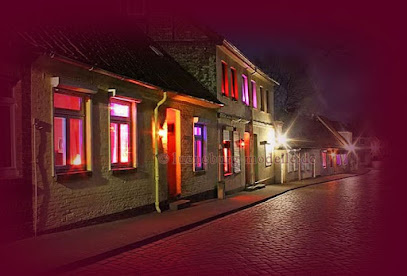
Salon Hansen
30.9 km
Discover the heart of Lüneburg's nightlife at Salon Hansen, where music and fun come together to create unforgettable memories.
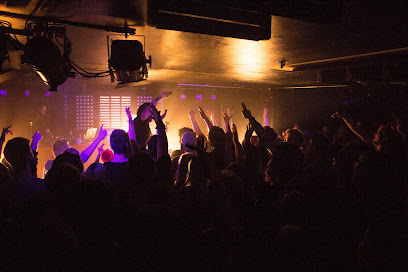
Lost in Eria
31.1 km
Discover the pulse of Lüneburg's nightlife at Lost in Eria, where every night is a celebration of music, dance, and unforgettable memories.

Chilli Club
42.1 km
Experience the vibrant flavors of Asia at Chilli Club, Hamburg's premier destination for sushi and authentic Asian cuisine.
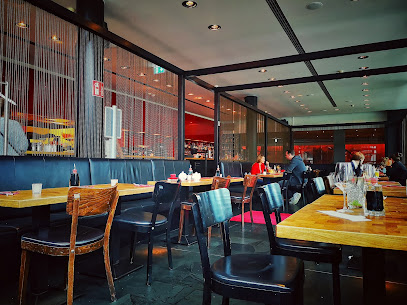
Inside 80s Club - Hamburg
42.6 km
Experience the pulsating energy of the 80s at Inside 80s Club in Hamburg, where unforgettable nights of dancing and nostalgia await.
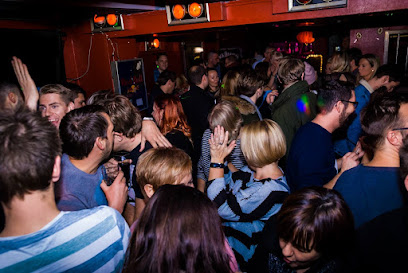
scandinavian club
42.7 km
Discover the energetic atmosphere of Scandinavian Club, a premier night club in Hamburg offering diverse music and vibrant nightlife experiences.
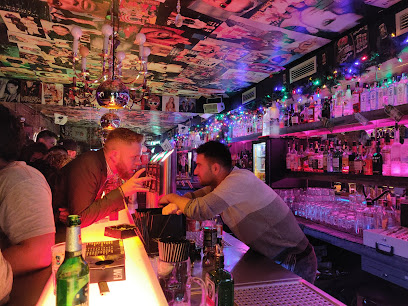
Angie's
42.7 km
Experience the vibrant nightlife at Angie's, Hamburg's premier live music venue and night club, where every night promises unforgettable entertainment.
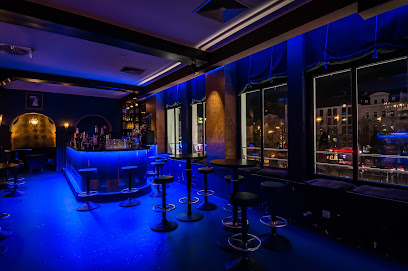
Summer Salon in the clubhouse
42.7 km
Experience the pulsating nightlife of Hamburg at Summer Salon, where live music, cocktails, and a vibrant beer garden await you.
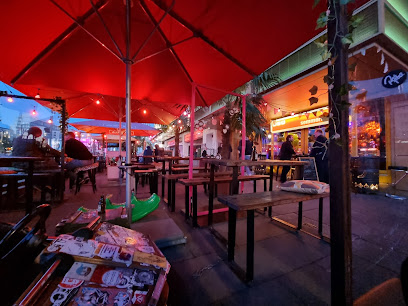
GAGA
42.7 km
Discover the pulsating energy of GAGA, Hamburg's premier night club, where dining meets vibrant nightlife and live music ignites the dance floor.
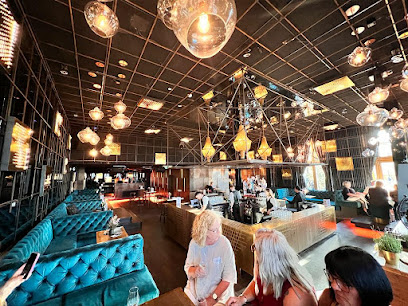
Moondoo
42.8 km
Discover the electrifying nightlife at Moondoo, Hamburg's premier night club, bar, and concert hall in the heart of the Reeperbahn district.
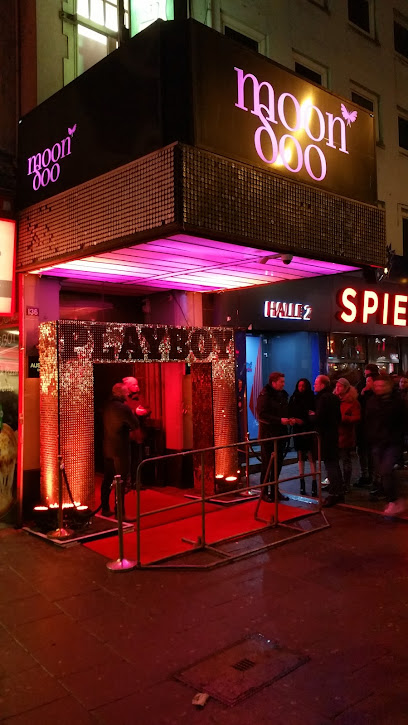
GeizClub
42.8 km
Experience Hamburg's nightlife at GeizClub, a premier nightclub known for its vibrant ambiance, diverse music, and unforgettable nights out.