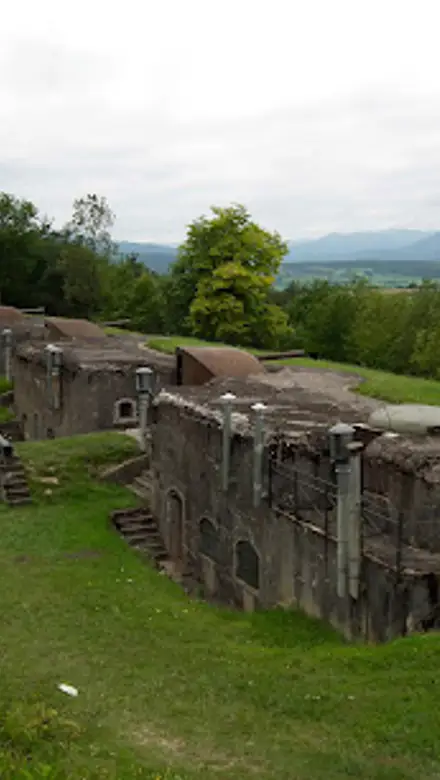
Mutzig Fort - Feste Kaiser Wilhelm II, Moselle Travel Guide
Explore the imposing Mutzig Fort, a marvel of pre-WWI German military engineering, featuring vast underground networks, original equipment, and panoramic views of the Alsace region.
Venture into the depths of Mutzig Fort, also known as Feste Kaiser Wilhelm II, a colossal pre-World War I German fortification near Dinsheim-sur-Bruche. Constructed between 1893 and 1916, this fortress was a groundbreaking prototype, the first in Germany to utilize concrete, full armaments, electric lighting, and comprehensive ventilation. Explore its vast network of underground barracks, artillery emplacements, and observation points, gaining insight into the lives of the soldiers who once manned this imposing structure. Covering 254 hectares, the fort could house up to 7,000 soldiers and featured 22 armored turrets. Today, Mutzig Fort stands as a symbol of Franco-German reconciliation, offering a unique glimpse into military engineering and the geopolitical landscape of early 20th-century Europe. Remember to bring a warm layer, as the interior remains a consistent 11-12°C year-round.
A brief summary to Mutzig Fort - Feste Kaiser Wilhelm II
- Rue du Camp, Dinsheim-sur-Bruche, 67190, FR
- Click to display
- Monday 10 am-5 pm
- Tuesday 10 am-5 pm
- Wednesday 10 am-5 pm
- Thursday 10 am-5 pm
- Friday 10 am-5 pm
- Saturday 10 am-5 pm
- Sunday 10 am-5 pm

Know before you go
Hi, I'm Eve. Here are a few practical things to know before exploring Mutzig Fort - Feste Kaiser Wilhelm II.
- Wear warm clothing, even in summer, as the fort's interior maintains a consistently cool temperature of 11-12°C (52-54°F).
- Allow at least 2.5 hours for a thorough visit, as the site is extensive and there's much to see both above and below ground.
- Check the official website for the most up-to-date information on opening hours, guided tour schedules, and special events.
- The fort is not easily accessible for those with mobility issues due to the presence of many staircases and uneven surfaces.
- Combine your visit with a trip to the nearby town of Mutzig or Molsheim to explore more of the Alsace region's history and culture.
Do you manage this location?
Take control to get all the benefits, like improved information, better appearance, and stronger visibility across AI-powered discovery. Learn more about listing your business on Evendo
Activate your presenceOther nearby places you may find interesting
The closest places of the same kind, if this one is not quite what you had in mind.
Explore Mutzig Fort - Feste Kaiser Wilhelm II on the Map
A handpicked selection of must-see spots near Mutzig Fort - Feste Kaiser Wilhelm II, mapped for you.
Unlock the Best of Mutzig Fort - Feste Kaiser Wilhelm II
Buy tickets
-
No tickets available
Book tours with entry


Getting There
-
Public Transport
From Strasbourg, take a train to Mutzig station. TER Fluo Grand Est trains run regularly, with a journey time of approximately 20-30 minutes and a single fare costing around €4-€9. From Mutzig station, you can take a local bus (though service may be infrequent) or a taxi to the fort, roughly 3km away. Alternatively, consider the Molsheim-Mutzig region's 'Transport à la Demande' service, which requires booking 24 hours in advance and costs €4.50 per trip. From the bus stop, it's a short walk to the fort entrance.
-
Taxi/Ride-Share
From Strasbourg, a taxi or ride-sharing service (Uber, etc.) directly to Mutzig Fort will take approximately 25-30 minutes, costing an estimated €80-€100. From Mutzig or Molsheim, a taxi to the fort will be significantly cheaper, around €15-€25. Be sure to confirm the fare with the driver before starting your journey.
-
Driving
From Strasbourg, follow the A352 motorway towards Molsheim/Obernai. Exit at Duppigheim, Molsheim, or Mutzig, then follow local roads towards Dinsheim-sur-Bruche. The fort is signposted from Dinsheim. Free parking is available for cars and coaches at the fort. Note that snow tires may be required on roads in this area from November 1st to March 31st. Parking is free.
Discover more about Mutzig Fort - Feste Kaiser Wilhelm II
More to explore near Mutzig Fort - Feste Kaiser Wilhelm II
-

Best experiences near Mutzig Fort - Feste Kaiser Wilhelm II
-

Best hotels near Mutzig Fort - Feste Kaiser Wilhelm II
-

Best attractions near Mutzig Fort - Feste Kaiser Wilhelm II
-

Best shops near Mutzig Fort - Feste Kaiser Wilhelm II
-

Best restaurants near Mutzig Fort - Feste Kaiser Wilhelm II
-

Best bars near Mutzig Fort - Feste Kaiser Wilhelm II







Your all‑in‑one travel companion app
Explore expert travel guides, compare and book tours, experiences, hotels, and more—all from the palm of your hand. Download now for seamless trip planning wherever your wanderlust takes you.


Explore More of Moselle
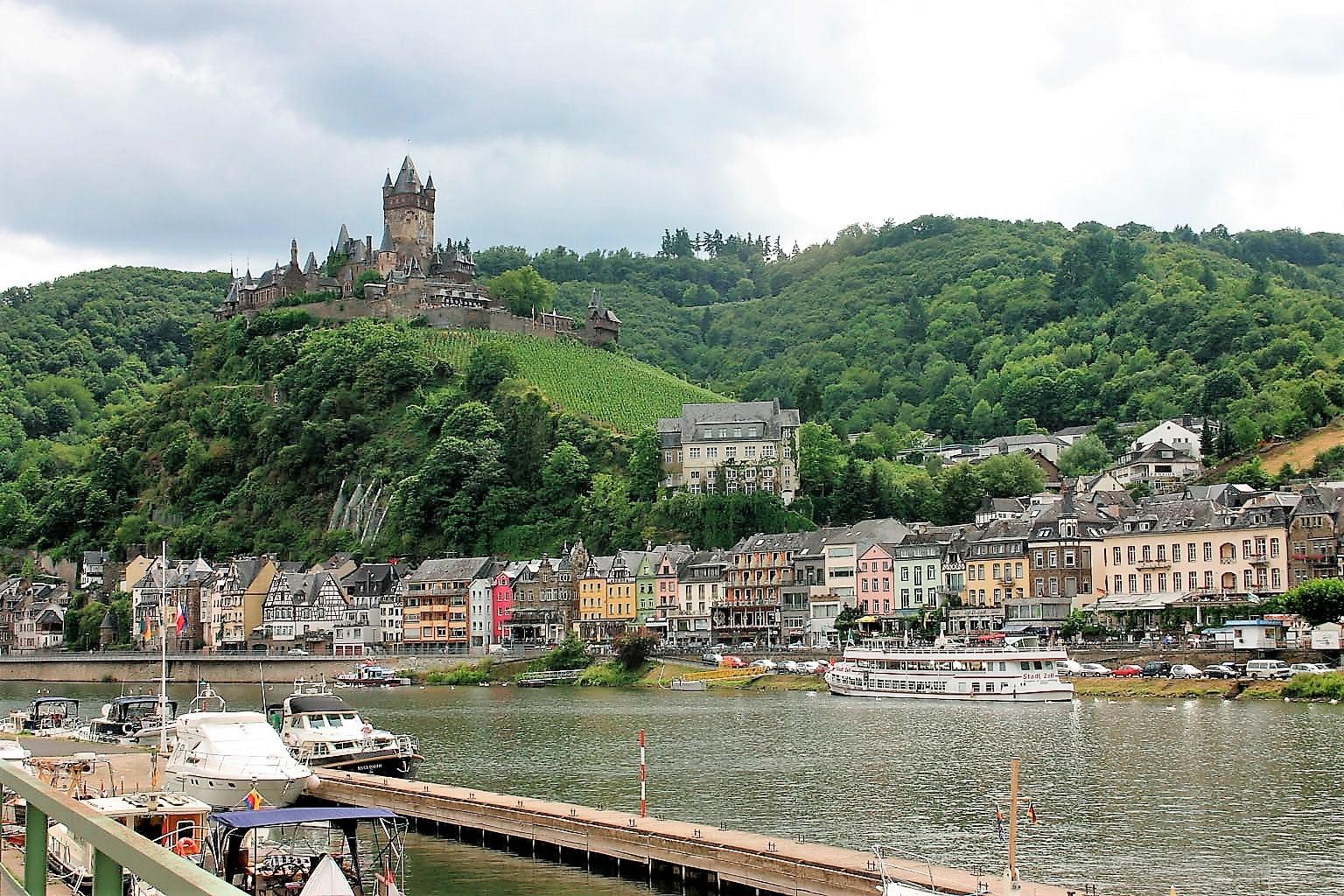
Looking beyond Mutzig Fort - Feste Kaiser Wilhelm II? Discover Moselle for broader travel guides, local hot-spots, and regional highlights.
Explore Moselle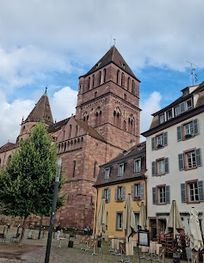
Explore the stunning Gothic architecture and rich history of St. Thomas Church, a must-visit Protestant church in Strasbourg.

Experience the rich tradition of Alsace winemaking at Arthur Metz, a premier destination for Crémant and Alsace wines in the heart of Marlenheim.