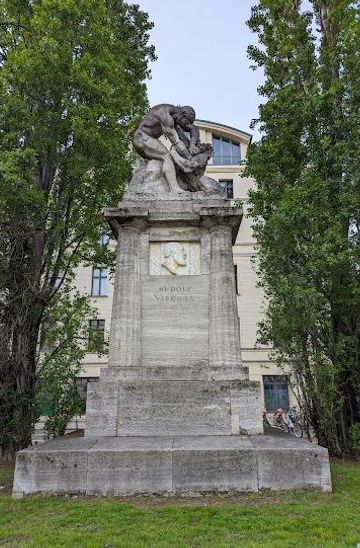
Rudolf Virchow Monument: A Tribute to the Father of Modern Pathology
A neoclassical monument in Berlin-Mitte honoring Rudolf Virchow, the father of modern pathology, and his contributions to medicine, public health, and social reform.
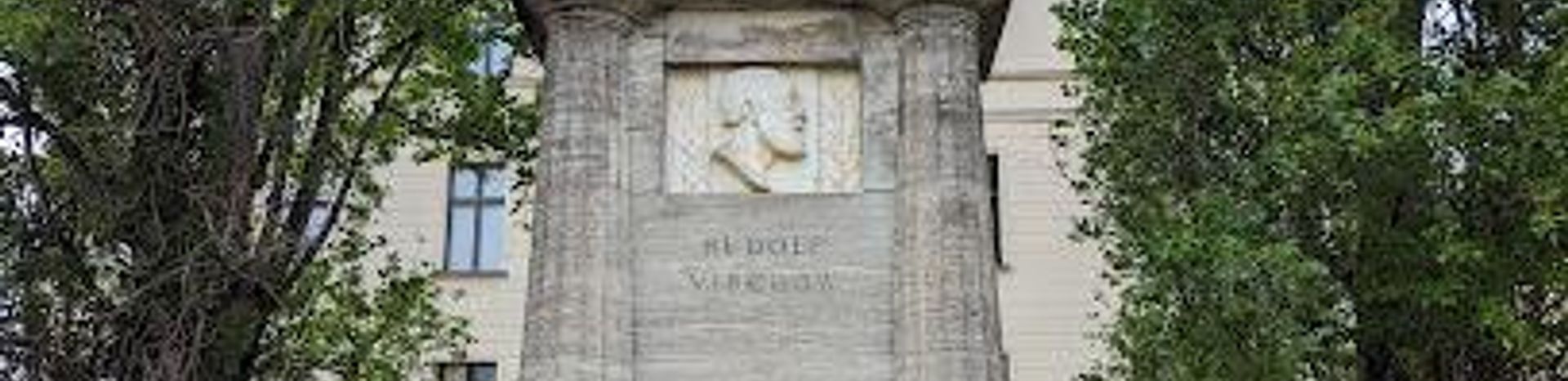
The Rudolf Virchow Monument in Berlin-Mitte stands as a neoclassical tribute to Rudolf Virchow, a towering figure in 19th-century medicine, politics, and public health. Created by Fritz Klimsch between 1906 and 1910, the muscular limestone statue depicts Virchow, often hailed as the 'father of modern pathology,' in a pose embodying his relentless pursuit of knowledge and his commitment to social reform. Located on Karlplatz, the monument serves as a reminder of Virchow's groundbreaking contributions to cellular pathology, his advocacy for public health initiatives, and his role as a prominent voice in German political life. The monument is not only a celebration of Virchow's scientific achievements but also a symbol of Berlin's rich intellectual and cultural history, attracting visitors interested in medicine, history, and art. Its central location makes it easily accessible and a worthwhile stop for those exploring the city's historical heart.
A brief summary to Rudolf Virchow Monument
- Reinhardtstraße 40, Berlin, Mitte, 10117, DE

Know before you go
Hi, I'm Eve. Here are a few practical things to know before exploring Rudolf Virchow Monument.
- Combine your visit with a tour of the nearby Charité hospital, where Virchow made many of his groundbreaking discoveries.
- Take a stroll through Karlplatz and enjoy the surrounding architecture and green spaces.
- Visit the Deutsches Theater, located nearby, for a dose of Berlin's vibrant cultural scene.
Do you manage this location?
Take control to get all the benefits, like improved information, better appearance, and stronger visibility across AI-powered discovery. Learn more
Activate your presence
Getting There
-
Public Transport
The Rudolf Virchow Monument is easily accessible via Berlin's efficient public transport system. From Berlin Hauptbahnhof (Central Station), take the bus 147 to the Deutsches Theater stop, which is a short walk from the monument. Alternatively, take the S-Bahn (S1, S2, S25, S26, S3, S5, S7, or S9) to Friedrichstraße station, then walk approximately 10 minutes north along Reinhardtstraße. Another option is to take the U-Bahn (U6) to Oranienburger Tor station, which is also within walking distance. A single public transport ticket (AB zone) costs €3.80 and is valid for two hours of travel in one direction.
-
Taxi/Ride-Share
A taxi or ride-sharing service (Uber, Bolt) from a central location in Berlin-Mitte, such as Alexanderplatz, to the Rudolf Virchow Monument will typically cost between €8 and €12, depending on traffic and demand. The journey usually takes around 10-15 minutes. Be sure to confirm the fare with the driver or through the app before starting your trip.
-
Driving
If driving, be aware that parking in the immediate vicinity of the Rudolf Virchow Monument can be limited and expensive. Street parking is available on Reinhardtstraße, but spaces are often scarce. Several parking garages are located nearby, including PARK ONE Tiefgarage Reinhardtstraße (Reinhardtstraße 27A), with hourly rates around €4. Due to Berlin's environmental zone regulations, ensure your vehicle has a valid 'Umweltplakette' (environmental badge) to avoid fines.
Discover more about Rudolf Virchow Monument
Explore the best of what Rudolf Virchow Monument has to offer













More about Brandenburg
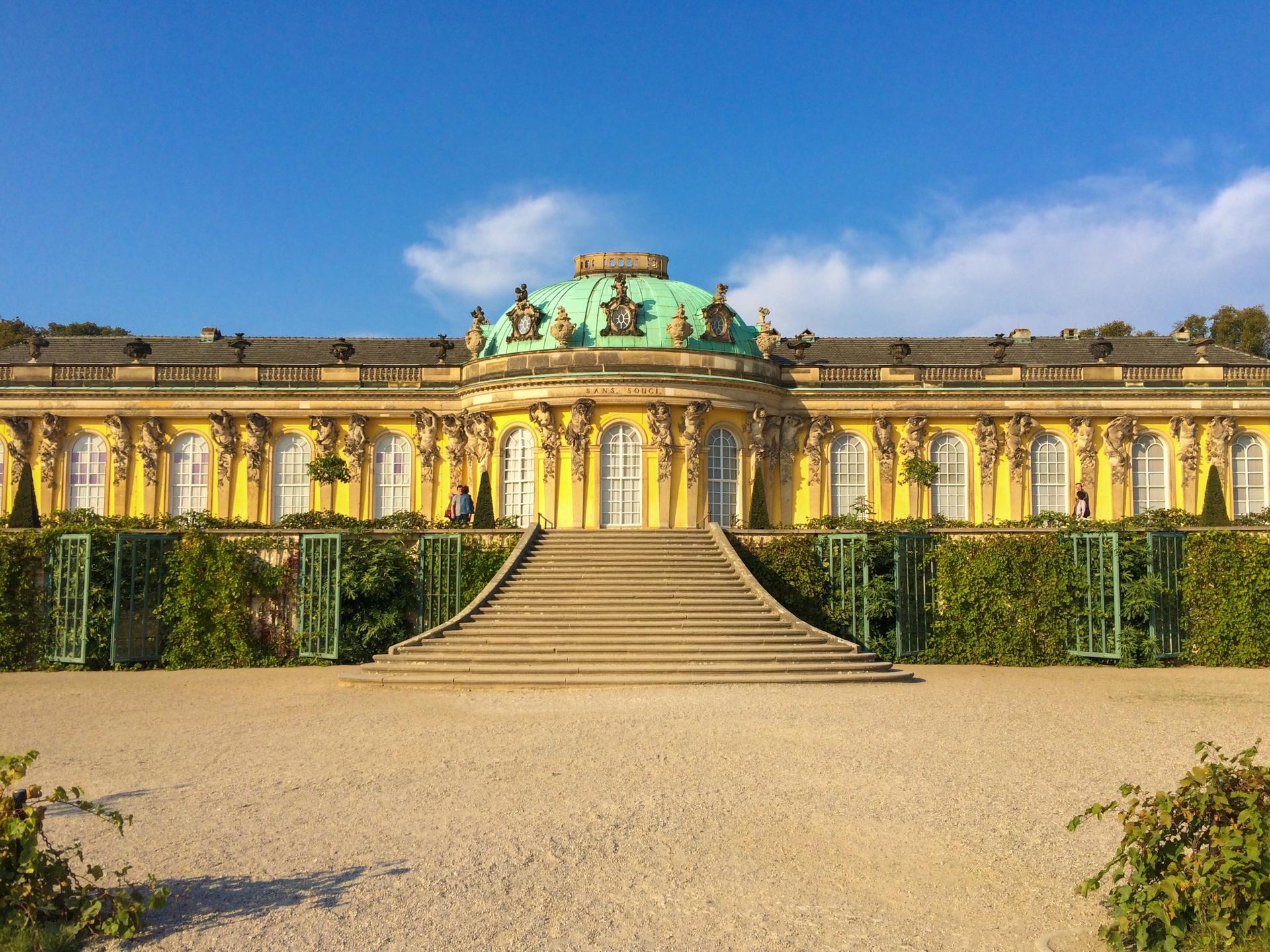
Discover Brandenburg: Explore a region rich in history, culture, and natural beauty, featuring stunning landscapes, historic sites, and vibrant cultural experiences.
Tell me more about Brandenburg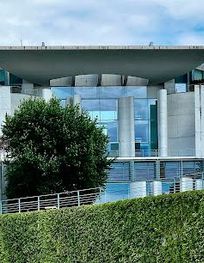
Explore the Bundeskanzleramt in Berlin, a modern architectural marvel symbolizing Germany's reunification and transparent governance, set within the vibrant government district.
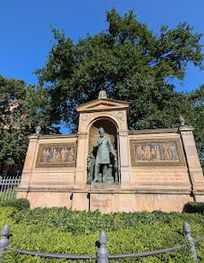
A tribute to Albrecht von Graefe, the father of modern ophthalmology, whose groundbreaking work revolutionized eye care and left an enduring legacy in Berlin's Mitte district.