

Apfelberg Travel Guide
Free Guide: Discover Apfelberg in Werbach: Tauberfranken's oldest nature reserve, boasting diverse flora, fauna, and scenic trails, perfect for nature enthusiasts and tranquil escapes.


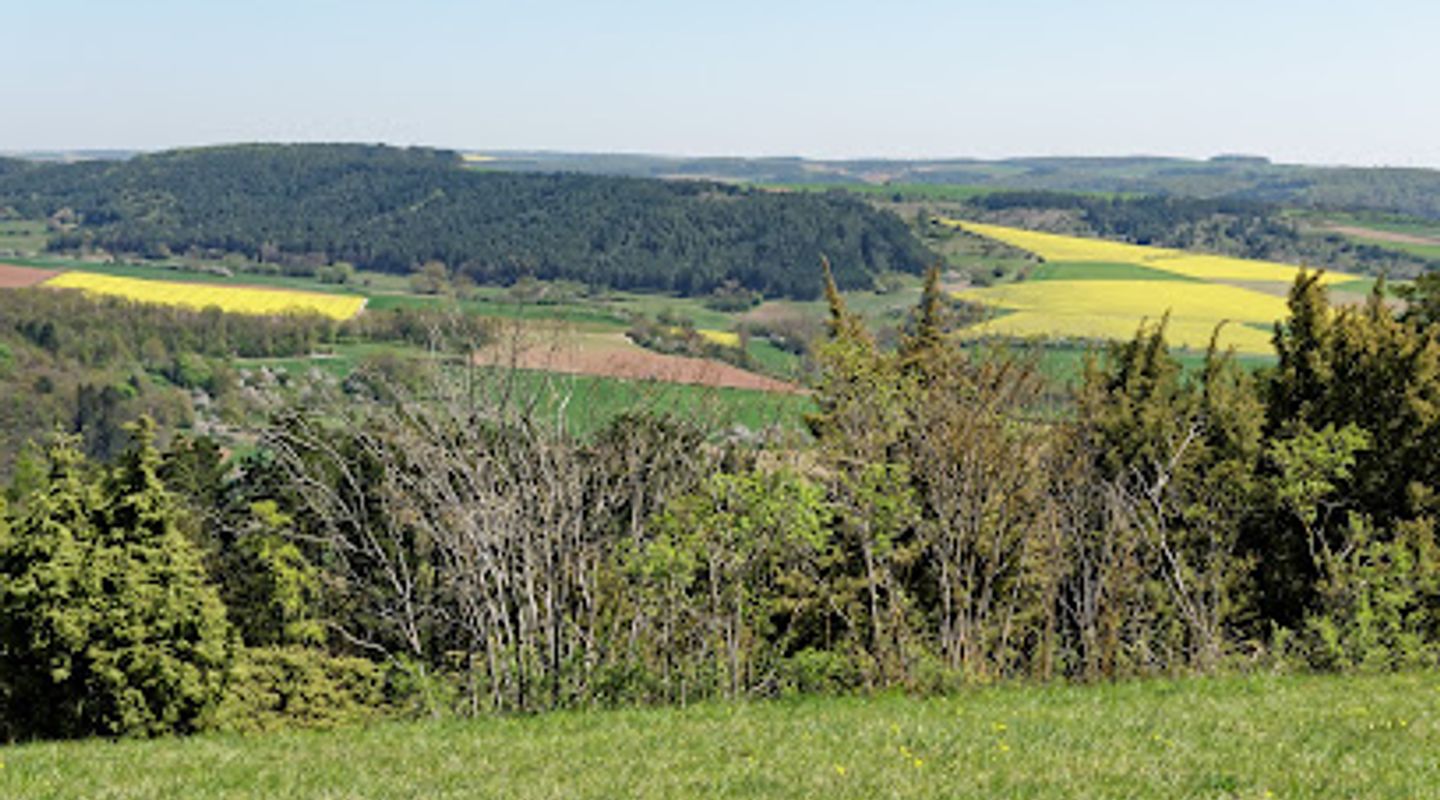
A brief summary of Apfelberg
Discover Apfelberg in Werbach: Tauberfranken's oldest nature reserve, boasting diverse flora, fauna, and scenic trails, perfect for nature enthusiasts and tranquil escapes.
Apfelberg, nestled in Werbach, Tauberfranken, is the region's oldest nature reserve, showcasing a diverse landscape shaped by its location in the rain shadow of the Spessart and Odenwald. This creates a warm, dry environment ideal for a rich variety of heat- and drought-loving flora and fauna. Explore dry grasslands, semi-dry meadows, and arid woodlands, alongside a former quarry and scattered fruit trees, enhancing the area's biodiversity. Keep an eye out for various orchid species, including the helmet orchid and spider orchid, thriving on the chalky, nutrient-poor grasslands and juniper heaths. Apfelberg offers hiking trails that meander through diverse habitats, providing opportunities for birdwatching and photography. It's a tranquil escape into nature, perfect for those seeking respite from urban life and an appreciation for the unique ecology of the Tauber Valley.
Opening hours
- Every dayOpen 24 hours
Opening hours as listed on the venue’s Google Business Profile. Hours can change for services and special events, so check with the venue before you go.
- Address
- 97956 Werbach
Getting there
Walking
Driving
Discover more about Apfelberg
Overview
Apfelberg, located in the charming Werbach region of Tauberfranken, Baden-Württemberg, holds the distinction of being the area's oldest designated nature reserve. Its unique ecological character stems from its position in the rain shadow of the Spessart and Odenwald hills, resulting in a climate marked by warmth, abundant sunshine, and relatively low rainfall. This distinctive environment fosters a remarkable array of plant and animal life adapted to thrive in dry conditions. The landscape of Apfelberg is a mosaic of diverse habitats. Expansive stretches of dry grasslands and semi-arid meadows provide a haven for specialized plant communities. These open areas transition into pockets of dry woodland and scrub, creating varied microclimates that support a wide range of species. Adding to the ecological complexity is a former stone quarry, its exposed rock faces and disturbed soils now colonized by unique plant assemblages. Scattered fruit trees, remnants of past agricultural practices, further enrich the biodiversity of the area. One of the most striking features of Apfelberg is its abundance of orchid species. The chalky, nutrient-poor grasslands and juniper heaths provide ideal conditions for these delicate and fascinating plants. Among the orchids found here are the helmet orchid ( *Orchis militaris*), with its distinctive helmet-shaped flowers, and the spider orchid ( *Ophrys sphegodes*), which mimics the appearance of a spider to attract pollinating insects. The fragrant orchid (*Gymnadenia conopsea*) and the lesser butterfly-orchid (*Platanthera bifolia*) also grace these meadows, adding to the spectacle of color and form. The diverse habitats of Apfelberg support a rich fauna as well. Birdwatchers will delight in the variety of avian species that call the reserve home, from meadow pipits and skylarks soaring over the grasslands to warblers and flycatchers flitting through the woodlands. Butterflies and other insects abound, their vibrant colors adding to the beauty of the landscape. Reptiles such as lizards and snakes can also be spotted basking in the sun, while mammals like rabbits and foxes roam the undergrowth. Exploring Apfelberg is best accomplished on foot, following the network of well-maintained hiking trails that wind through the reserve. These trails offer access to the different habitats, allowing visitors to appreciate the diversity of the flora and fauna. The trails vary in length and difficulty, catering to a range of fitness levels. Along the way, interpretive signs provide information about the ecology of the area and the conservation efforts underway to protect it. Apfelberg's significance extends beyond its natural beauty. It also serves as an important site for scientific research and education. Researchers study the plant and animal communities of the reserve to understand the impacts of climate change and other environmental stressors. Educational programs are offered to students and the public, raising awareness about the importance of biodiversity conservation. Visiting Apfelberg offers a tranquil escape from the hustle and bustle of modern life. The peaceful atmosphere and stunning scenery provide a welcome respite for those seeking to reconnect with nature. Whether you are a seasoned naturalist or simply someone who appreciates the beauty of the natural world, Apfelberg is sure to leave a lasting impression. The Tauber Valley, in which Apfelberg resides, is known for its mild climate, which supports not only the unique flora and fauna of the nature reserve but also viticulture. The slopes around Werbach are dotted with vineyards, producing distinctive Franconian wines. A visit to Apfelberg can be combined with a wine-tasting tour of the local wineries, offering a delightful sensory experience. Beyond its natural and agricultural attractions, Werbach also boasts a rich cultural heritage. The nearby Burg Gamburg, a well-preserved medieval castle, offers a glimpse into the region's past. The castle's Romanesque hall is adorned with unique Barbarossa frescoes, making it a significant historical landmark. The castle gardens, with their Baroque design and botanical rarities, are also worth exploring. To fully appreciate the beauty and significance of Apfelberg, it is recommended to visit during the spring or summer months, when the wildflowers are in full bloom and the weather is at its best. However, the reserve is open year-round, offering something to see in every season. In the autumn, the foliage turns vibrant shades of red and gold, creating a picturesque landscape. In the winter, the snow-covered hills provide a serene and peaceful setting. Whether you are interested in hiking, birdwatching, photography, or simply relaxing in nature, Apfelberg has something to offer everyone. Its unique ecology, rich history, and stunning scenery make it a must-see destination in the Tauber Valley.
Evendo Review Centre
 Google
Guest reviews
Explore Apfelberg on the map
A handpicked selection of must-see spots near Apfelberg, mapped for you.
Get your free copy of our complete guide to Apfelberg, delivered straight to you.
Everything on this page, from opening hours and how to get there to Eve’s tips and the best time to go, in one PDF you can read offline, print or share.
Already have an account? Sign in
Your Apfelberg guide is ready.
We'll send it to · Not you? Sign out

Getting your guide ready…
We are putting together a fresh copy of the Apfelberg guide. This can take up to a minute.
This can take a few moments. If your browser asks, choose Allow so the download can start. You'll find the guide in your Downloads folder.
Nothing happened? Download it again
Sorry, the guide is taking longer than usual. Please try again in a minute, or get it by email instead.
Other nearby places you may find interesting
The closest places of the same kind, if this one is not quite what you had in mind.
-
-
-
-
-


Swipe for more places
More to explore near Apfelberg

 Best experiences near Apfelberg
 Best hotels near Apfelberg
 Best landmarks near Apfelberg
 Best attractions near Apfelberg
 Best shops near Apfelberg
 Best restaurants near Apfelberg
 Best bars near Apfelberg
Do you manage this location?
Take control to get all the benefits, like improved information, better appearance, and stronger visibility across AI-powered discovery.
Explore more
Explore more of Spessart
Discover Spessart, Germany's enchanting forested region, rich in folklore, history, and natural beauty. Wander through medieval towns, ancient woodlands, and captivating trails.
Explore Spessart
Explore more of Germany
Experience Germany: where history meets innovation, and urban energy blends with natural beauty. Discover diverse cultures, delicious cuisine, and stunning landscapes.
Explore Germany
