Court Garden Travel Guide
Free Guide: Discover the serene beauty of Würzburg's Court Garden, a meticulously designed Baroque landscape adjacent to the Würzburg Residence, offering a tranquil escape and historical insight.


A brief summary of Court Garden
Discover the serene beauty of Würzburg's Court Garden, a meticulously designed Baroque landscape adjacent to the Würzburg Residence, offering a tranquil escape and historical insight.
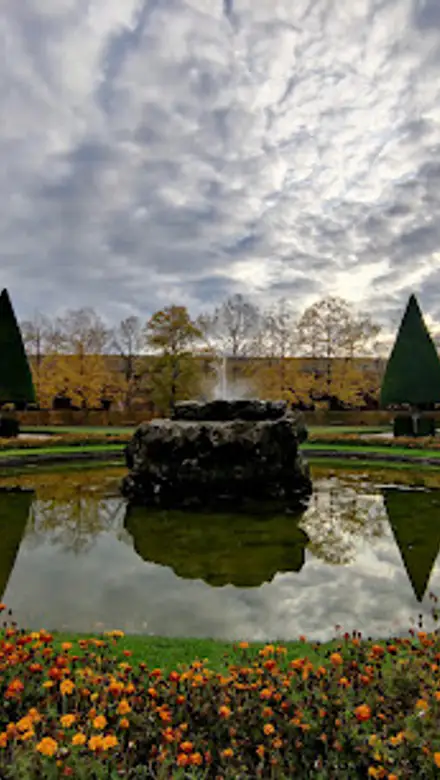
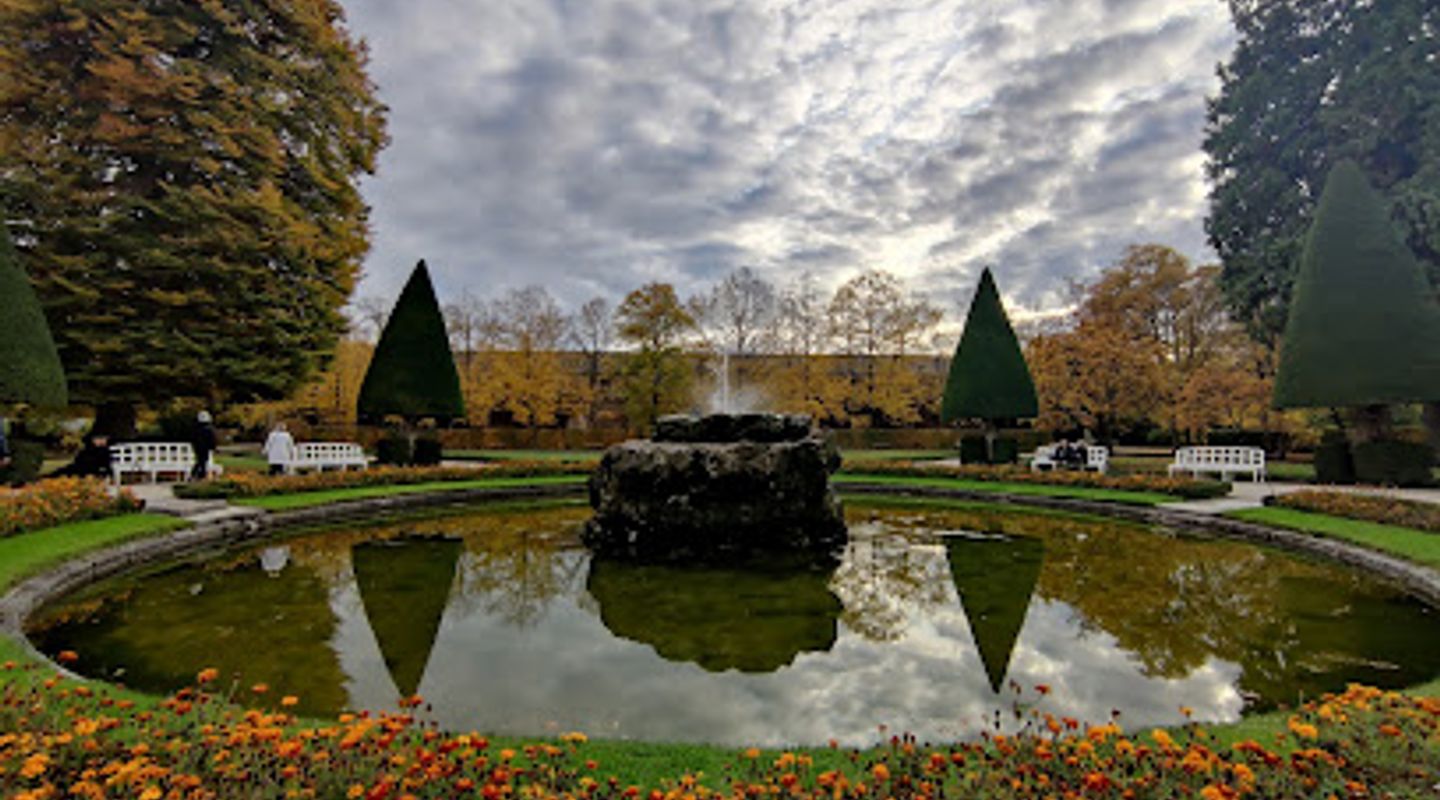
The Court Garden (Hofgarten) in Würzburg is a meticulously designed Baroque garden offering a serene escape from the city's bustle. Located adjacent to the Würzburg Residence, a UNESCO World Heritage site, the gardens feature symmetrical sections adorned with sculpted fruit trees, vibrant flower beds, and ornate wrought-iron gates. Visitors can explore the East Garden, ascending to the old bastion walls, or relax by the central water basin in the South Garden. The reconstructed kitchen garden showcases historical fruit and vegetable varieties, providing a glimpse into the horticultural practices of the 18th century. Open daily, the Court Garden provides a tranquil retreat and a picturesque complement to the grandeur of the Residence.
Opening hours
- Every day8 am–8 pm
Opening hours as listed on the venue’s Google Business Profile. Hours can change for services and special events, so check with the venue before you go.
- Address
- Residenzpl. 2, 97070 Würzburg
- Phone
- Website
Getting there
Walking
Public Transport
Driving
Discover more about Court Garden
Overview
The Würzburg Court Garden, or Hofgarten, is an exquisite example of Baroque garden design, seamlessly integrated with the Würzburg Residence, a UNESCO World Heritage site. These gardens offer a tranquil retreat from the urban environment, inviting visitors to immerse themselves in a landscape of meticulously crafted beauty and historical significance. Originally conceived in the early 18th century, the gardens reached their full splendor under Prince-Bishop Adam Friedrich von Seinsheim, who appointed Johann Prokop Mayer as the court gardener. Mayer masterfully transformed the challenging terrain, which rose sharply towards the city's fortifications, into a series of symmetrical and self-contained sections. This division created distinct garden areas, each with its unique character and charm. The East Garden extends the central axis of the Residence, drawing the eye upward towards the elevated bastion walls. This section features a large circular parterre, originally intended to include a cascading water feature, though the cascade was never fully realized. Instead, the East Garden offers a series of terraces that climb towards the old fortifications, providing stunning views of the surrounding landscape. The careful arrangement of topiary fruit trees, hedges, and flower beds creates a sense of order and harmony, reflecting the formal style of Baroque garden design. In contrast, the South Garden presents a more level and rectangular space, characterized by a central water basin surrounded by eight precisely trimmed yew trees. This area exudes a sense of calm and serenity, inviting visitors to pause and reflect amidst the beauty of the natural surroundings. The water basin, fed by a small spring, adds a soothing element to the garden, creating a peaceful ambiance. The wrought-iron gates, crafted by the skilled hands of court locksmith Johann Georg Oegg, are a notable feature of the Court Garden. These gates, with their intricate designs and masterful execution, serve as both functional entrances and artistic statements, adding to the overall elegance of the garden. In recent years, efforts have been made to restore the Court Garden to its original splendor, with flower beds replanted based on historical designs and the re-establishment of the kitchen garden. The kitchen garden, located below the orangery, showcases a variety of historical and modern fruit and vegetable varieties, cultivated using traditional methods. This area provides a fascinating glimpse into the horticultural practices of the 18th century, highlighting the importance of fresh produce in the prince-bishop's household. The Court Garden also features a collection of sculptures, originally created by court sculptor Johann Peter Wagner. While the original sculptures have been replaced by casts, they still contribute to the overall artistic ambiance of the garden, adding a touch of classical elegance to the landscape. Beyond the formal gardens, a small landscaped area from the early 19th century extends towards the city, providing a transition from the geometric precision of the Baroque design to a more naturalistic aesthetic. This area offers a sense of openness and space, inviting visitors to wander and explore. The Würzburg Court Garden is more than just a beautiful landscape; it is a living testament to the artistic vision and horticultural expertise of the past. It offers a unique opportunity to step back in time and experience the grandeur and elegance of the Baroque era. Whether strolling through the formal gardens, admiring the intricate wrought-iron gates, or exploring the reconstructed kitchen garden, visitors are sure to be captivated by the beauty and historical significance of this remarkable site. The gardens are open daily, providing ample opportunity for visitors to explore and enjoy the tranquil atmosphere. Admission to the Court Garden is free, making it accessible to all. The Court Garden provides a picturesque complement to the Würzburg Residence, enhancing the overall visitor experience and offering a deeper understanding of the cultural heritage of Würzburg. Visiting the Court Garden is particularly enchanting in the spring, when the gardens burst into bloom with a riot of color. The palace's own greenhouses supply around 70,000 plants and flowers to the garden in May, making it a particularly beautiful time to visit. However, the gardens offer something to enjoy in every season, from the lush greenery of summer to the crisp air and golden hues of autumn. Accessibility is also a key consideration at the Court Garden, with barrier-free access available via the gates at the Hofkirche, Rennweg, and Balthasar-Neumann-Promenade. While some paths are paved with gravel and may have slopes, seats are available throughout the gardens for those who need to rest. The Court Garden strives to provide a welcoming and inclusive experience for all visitors, ensuring that everyone can enjoy the beauty and tranquility of this remarkable site. The Würzburg Court Garden is a must-see destination for anyone visiting Würzburg. Its blend of historical significance, artistic beauty, and tranquil atmosphere makes it a truly unforgettable experience. Whether you are a seasoned traveler or a first-time visitor, the Court Garden is sure to leave a lasting impression, offering a glimpse into the grandeur of the past and a moment of peace in the present. Take a leisurely stroll through the meticulously manicured lawns, admire the vibrant flowerbeds bursting with color, and lose yourself in the serene ambiance of this Baroque masterpiece. The Würzburg Court Garden is a true gem, waiting to be discovered and cherished by all who visit. Don't miss the opportunity to explore this enchanting oasis and experience the beauty and tranquility of the Würzburg Court Garden for yourself. It's a journey back in time, a celebration of art and nature, and a moment of pure serenity in the heart of Würzburg.
Evendo Review Centre
 Google
Guest reviews
Explore Court Garden on the map
A handpicked selection of must-see spots near Court Garden, mapped for you.
Get your free copy of our complete guide to Court Garden, delivered straight to you.
Everything on this page, from opening hours and how to get there to Eve’s tips and the best time to go, in one PDF you can read offline, print or share.
Already have an account? Sign in
Your Court Garden guide is ready.
We'll send it to · Not you? Sign out

Getting your guide ready…
We are putting together a fresh copy of the Court Garden guide. This can take up to a minute.
This can take a few moments. If your browser asks, choose Allow so the download can start. You'll find the guide in your Downloads folder.
Nothing happened? Download it again
Sorry, the guide is taking longer than usual. Please try again in a minute, or get it by email instead.
Unlock the best of Court Garden
Skip-the-line tickets, guided tours with entry, and walking tours of the area, booked in a few clicks.

Other nearby places you may find interesting
The closest places of the same kind, if this one is not quite what you had in mind.
-
-
-
-
-


Swipe for more places
More to explore near Court Garden

 Best experiences near Court Garden
 Best hotels near Court Garden
 Best landmarks near Court Garden
 Best attractions near Court Garden
 Best shops near Court Garden
 Best restaurants near Court Garden
 Best bars near Court Garden
Do you manage this location?
Take control to get all the benefits, like improved information, better appearance, and stronger visibility across AI-powered discovery.
Explore more

Explore more of Spessart
Discover Spessart, Germany's enchanting forested region, rich in folklore, history, and natural beauty. Wander through medieval towns, ancient woodlands, and captivating trails.
Explore Spessart
Explore more of Germany
Experience Germany: where history meets innovation, and urban energy blends with natural beauty. Discover diverse cultures, delicious cuisine, and stunning landscapes.
Explore Germany