

Museum Herrenmühle Travel Guide
Free Guide: Discover the intertwined stories of bread and wine at the Museum Herrenmühle in Hammelburg, Franconia's oldest wine town. Explore exhibits in a historic mill on a charming island.


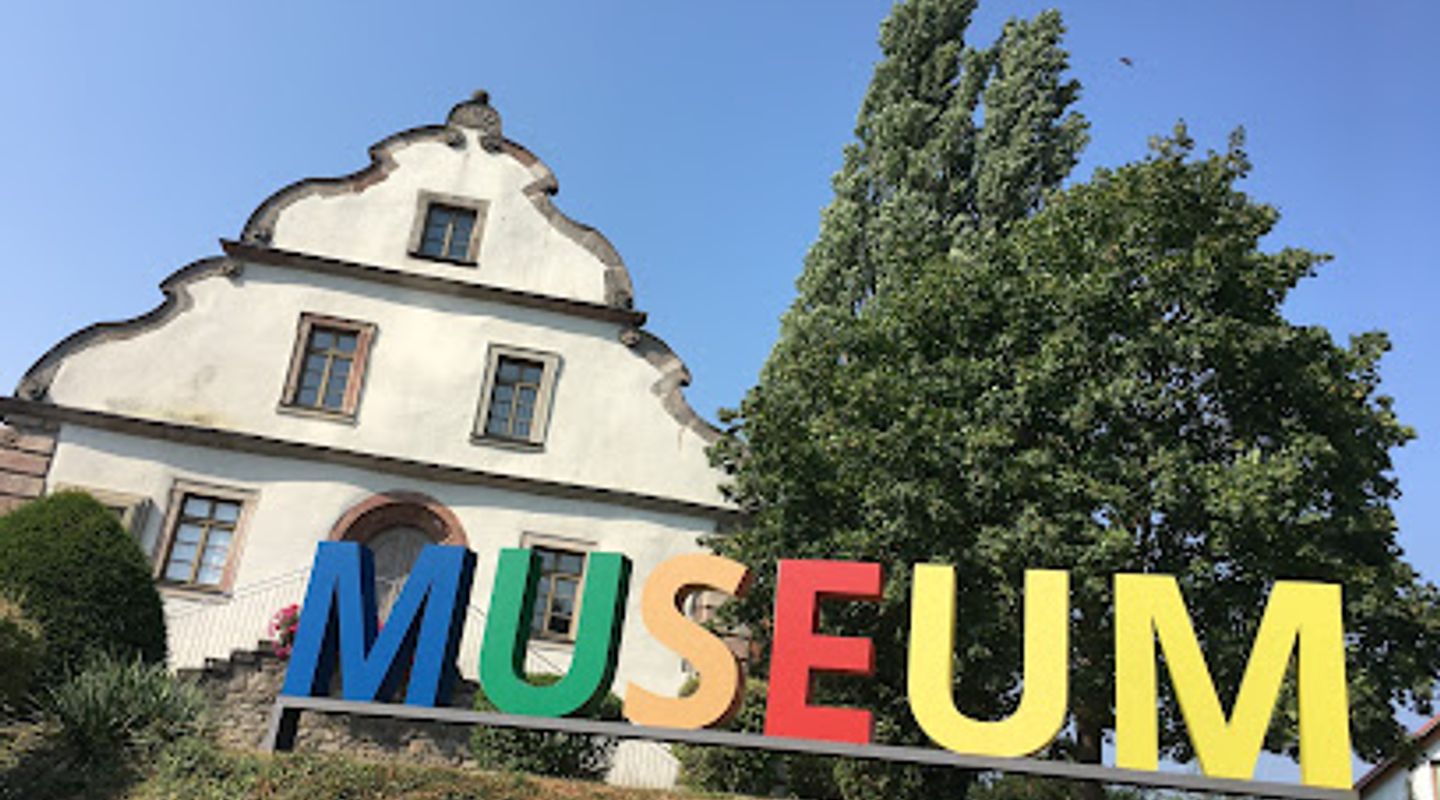
A brief summary of Museum Herrenmühle
Discover the intertwined stories of bread and wine at the Museum Herrenmühle in Hammelburg, Franconia's oldest wine town. Explore exhibits in a historic mill on a charming island.
The Museum Herrenmühle, nestled in a historic mill in Hammelburg, Franconia's oldest wine town, offers a captivating journey through the intertwined histories of bread and wine. Since 1991, this museum has showcased the cultivation, production, and cultural significance of these staples. Explore interactive exhibits detailing the life of millers, the process of winemaking, and the role of bread and wine in local customs and religion. The museum's unique setting on a small island in the Fränkische Saale adds to its charm, providing a tranquil escape. With its blend of historical insights and engaging displays, the Museum Herrenmühle provides an enriching experience for visitors of all ages, making it a worthwhile stop for those exploring the Franconian wine region.
Opening hours
- MonClosed
- Tue2 pm–5 pm
- Wed2 pm–5 pm
- Thu10 am–2 pm
- Fri2 pm–5 pm
- Sat2 pm–5 pm
- Sun2 pm–5 pm
Opening hours as listed on the venue’s Google Business Profile. Hours can change for services and special events, so check with the venue before you go.
- Address
- Turnhouter Str. 15, 97762 Hammelburg
- Phone
- Website
Getting there
Walking
Public Transport
Taxi/Ride-Share
Parking
Discover more about Museum Herrenmühle
Overview
The Museum Herrenmühle, situated in the charming town of Hammelburg, stands as a testament to the region's rich cultural and agricultural heritage. Housed within a meticulously preserved historic mill, the museum offers visitors a unique glimpse into the intertwined stories of bread and wine, two staples that have shaped the local way of life for centuries. The mill itself is a significant historical landmark. Its origins trace back to the early days of Hammelburg's establishment as a town, with records suggesting its existence as early as the 13th century. Known as the "Herrenmühle," or Lords' Mill, it was a communal facility overseen by the town councilors, ensuring that every citizen had access to essential grain milling services. Remarkably, the Herrenmühle survived the devastating town fire of 1854, a testament to its sturdy construction and strategic location outside the city walls. Around 1600, the mill received its present appearance, including the beautifully curved baroque gable. Since 1991, the Herrenmühle has served as a museum dedicated to the themes of "Bread and Wine." The museum's exhibits, thoughtfully curated across multiple floors, explore the cultivation of grain, the life and work of millers, the art of winemaking, and the cultural and religious significance of these essential foods. In 2017, the exhibition was modernized and made more interactive. On the ground floor, visitors are immersed in the 1200-year history of winemaking in Hammelburg, Franconia's oldest wine town. Exhibits showcase the traditional methods of grape cultivation, the evolution of winemaking techniques, and the importance of wine in the region's economy and culture. Interactive displays allow visitors to learn about the different grape varietals grown in the area and the unique characteristics of Franconian wines. The upper floors of the museum delve into the world of grain cultivation and milling. Exhibits illustrate the traditional tools and techniques used by millers throughout history, from simple hand-operated querns to complex water-powered mills. Visitors can learn about the different types of grains grown in the region and the process of transforming them into flour. The exhibits also explore the social and economic role of mills in rural communities. A dedicated section of the museum explores the significance of bread and wine in the household, as well as their symbolic importance in religion and local customs. Visitors can learn about the different types of bread baked in the region and the rituals associated with sharing bread and wine at meals and celebrations. Beyond the exhibits, the Museum Herrenmühle offers a range of engaging activities and events. Visitors can participate in guided tours, wine tastings, and bread-making demonstrations. The museum also hosts special events throughout the year, such as harvest festivals and culinary workshops. The museum's location on a small island in the Fränkische Saale adds to its appeal. The "Museumsinsel" features a working mill wheel, a Kneipp path through the millstream, and inviting places to relax right on the Fränkische Saale. The island provides a tranquil setting for visitors to unwind and enjoy the natural beauty of the surrounding landscape. For those seeking to explore the area further, the Baderturm, located near the museum, offers panoramic views of the town and the Franconian Saale valley. The "Hammelburger Treppenlauf" invites visitors to actively explore the surroundings of Herrenmühle and Baderturm. Discovering stairs, counting steps and winning small prizes: recommended for young and old explorers! The Museum Herrenmühle is more than just a repository of historical artifacts; it is a living testament to the enduring traditions and cultural heritage of Hammelburg and the Franconian region. With its engaging exhibits, interactive displays, and picturesque setting, the museum offers a memorable and enriching experience for visitors of all ages. Whether you are a history buff, a wine enthusiast, or simply seeking a unique cultural experience, the Museum Herrenmühle is sure to captivate and inspire. A visit to this charming museum is an essential part of any journey through the Franconian wine region. Since its redesign in 2017, the museum has also featured a playful element: small mice are hidden throughout the exhibits. Children and adults can search for the "Museum Mice" and learn interesting facts at the "Mouse Stations," such as how quickly a mouse family can grow. Visitors can also slip into a miller's smock and send photos to friends or enjoy a glass of wine with their ticket. Current information and event tips can be found at www.museum-hammelburg.de and on the Herrenmühle's Instagram account.
Evendo Review Centre
 Google
Guest reviews
Explore Museum Herrenmühle on the map
A handpicked selection of must-see spots near Museum Herrenmühle, mapped for you.
Get your free copy of our complete guide to Museum Herrenmühle, delivered straight to you.
Everything on this page, from opening hours and how to get there to Eve’s tips and the best time to go, in one PDF you can read offline, print or share.
Already have an account? Sign in
Your Museum Herrenmühle guide is ready.
We'll send it to · Not you? Sign out

Getting your guide ready…
We are putting together a fresh copy of the Museum Herrenmühle guide. This can take up to a minute.
This can take a few moments. If your browser asks, choose Allow so the download can start. You'll find the guide in your Downloads folder.
Nothing happened? Download it again
Sorry, the guide is taking longer than usual. Please try again in a minute, or get it by email instead.
Other nearby places you may find interesting
The closest places of the same kind, if this one is not quite what you had in mind.
-
-
-
-
-


Swipe for more places
More to explore near Museum Herrenmühle

 Best experiences near Museum Herrenmühle
 Best hotels near Museum Herrenmühle
 Best landmarks near Museum Herrenmühle
 Best attractions near Museum Herrenmühle
 Best shops near Museum Herrenmühle
 Best restaurants near Museum Herrenmühle
 Best bars near Museum Herrenmühle
Do you manage this location?
Take control to get all the benefits, like improved information, better appearance, and stronger visibility across AI-powered discovery.
Explore more
Explore more of Spessart
Discover Spessart, Germany's enchanting forested region, rich in folklore, history, and natural beauty. Wander through medieval towns, ancient woodlands, and captivating trails.
Explore Spessart
Explore more of Germany
Experience Germany: where history meets innovation, and urban energy blends with natural beauty. Discover diverse cultures, delicious cuisine, and stunning landscapes.
Explore Germany
