

Kirchenburg Aschfeld Travel Guide
Free Guide: Explore the medieval Kirchenburg Aschfeld in Eußenheim, a Franconian fortress church and open-air museum offering a glimpse into village life through well-preserved architecture and historical exhibits.


A brief summary of Kirchenburg Aschfeld
Explore the medieval Kirchenburg Aschfeld in Eußenheim, a Franconian fortress church and open-air museum offering a glimpse into village life through well-preserved architecture and historical exhibits.
Kirchenburg Aschfeld, nestled in the charming village of Eußenheim, is a captivating open-air museum and a remarkable testament to medieval Franconian architecture. This well-preserved fortress church, dating back to the 15th century, served as a refuge for villagers during times of conflict. Today, visitors can explore the historic grounds, wander through the various structures including the church, former dwellings (Gaden), and storage cellars, and immerse themselves in the region's rich cultural heritage. The site also hosts a village museum showcasing artifacts and exhibits that depict rural life in centuries past. With its picturesque setting and engaging historical narrative, Kirchenburg Aschfeld offers a unique and enriching experience for history enthusiasts and casual travelers alike. Guided tours are available, providing deeper insights into the site's history and significance. Don't miss the chance to step back in time and discover the fascinating story of this Franconian gem.
Opening hours
- Every dayOpen 24 hours
Opening hours as listed on the venue’s Google Business Profile. Hours can change for services and special events, so check with the venue before you go.
- Address
- Hagstraße 10, 97776 Eußenheim
- Phone
- Website
Getting there
Public Transport
Walking
Driving
Discover more about Kirchenburg Aschfeld
Overview
Kirchenburg Aschfeld, located in the Gemeinde of Eußenheim, Bavaria, stands as a compelling example of a medieval fortress church, offering visitors a tangible connection to the region's past. This historic site, whose origins trace back to the 15th century, embodies the resourcefulness and resilience of the people of Franconia, who constructed it as a sanctuary during times of war and unrest. The term 'Kirchenburg' translates to 'church castle,' aptly describing the structure's dual purpose. More than just a place of worship, it served as a fortified refuge where villagers could seek protection from invading forces. The complex is characterized by a central church surrounded by a defensive wall and various auxiliary buildings, known as 'Gaden.' These Gaden, originally used for storage and housing, now serve as museum spaces, each offering a glimpse into different aspects of village life through the ages. As you approach Kirchenburg Aschfeld, the imposing silhouette of the fortified complex dominates the landscape. The sturdy stone walls, punctuated by narrow windows and defensive towers, evoke a sense of strength and security. The main entrance, often through a fortified gate, leads into a courtyard where the central church stands. This church, typically of modest size, reflects the architectural styles prevalent during the period of construction, often incorporating Romanesque or Gothic elements. The Gaden surrounding the church are perhaps the most fascinating aspect of the Kirchenburg. These structures, built against the inner side of the defensive wall, provided storage for food, supplies, and valuables. In times of siege, they also served as living quarters for the villagers. Today, many of these Gaden have been transformed into museum exhibits, each dedicated to a specific theme or aspect of village life. Visitors can explore a traditional kitchen, a blacksmith's workshop, a weaver's studio, and other displays that bring the past to life. The village museum within the Kirchenburg is a treasure trove of artifacts and exhibits that showcase the history and culture of Aschfeld and the surrounding region. From ancient tools and implements to traditional costumes and household items, the museum offers a comprehensive overview of rural life in Franconia. Exhibits also highlight the importance of agriculture and viticulture in the region's economy, as well as the role of the church in community life. One of the highlights of a visit to Kirchenburg Aschfeld is the opportunity to climb the defensive towers and walk along the ramparts. From these vantage points, visitors can enjoy panoramic views of the surrounding countryside and gain a better understanding of the strategic importance of the Kirchenburg. The defensive features of the complex, such as the machicolations (openings in the walls through which defenders could drop stones or hot liquids on attackers) and the arrow slits, are also clearly visible from these elevated positions. The Sankt Bonifatiuskirche, standing proudly within the walls, adds another layer of historical and architectural significance to the site. Rebuilt in 1681, the church features a baroque high altar. The church itself provides a serene space for reflection, contrasting with the more martial aspects of the surrounding fortifications. Kirchenburg Aschfeld is more than just a historical monument; it is a living testament to the enduring spirit of the Franconian people. Throughout the year, the site hosts a variety of cultural events, including historical reenactments, craft fairs, and music festivals. These events provide visitors with an opportunity to experience the Kirchenburg in a dynamic and engaging way, further enhancing their understanding of the region's rich cultural heritage. Visiting the Kirchenburg offers a unique opportunity to step back in time and experience the atmosphere of a medieval village. The attention to detail in the museum exhibits, the authenticity of the architecture, and the beauty of the surrounding landscape all contribute to an unforgettable experience. Whether you are a history buff, an architecture enthusiast, or simply looking for a peaceful and enriching day trip, Kirchenburg Aschfeld is sure to captivate and inspire. To fully appreciate the significance of Kirchenburg Aschfeld, it is helpful to understand the historical context in which it was built. During the Middle Ages, the region of Franconia was characterized by political fragmentation and frequent conflicts. Villages were often vulnerable to attack from marauding armies and bandits. As a result, many communities built fortified churches as a means of protecting themselves and their possessions. These Kirchenburgen, or church castles, provided a safe haven for the villagers during times of danger. The construction of Kirchenburg Aschfeld was a communal effort, involving the entire village population. The villagers not only provided the labor but also contributed materials and resources. The construction of the defensive walls, towers, and Gaden was a testament to their determination to protect their community and their way of life. Over the centuries, Kirchenburg Aschfeld has undergone various changes and renovations. However, the basic structure of the complex has remained largely intact, preserving its historical integrity. In recent years, the local community has made a concerted effort to restore and preserve the Kirchenburg, ensuring that it will continue to be a valuable historical and cultural resource for generations to come. Today, Kirchenburg Aschfeld stands as a symbol of the resilience, ingenuity, and community spirit of the Franconian people. It is a place where visitors can connect with the past, learn about the region's rich cultural heritage, and appreciate the beauty of the surrounding landscape.
Evendo Review Centre
 Google
Guest reviews
Explore Kirchenburg Aschfeld on the map
A handpicked selection of must-see spots near Kirchenburg Aschfeld, mapped for you.
Get your free copy of our complete guide to Kirchenburg Aschfeld, delivered straight to you.
Everything on this page, from opening hours and how to get there to Eve’s tips and the best time to go, in one PDF you can read offline, print or share.
Already have an account? Sign in
Your Kirchenburg Aschfeld guide is ready.
We'll send it to · Not you? Sign out

Getting your guide ready…
We are putting together a fresh copy of the Kirchenburg Aschfeld guide. This can take up to a minute.
This can take a few moments. If your browser asks, choose Allow so the download can start. You'll find the guide in your Downloads folder.
Nothing happened? Download it again
Sorry, the guide is taking longer than usual. Please try again in a minute, or get it by email instead.
Other nearby places you may find interesting
The closest places of the same kind, if this one is not quite what you had in mind.
-
-
-
-
-


Swipe for more places
More to explore near Kirchenburg Aschfeld

 Best experiences near Kirchenburg Aschfeld
 Best hotels near Kirchenburg Aschfeld
 Best landmarks near Kirchenburg Aschfeld
 Best attractions near Kirchenburg Aschfeld
 Best shops near Kirchenburg Aschfeld
 Best restaurants near Kirchenburg Aschfeld
 Best bars near Kirchenburg Aschfeld
Do you manage this location?
Take control to get all the benefits, like improved information, better appearance, and stronger visibility across AI-powered discovery.
Explore more
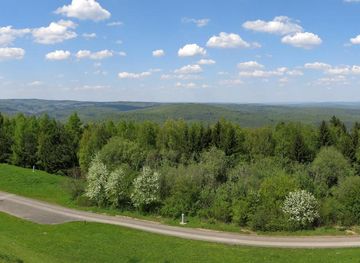
Explore more of Spessart
Discover Spessart, Germany's enchanting forested region, rich in folklore, history, and natural beauty. Wander through medieval towns, ancient woodlands, and captivating trails.
Explore Spessart
Explore more of Germany
Experience Germany: where history meets innovation, and urban energy blends with natural beauty. Discover diverse cultures, delicious cuisine, and stunning landscapes.
Explore Germany
