Slavic castle Raddusch Travel Guide
Free Guide: Discover the fascinating world of Slavic history and culture at the reconstructed Slavic Castle Raddusch, an archaeological open-air museum in the heart of the Spreewald forest.


A brief summary of Slavic castle Raddusch
Discover the fascinating world of Slavic history and culture at the reconstructed Slavic Castle Raddusch, an archaeological open-air museum in the heart of the Spreewald forest.
Step back in time at the Slavic Castle Raddusch, a meticulously reconstructed fort offering a captivating glimpse into Slavic culture in the Lower Lusatia region. Built on the original site of a 9th/10th-century Slavic settlement, this open-air museum features a ring-shaped castle with impressive ramparts, an archaeological exhibition showcasing regional finds, and hands-on activities for all ages. Explore the outdoor area with its historical displays and children's playground, or relax at the bistro and souvenir shop. Located near Vetschau in the heart of the Spreewald, the Slavic Castle Raddusch provides an immersive and educational experience for visitors interested in history, archaeology, and the unique heritage of the Sorbian/Wendish people.
Opening hours
- Every day10 am–6 pm
Opening hours as listed on the venue’s Google Business Profile. Hours can change for services and special events, so check with the venue before you go.
- Address
- Zur Slawenburg 1, 03226 Vetschau/Spreewald
- Phone
- Website
Getting there
Public Transport
Driving
Discover more about Slavic castle Raddusch
Overview
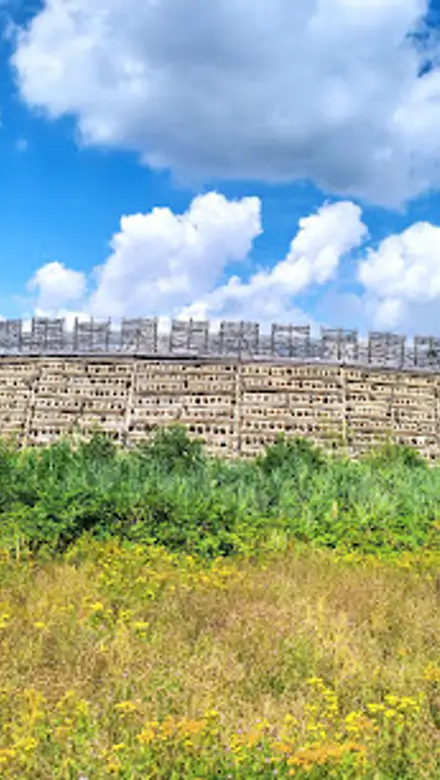
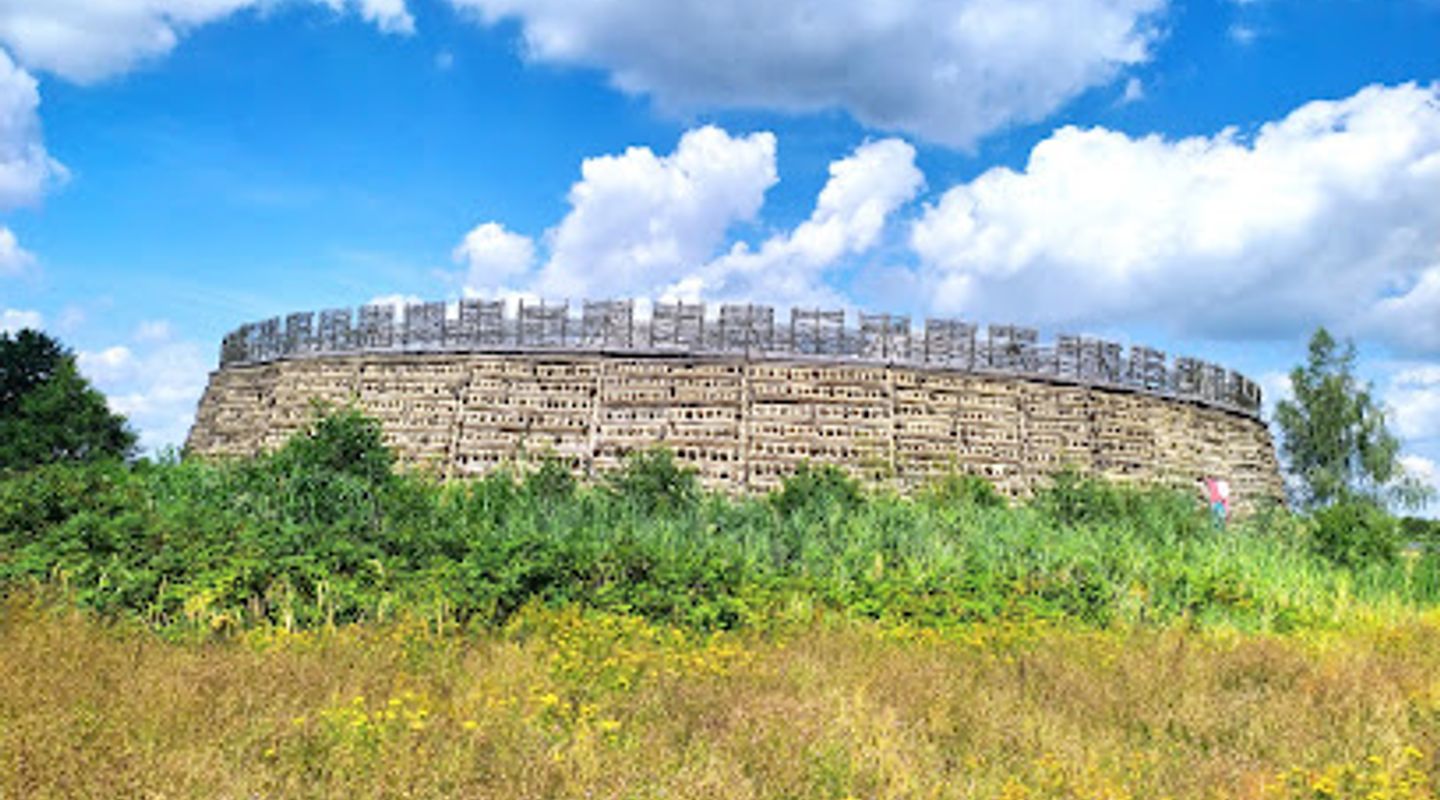
The Slavic Castle Raddusch, or *Slawenburg Raddusch* in German, stands as a testament to the rich Slavic history of the Lower Lusatia region. This reconstructed ringwall castle offers visitors an immersive journey back to the 9th and 10th centuries, providing insights into the lives, culture, and architecture of the Slavic Lusizi tribe who once inhabited this area. Located near the town of Vetschau/Spreewald, the Slawenburg is more than just a historical site; it's a vibrant center for education, culture, and recreation. The original Slavic settlement at Raddusch dates back over 1,000 years. The Lusizi tribe, part of the larger West Slavic group, constructed a network of refuge and storage castles throughout the region. The Raddusch ringwall, with a diameter of 57 meters, a width of over 10 meters, and a height of up to 9 meters, served as a vital defensive structure. In 963, the castle was abandoned. Over time, the castle fell into disrepair, and the rampart was used for agricultural purposes until 1984. In the 1980s, rescue excavations were carried out before lignite mining threatened the site. These excavations unearthed a wealth of artifacts, including weapons, jewelry, and pottery, providing valuable information about the daily life and culture of the Slavic inhabitants. Between 1999 and 2003, the Slavic Castle was rebuilt true to the original. The reconstruction was a joint project by the Brandenburg State Office for preservation of monuments and historic building and Archaeological State Museum, Amt Vetschau, the International Building Exhibition (IBA) Fürst-Pückler-Land and the Lausitzer and Middle-German Bergbauverwaltungsgesellschaft mbH. Today's Slawenburg Raddusch is not an exact replica but rather an idealized reconstruction based on the archaeological findings at Raddusch and other similar sites in Lower Lusatia, Saxony, and Poland. The modern structure incorporates a hollow concrete ring that houses the exhibition rooms, a castle shop, and a café. The exterior is clad in oak wood and clay, mimicking the presumed original appearance of the castle. Inside the castle walls, visitors can explore one of Germany's most modern archaeological exhibitions. The exhibition showcases finds from the Stone Age to the Slavic Middle Ages, with a focus on the archaeological discoveries made in the Lower Lusatian open-cast mining areas. Original artifacts, on loan from various museums and institutions, tell the story of the region's past. The outdoor area of the Slawenburg offers a variety of attractions. A long pedestrian bridge, called the "Zeitsteg," presents the history of Lower Lusatia over the past 12,000 years. Landscape islands illustrate the plant life of different periods. A playground with a monumental wooden bull provides entertainment for children. Picnic areas invite visitors to relax and enjoy the natural surroundings. The Slawenburg Raddusch hosts a variety of events throughout the year, including workshops, guided tours, and historical reenactments. These events offer visitors the opportunity to experience Slavic culture firsthand. Children can participate in activities such as archery, medieval games, and crafting workshops. The Slawenburg Raddusch is more than just a museum; it's a place where history comes alive. It's a place where visitors can learn about the past, connect with the culture of the Sorbian/Wendish people, and enjoy the natural beauty of the Spreewald region. The site also includes a bistro offering culinary delights and a souvenir shop where visitors can purchase unique mementos of their visit. The recent acquisition of the Slawenburg Raddusch by a Czech owner, David Chmelík, signals a new chapter for the site. Chmelík, who has a passion for Slavic history and culture, plans to expand the Slawenburg with a replica of a medieval Slavic village and enclosures for animals. He also intends to organize cultural events and collaborate with local businesses to make the Slawenburg a center for Slavic culture in Europe. The Slawenburg Raddusch is easily accessible and offers free parking for visitors. It is open daily, with varying hours depending on the season. Admission fees are reasonable, with discounts for children and families. The site is largely barrier-free, making it accessible to visitors with disabilities. A visit to the Slawenburg Raddusch can be combined with other attractions in the Spreewald region, such as boat trips, cycling tours, and visits to traditional Sorbian villages. The Slawenburg is also located near the Gurkenradweg (Cucumber Cycle Path), a popular cycling route that passes through the Spreewald's cucumber-growing region. Whether you are a history buff, a culture enthusiast, or simply looking for a fun and educational day trip, the Slawenburg Raddusch is sure to impress. Its unique blend of history, culture, and recreation makes it a must-see destination in the Spreewald region.
Evendo Review Centre
 Google
Guest reviews
Explore Slavic castle Raddusch on the map
A handpicked selection of must-see spots near Slavic castle Raddusch, mapped for you.
Get your free copy of our complete guide to Slavic castle Raddusch, delivered straight to you.
Everything on this page, from opening hours and how to get there to Eve’s tips and the best time to go, in one PDF you can read offline, print or share.
Already have an account? Sign in
Your Slavic castle Raddusch guide is ready.
We'll send it to · Not you? Sign out

Getting your guide ready…
We are putting together a fresh copy of the Slavic castle Raddusch guide. This can take up to a minute.
This can take a few moments. If your browser asks, choose Allow so the download can start. You'll find the guide in your Downloads folder.
Nothing happened? Download it again
Sorry, the guide is taking longer than usual. Please try again in a minute, or get it by email instead.
Other nearby places you may find interesting
The closest places of the same kind, if this one is not quite what you had in mind.
-
-
-
-
-


Swipe for more places
More to explore near Slavic castle Raddusch

 Best experiences near Slavic castle Raddusch
 Best hotels near Slavic castle Raddusch
 Best landmarks near Slavic castle Raddusch
 Best attractions near Slavic castle Raddusch
 Best shops near Slavic castle Raddusch
 Best restaurants near Slavic castle Raddusch
 Best bars near Slavic castle Raddusch
Do you manage this location?
Take control to get all the benefits, like improved information, better appearance, and stronger visibility across AI-powered discovery.
Explore more

Explore more of Spreewald
Discover the enchanting waterways, lush landscapes, and rich cultural heritage of Spreewald, Germany's hidden gem and a UNESCO biosphere reserve.
Explore Spreewald
Explore more of Germany
Experience Germany: where history meets innovation, and urban energy blends with natural beauty. Discover diverse cultures, delicious cuisine, and stunning landscapes.
Explore Germany