Klostermühle Boitzenburg: A Journey Through Milling History
Discover centuries of milling history at Klostermühle Boitzenburg, a captivating museum with interactive exhibits, a charming restaurant, and a picturesque rural setting in Brandenburg.
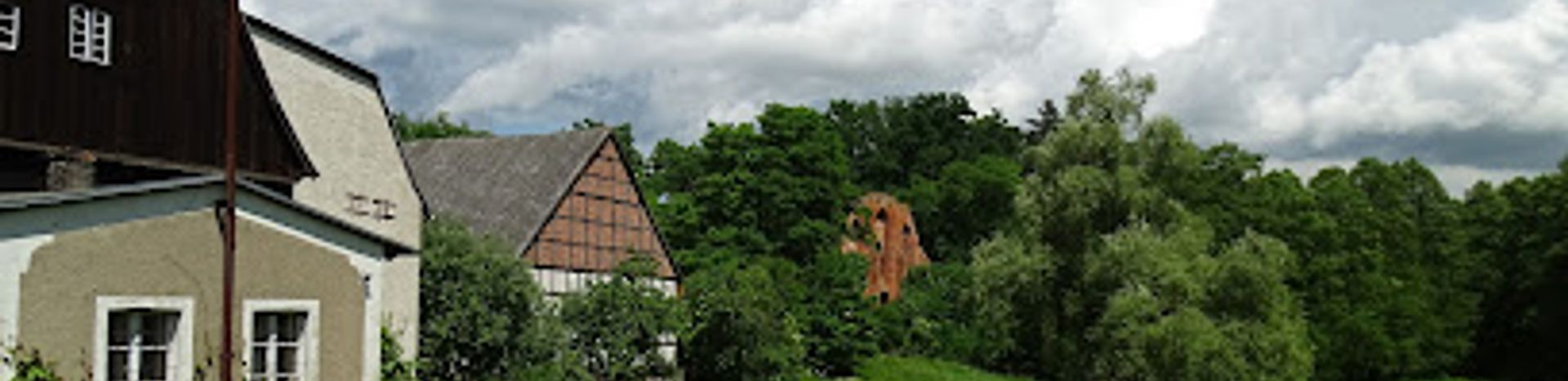
Step back in time at the Produktionsmuseum Klostermühle Boitzenburg, a beautifully preserved and fully functional watermill dating back to 1754. Nestled in the serene Boitzenburger Land, this museum offers a captivating glimpse into the history of milling technology and the lives of millers through the ages. Explore interactive exhibits, witness live demonstrations of the mill's machinery, and discover a unique collection of milling artifacts. The museum also features a charming restaurant serving regional cuisine, making it a perfect destination for history enthusiasts, families, and anyone seeking a taste of rural Brandenburg's cultural heritage. The Klostermühle provides free parking and is easily accessible by public transport, making it a convenient and enriching experience for all visitors. Don't miss the chance to explore the adjacent Klosterruine Boitzenburg, the remains of a Cistercian monastery, adding another layer of historical depth to your visit.
A brief summary to Produktionsmuseum Klostermühle Boitzenburg
- Mühlenweg 5, Boitzenburger Land, Boitzenburg, 17268, DE
- +4939889236
- Visit website
- Tuesday 10 am-5 pm
- Wednesday 10 am-5 pm
- Thursday 10 am-5 pm
- Friday 10 am-5 pm
- Saturday 10 am-5 pm
- Sunday 10 am-5 pm
Local tips
- Visit on a weekday to avoid crowds and enjoy a more personal experience of the museum and its demonstrations.
- Explore the adjacent Klosterruine Boitzenburg for a deeper dive into the area's medieval history.
- Sample the regional cuisine at the museum's restaurant, which uses locally sourced ingredients.
- Check the museum's website for special events and workshops, especially around German Mill Day (Pfingstmontag).
- Combine your visit with a trip to Schloss Boitzenburg and the Tiergarten for a full day of exploration.

Getting There
-
Public Transport
From Templin or Prenzlau, take Bus 503 towards Boitzenburg. Alight at the 'Boitzenburg Amt' stop. From there, walk along Templiner Straße, then turn onto Mühlenweg. The Klostermühle is approximately a 10-minute walk. A single bus fare costs approximately €3-€5.
-
Driving
From the center of Boitzenburg, follow signs for Mühlenweg. The Klostermühle is located at Mühlenweg 5. Free parking is available on-site. Be aware that parking can be limited during peak season. There are no tolls or special access fees required to reach the location.
-
Walking
If you are already in Boitzenburg, walking to the Klostermühle is a pleasant option. From the Schloss Boitzenburg, head east towards the Klosterruine. Follow the signs to Mühlenweg. The walk takes approximately 15-20 minutes and offers scenic views of the surrounding area. No costs involved.
Discover more about Produktionsmuseum Klostermühle Boitzenburg
Iconic landmarks you can’t miss

Schloss Boitzenburg
1.2 km
Experience the enchanting charm of Schloss Boitzenburg, a beautifully restored castle hotel in the serene Boitzenburger Land, Germany.

ehem. Bahnhof Fürstenwerder
14.3 km
Discover the former Bahnhof Fürstenwerder, a historical landmark in Nordwestuckermark that captures the essence of the region's rich past and scenic beauty.
Prenzlauer Roland
16.9 km
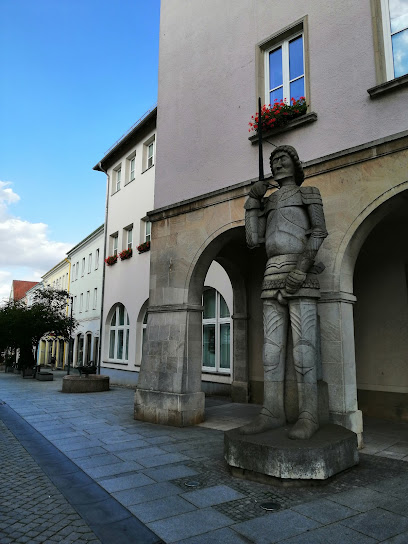
Explore the rich history and architectural beauty of Prenzlauer Roland, a captivating landmark in Prenzlau, Germany, steeped in medieval charm.
Hotel Uckermark
16.9 km
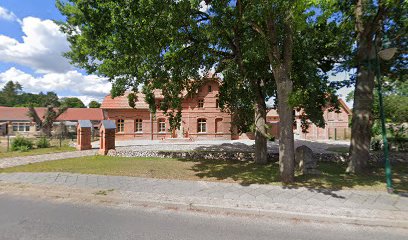
Discover the charm of Hotel Uckermark in Prenzlau, a cozy hotel offering comfort and convenient access to the stunning Uckermark region's attractions.
Tourismusverband Uckermark e.V.
17.3 km
Explore the Uckermark region from the heart of Prenzlau at the Tourismusverband Uckermark e.V., your go-to tourist information center for local adventures.
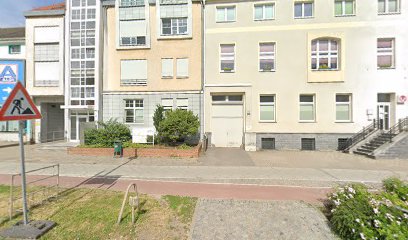
Deutsches Kriegerdenkmal Meichow und Neu-Meichow
26.1 km
Discover the poignant history at Deutsches Kriegerdenkmal in Meichow, a serene tribute to fallen soldiers, surrounded by the beauty of nature in the Uckermark region of Brandenburg.
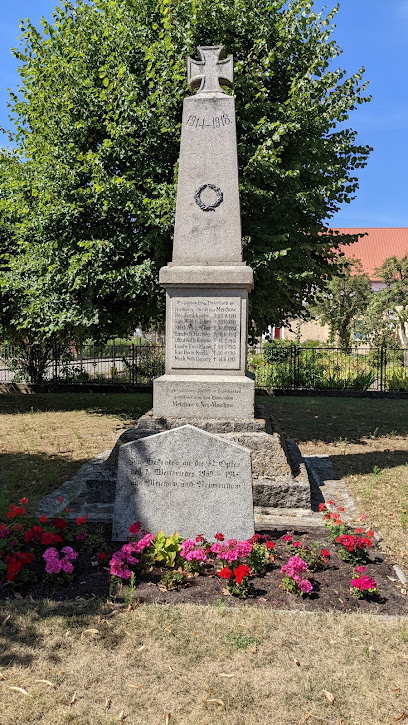
Gutshaus Nechlin
26.8 km
Explore the historic charm and serene beauty of Gutshaus Nechlin, a hidden gem in Uckerland, Germany, perfect for a peaceful escape.
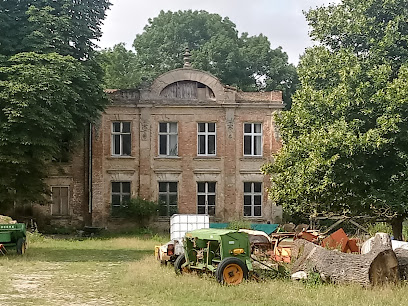
Carinhall
28.5 km
Discover the historical significance and serene beauty of Carinhall, a captivating landmark in Templin, Germany, perfect for history lovers and nature enthusiasts.
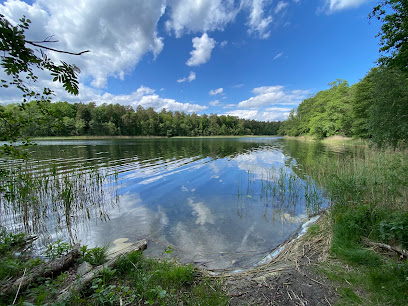
Taubenturm Glambeck
30.1 km
Explore Taubenturm Glambeck, a unique museum in Friedrichswalde that showcases the rich history and culture of the region through engaging exhibits.
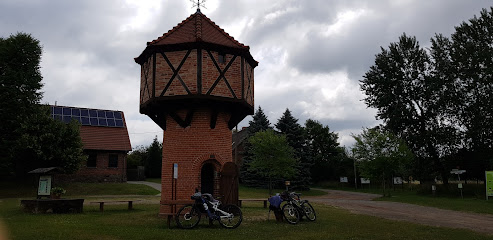
Fischteiche Blumberger Mühle
33.4 km
Experience the serene beauty of Fischteiche Blumberger Mühle, a unique fish farm in Angermünde perfect for families and nature lovers.
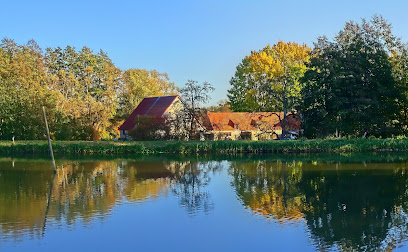
Refugium Uckermark
35.5 km
Discover tranquility and natural beauty at Refugium Uckermark, a perfect holiday apartment in the heart of Brandenburg's serene landscapes.
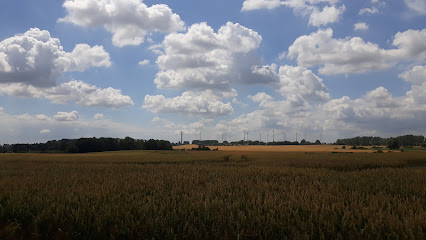
Von der Uckermark
39.3 km
Discover Von der Uckermark, a premier dog breeding facility in Ziethen, where passion for dogs meets exceptional care and companionship.
Löcknitz Castle
44.1 km
Discover centuries of history at Löcknitz Castle in Brandenburg, Germany, where medieval fortress meets picturesque gardens and vibrant cultural events in a serene Uckermark setting.
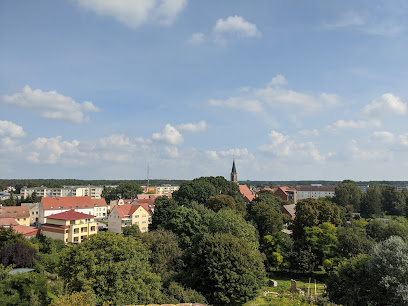
Castrum Turglowe
48.1 km
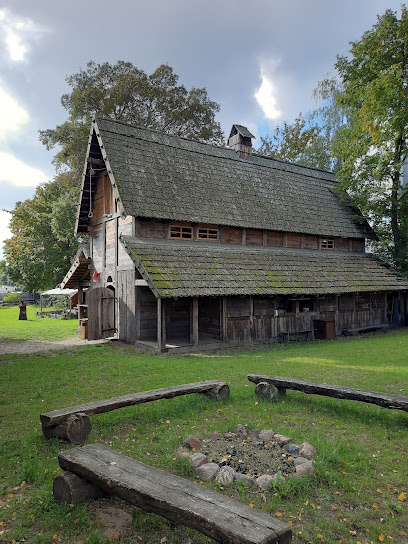
Explore Castrum Turglowe in Torgelow, an enchanting open-air museum showcasing medieval life through immersive experiences and reconstructed heritage sites.
Weg der Auenblicke, Criewen im Nationalpark unteres Odertal
49.6 km
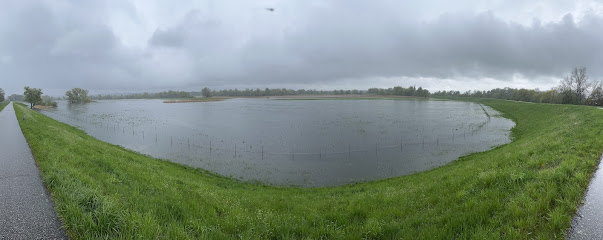
Explore the breathtaking Weg der Auenblicke in Nationalpark Unteres Odertal, where stunning landscapes and serene hiking trails await nature lovers.
Unmissable attractions to see

Verlobungsstein
1.4 km
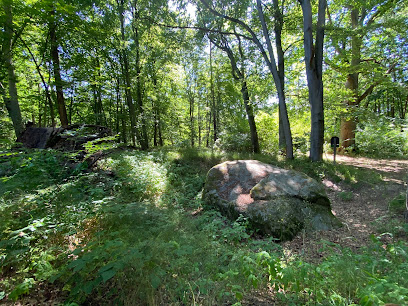
Discover the serene beauty of Verlobungsstein in Boitzenburger Land: a 50-ton glacial erratic steeped in romantic lore, surrounded by forests, castles and historical sites.
Uckermärkische Seenlandschaft
11.4 km
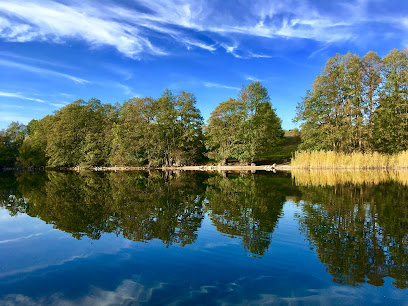
Discover the Uckermärkische Seenlandschaft: A pristine nature preserve with over 300 lakes, lush forests, and diverse wildlife, perfect for outdoor adventures and tranquil escapes in northeastern Brandenburg.
Hauptmannsberg
12.7 km
Discover Hauptmannsberg: A natural paradise in Feldberger Seenlandschaft with panoramic views, rich history, and diverse wildlife, perfect for hiking and tranquil escapes.
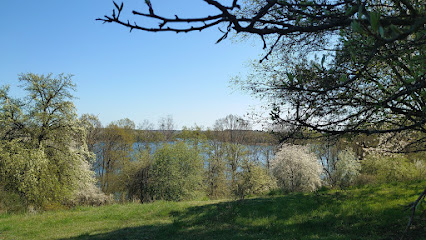
Wasserburg Gerswalde
13.6 km
Explore Wasserburg Gerswalde, a captivating medieval moated castle in Uckermark, Brandenburg, offering a blend of history, museum exhibits, and scenic natural beauty.
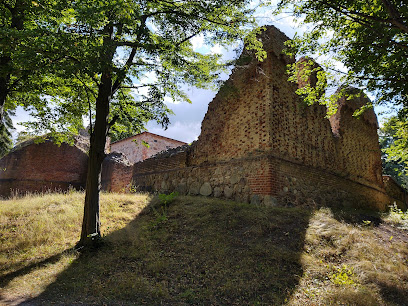
Grosser Mechowsee
14.2 km
Experience the tranquility of Grosser Mechowsee, a picturesque lake in Feldberger Seenlandschaft, perfect for nature lovers and outdoor enthusiasts.
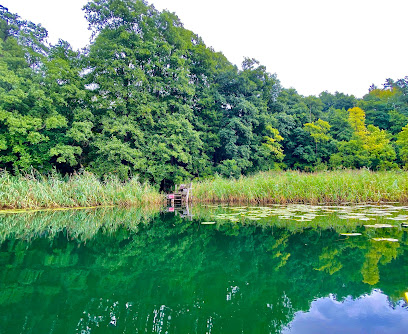
Margrave Spring
14.3 km
Discover the serene beauty of Margrave Spring in Templin, a tranquil natural oasis offering relaxation, historical charm, and a refreshing escape in the heart of Uckermark.
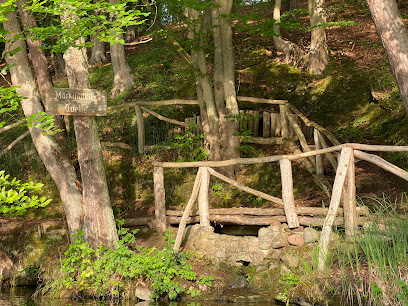
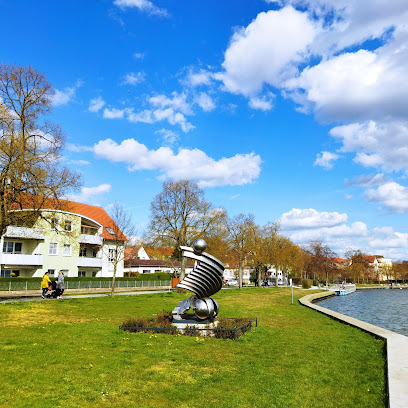
Die Woge
16.4 km
Experience the dynamic beauty of 'Die Woge,' a modern sculpture on Prenzlau's Uckerpromenade, blending art with the serene Unteruckersee lake for a memorable cultural encounter.
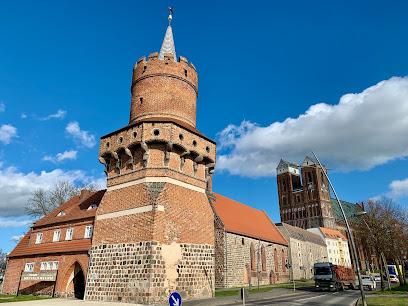
Mitteltorturm
16.5 km
Explore Prenzlau's medieval heart at the Mitteltorturm, a historic gate tower offering a unique guesthouse experience and a glimpse into the town's captivating past.
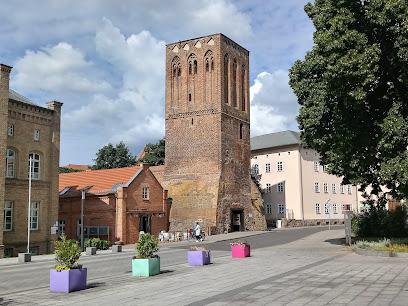
Steintorturm
16.9 km
Explore Prenzlau's medieval past at the Steintorturm, a historic gate tower offering panoramic views and a glimpse into the city's rich heritage.
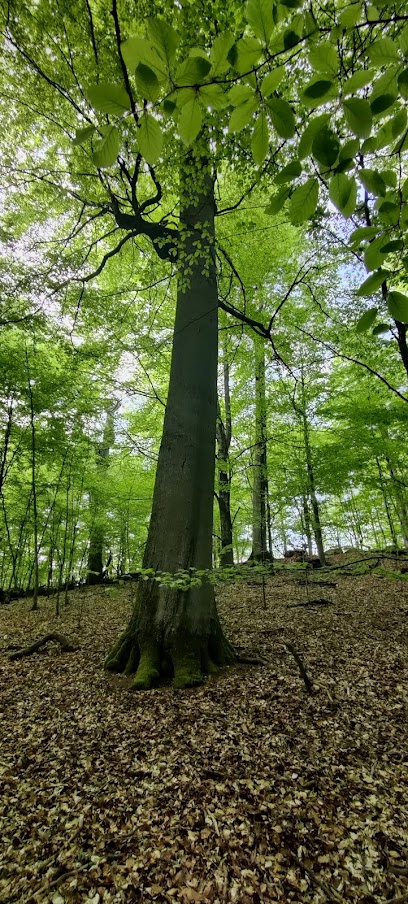
Heilige Hallen
17.4 km
Explore the enchanting Heilige Hallen in Feldberger Seenlandschaft, a nature preserve offering tranquil landscapes, diverse wildlife, and stunning hiking trails.
Naturerlebnis Uckermark
17.5 km
Discover nature, wildlife, and family fun at Naturerlebnis Uckermark in Prenzlau, a unique animal park offering hands-on experiences and environmental education in the Uckermark region.
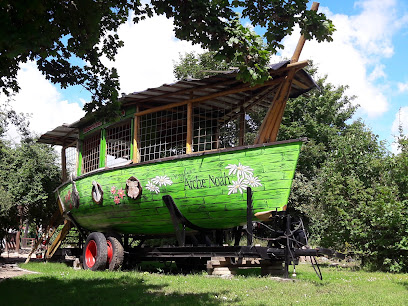
Museum für Stadtgeschichte
17.8 km
Discover Templin's captivating past at the Museum für Stadtgeschichte, nestled within the historic Prenzlauer Tor, offering a journey through centuries of local history and culture.
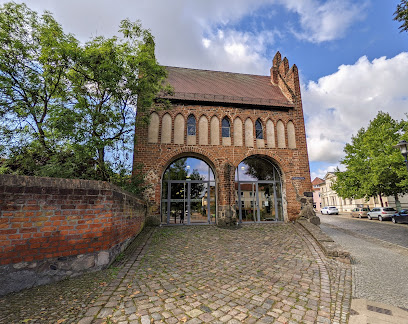
Mill Gate
18.0 km
Discover Templin's medieval past at the Mill Gate, a beautifully preserved landmark offering a glimpse into the town's rich history and architectural heritage.
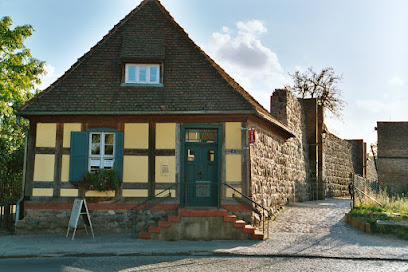
Tax collectors office
18.0 km
Discover Templin's past at the Akzisehaus, a charming 18th-century building that once collected taxes and now stands as a testament to the town's rich history and architectural heritage.
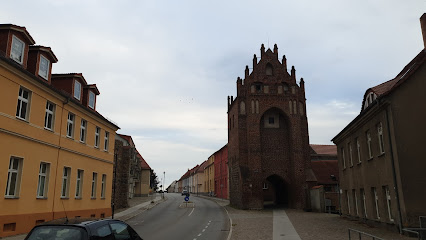
Berlin Gate
18.2 km
Discover the medieval charm of Templin at the Berlin Gate, a historic landmark offering a glimpse into the town's rich past and architectural heritage in the Uckermark region.
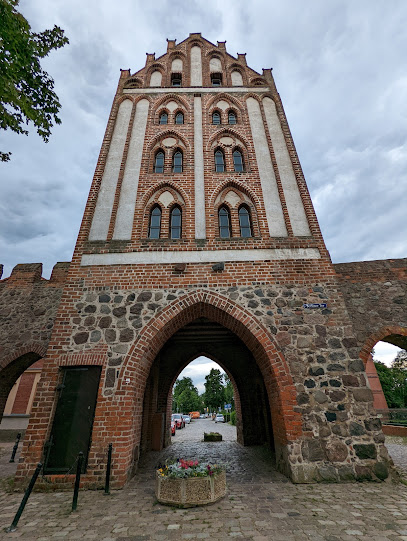
Essential places to dine

Gasthof zum grünen Baum
1.0 km
Experience authentic German hospitality at Gasthof zum grünen Baum – your gateway to the enchanting Boitzenburger Land.
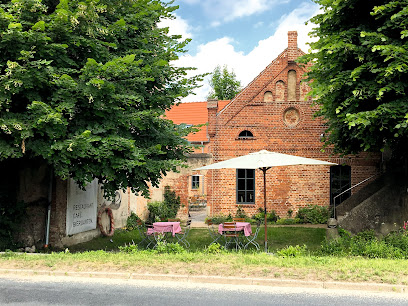
Gaststätte „Zum Rasselbock“
7.4 km
Experience authentic German dining at Gaststätte „Zum Rasselbock“, where delicious cuisine meets warm hospitality in Boitzenburger Land.
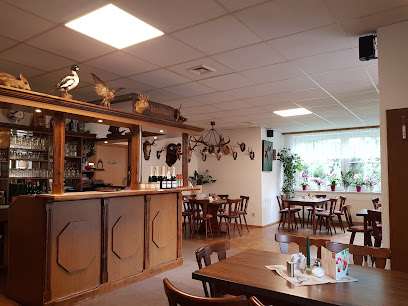
Seenfischerei Trellert
10.9 km
Experience delicious local seafood at Seenfischerei Trellert while enjoying boat rentals and scenic fishing ponds in Nordwestuckermark.
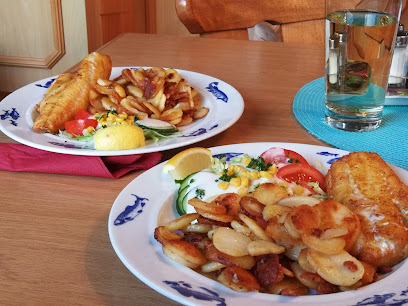
Hotel Alte Schule Fürstenhagen - Daniel Schmidthaler
11.0 km
Experience luxury and wellness at Hotel Alte Schule Fürstenhagen with exquisite organic cuisine amidst stunning natural beauty.
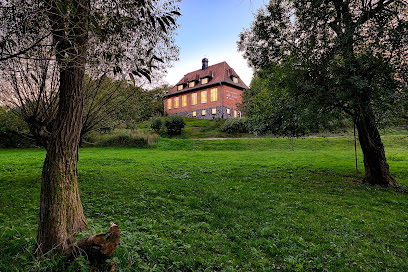
Hotel and Restaurant Altes Zollhaus
13.7 km
Discover tranquility at Hotel and Restaurant Altes Zollhaus amidst breathtaking landscapes in Feldberger Seenlandschaft.
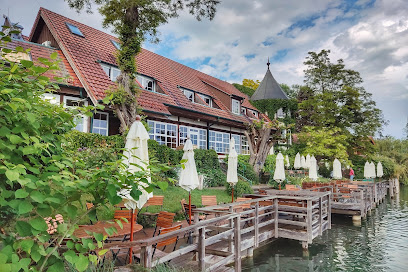
Gutshof Kraatz - Weinschänke
14.3 km
Discover Gutshof Kraatz: A delightful restaurant and winery offering authentic German cuisine and exquisite local wines in Nordwestuckermark.
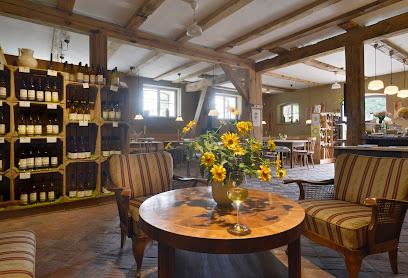
per see – KELLERBAR MIT SEETERASSE
14.3 km
Experience Mediterranean flavors and vibrant live music at Per See – Kellerbar mit Seeterrasse in Feldberger Seenlandschaft.
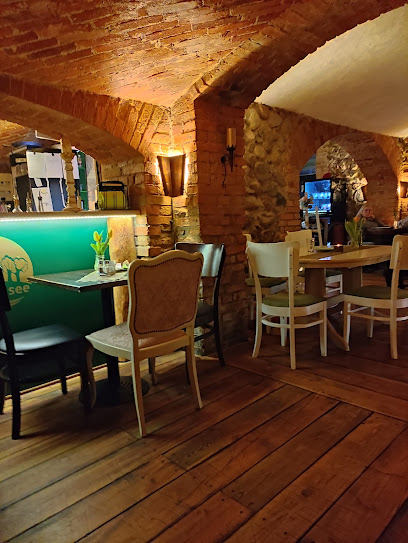
Gaststätte Zum Schwan
16.9 km
Discover the heart of German culinary traditions at Gaststätte Zum Schwan in Prenzlau - where every meal tells a story.
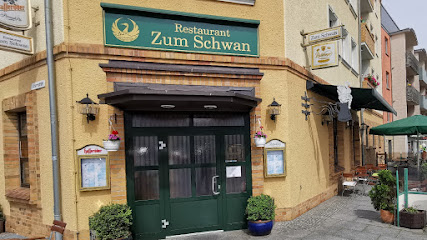
Kastanienhof - Elke Voß
17.3 km
Experience tranquility at Kastanienhof - an idyllic inn with a charming beer garden in scenic Flieth-Stegelitz.
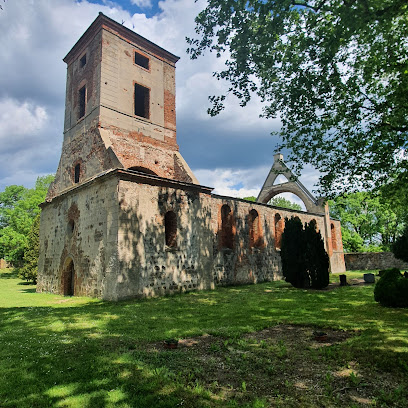
Gaststätte Shanty
17.7 km
Experience authentic German cuisine at Gaststätte Shanty in Templin – where tradition meets taste.
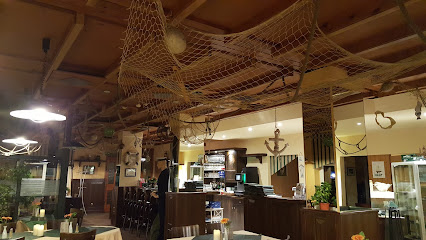
Gaststätte Grünling
17.9 km
Savor authentic German cuisine at Gaststätte Grünling in Templin – where tradition meets taste in a charming atmosphere.
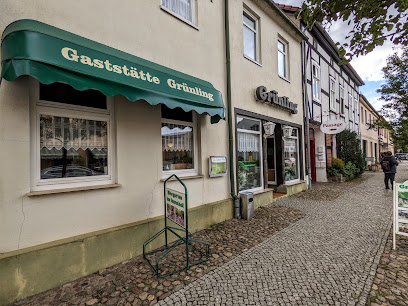
bäumi-hof
18.0 km
Experience the perfect blend of comfort and nature at bäumi-hof – your ideal holiday retreat in Oberuckersee.
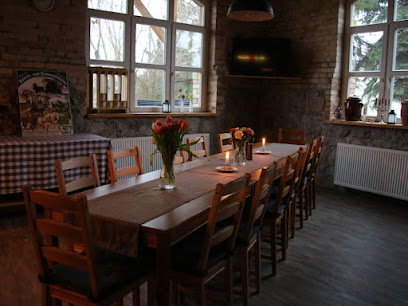
HELLAS
18.1 km
Discover the taste of Greece at HELLAS - Templin's premier destination for authentic Greek cuisine and delightful dining experiences.
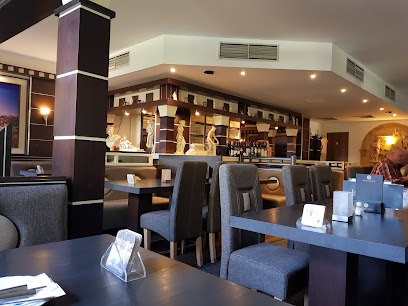
Seehotel Huberhof
18.2 km
Experience culinary excellence and serene lakeside relaxation at Seehotel Huberhof in Oberuckersee.
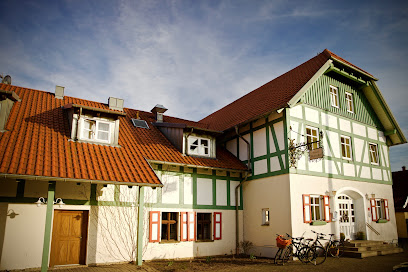
Ferienpark Templin
19.0 km
Experience delightful dining and serene accommodations at Ferienpark Templin – where nature meets culinary excellence.
Markets, malls and hidden boutiques

Einkaufsquelle Elfriede Thiemke
7.4 km
Discover local flavors at Einkaufsquelle Elfriede Thiemke, your go-to grocery store in Boitzenburger Land for authentic regional products.
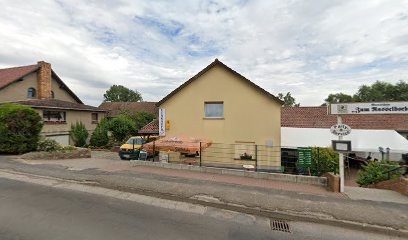
Fräulein MaMiMa
13.6 km
Explore Fräulein MaMiMa in Gerswalde for unique gifts and handcrafted treasures that capture the essence of your travels.
MAGASIN SÜRPRIS
13.7 km
Explore the whimsical world of MAGASIN SÜRPRIS in Gerswalde, where magic and imagination come together to create unforgettable experiences.
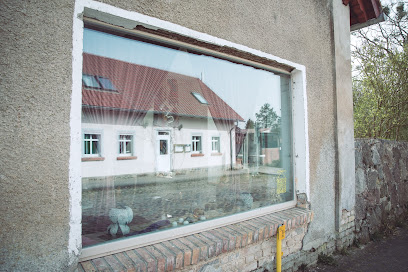
Koicenter - Uckermark
14.5 km
Explore the tranquil world of koi at Koicenter - Uckermark, a serene haven for fish enthusiasts and nature lovers in Prenzlau.
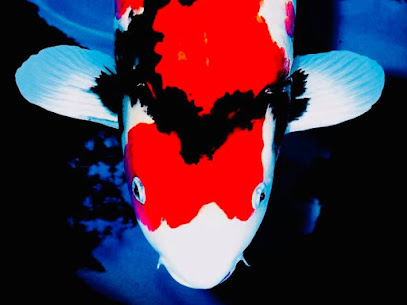
Schöner Schenken Geschenkideenladen
15.3 km
Explore the delightful Schöner Schenken gift shop in Prenzlau, offering unique souvenirs and local artisan crafts for every traveler.
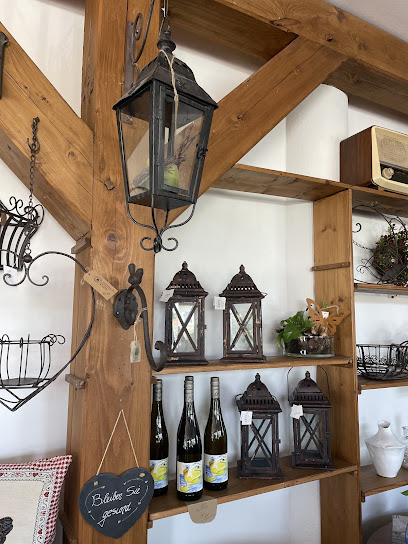
Ihre Kette - Kaufhalle Henke
15.7 km
Experience the best of local and international groceries at Ihre Kette - Kaufhalle Henke in Oberuckersee, a supermarket that caters to every taste.
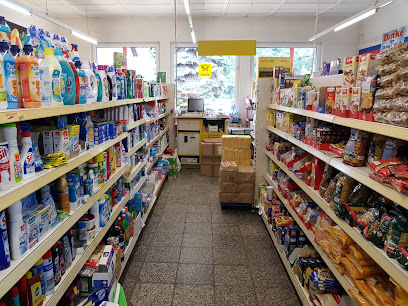
Landmarkt
15.7 km
Explore Landmarkt in Oberuckersee for a taste of local flavors, fresh produce, and a unique shopping experience that reflects the heart of the region.
Modewelt
16.8 km
Discover unique styles and quality clothing at Modewelt in Prenzlau, where fashion meets affordability in a charming atmosphere.
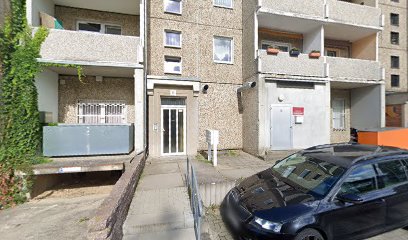
Woolworth
16.9 km
Discover diverse products and great deals at Woolworth, Prenzlau's favorite department store for tourists and locals alike.
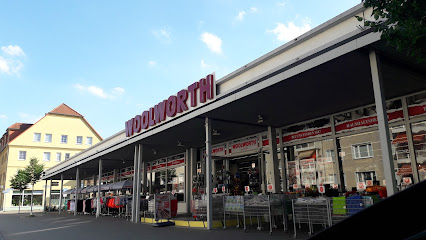
Uhren und Schmuck Karina Freitag & Bärbel Stache GbR
16.9 km
Explore exquisite jewelry and expert repair services at Uhren und Schmuck in Prenzlau, where craftsmanship meets local charm.
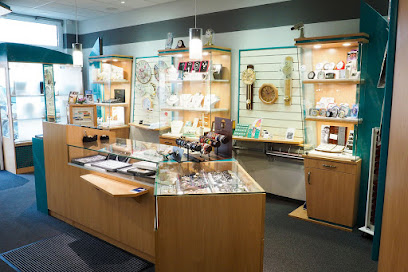
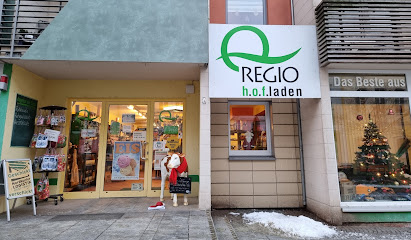
Q-Regio-h.o.f.laden Prenzlau
16.9 km
Discover local treasures at Q-Regio-h.o.f.laden Prenzlau, where unique craftsmanship meets delightful regional flavors.
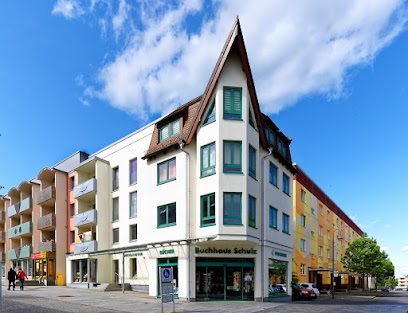
Buchhaus Schulz
16.9 km
Discover a literary oasis in Prenzlau at Buchhaus Schulz, where book lovers find their next great read in a cozy atmosphere.
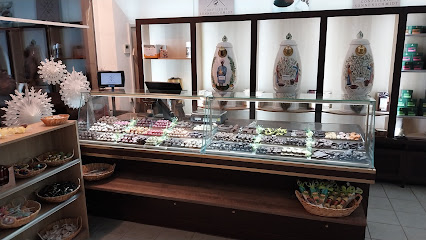
Confiserie Sonnenschmidt
17.0 km
Discover a sweet paradise at Confiserie Sonnenschmidt, where artisanal chocolates and delightful candies await in Prenzlau's charming gift shop.
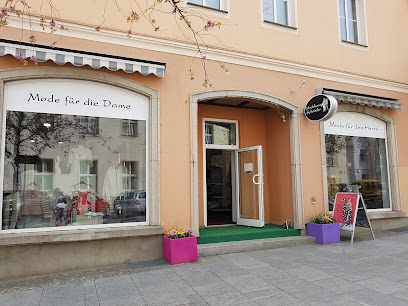
Modehaus Schröder
17.0 km
Discover the exquisite fashion offerings at Modehaus Schröder, a local treasure in Prenzlau's vibrant shopping scene.
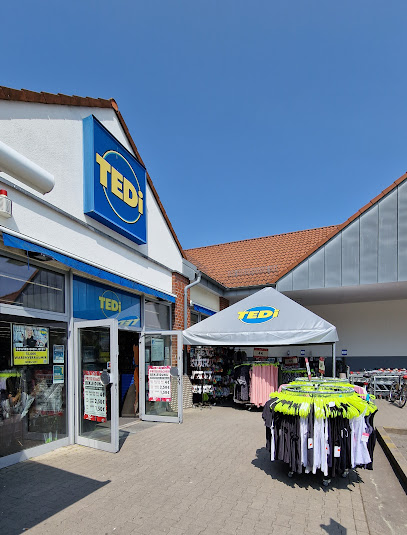
TEDi
17.0 km
Explore TEDi in Prenzlau for unbeatable deals on a wide range of home goods and unique souvenirs that reflect your journey.
Essential bars & hidden hideouts

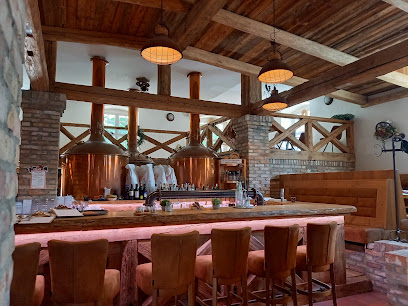
Brauhaus und Braumanufaktur Boitzenburg
1.0 km
Experience authentic German brewing and hearty cuisine at Brauhaus und Braumanufaktur in Boitzenburg, a must-visit destination for beer enthusiasts.
Schalow
9.2 km
Explore Schalow, a charming gastropub in Nordwestuckermark, offering delicious local cuisine in a serene, picturesque setting.
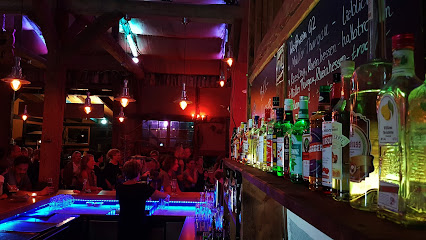
Alte Scheune Carwitz
12.7 km
Discover the culinary charm of Alte Scheune Carwitz, where barbecue flavors meet live music in the heart of Feldberger Seenlandschaft.
Knaufi's Eiscafé
14.1 km
Experience the best of homemade ice cream and cozy ambiance at Knaufi's Eiscafé in Fürstenwerder, a delightful retreat for sweet lovers.
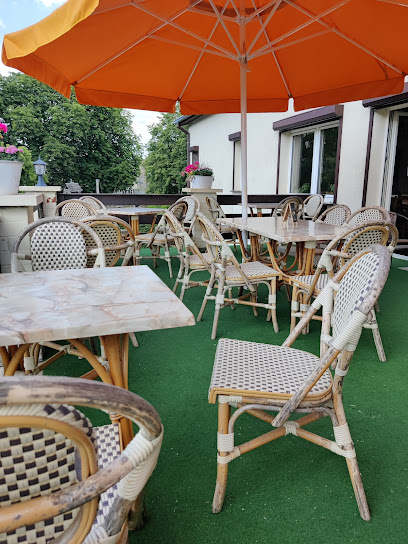
Seeterrasse & Lounge
14.4 km
Experience the beauty of Feldberger Seenlandschaft at Seeterrasse & Lounge, a perfect blend of scenic views and exquisite drinks.
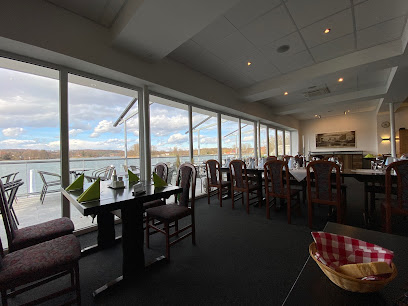
Hafenbar Templin
17.7 km
Discover Hafenbar Templin, a charming lakeside bar offering delicious drinks and vibrant atmosphere perfect for relaxation and socializing.
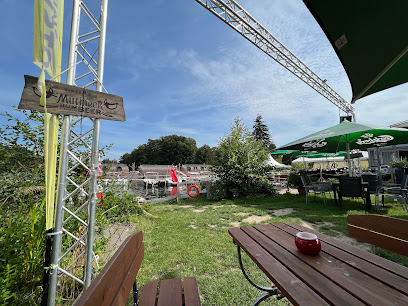
bäumi´s - Hofschänke
18.0 km
Discover the charm of bäumi's - Hofschänke, a delightful gastropub in Oberuckersee offering local cuisine and a warm atmosphere for all visitors.
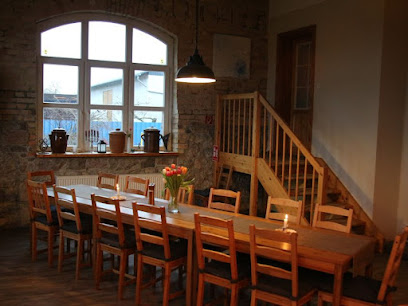
Strandbar Templin
18.0 km
Discover the serene Strandbar Templin, a perfect lakeside bar and café experience with delightful drinks and breathtaking views.
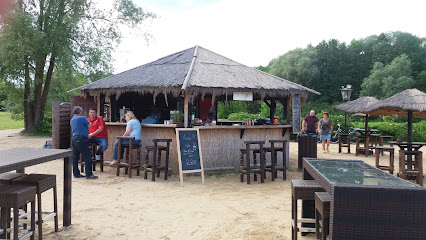
Café, Bistro & Bar Uckerperle
18.0 km
Discover the charm of Café, Bistro & Bar Uckerperle in Templin, where delicious food meets a cozy atmosphere along the scenic canal.
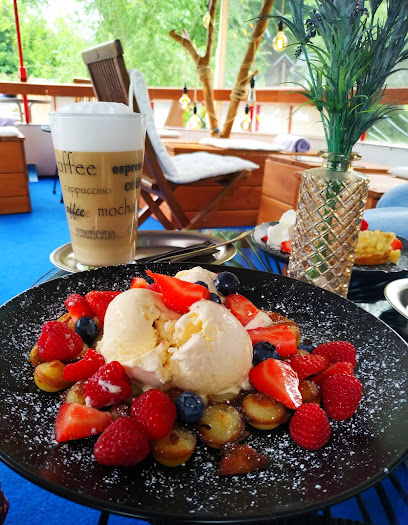
Radfahrerraststätte
18.2 km
Discover the charm of Radfahrerraststätte, a scenic kiosk and beer garden perfect for cyclists and tourists seeking relaxation in the Oberuckersee region.
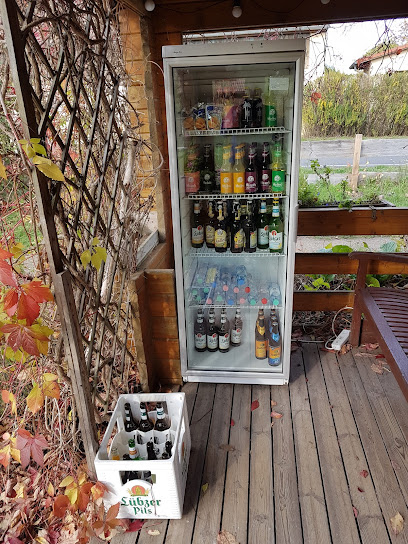
Petersilienbar
18.6 km
Discover the culinary delights of Petersilienbar, a charming gastropub in Templin, where local flavors meet a cozy atmosphere.
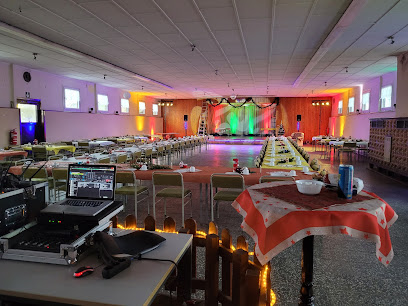
Deutsche Eiche - Warnitzer Burgwallbräu
19.3 km
Discover the heart of German culinary traditions at Deutsche Eiche - Warnitzer Burgwallbräu, where authentic flavors meet warm hospitality.
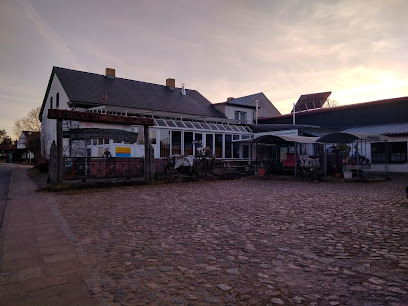
Gaststätte Zum Dicken
21.0 km
Savor the essence of German dining at Gaststätte Zum Dicken, a charming gastropub in the heart of Lychen.
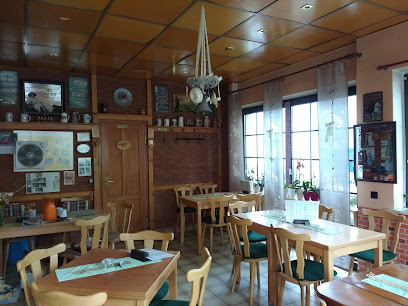
Stadtkrug
21.1 km
Discover the charm of Stadtkrug in Lychen, where local flavors meet a cozy ambiance for an unforgettable bar experience.
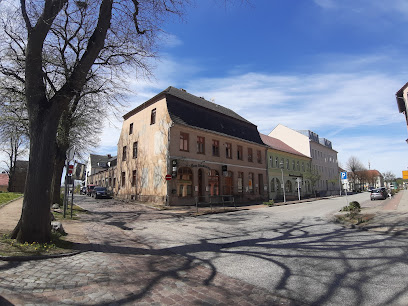
Dorfklause
26.5 km
Discover the flavors of Germany at Dorfklause, a charming gastropub in Gramzow, offering a delightful menu and a cozy atmosphere for all.
Nightclubs & after hour spots

Concert & Dance Hall - El Dorado
22.1 km
Experience electrifying nightlife at El Dorado Concert & Dance Hall in Templin, where music and dance create unforgettable memories.
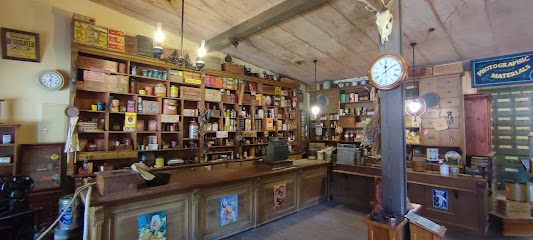
Discothek Colosseum
39.2 km
Discover the vibrant nightlife at Discothek Colosseum, where pulsating beats and an electric atmosphere await every Saturday night in Neubrandenburg.
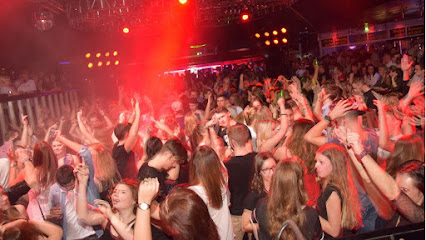
Discothek Bellissima
40.1 km
Discover the energetic nightlife at Discothek Bellissima, Zehdenick's top destination for dancing and socializing.
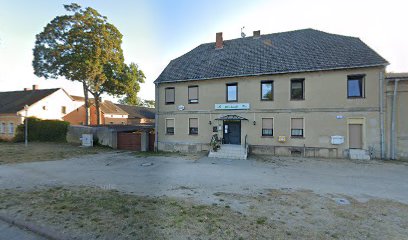
Club
40.9 km
Discover Penkun's vibrant nightlife at this top-rated night club, where music, dance, and unforgettable moments await.
Bollwerk Club
48.7 km
Discover the electrifying nightlife of Eberswalde at Bollwerk Club, a vibrant night club known for its dynamic music and energetic atmosphere.
VEGAS nightclub GoGo
56.3 km
Discover the ultimate nightlife experience at VEGAS Nightclub GoGo in Chojna, where music, dance, and fun come together for an unforgettable evening.
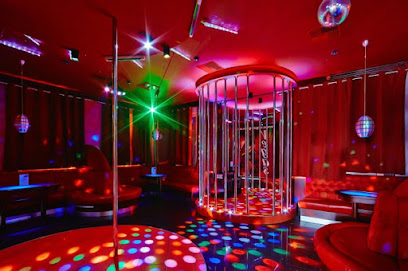
Klub PLR
63.4 km
Discover the vibrant nightlife of Szczecin at Klub PLR, where electrifying music and an energetic atmosphere await every night.
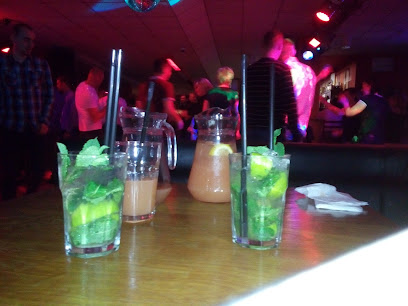
Euphoria Klub GO GO
63.8 km
Experience the electrifying nightlife at Euphoria Klub GO GO in Szczecin, where unforgettable music and vibrant atmosphere await.
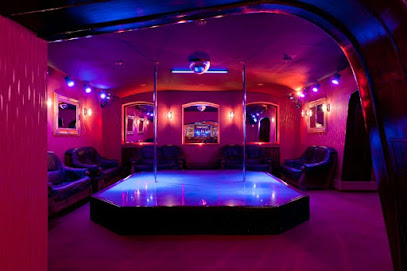
Grey Club
64.1 km
Discover Szczecin's nightlife at Grey Club, where vibrant music and an energetic crowd create unforgettable memories.
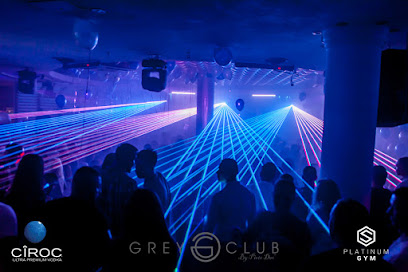
Disco na Deptaku
64.1 km
Discover Szczecin's vibrant nightlife at Disco na Deptaku, where music, dancing, and fun come together for an unforgettable experience.
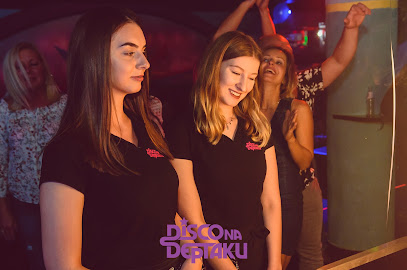
Holiday Club
64.1 km
Discover the electrifying nightlife at Holiday Club in Szczecin, a premier destination for unforgettable nights of dancing and entertainment.
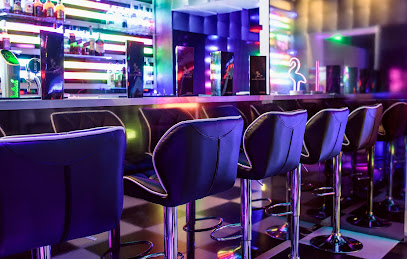
Badabing Night Club - Klub GOGO
64.1 km
Discover the electrifying nightlife at Badabing Night Club in Szczecin, where music, dance, and unforgettable performances await you every night.
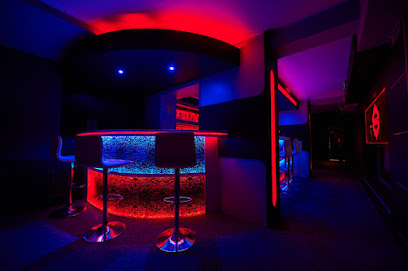
Coyote Club
64.1 km
Discover the vibrant nightlife and live music scene at Coyote Club in Szczecin, where unforgettable experiences await every night.
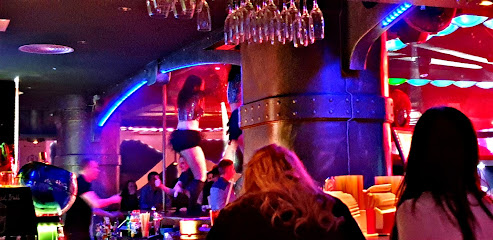
City Hall Club & TANZ BAR
64.1 km
Dive into the bustling nightlife of Szczecin at City Hall Club & TANZ BAR, where unforgettable moments and vibrant music unite.
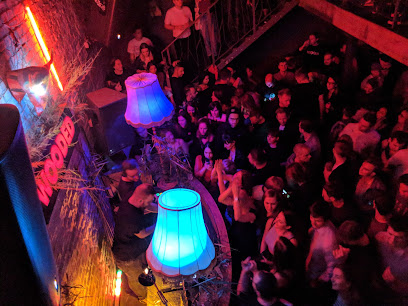
AFTER EGO
64.4 km
Experience Szczecin's vibrant nightlife at AFTER EGO, where cocktails, live music, and great vibes await in a stylish setting.