

Free Uckermark Travel Guide & Mobile App
Explore Uckermark with free travel guides. Discover regional history, expert tips, proposed trips, and audio guides on web or mobile app.


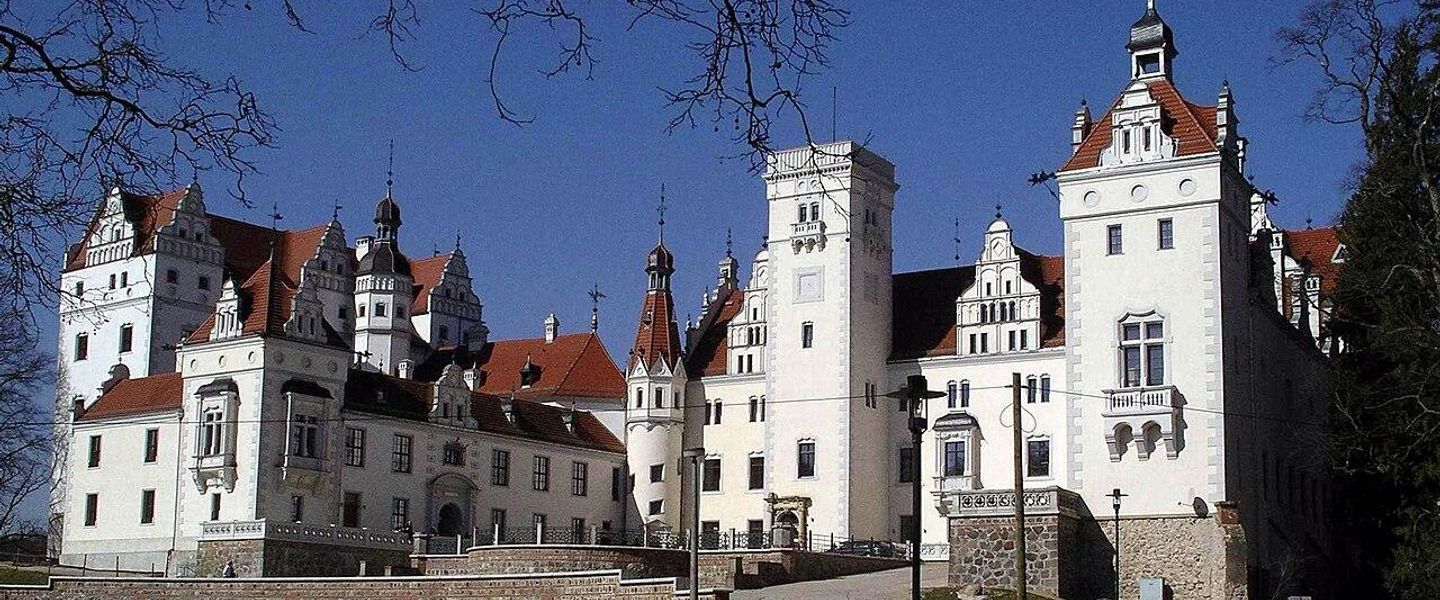


Explore Uckermark in northern Germany for glacial lakes, beech forests, medieval towns, quiet cycling routes and the Oder floodplain.
Read more about Uckermark
When is the best time to visit Uckermark?
Best: June–August · 22–24°C| Month | High (°C) | Rainfall (mm) |
|---|---|---|
| January | 3 | 38 |
| February | 4 | 33 |
| March | 9 | 37 |
| April | 15 | 35 |
| May | 19 | 48 |
| June (best) | 22 | 57 |
| July (best) | 24 | 64 |
| August (best) | 23 | 59 |
| September | 19 | 44 |
| October | 14 | 41 |
| November | 7 | 42 |
| December | 4 | 45 |
Getting to and around Uckermark
How to get there
Transportation
Best attractions in Uckermark
Uckermark's attractions are shaped less by a single headline monument than by the close succession of historic towns, protected landscapes and water-rich countryside. Prenzlau offers brick-Gothic architecture, the former Dominican monastery and views across the Unteruckersee, while Templin combines a well-preserved medieval wall with access to a chain of wooded lakes. Angermünde is a gateway to the Schorfheide-Chorin Biosphere Reserve, the Blumberger Mühle environmental visitor centre and the Grumsin beech forest, where access is managed to protect a UNESCO-listed woodland. The Unteres Odertal National Park in the east is important for floodplain habitats, birdlife and cycling routes along the Oder valley. Lychen is associated with canoeing, lake excursions and the region's raft-making tradition. Across the Uckermark, visitors will also find manor parks, village churches, farm landscapes, archaeological traces and small museums. Walking, cycling, paddling and wildlife observation are often more rewarding here than a tightly scheduled sequence of indoor attractions, particularly when planned around seasonal water levels and public-transport limitations.
-
Nature preserve
Schorfheide-Chorin Biosphere Reserve
Discover the Schorfheide-Chorin Biosphere Reserve: A UNESCO-protected haven of forests, lakes, and cultural heritage, offering sustainable tourism and a rich biodiversity experience near Berlin.
-
Monastery
Chorin Abbey
Discover Chorin Abbey: A stunning example of Brick Gothic architecture nestled in Brandenburg's scenic Schorfheide-Chorin Biosphere Reserve, offering history, culture, and natural beauty.
-
National park
Unteres Odertal National Park
Discover Germany's only wetlands national park, a haven for diverse wildlife and stunning riverside scenery along the Oder River, perfect for hiking, cycling, and canoe trips.
-
Nature preserve
Uckermärkische Seen Nature Park
Discover the Uckermärkische Seen Nature Park: Brandenburg's lakeside paradise offering pristine lakes, lush forests, and endless outdoor adventures for nature lovers and explorers.
Best landmarks in Uckermark
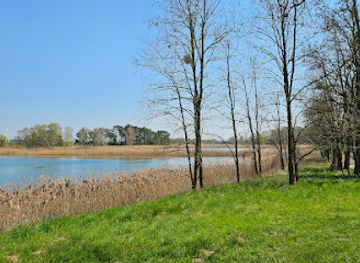
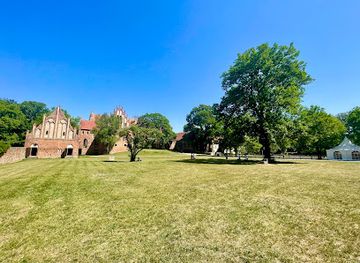
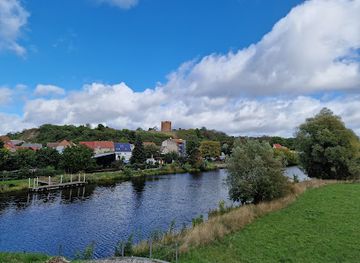
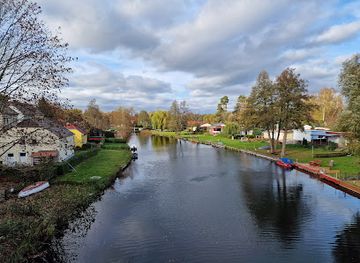
The dominant landmarks of Uckermark are its brick churches, medieval town walls, manor landscapes and broad natural horizons. St Mary's Church in Prenzlau is a significant example of North German brick Gothic architecture and forms part of the town's historic skyline, while the remains and buildings of the former Dominican monastery add another layer to the town's religious history. Templin's enclosing medieval wall, with its gates and towers, is one of the clearest surviving defensive ensembles in the region. Boitzenburg Castle and its parkland represent the long influence of landed estates, even though the present complex reflects many periods of alteration. In the countryside, the Grumsin beech forest is a landmark of European ecological importance, while the broad floodplain of the Unteres Odertal gives the eastern Uckermark a distinctive geographical identity. Lake landscapes around Lychen and the Unteruckersee are less monumental in a built sense, but they are essential visual markers of the glacial terrain that shaped settlement, agriculture and travel.
-
Historical place
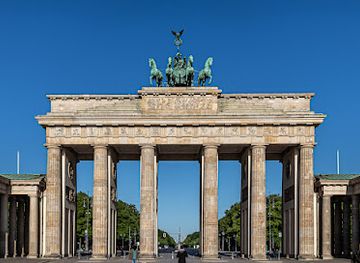
Brandenburg Gate
Explore the historic Brandenburg Gate, a neoclassical symbol of unity in Berlin, surrounded by vibrant culture and rich history.
-
Castle
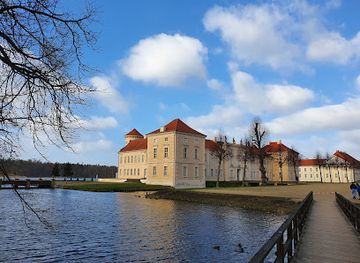
Rheinsberg Palace
Explore Rheinsberg Palace, a stunning blend of history, architecture, and nature in Germany's picturesque landscape.
-
Nature preserve
Schorfheide-Chorin Biosphere Reserve
Discover the serene beauty and rich biodiversity of the Schorfheide-Chorin Biosphere Reserve, a UNESCO World Heritage Site in Germany.
-
National park
Unteres Odertal National Park
Explore the breathtaking landscapes and diverse wildlife of Unteres Odertal National Park, a serene escape in Germany perfect for nature enthusiasts.
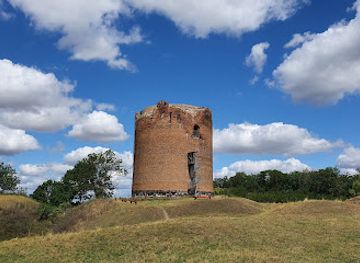
Explore Uckermark on the map
Plan your trip on one map. See where the top cities, national parks and sights are, and book hotels and experiences in a few clicks.
Best hotels in Uckermark
Best restaurants in Uckermark
Uckermark dining reflects northern Brandenburg's agricultural landscape and freshwater environment. Menus in traditional inns and rural restaurants may feature potatoes, seasonal vegetables, game, poultry, freshwater fish and fruit from local farms, while soups, cakes and substantial regional cooking remain common in village cafés. Around the lakes, fish dishes can appear alongside contemporary German cuisine, although availability varies by season and establishment. Farm shops and producers offer opportunities to buy preserves, honey, dairy products, vegetables and other locally made foods for picnics or self-catering. Market towns such as Prenzlau, Templin and Angermünde provide the broadest choice of cafés, bakeries and restaurants, while smaller villages tend to have fewer services and more limited opening patterns. Beer is widely available, and Brandenburg's broader brewing culture is represented in some local restaurants, but the region's culinary identity is primarily rural and produce-led rather than built around a single signature dish.
-
German
Alte Fischerei
Discover authentic German cuisine at Alte Fischerei by Werbellinsee – where delicious food meets stunning lakeside views.
-
Greek
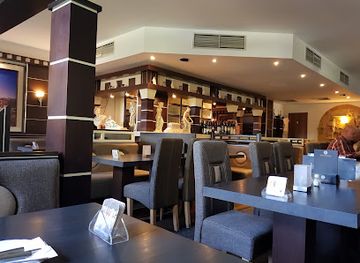
HELLAS
Discover the taste of Greece at HELLAS - Templin's premier destination for authentic Greek cuisine and delightful dining experiences.
-
Restaurant
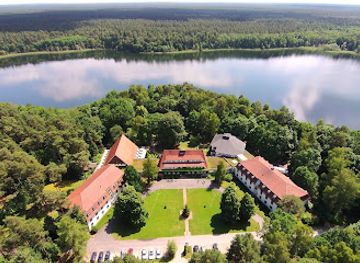
Hotel Döllnsee-Schorfheide (4-Sterne)
Discover culinary delights and serene accommodations at Hotel Döllnsee-Schorfheide - your gateway to relaxation in Templin's beautiful landscapes.
-
Restaurant
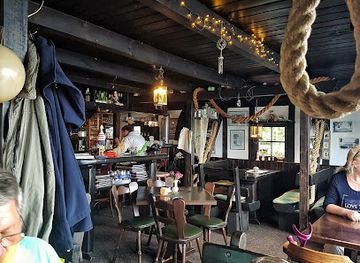
Mühle Tornow GbR
Experience the culinary magic at Mühle Tornow - where delightful flavors meet stunning natural beauty.
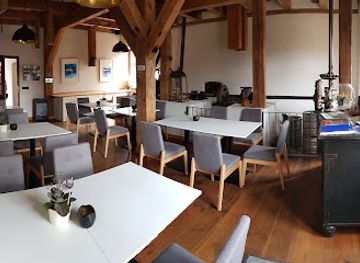
Best bars in Uckermark
Evenings in Uckermark are generally quiet and centred on traditional pubs, hotel restaurants, village inns and cafés rather than a substantial nightclub scene. Prenzlau and Templin offer the widest choice of places for a drink or meal, while Angermünde has a more intimate historic-town setting. In smaller settlements, evening life may depend on local inns, seasonal events and occasional live music rather than regular late-night venues. Waterfront accommodation and canoeing areas can have a relaxed summer atmosphere, but services often become quieter outside the main season. Visitors interested in beer, regional food or conversation will find the pub tradition more representative than clubbing. Check local arrangements in advance, as rural venues may close earlier or operate only on selected days, and do not assume that a scenic lake or village has a late-night transport connection.
-
Bar
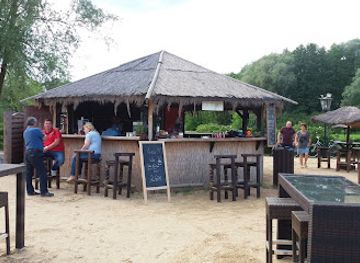
Strandbar Templin
Discover the serene Strandbar Templin, a perfect lakeside bar and café experience with delightful drinks and breathtaking views.
-
Inn
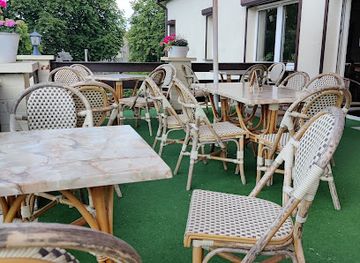
Kastanienhof - Elke Voß
Discover the charm of Kastanienhof, an inviting inn and beer garden in Flieth-Stegelitz, perfect for a serene getaway immersed in nature.
-
Bar
Knaufi's Eiscafé
Experience the best of homemade ice cream and cozy ambiance at Knaufi's Eiscafé in Fürstenwerder, a delightful retreat for sweet lovers.
-
German
Deutsche Eiche - Warnitzer Burgwallbräu
Discover the heart of German culinary traditions at Deutsche Eiche - Warnitzer Burgwallbräu, where authentic flavors meet warm hospitality.
Best nightclubs in Uckermark
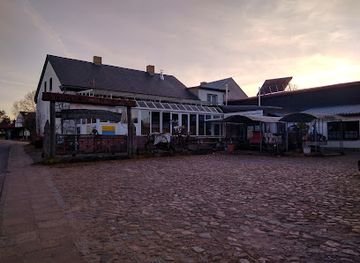
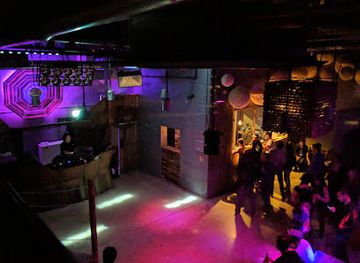
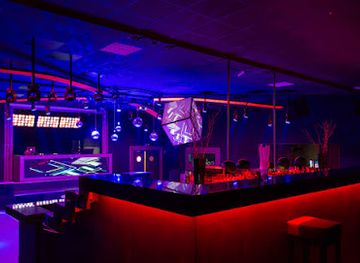
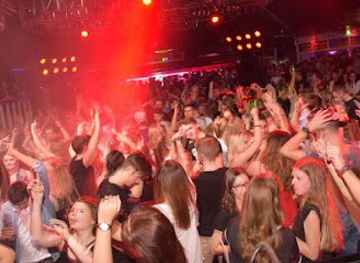
Evenings in Uckermark are generally quiet and centred on traditional pubs, hotel restaurants, village inns and cafés rather than a substantial nightclub scene. Prenzlau and Templin offer the widest choice of places for a drink or meal, while Angermünde has a more intimate historic-town setting. In smaller settlements, evening life may depend on local inns, seasonal events and occasional live music rather than regular late-night venues. Waterfront accommodation and canoeing areas can have a relaxed summer atmosphere, but services often become quieter outside the main season. Visitors interested in beer, regional food or conversation will find the pub tradition more representative than clubbing. Check local arrangements in advance, as rural venues may close earlier or operate only on selected days, and do not assume that a scenic lake or village has a late-night transport connection.
-
Night club
Maxxim
Maxxim Berlin: A Nightclub Experience Where Music Meets Energy in the Heart of the City.
-
Night club
Anomalie Art Club - Berlin
Discover Berlin's Anomalie Art Club, where creativity comes alive in a vibrant night club setting filled with art and entertainment.
-
Disco club
Kamea Club
Experience electrifying nights at Kamea Club, the ultimate disco destination in Frankfurt (Oder) for music and dance enthusiasts.
-
Night club
Discothek Colosseum
Discover the vibrant nightlife at Discothek Colosseum, where pulsating beats and an electric atmosphere await every Saturday night in Neubrandenburg.

Best shops in Uckermark
Shopping in Uckermark is concentrated in the high streets and market areas of Prenzlau, Templin and Angermünde, where visitors will find everyday shops, bakeries, cafés, books, clothing and a modest range of independent businesses. The region is better suited to buying local produce and useful rural crafts than to extensive luxury or designer shopping. Farm shops sell seasonal vegetables, fruit, honey, preserves, dairy products and other foods from surrounding agriculture, while galleries and craft outlets may offer ceramics, textiles, woodwork or locally made gifts. Markets and seasonal village events can provide more direct contact with producers, although dates and scale vary. In Lychen and the lake country, boating-related crafts and traditional raft-making are part of the area's cultural identity. For distinctive souvenirs, look for regional food, handmade objects and illustrated material about the Uckermark's landscapes rather than mass-produced items found throughout Germany.
-
 Hotel
HotelPanorama See Resort & Spa
Discover relaxation and adventure at Panorama See Resort & Spa, a luxurious retreat offering stunning views and a variety of wellness and outdoor activities.
-
Department store
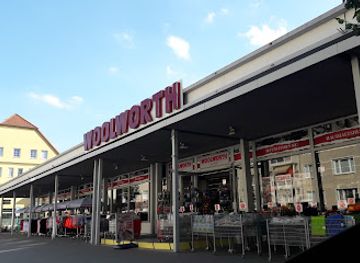
Woolworth
Discover diverse products and great deals at Woolworth, Prenzlau's favorite department store for tourists and locals alike.
-
Shoe store
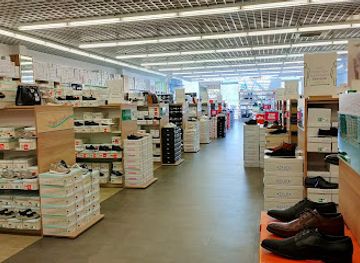
DEICHMANN
Explore Prenzlau's DEICHMANN for stylish and comfortable footwear, perfect for every occasion during your travels.
-
Furniture store
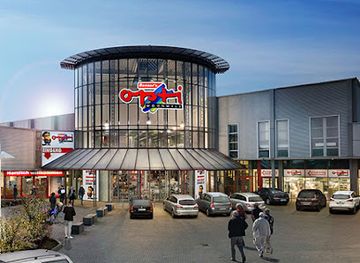
Opti-Wohnwelt | Möbelhaus Prenzlau
Explore stylish furniture and home decor at Opti-Wohnwelt in Prenzlau, where quality meets elegance for your living space.
Get your free copy of our complete guide to Uckermark, delivered straight to you.
Everything on this page, from attractions and restaurants to essentials and local phrases, in one PDF you can read offline, print or share.
Already have an account? Sign in
Your Uckermark guide is ready.
We'll send it to · Not you? Sign out

Getting your guide ready…
We are putting together a fresh copy of the Uckermark guide. This can take up to a minute.
This can take a few moments. If your browser asks, choose Allow so the download can start. You'll find the guide in your Downloads folder.
Nothing happened? Download it again
Sorry, the guide is taking longer than usual. Please try again in a minute, or get it by email instead.
Uckermark essentials
Currency and Payment
Safety
Emergency Situations
Do's and Don'ts
Local Tips
From Eve
Local phrases worth knowing
You don't need to get them perfect. A few words go a long way, and locals appreciate the effort.
Basics
| English | Local | Say it |
|---|---|---|
| Hello | Hallo | [HAH-lo] |
| Goodbye | Auf Wiedersehen | [Owf VEE-der-zay-en] |
| Yes | Ja | [YAH] |
| No | Nein | [NINE] |
| Please/You're welcome | Bitte | [BIT-tuh] |
| Thank you | Danke | [DAHN-kuh] |
| Excuse me/Sorry | Entschuldigung | [Ent-SHOOL-dee-goong] |
| How are you? | Wie geht's? | [VEE gates?] |
| Fine. And you? | Gut. Und dir? | [GOOT. OOND deer?] |
| Do you speak English? | Sprechen Sie Englisch? | [SPREH-ken zee ENG-lish?] |
| I don't understand | Ich verstehe nicht | [Ish fer-SHTAY-eh nikht] |
Eating & Drinking
| English | Local | Say it |
|---|---|---|
| I'd like to see the menu, please | Ich hätte gern die Speisekarte, bitte | [Ish HET-teh gurn dee SHPY-zeh-kar-tuh, BIT-tuh] |
| I don't eat meat | Ich esse kein Fleisch | [Ish ESS-eh kighn FLYSH] |
| Cheers! | Prost! | [PROHST!] |
| I would like to pay, please | Ich möchte bezahlen, bitte | [Ish MERK-teh beh-ZAH-len, BIT-tuh] |
Emergencies
| English | Local | Say it |
|---|---|---|
| Help! | Hilfe! | [HIL-fuh!] |
| Go away! | Geh weg! | [GAY veyk!] |
| Call the Police! | Rufen Sie die Polizei! | [ROO-fen zee dee POL-it-sai!] |
| Call a doctor! | Rufen Sie einen Arzt! | [ROO-fen zee EYE-nen ARTST!] |
| I'm lost | Ich bin verloren | [Ish bin fer-LO-ren] |
| I'm ill | Ich bin krank | [Ish bin KRAHNK] |
Shopping
| English | Local | Say it |
|---|---|---|
| I'd like to buy... | Ich möchte ... kaufen | [Ish MERK-teh ... KOW-fen] |
| I'm just looking | Ich schaue nur | [Ish SHAU-eh noor] |
| How much is it? | Wie viel kostet es? | [VEE feel KOS-tet es?] |
| That's too expensive | Das ist zu teuer | [DAS ist tsu TOY-er] |
| Can you lower the price? | Könnten Sie den Preis senken? | [KERN-ten zee den PRICE ZEN-ken?] |
Time & Numbers
| English | Local | Say it |
|---|---|---|
| What time is it? | Wie spät ist es? | [VEE shpaet ist es?] |
| It's one o'clock | Es ist ein Uhr | [Es ist ine OOR] |
| Half past (10) | Halb (10) | [HALB (10)] |
| Morning | Morgen | [MOR-gen] |
| Afternoon | Nachmittag | [NAHKH-mit-tahg] |
| Evening | Abend | [AH-bent] |
| Yesterday | Gestern | [GES-tern] |
| Today | Heute | [HOY-tuh] |
| Tomorrow | Morgen | [MOR-gen] |
| 1 | eins | [EINS] |
| 2 | zwei | [TSVY] |
| 3 | drei | [DRY] |
| 4 | vier | [FEER] |
| 5 | fünf | [FUENF] |
| 6 | sechs | [ZEX] |
| 7 | sieben | [ZEE-ben] |
| 8 | acht | [AHKT] |
| 9 | neun | [NOYN] |
| 10 | zehn | [TSAYN] |
Transport & Directions
| English | Local | Say it |
|---|---|---|
| Where's a/the...? | Wo ist ein/das ...? | [VOH ist ine/das ...?] |
| What's the address? | Was ist die Adresse? | [VAS ist dee ah-DRES-suh?] |
| Can you show me (on the map)? | Könnten Sie mir (auf der Karte) zeigen? | [KERN-ten zee meer (owf der KAR-tuh) TSY-gen?] |
| When's the next (bus)? | Wann kommt der nächste (Bus)? | [VAN komt dare NEX-te (BOOS)?] |
| A ticket (to ....) | Ein Ticket (nach ...) | [INE TIK-ket (nahkh ...)] |
History of Uckermark
Slavic Settlement and Early Medieval Uckermark
Before the medieval expansion of Brandenburg, the area was inhabited by West Slavic communities, including the Ukrani, whose name is connected with the historic Uckermark. Settlements, field systems and archaeological remains around the lakes and river valleys reflect a long-established relationship with farming, fishing and woodland. The landscape was not an empty wilderness when German-speaking settlers, religious foundations and territorial rulers began to expand into the region during the twelfth and thirteenth centuries.
Brandenburg and Pomerania, Twelfth to Fifteenth Centuries
During the High Middle Ages, the Uckermark became a contested frontier between the margraves of Brandenburg and the dukes of Pomerania. Town foundations, castles, churches and monasteries helped consolidate territorial rule, while German settlement introduced new administrative and agricultural structures. The Treaty of Landin in 1250 transferred much of the region to Brandenburg, although political control continued to shift in places. The present pattern of small market towns and fortified settlements has roots in this period.
Market Towns, Monasteries and Brick Gothic Architecture
From the thirteenth century onwards, towns such as Prenzlau and Templin developed as centres of trade, administration and craft production. Brick became the defining building material because suitable stone was scarce, producing the northern German Gothic forms visible in churches and civic buildings. Religious institutions, including the Dominican monastery in Prenzlau, contributed to education, landholding and regional influence. Town walls, gates, parish churches and monastery remains still provide some of the clearest evidence of medieval Uckermark.
War and Recovery in the Early Modern Period
The Thirty Years' War caused severe disruption across Brandenburg, with villages, farms and towns affected by military passage, requisitioning, disease and depopulation. Recovery was gradual and depended on the restoration of agriculture, the movement of new settlers and the reorganisation of estates. Later conflicts also touched the region, which occupied a strategic position between Berlin, northern German territories and the Oder frontier. Many manor landscapes and village layouts reflect the estate-based society that developed during the early modern and Prussian periods.
Prussian Estates and Agricultural Transformation
Under Prussian rule, large estates became important economic and social institutions in the Uckermark. Manor houses, parks, farm buildings and planned village features were expanded or remodelled, while agricultural production was reorganised for wider markets. Drainage, woodland management and changing landownership altered wetlands and open fields. The landscape remained predominantly rural, but improvements in roads and administration connected it more closely to Berlin and other Brandenburg centres.
Railways and Regional Industry in the Nineteenth Century
Railway construction in the nineteenth century reduced the isolation of northern Brandenburg and linked Uckermark towns with Berlin, Stettin, Angermünde and the Oder region. Rail transport supported agricultural trade, building materials, forestry and small-scale manufacturing, while towns gained new stations, warehouses and civic buildings. Industrial development never reached the scale of the Ruhr or major German cities, but transport changed the rhythm of rural life and made the region more accessible to markets and administration.
Twentieth-Century Disruption and Environmental Protection
The twentieth century brought two world wars, population loss, changing borders and the division of Germany. After 1945, land reform and agricultural collectivisation transformed the former estate system in the Soviet occupation zone and later East Germany. Following reunification, many rural communities faced economic contraction and demographic change, while conservation became increasingly important. The Schorfheide-Chorin Biosphere Reserve, established in 1990, and the Unteres Odertal National Park, founded in 1995, reflect a modern effort to protect the region's forests, wetlands and floodplain landscapes.
Uckermark in Photos
Browse through our photo collection highlighting the charm and character of the destination.
Neighbouring regions of Uckermark
The closest regions to Uckermark, if you have time for more than one.
-

-

-

-

-


Swipe for more regions
Explore more

Explore more of Germany
Experience Germany: where history meets innovation, and urban energy blends with natural beauty. Discover diverse cultures, delicious cuisine, and stunning landscapes.
Explore Germany