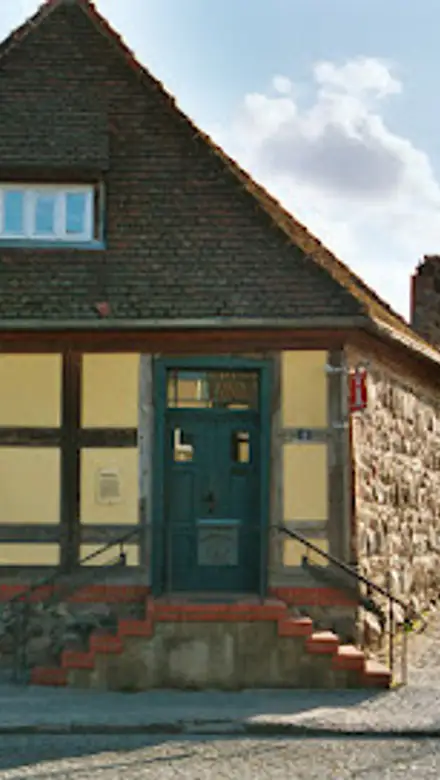
Tax collectors office Travel Guide
Free Guide: Discover Templin's past at the Akzisehaus, a charming 18th-century building that once collected taxes and now stands as a testament to the town's rich history and architectural heritage.


A brief summary of Tax collectors office
Discover Templin's past at the Akzisehaus, a charming 18th-century building that once collected taxes and now stands as a testament to the town's rich history and architectural heritage.
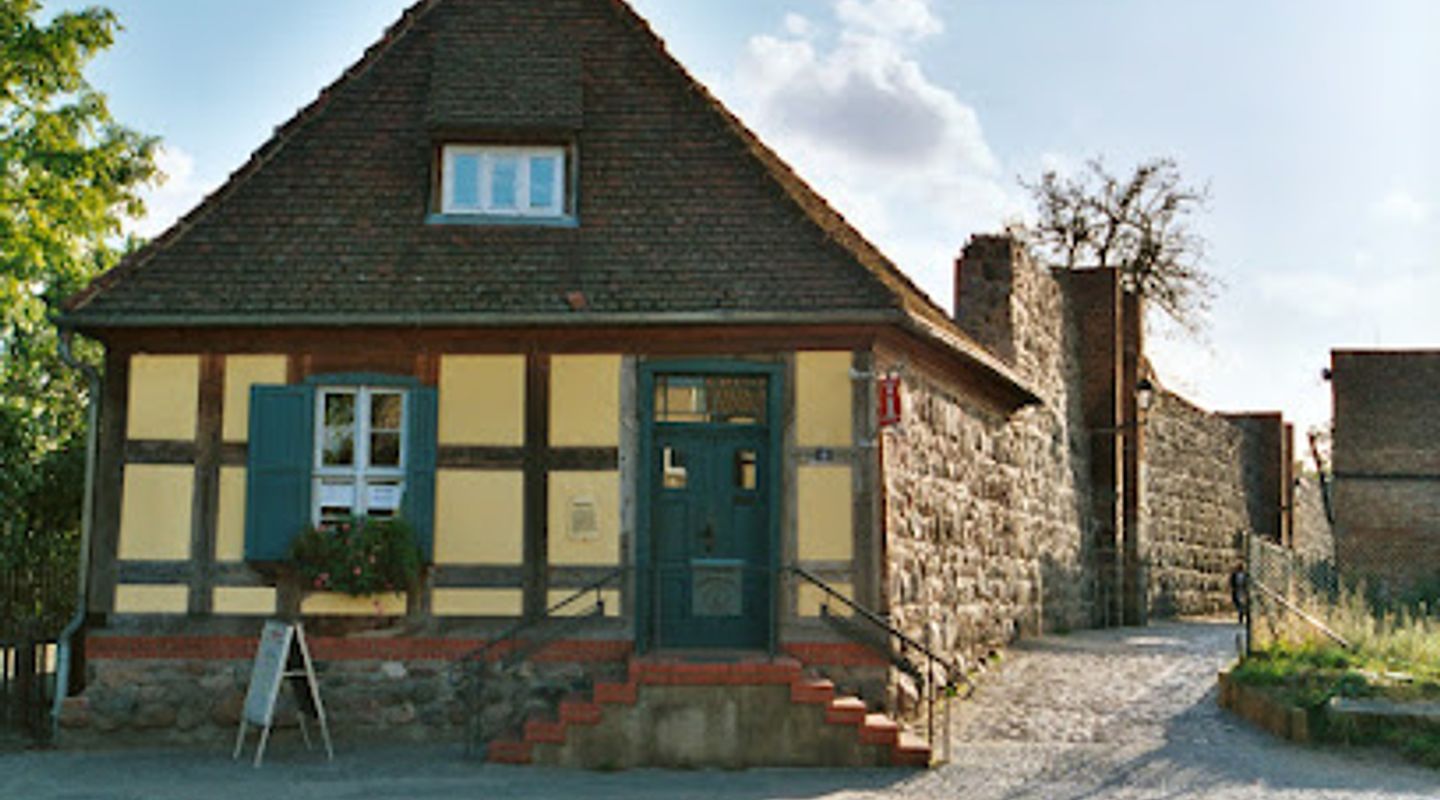
The Akzisehaus in Templin is a charming, historic half-timbered building that once served as a tax collection point in the 18th century. Built in 1768 alongside the 'Neues Tor' (New Gate), it stands as a reminder of Templin's administrative past. After the Akzise (excise duty) was abolished in the 19th century, the building was repurposed as a residential house. Although the 'Neues Tor' was demolished in 1960 to accommodate increased traffic, the Akzisehaus remains, offering visitors a tangible connection to Templin's history and architectural heritage. Its picturesque facade and central location make it a delightful stop for history buffs and casual tourists alike, providing a unique glimpse into the town's rich past.
- Address
- Ob. Mühlenstraße 11, 17268 Templin
- Website
Getting there
Walking
Public Transport
Driving
Discover more about Tax collectors office
Overview
The Akzisehaus in Templin, located at Obere Mühlenstraße 11, is more than just a quaint building; it's a portal into the Prussian era and Templin's rich administrative history. Constructed in 1768, this half-timbered house originally functioned as an excise house, where taxes were collected. Its construction coincided with the building of the 'Neues Tor' (New Gate), forming an integral part of the town's infrastructure and defense system. The term 'Akzise' refers to a type of excise duty or tax levied on goods and services. The Akzisehaus, therefore, was a crucial point for the financial administration of Templin, ensuring the collection of revenues that supported the town's operations and development. The building's design reflects the architectural style prevalent in the region during the 18th century, characterized by its timber framing and practical layout. Following the abolition of the Akzise in the 19th century, the building transitioned from a place of tax collection to a residential dwelling. This change in function reflects broader shifts in the economic and administrative landscape of the time. The 'Neues Tor,' which once stood alongside the Akzisehaus, was unfortunately demolished in 1960 to ease traffic congestion, a decision that underscores the challenges of balancing historical preservation with modern urban development. Today, the Akzisehaus stands as a testament to Templin's past, attracting tourists and history enthusiasts eager to connect with the town's heritage. Its location on Obere Mühlenstraße, a central thoroughfare, makes it easily accessible and a prominent landmark within the town. The building's well-preserved facade offers a glimpse into the architectural styles of the 18th century, providing a tangible link to the past. Templin itself is a town steeped in history, with roots dating back to the 13th century. The town's well-preserved medieval architecture, including its city walls and gate towers, adds to its charm and historical significance. Templin has evolved from a medieval settlement to a modern town, adapting to changing times while preserving its unique character. The town's strategic location in the Uckermark region has played a significant role in its history. Surrounded by forests and lakes, Templin has long been a center for trade and commerce, as well as a popular destination for recreation and relaxation. The town's proximity to Berlin has also influenced its development, with many city dwellers seeking refuge in Templin's tranquil surroundings. Visitors to Templin can explore a variety of historical sites and cultural attractions, including the St. Maria Magdalena Church, the Berlin Gate, and the Lehmann Garden. The town's museums offer insights into its past, while its numerous cafes and restaurants provide opportunities to savor local cuisine and soak up the atmosphere. The Akzisehaus, in particular, offers a unique perspective on Templin's administrative history. While it may no longer function in its original capacity, it serves as a reminder of the town's past and the importance of taxation in supporting its development. The building's central location makes it a convenient starting point for exploring Templin's other attractions, allowing visitors to immerse themselves in the town's rich history and culture. For those interested in learning more about Templin's history, the local tourist information center offers guided tours and historical information. Visitors can also explore the town's archives and museums to delve deeper into its past. The Akzisehaus, with its picturesque facade and historical significance, is a must-see for anyone interested in Templin's rich heritage. Whether you're a history buff, an architecture enthusiast, or simply a curious traveler, the Akzisehaus offers a unique opportunity to connect with Templin's past and appreciate its enduring charm. Take a stroll along Obere Mühlenstraße, admire the building's timber framing, and imagine what life was like in Templin during the 18th century. The Akzisehaus is a tangible link to the past, offering a glimpse into the town's rich history and cultural heritage. Templin is easily accessible by car and public transportation, making it a convenient destination for day trips and longer stays. The town's numerous hotels and guesthouses offer comfortable accommodations, while its restaurants and cafes cater to a variety of tastes. Whether you're seeking outdoor adventures, historical insights, or simply a relaxing getaway, Templin has something to offer everyone. So, plan your visit to Templin and discover the charm of the Akzisehaus and the town's many other attractions. Immerse yourself in its history, explore its natural beauty, and experience the warmth of its local community. Templin is a hidden gem in the Uckermark region, waiting to be discovered.
Evendo Review Centre
 Google
Guest reviews
Explore Tax collectors office on the map
A handpicked selection of must-see spots near Tax collectors office, mapped for you.
Get your free copy of our complete guide to Tax collectors office, delivered straight to you.
Everything on this page, from opening hours and how to get there to Eve’s tips and the best time to go, in one PDF you can read offline, print or share.
Already have an account? Sign in
Your Tax collectors office guide is ready.
We'll send it to · Not you? Sign out

Getting your guide ready…
We are putting together a fresh copy of the Tax collectors office guide. This can take up to a minute.
This can take a few moments. If your browser asks, choose Allow so the download can start. You'll find the guide in your Downloads folder.
Nothing happened? Download it again
Sorry, the guide is taking longer than usual. Please try again in a minute, or get it by email instead.
Other nearby places you may find interesting
The closest places of the same kind, if this one is not quite what you had in mind.
-
-
-
-
-


Swipe for more places
More to explore near Tax collectors office

 Best experiences near Tax collectors office
 Best hotels near Tax collectors office
 Best landmarks near Tax collectors office
 Best attractions near Tax collectors office
 Best shops near Tax collectors office
 Best restaurants near Tax collectors office
 Best bars near Tax collectors office
Do you manage this location?
Take control to get all the benefits, like improved information, better appearance, and stronger visibility across AI-powered discovery.
Explore more
Explore more of Uckermark
Discover Uckermark: A serene retreat in northeastern Germany, offering breathtaking natural landscapes, rich cultural heritage, and peaceful wellness experiences.
Explore Uckermark
Explore more of Germany
Experience Germany: where history meets innovation, and urban energy blends with natural beauty. Discover diverse cultures, delicious cuisine, and stunning landscapes.
Explore Germany