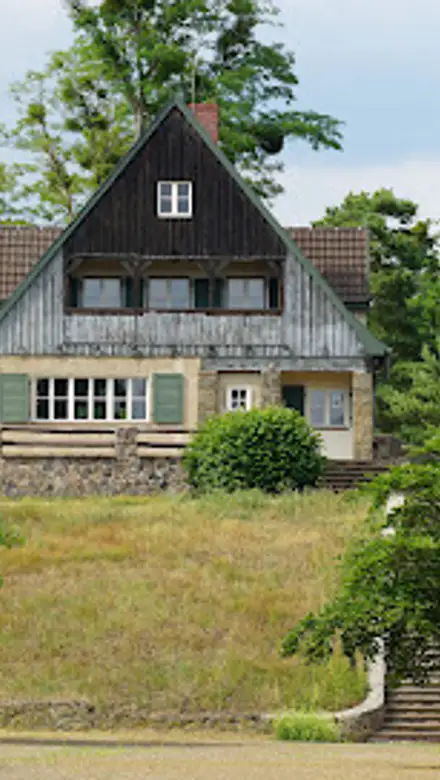
Ravensbrück Memorial Travel Guide
Free Guide: Explore the Ravensbrück Memorial near Fürstenberg/Havel, a poignant site preserving the memory of the largest Nazi concentration camp for women, offering profound historical insights and educational programs.


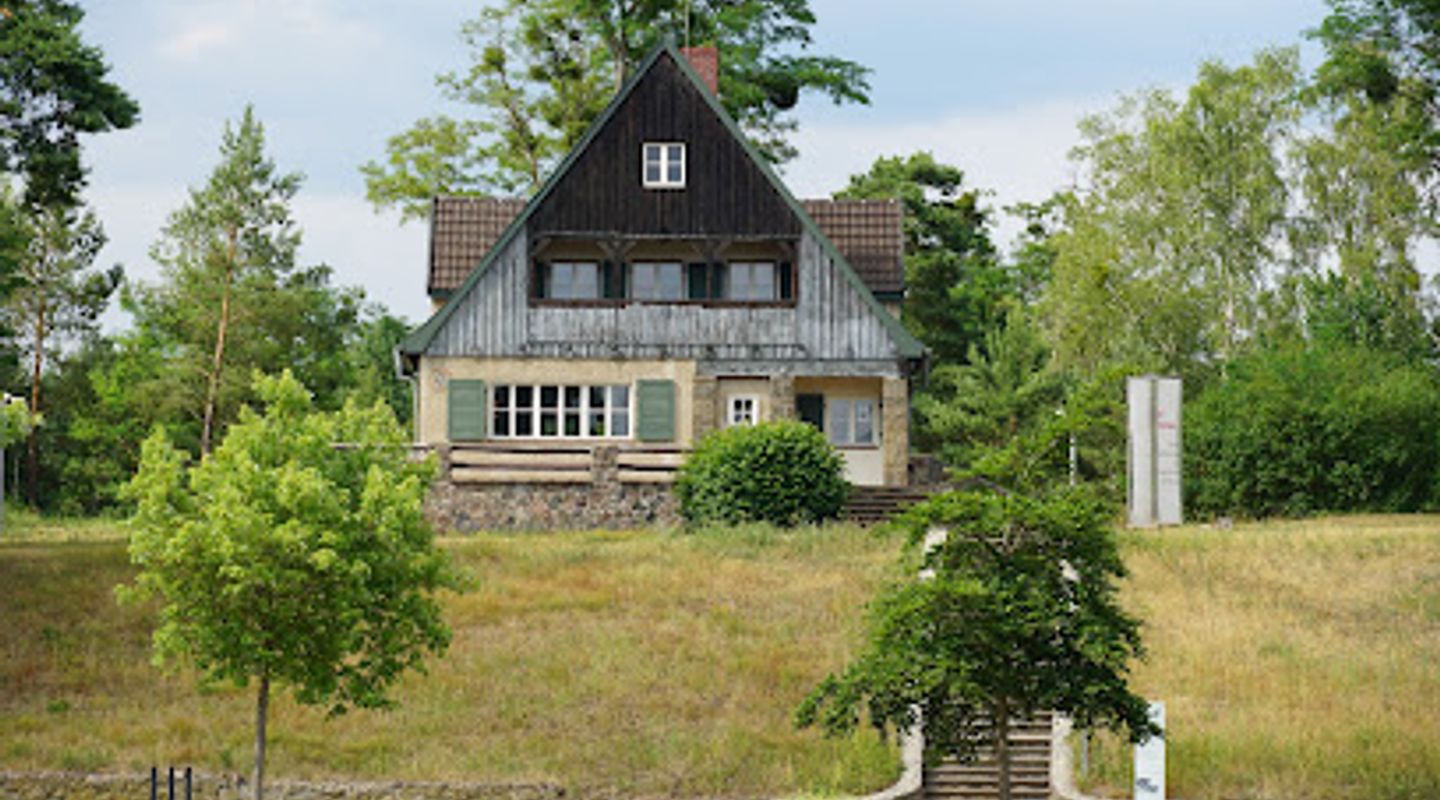
A brief summary of Ravensbrück Memorial
Explore the Ravensbrück Memorial near Fürstenberg/Havel, a poignant site preserving the memory of the largest Nazi concentration camp for women, offering profound historical insights and educational programs.
The Ravensbrück Memorial, located near Fürstenberg/Havel, stands as a solemn reminder of the atrocities committed during the Nazi regime. As the largest concentration camp for women in the German Reich, it imprisoned over 130,000 women, 20,000 men, and 1,000 young women from more than 40 nations between 1939 and 1945. Today, the memorial serves as a place of remembrance, research, and historical-political education. Visitors can explore the extensive grounds, including the former cell block, crematorium, and camp prison, and visit the main exhibition documenting the camp's history and the experiences of its prisoners. The site offers a sobering yet essential experience, prompting reflection on the consequences of intolerance and the importance of preserving historical memory. Admission is free, encouraging all to bear witness to this dark chapter of history.
Opening hours
- MonClosed
- Tue10 am–12 pm, 12:30 pm–4 pm
- Wed10 am–12 pm, 12:30 pm–4 pm
- Thu10 am–12 pm, 12:30 pm–4 pm
- Fri10 am–12 pm, 12:30 pm–4 pm
- Sat10 am–12 pm, 12:30 pm–4 pm
- Sun10 am–12 pm, 12:30 pm–4 pm
Opening hours as listed on the venue’s Google Business Profile. Hours can change for services and special events, so check with the venue before you go.
- Address
- 16798, Str. d. Nationen, 16798 Fürstenberg/Havel
- Phone
- Website
Getting there
Train & Walking
Driving
Discover more about Ravensbrück Memorial
Overview
Ravensbrück Memorial, situated near the town of Fürstenberg/Havel, approximately 80 kilometers north of Berlin, marks the site of the largest concentration camp for women in Nazi Germany. Established in 1939, it became a place of immense suffering and death for over 130,000 women, alongside 20,000 men and 1,000 young women, who were imprisoned within its walls. These individuals came from more than 40 nations, representing a diverse range of backgrounds, political beliefs, and social identities. The camp's history is a harrowing testament to the brutality of the Nazi regime. Initially designed to hold around 3,000 inmates, Ravensbrück was expanded significantly over the years to accommodate the ever-increasing number of prisoners. The conditions within the camp were appalling, characterized by severe overcrowding, inadequate food supplies, and a complete lack of medical care. Inmates were subjected to forced labor, working in the camp's industries, which included textile production and the manufacturing of electrical components for the German war effort. The inhumane treatment and grueling work conditions led to widespread disease, starvation, and death. Ravensbrück was not merely a labor camp; it was also a site of horrific medical experimentation. Prisoners were subjected to cruel and unethical procedures, including sterilization and the testing of sulfonamide drugs. These experiments caused immense pain and suffering, leaving many inmates with permanent physical and psychological scars. The camp's population included political prisoners, Jews, Roma, Sinti, Jehovah's Witnesses, and others deemed undesirable by the Nazi regime. These individuals were targeted for their beliefs, their ethnicity, or their social status. They were stripped of their rights, their dignity, and often their lives. In 1941, a small men's camp was established adjacent to the women's camp. In 1942, the "Uckermark youth protective custody camp" was added to the complex, further expanding the scope of the Nazi's terror. The camp also included a gas chamber, built in 1944, where thousands of prisoners were systematically murdered. As the war neared its end, the SS began evacuating prisoners from Ravensbrück in an attempt to conceal their crimes. In late April 1945, the Swedish Red Cross, through negotiations led by Count Folke Bernadotte, managed to evacuate around 7,500 prisoners to Sweden, offering them a chance at survival. On April 30, 1945, the Soviet Army finally liberated the camp, finding only a few thousand sick and weak prisoners who had been left behind. After the war, the Soviet Army used parts of the former camp as a barracks. In 1948, former prisoners began efforts to establish a place of remembrance. In 1959, the "Nationale Mahn- und Gedenkstätte Ravensbrück" was inaugurated, becoming one of the three main concentration camp memorials in East Germany. The memorial underwent significant changes after 1993, following German reunification, and became part of the Brandenburg Memorials Foundation. Today, the Ravensbrück Memorial serves as a vital center for remembrance, education, and research. Visitors can explore the extensive grounds, including the former cell block, crematorium, and camp prison. The main exhibition, located in the former commandant's building, documents the history of the camp and the experiences of its prisoners. Permanent exhibitions on the female guards and male SS personnel provide further insights into the perpetrators of these crimes. The memorial also offers a variety of educational programs, including guided tours, project days, and seminars, tailored to different age groups and interests. These programs aim to promote critical thinking, historical awareness, and a commitment to preventing future atrocities. The Ravensbrück Memorial is a place of profound historical significance, offering a sobering yet essential experience for all who visit. It stands as a reminder of the horrors of the Nazi regime and the importance of preserving the memory of its victims. The memorial encourages reflection on the consequences of intolerance, discrimination, and violence, and promotes a commitment to building a more just and peaceful world. Visiting the Ravensbrück Memorial requires time and stamina, as the site is extensive and the subject matter is deeply disturbing. However, the experience is invaluable, offering a unique opportunity to learn about the past and to honor the memory of those who suffered and died at Ravensbrück. The memorial is open to the public, and admission is free, encouraging all to bear witness to this dark chapter of history. While at the memorial, take time to reflect on the individual stories of the prisoners. Consider the diverse backgrounds and experiences of the women, men and children who were incarcerated here. Imagine the daily struggles they faced, the resilience they demonstrated, and the hope they maintained in the face of unimaginable adversity. Pay attention to the details of the site, from the layout of the camp to the artifacts on display in the museum. These details offer powerful insights into the reality of life in Ravensbrück and the systematic nature of the Nazi's persecution. Engage with the educational materials provided by the memorial, including the audio guide, the exhibitions, and the guided tours. These resources offer valuable context and perspectives on the history of the camp and its significance. Most importantly, commit to carrying the lessons of Ravensbrück forward into your own life. Strive to promote tolerance, understanding, and respect for all people. Stand up against injustice and discrimination wherever you see it. And never forget the victims of the Nazi regime, who deserve to be remembered and honored for generations to come.
Evendo Review Centre
 Google
Guest reviews
Explore Ravensbrück Memorial on the map
A handpicked selection of must-see spots near Ravensbrück Memorial, mapped for you.
Get your free copy of our complete guide to Ravensbrück Memorial, delivered straight to you.
Everything on this page, from opening hours and how to get there to Eve’s tips and the best time to go, in one PDF you can read offline, print or share.
Already have an account? Sign in
Your Ravensbrück Memorial guide is ready.
We'll send it to · Not you? Sign out

Getting your guide ready…
We are putting together a fresh copy of the Ravensbrück Memorial guide. This can take up to a minute.
This can take a few moments. If your browser asks, choose Allow so the download can start. You'll find the guide in your Downloads folder.
Nothing happened? Download it again
Sorry, the guide is taking longer than usual. Please try again in a minute, or get it by email instead.
Other nearby places you may find interesting
The closest places of the same kind, if this one is not quite what you had in mind.
-
-
-
-
-


Swipe for more places
More to explore near Ravensbrück Memorial

 Best experiences near Ravensbrück Memorial
 Best hotels near Ravensbrück Memorial
 Best landmarks near Ravensbrück Memorial
 Best attractions near Ravensbrück Memorial
 Best shops near Ravensbrück Memorial
 Best restaurants near Ravensbrück Memorial
 Best bars near Ravensbrück Memorial
Do you manage this location?
Take control to get all the benefits, like improved information, better appearance, and stronger visibility across AI-powered discovery.
Explore more
Explore more of Uckermark
Discover Uckermark: A serene retreat in northeastern Germany, offering breathtaking natural landscapes, rich cultural heritage, and peaceful wellness experiences.
Explore Uckermark
Explore more of Germany
Experience Germany: where history meets innovation, and urban energy blends with natural beauty. Discover diverse cultures, delicious cuisine, and stunning landscapes.
Explore Germany