Mausoleum Varchentin Travel Guide
Free Guide: Discover the Mausoleum Varchentin, a Neo-Renaissance landmark in the Mecklenburg Lake District, offering a glimpse into the region's aristocratic past within a serene landscape park.


A brief summary of Mausoleum Varchentin
Discover the Mausoleum Varchentin, a Neo-Renaissance landmark in the Mecklenburg Lake District, offering a glimpse into the region's aristocratic past within a serene landscape park.
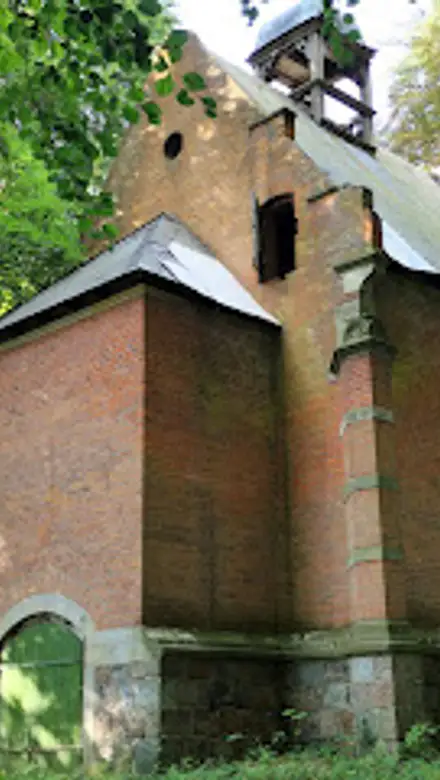
The Mausoleum Varchentin, built in 1895, stands as a testament to the Grote family's legacy within the scenic landscape of Varchentin. Designed in the Neo-Renaissance style, this brick structure once served as the final resting place for Adolf Graf von Grote. Situated south of the Varchentin Manor (Schloss Varchentin) within a park designed by Peter Joseph Lenné, the mausoleum adds a layer of historical depth to the area. Although unrenovated and only viewable from the outside, its architectural details and serene setting offer a glimpse into the region's aristocratic past. The surrounding parkland, with its carefully planned vistas and mature trees, enhances the mausoleum's contemplative atmosphere, making it a worthwhile stop for those exploring the Mecklenburg Lake District. Despite its current state, the Mausoleum Varchentin remains a compelling reminder of the area's rich cultural heritage and the families who shaped its history.
Opening hours
- Every dayOpen 24 hours
Opening hours as listed on the venue’s Google Business Profile. Hours can change for services and special events, so check with the venue before you go.
- Address
- 17192 Varchentin
Getting there
Walking
Public Transport
Driving
Discover more about Mausoleum Varchentin
Overview
Nestled within the Mecklenburg Lake District, the Mausoleum Varchentin offers a poignant glimpse into the region's aristocratic past. Constructed in 1895 in the Neo-Renaissance style, this brick building served as the final resting place for Adolf Graf von Grote and his family. The mausoleum is located south of the Varchentin Manor, within a landscape park originally designed by Peter Joseph Lenné, a renowned landscape architect. While the mausoleum is only viewable from the outside and remains unrenovated, its architectural details and tranquil setting evoke a sense of history and contemplation. The story of the Mausoleum Varchentin is intertwined with that of the Varchentin Manor (Schloss Varchentin) and the families who owned the estate over the centuries. The manor itself, a striking Tudor Gothic structure, was built in 1847 by Swiss architect Auguste de Meuron for Hamburg merchant Gottlieb Jenisch. Jenisch commissioned Lenné to design the surrounding park, creating a harmonious blend of architecture and landscape. In 1875, the estate passed to the Counts Grote through marriage, and they remained the owners until 1945. The construction of the mausoleum in 1895 reflects the Grote family's prominence and their desire to create a lasting memorial on their estate. The Neo-Renaissance style, characterized by its classical elements and refined details, was a popular choice for funerary architecture during this period, conveying a sense of dignity and permanence. Following World War II, the Varchentin Manor and its surrounding grounds suffered neglect and looting. The mausoleum, like many other historical structures in the region, was plundered for its metal fittings. Despite this, the basic structure of the mausoleum has survived, offering a tangible link to the past. The landscape park surrounding the mausoleum adds to its appeal. Peter Joseph Lenné's design incorporated sweeping vistas, mature trees, and carefully placed water features, creating a serene and picturesque setting. The park provides a sense of seclusion and tranquility, enhancing the contemplative atmosphere of the mausoleum. Today, the Mausoleum Varchentin stands as a protected historical monument, a reminder of the region's rich cultural heritage. While it is not possible to enter the mausoleum, visitors can still appreciate its architectural details from the outside and explore the surrounding parkland. The combination of the Neo-Renaissance architecture and the natural beauty of the landscape creates a unique and evocative experience. Visiting the Mausoleum Varchentin offers a chance to step back in time and imagine the lives of the families who shaped this region. The unrenovated state of the mausoleum adds to its authenticity, providing a raw and unfiltered glimpse into the past. The surrounding parkland invites visitors to wander and reflect, offering a peaceful escape from the modern world. To fully appreciate the Mausoleum Varchentin, it is helpful to understand its historical context. The Mecklenburg Lake District, where Varchentin is located, has a long and fascinating history, shaped by its strategic location and the influence of various noble families. The region's numerous castles, manors, and churches bear witness to its rich cultural heritage. The Mausoleum Varchentin is not just a historical monument; it is also a work of art. The Neo-Renaissance style reflects the artistic sensibilities of the late 19th century, drawing inspiration from classical forms and ideals. The attention to detail in the mausoleum's design is evident in its intricate carvings, balanced proportions, and use of high-quality materials. For those interested in history, architecture, or simply seeking a peaceful and reflective experience, the Mausoleum Varchentin is a worthwhile destination. Its serene setting, architectural details, and historical significance make it a unique and memorable place to visit. While the future of the Varchentin Manor remains uncertain, the Mausoleum Varchentin stands as a testament to the enduring power of history and the importance of preserving our cultural heritage. Exploring the Mausoleum Varchentin and its surroundings offers a deeper understanding of the Mecklenburg Lake District and its rich cultural tapestry. It is a place where history, art, and nature converge, creating a truly unforgettable experience. Whether you are a seasoned traveler or a first-time visitor, the Mausoleum Varchentin is sure to leave a lasting impression.
Evendo Review Centre
 Google
Guest reviews
Explore Mausoleum Varchentin on the map
A handpicked selection of must-see spots near Mausoleum Varchentin, mapped for you.
Get your free copy of our complete guide to Mausoleum Varchentin, delivered straight to you.
Everything on this page, from opening hours and how to get there to Eve’s tips and the best time to go, in one PDF you can read offline, print or share.
Already have an account? Sign in
Your Mausoleum Varchentin guide is ready.
We'll send it to · Not you? Sign out

Getting your guide ready…
We are putting together a fresh copy of the Mausoleum Varchentin guide. This can take up to a minute.
This can take a few moments. If your browser asks, choose Allow so the download can start. You'll find the guide in your Downloads folder.
Nothing happened? Download it again
Sorry, the guide is taking longer than usual. Please try again in a minute, or get it by email instead.
Other nearby places you may find interesting
The closest places of the same kind, if this one is not quite what you had in mind.
-
-
-
-
-


Swipe for more places
More to explore near Mausoleum Varchentin

 Best experiences near Mausoleum Varchentin
 Best hotels near Mausoleum Varchentin
 Best landmarks near Mausoleum Varchentin
 Best attractions near Mausoleum Varchentin
 Best shops near Mausoleum Varchentin
 Best restaurants near Mausoleum Varchentin
 Best bars near Mausoleum Varchentin
Do you manage this location?
Take control to get all the benefits, like improved information, better appearance, and stronger visibility across AI-powered discovery.
Explore more

Explore more of Mecklenburg
Discover the serene landscapes, historical treasures, and outdoor adventures of Mecklenburg, Germany's hidden gem in the northeast.
Explore Mecklenburg
Explore more of Germany
Experience Germany: where history meets innovation, and urban energy blends with natural beauty. Discover diverse cultures, delicious cuisine, and stunning landscapes.
Explore Germany