Schorfheide-Chorin Biosphere Reserve, Uckermark Travel Guide
Discover the Schorfheide-Chorin Biosphere Reserve: A UNESCO-protected haven of forests, lakes, and cultural heritage, offering sustainable tourism and a rich biodiversity experience near Berlin.
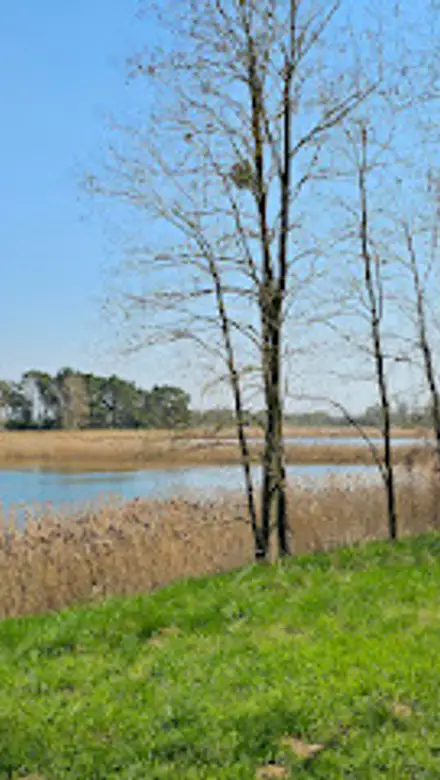
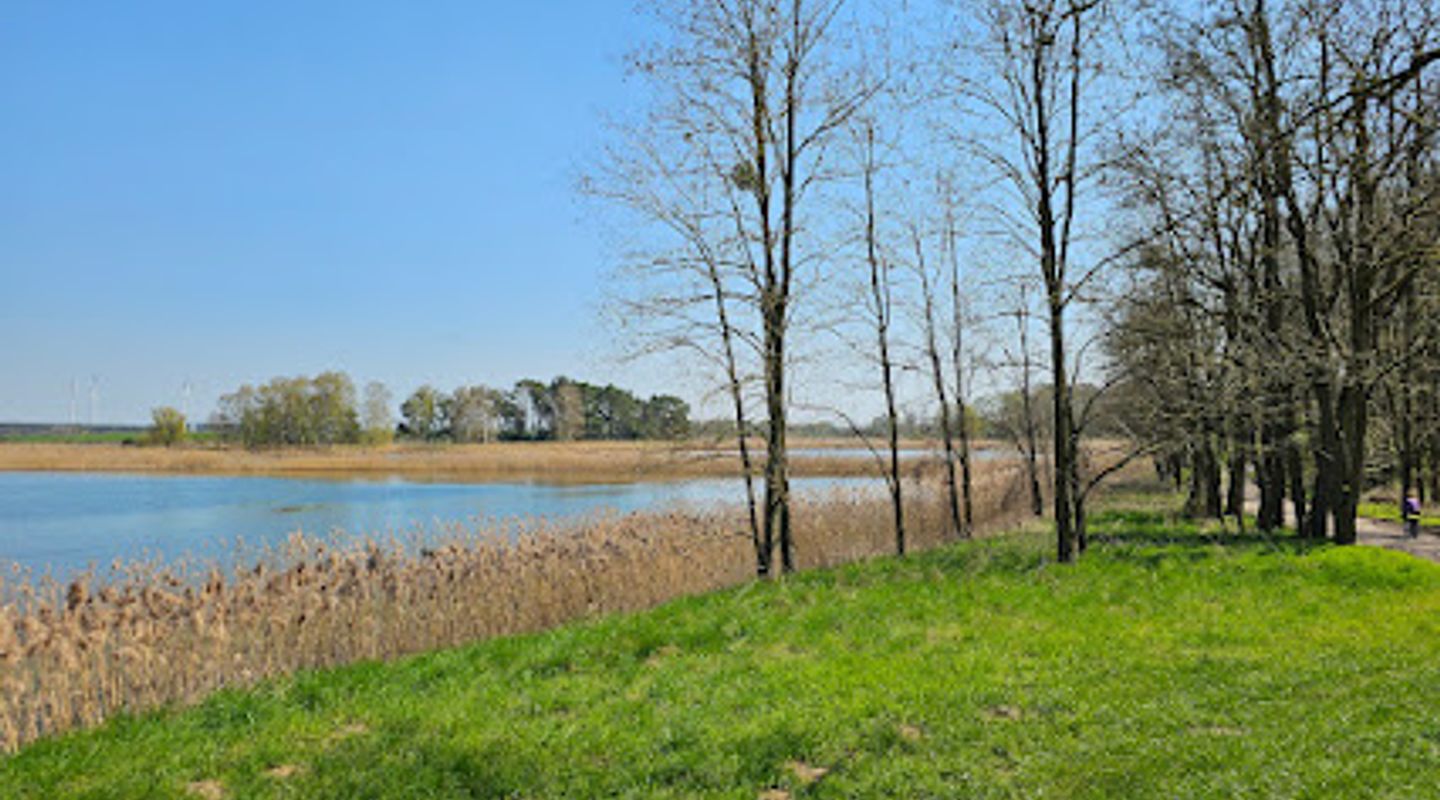
The Schorfheide-Chorin Biosphere Reserve, a UNESCO-protected area northeast of Berlin, offers a sprawling landscape of forests, lakes, and moors. This diverse environment supports a rich array of flora and fauna, including endangered species like white-tailed eagles and beavers. Visitors can explore the reserve through an extensive network of hiking and cycling trails, discovering historical settlements and enjoying the tranquility of nature. The reserve also promotes sustainable tourism and regional development, making it a unique destination for nature lovers and those seeking an escape from the city. With its blend of natural beauty and cultural heritage, the Schorfheide-Chorin Biosphere Reserve provides an immersive experience for all who visit, showcasing the harmonious coexistence of humans and nature. The Blumberger Mühle information center serves as a great starting point.
A brief summary to Schorfheide-Chorin Biosphere Reserve
- Angermünde, 16278, DE
- Click to display
- Click to display

Know before you go
Hi, I'm Eve. Here are a few practical things to know before exploring Schorfheide-Chorin Biosphere Reserve.
- Visit the Blumberger Mühle Nature Experience Center for interactive exhibits and guided tours to learn about the reserve's unique ecosystem.
- Explore Chorin Abbey, a stunning example of Brick Gothic architecture, and attend the Chorin Music Summer festival for a cultural experience.
- Hike or cycle through the Grumsin Beech Forest, a UNESCO World Heritage site, to witness ancient woodlands and diverse flora and fauna.
- Take a boat trip on Lake Werbellin for scenic views and opportunities for swimming and watersports.
- Look out for local produce and regional specialties marked with the Biosphere Reserve brand, guaranteeing sustainable and high-quality products.
Do you manage this location?
Take control to get all the benefits, like improved information, better appearance, and stronger visibility across AI-powered discovery. Learn more about listing your business on Evendo
Activate your presenceOther nearby places you may find interesting
The closest places of the same kind, if this one is not quite what you had in mind.
Explore Schorfheide-Chorin Biosphere Reserve on the Map
A handpicked selection of must-see spots near Schorfheide-Chorin Biosphere Reserve, mapped for you.
Getting There
-
Public Transport
From Berlin, take a Regional Express train (RE3) towards Angermünde. Several stations provide access to different parts of the reserve. For the main visitor center in Angermünde, disembark there. For Chorin Abbey, get off at Chorin station; from there, it's a pleasant 1.5km walk. The HeideLiner bus (seasonal, Easter to late October) connects Groß Schönebeck station directly to the reserve. A single train ticket from Berlin to Angermünde or Chorin costs approximately €12-€17.
-
Driving
From Berlin, take the A11 towards Prenzlau. Exit at Joachimsthal for access to the southern part of the reserve, or continue to the Angermünde exit for the northern sections. Parking is available at visitor centers and trailheads, but can be limited during peak season. Be aware that some smaller roads within the reserve may be unpaved. Parking fees vary, but expect to pay around €3-€5 per day at designated parking areas.
-
Taxi/Ride-Share
Taxi or ride-sharing services are available from Angermünde or Eberswalde train stations to specific locations within the reserve. Expect to pay around €20-€30 for a short trip (10-15km) to reach trailheads or visitor centers not directly accessible by public transport. Availability may be limited, especially in more remote areas, so pre-booking is recommended.
Discover more about Schorfheide-Chorin Biosphere Reserve
More to explore near Schorfheide-Chorin Biosphere Reserve
-

Best experiences near Schorfheide-Chorin Biosphere Reserve
-

Best hotels near Schorfheide-Chorin Biosphere Reserve
-

Best landmarks near Schorfheide-Chorin Biosphere Reserve
-

Best shops near Schorfheide-Chorin Biosphere Reserve
-

Best restaurants near Schorfheide-Chorin Biosphere Reserve
-

Best bars near Schorfheide-Chorin Biosphere Reserve







Your all‑in‑one travel companion app
Explore expert travel guides, compare and book tours, experiences, hotels, and more—all from the palm of your hand. Download now for seamless trip planning wherever your wanderlust takes you.


Explore More of Uckermark
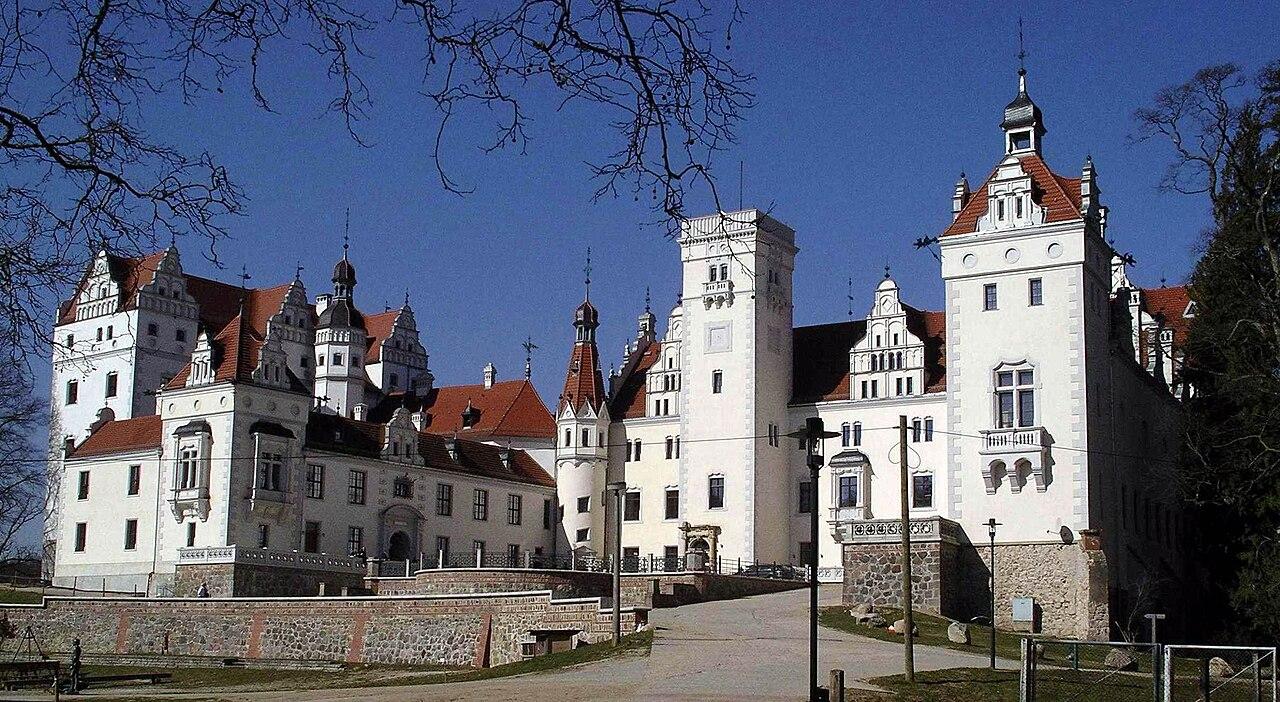
Looking beyond Schorfheide-Chorin Biosphere Reserve? Discover Uckermark for broader travel guides, local hot-spots, and regional highlights.
Explore Uckermark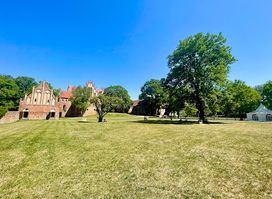
Discover Chorin Abbey: A stunning example of Brick Gothic architecture nestled in Brandenburg's scenic Schorfheide-Chorin Biosphere Reserve, offering history, culture, and natural beauty.

Discover the legend of the Sleeping Giant, a massive ice-age boulder near Milmersdorf, Germany, offering scenic hikes and a glimpse into local folklore and geological history.