Burg Parkstein Travel Guide
Free Guide: Explore Burg Parkstein, a geological wonder crowned with a historic chapel, offering panoramic views and a glimpse into Bavaria's volcanic past and medieval heritage.


A brief summary of Burg Parkstein
Explore Burg Parkstein, a geological wonder crowned with a historic chapel, offering panoramic views and a glimpse into Bavaria's volcanic past and medieval heritage.
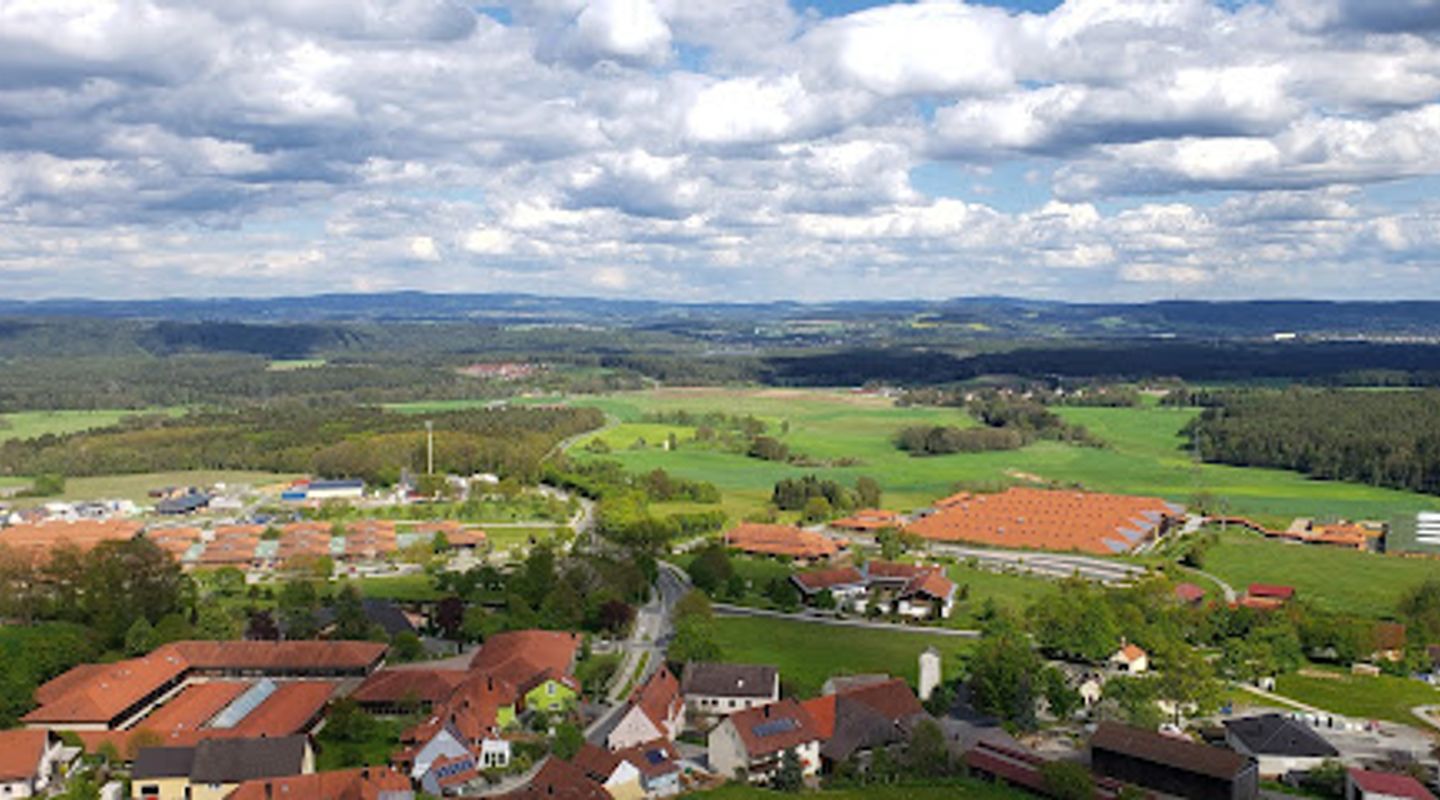
Burg Parkstein, perched atop a striking basalt cone, offers a captivating blend of geological wonder and historical intrigue. Once a formidable fortress dating back to the 11th century, Burg Parkstein witnessed centuries of shifting power and conflict. Though largely dismantled in the 18th century, sparse remnants hint at its former grandeur. Today, a charming chapel graces the summit, providing panoramic views of the Oberpfälzer Hügelland stretching into the Czech Republic. Visitors can explore the ruins, delve into the area's volcanic past, and soak in the serene atmosphere, making it a worthwhile destination for history buffs and nature enthusiasts alike. The nearby Vulkanerlebnis Parkstein museum further enriches the experience, offering insights into the region's unique geological heritage and the dramatic forces that shaped the landscape. A visit to Burg Parkstein is a journey through time and a celebration of nature's artistry.
Opening hours
- Every dayOpen 24 hours
Opening hours as listed on the venue’s Google Business Profile. Hours can change for services and special events, so check with the venue before you go.
- Address
- Kapuzinergasse 10, 92711 Parkstein
Getting there
Walking
Driving
Public Transport
Discover more about Burg Parkstein
Overview
Rising dramatically from the landscape, Burg Parkstein stands as a testament to both the power of nature and the enduring legacy of human history. The basalt cone upon which it sits, a geological marvel formed some 24 million years ago, has drawn admiration for centuries, with Alexander von Humboldt famously declaring it the "most beautiful basalt cone in Europe." Originally the site of a mighty fortress, Burg Parkstein's history stretches back to around the year 1000. First documented in 1053, the castle played a significant role in the region's political and military landscape. For centuries, it served as a strategic stronghold, witnessing conflicts and power struggles that shaped the destiny of the Upper Palatinate. The castle was owned by the Counts of Sulzbach and later served as an important link between the Imperial City of Nuremberg and the Kaiserpfalz Eger. From 1421 to 1714, it even functioned as a condominium between the Electorate of Brandenburg and the Electorate of the Palatinate. As you explore the site, imagine the bustling activity that once filled these grounds. Picture knights in shining armor, noble lords plotting their next move, and the everyday lives of the people who called this castle home. The fortress withstood sieges, including one during the Thirty Years' War, a testament to its formidable defenses. However, the ravages of time and the changing tides of history eventually led to the castle's decline. In the mid-18th century, the dismantling of the fortress began, with its stones repurposed for other construction projects in the region. Today, only sparse remnants remain, offering a glimpse into the castle's former grandeur. These remnants are protected as a historical monument. In place of the imposing castle, a charming chapel was erected on the summit in 1851. This serene sanctuary provides a tranquil space for reflection and offers breathtaking panoramic views of the surrounding countryside. From this vantage point, you can gaze upon the rolling hills of the Oberpfälzer Hügelland, stretching as far as the Czech Republic on a clear day. The experience of visiting Burg Parkstein extends beyond the historical ruins and the summit chapel. The surrounding landscape invites exploration, with well-marked hiking trails that wind through the basalt cone's unique geological formations. These trails offer opportunities to discover the area's diverse flora and fauna, providing a connection to the natural world that complements the historical narrative. To delve deeper into the region's geological history, a visit to the Vulkanerlebnis Parkstein museum is highly recommended. Located nearby, this museum offers interactive exhibits and informative displays that bring the story of the basalt cone to life. Learn about the volcanic activity that shaped the landscape millions of years ago, and discover the unique geological features that make this area so special. The museum also explores the history of the town and its people, providing a comprehensive understanding of the region's cultural and natural heritage. Parkstein itself is a charming market town with a rich history. Take a stroll through its streets and admire the traditional architecture, reflecting the town's long and storied past. The town's history is closely intertwined with the castle and the legal jurisdiction that was established here in the 14th century. The town experienced a devastating fire in 1835, after which it was rebuilt using materials from the castle and the basalt walls. Whether you are a history enthusiast, a nature lover, or simply seeking a peaceful escape, Burg Parkstein offers a unique and rewarding experience. It is a place where the past and present converge, where the power of nature is on full display, and where the beauty of the Upper Palatinate landscape can be fully appreciated. The combination of geological significance, historical intrigue, and stunning views makes Burg Parkstein a destination that will leave a lasting impression. Consider visiting the nearby rock cellars in Kapuzinergasse to see the Parkstein volcano from the inside and discover interesting rock inclusions. These inclusions testify to the enormous forces of the former eruptions. The basalt wall at the foot of the cone is also a magnificent sight, showcasing the unique basalt column structure. The geological trail that leads to the top of the basalt cone offers further insights into the region's geological history. With its blend of natural beauty, historical significance, and cultural attractions, Burg Parkstein is a destination that appeals to a wide range of interests. It is a place where you can connect with the past, appreciate the present, and marvel at the wonders of the natural world.
Evendo Review Centre
 Google
Guest reviews
Explore Burg Parkstein on the map
A handpicked selection of must-see spots near Burg Parkstein, mapped for you.
Get your free copy of our complete guide to Burg Parkstein, delivered straight to you.
Everything on this page, from opening hours and how to get there to Eve’s tips and the best time to go, in one PDF you can read offline, print or share.
Already have an account? Sign in
Your Burg Parkstein guide is ready.
We'll send it to · Not you? Sign out

Getting your guide ready…
We are putting together a fresh copy of the Burg Parkstein guide. This can take up to a minute.
This can take a few moments. If your browser asks, choose Allow so the download can start. You'll find the guide in your Downloads folder.
Nothing happened? Download it again
Sorry, the guide is taking longer than usual. Please try again in a minute, or get it by email instead.
Other nearby places you may find interesting
The closest places of the same kind, if this one is not quite what you had in mind.
-
-
-
-
-


Swipe for more places
More to explore near Burg Parkstein

 Best experiences near Burg Parkstein
 Best hotels near Burg Parkstein
 Best landmarks near Burg Parkstein
 Best attractions near Burg Parkstein
 Best shops near Burg Parkstein
 Best restaurants near Burg Parkstein
 Best bars near Burg Parkstein
Do you manage this location?
Take control to get all the benefits, like improved information, better appearance, and stronger visibility across AI-powered discovery.
Explore more

Explore more of Upper Palatinate
Discover Upper Palatinate: A Bavarian treasure trove of medieval charm, natural beauty, and vibrant cultural festivities.
Explore Upper Palatinate
Explore more of Germany
Experience Germany: where history meets innovation, and urban energy blends with natural beauty. Discover diverse cultures, delicious cuisine, and stunning landscapes.
Explore Germany