Background

Egerland Museum: A Journey Through Bohemian History

Explore the rich history and culture of the Egerland region at this Marktredwitz museum, featuring folk art, spa history, and exhibits on the expulsion of German speakers after WWII.

4.3

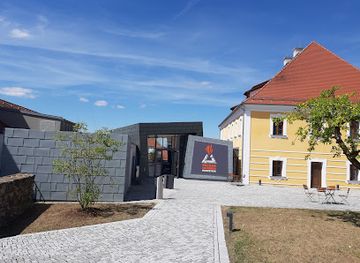
The Egerland Museum in Marktredwitz offers a captivating glimpse into the history and culture of the Egerland region, a historically German-speaking area in Northwest Bohemia. Through diverse exhibits, the museum vividly portrays the region's rich heritage, from its folk traditions and spa culture to the displacement of its German population after World War II. Visitors can explore meticulously crafted folk costumes, hand-painted furniture, and intricate relief inlays, gaining insight into the daily lives and artistic expressions of the Egerland people. The museum also features a study library with around 10,000 volumes and an art gallery showcasing regional artists, making it a comprehensive cultural center. With its engaging displays and historical significance, the Egerland Museum provides an enriching experience for anyone interested in the history of Bohemia and its cultural connections to Bavaria.

A brief summary to Egerland-Museum

  • Fikentscherstraße 24, Marktredwitz, Dörflas, 95615, DE
  • Visit website
  • Tuesday 2 pm-5 pm
  • Wednesday 2 pm-5 pm
  • Thursday 2 pm-5 pm
  • Friday 2 pm-5 pm
  • Saturday 2 pm-5 pm
  • Sunday 2 pm-5 pm

Local tips

  • Check the museum's website for special events and temporary exhibitions that may coincide with your visit.
  • Combine your visit with a stop at the Egerländer Kunstgalerie, also located in the Egerland-Kulturhaus, to explore regional art.
  • Allow at least 2-3 hours to fully explore the museum's extensive collections and exhibits.
  • Visit the Museumscafé for a coffee or snack; it also houses the museum shop.
widget icon

Getting There

  • Walking

    From Marktredwitz town center (Markt), the Egerland Museum is approximately a 15-20 minute walk. Head east on Markt towards the St. Bartholomäus Church, then continue onto Egerstraße. Turn left onto Fikentscherstraße. The Egerland Museum will be on your left, within the Egerland-Kulturhaus.

  • Public Transport

    From Marktredwitz train station, take bus lines 1700, 1758, 1551, 1561, or 1701 to the 'Marktredwitz Egerland Kulturhaus' stop. The museum is directly adjacent to the bus stop. A single bus fare within Marktredwitz is approximately €2-3.

  • Driving

    From the A93 motorway, take the Marktredwitz-Nord exit. Follow the signs towards Marktredwitz. Once in Marktredwitz, follow signs for 'Egerland-Kulturhaus'. Limited free parking is available near the Egerland-Kulturhaus. Parking is also available at the Festplatz, a 15-minute walk away.

Unlock the Best of Egerland-Museum

Buy tickets

    No tickets available

Book tours with entry

    No tours available

Book tours without entry

    No tours available

Discover more about Egerland-Museum

The Egerland Museum in Marktredwitz stands as a poignant testament to the history, culture, and enduring spirit of the Egerland region, a territory in northwest Bohemia historically inhabited by a German-speaking population for over eight centuries. Established to preserve the heritage of this unique cultural landscape, the museum offers visitors an immersive journey through time, exploring the traditions, artistry, and historical events that shaped the Egerland identity. The museum's origins trace back to the post-World War II era when displaced Egerlanders, seeking to safeguard their cultural legacy, began collecting artifacts and mementos from their homeland. These initial efforts led to the establishment of Egerland museums in Regensburg and Bayreuth in the 1950s. In 1973, a central Egerland Museum was inaugurated in Marktredwitz, integrated within the newly built Egerland Cultural Center (Kulturhaus), solidifying the town's role as a focal point for Egerland heritage. The Egerland Museum's collections encompass a wide array of artifacts that reflect the region's diverse cultural facets. Visitors can admire meticulously crafted folk costumes adorned with intricate embroidery and vibrant colors, providing insight into the traditional attire worn by Egerland people for generations. Hand-painted furniture showcases the artistic flair and craftsmanship prevalent in Egerland homes, while intricate relief inlays demonstrate the region's mastery of woodworking techniques. The museum also delves into the Egerland's rich spa culture, highlighting the fashionable spa business around 1900. Exhibits evoke the charm of the era, showcasing the elegance and sophistication that characterized the region's renowned spa towns, such as Karlsbad (Karlovy Vary), Marienbad (Mariánské Lázně), and Franzensbad (Františkovy Lázně). These towns, known for their therapeutic mineral springs and opulent architecture, attracted visitors from across Europe, contributing significantly to the Egerland's economic and cultural vibrancy. One of the museum's most compelling exhibits addresses the displacement of the Egerland's German population in the aftermath of World War II. Scenic depictions of "flight and expulsion" poignantly convey the experiences of those who were forced to leave their homes, offering a somber reflection on the human cost of war and political upheaval. These exhibits underscore the enduring connection of the Egerlanders to their ancestral homeland, even in the face of profound loss and displacement. Beyond its historical and cultural exhibits, the Egerland Museum also features an Egerland study library with approximately 10,000 volumes and magazines. This extensive collection provides researchers and enthusiasts with a wealth of resources for delving deeper into the history, culture, and genealogy of the Egerland region. The museum also houses an art gallery showcasing works by regional artists of the 20th century, further enriching its cultural offerings. The Egerland Museum is located within the Egerland Cultural Center, which also houses the Egerland Art Gallery, a café, and event spaces. The museum's location in Marktredwitz, a town with historical ties to the Egerland region, adds to its significance as a repository of Egerland heritage. Marktredwitz, which only came under Bavarian rule in 1816, maintains close connections to the city of Cheb (Eger in German), underscoring the historical and cultural links between the two regions. The museum's exhibits are thoughtfully designed to engage visitors of all ages and backgrounds. Interactive displays, multimedia presentations, and informative signage enhance the learning experience, making the museum accessible and enjoyable for everyone. The museum also hosts special exhibitions and events throughout the year, further enriching its offerings and attracting new audiences. The Egerland Museum stands as a vital institution for preserving and promoting the cultural heritage of the Egerland region. Through its diverse collections, engaging exhibits, and educational programs, the museum ensures that the history and traditions of the Egerland people are remembered and celebrated for generations to come. A visit to the Egerland Museum offers a unique opportunity to connect with the past, gain a deeper understanding of the Egerland's cultural landscape, and appreciate the resilience and enduring spirit of its people. Whether you are a history buff, a genealogy enthusiast, or simply curious about the cultural heritage of Bohemia, the Egerland Museum is well worth a visit. Its comprehensive collections, engaging exhibits, and commitment to preserving the Egerland's legacy make it a truly special and enriching destination.

Popular Experiences near Egerland-Museum

Popular Hotels near Egerland-Museum

Select Currency