Fichtelgebirge Museum, Upper Palatinate Travel Guide
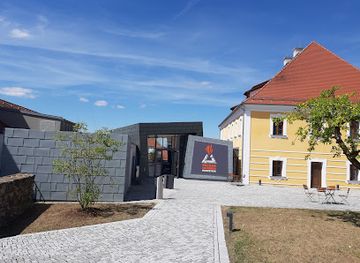
Discover the captivating history and cultural heritage of the Fichtelgebirge region at this engaging museum in Wunsiedel, housed in a historic 15th-century hospital.
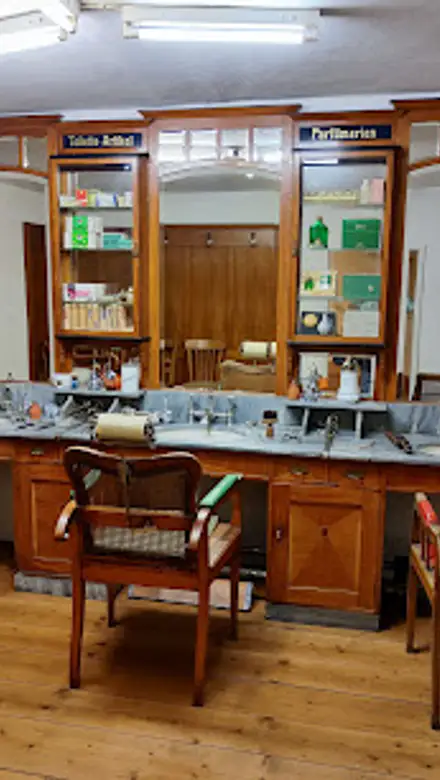
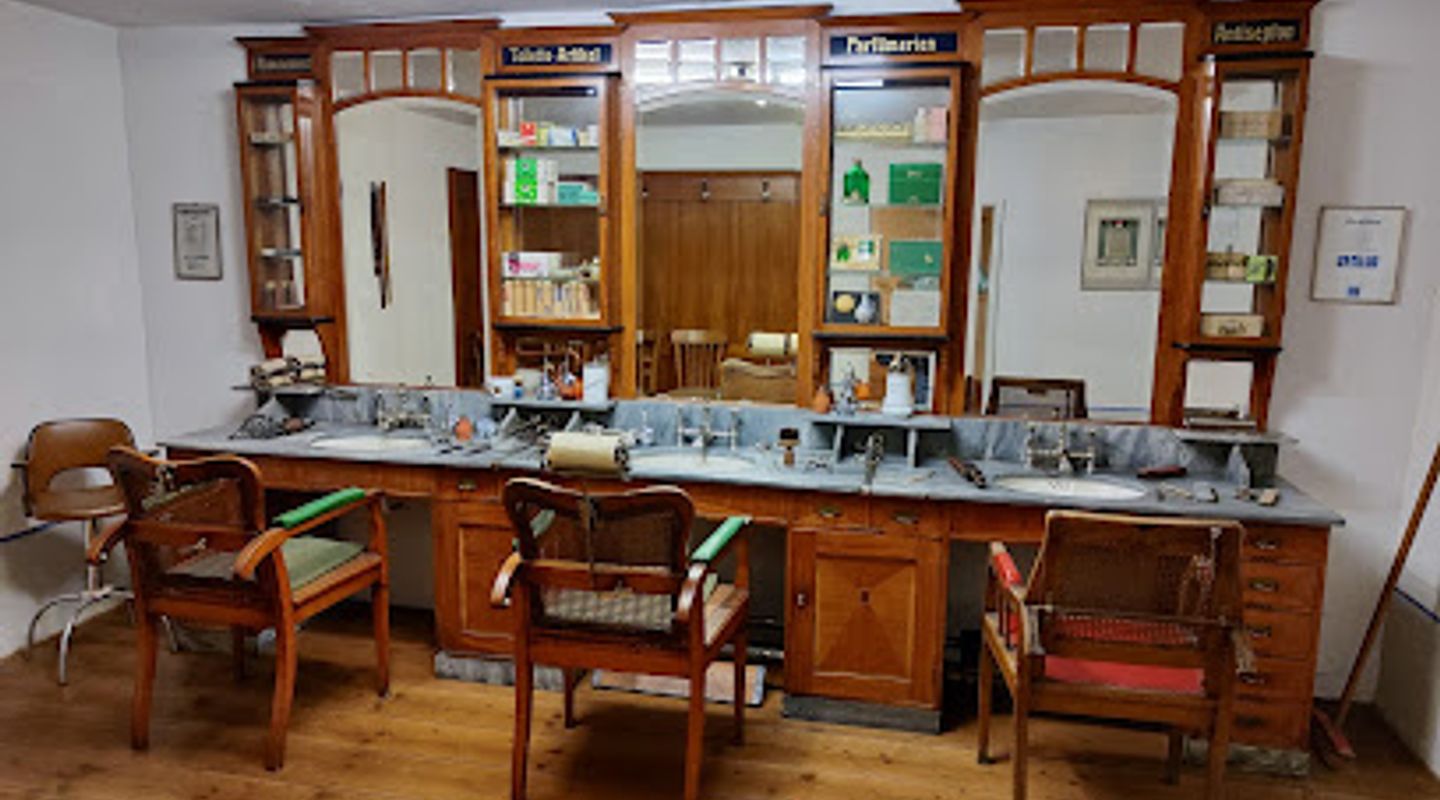
The Fichtelgebirge Museum in Wunsiedel is a captivating regional museum that unveils the rich history and cultural heritage of the Fichtelgebirge region. Housed in a beautifully preserved 15th-century hospital building, the museum boasts an extensive collection of artifacts, exhibits, and interactive displays that bring the region's past to life. From its geological foundations and mining traditions to its শিল্পকলা craftsmanship and cultural figures, the museum offers a comprehensive and engaging exploration of the Fichtelgebirge's unique identity. Active workshops featuring blacksmiths, potters, and pewterers add a dynamic element, allowing visitors to witness traditional crafts firsthand. With its diverse exhibits and immersive atmosphere, the Fichtelgebirge Museum is a must-visit destination for anyone seeking to understand and appreciate the region's fascinating story.
A brief summary to Fichtelgebirge Museum
- Spitalhof 5, Wunsiedel, 95632, DE
- Click to display
- Click to display
- Tuesday 10 am-5 pm
- Wednesday 10 am-5 pm
- Thursday 10 am-5 pm
- Friday 10 am-5 pm
- Saturday 10 am-5 pm
- Sunday 10 am-5 pm

Know before you go
Hi, I'm Eve. Here are a few practical things to know before exploring Fichtelgebirge Museum.
- Check the museum's website for special events, workshops, and temporary exhibitions that may coincide with your visit.
- Allow ample time to explore the museum's extensive collection, as there is much to see and discover.
- Visit the active workshops to witness traditional crafts being practiced by skilled artisans.
- Combine your visit with a walk through Wunsiedel's historic town center and other nearby attractions.
- Consider visiting other museums in the Fichtelgebirge region, such as the Porzellanikon or the Open Air Museum Grassemann, for a more comprehensive cultural experience.
Do you manage this location?
Take control to get all the benefits, like improved information, better appearance, and stronger visibility across AI-powered discovery. Learn more about listing your business on Evendo
Activate your presenceOther nearby places you may find interesting
The closest places of the same kind, if this one is not quite what you had in mind.

Explore Fichtelgebirge Museum on the Map
A handpicked selection of must-see spots near Fichtelgebirge Museum, mapped for you.
Getting There
-
Walking
From the Marktplatz (main square) in Wunsiedel, walk northeast along Maximilianstrasse. Turn right onto Spitalhof. The Fichtelgebirge Museum will be on your left, within a few minutes' walk. The walk is approximately 500m and should take less than 10 minutes. Look for the distinctive historic buildings of the Sigmund Wann Hospital.
-
Public Transport
The closest bus stop is Wunsiedel, Breite Str., which is served by local bus routes. From the bus stop, walk south on Breite Str., then turn left onto Spitalhof. The museum will be on your right. The walk is approximately 200m. Bus tickets within Wunsiedel typically cost around €2-3.
-
Taxi/Ride-Share
A taxi or ride-share from anywhere in Wunsiedel to the Fichtelgebirge Museum is a convenient option. The ride should take only a few minutes and cost approximately €8-€12, depending on the starting point and traffic.
-
Parking
Limited parking is available directly at the museum. Additional parking can be found in the vicinity of the Marktplatz, a short walk away. Parking fees in the Marktplatz area typically range from €1-2 per hour.
Discover more about Fichtelgebirge Museum













Your all‑in‑one travel companion app
Explore expert travel guides, compare and book tours, experiences, hotels, and more—all from the palm of your hand. Download now for seamless trip planning wherever your wanderlust takes you.


Explore More of Upper Palatinate
Looking beyond Fichtelgebirge Museum? Discover Upper Palatinate for broader travel guides, local hot-spots, and regional highlights.
Explore Upper Palatinate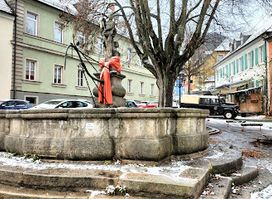
Discover the enchanting Gabelmannsbrunnen in Wunsiedel, a historic fountain that reflects the city’s rich culture and artistry.

Experience the serene beauty of Sigmund-Wann-Brunnen, a stunning fountain in Wunsiedel that invites relaxation and reflection amidst nature's charm.