

Flossenbürg Concentration Camp Memorial, Upper Palatinate Travel Guide
Reflect on the past at the Flossenbürg Concentration Camp Memorial in Bavaria, a poignant site honoring victims and promoting education about the Holocaust and its lasting impact.
The Flossenbürg Concentration Camp Memorial, located in Bavaria, Germany, stands as a stark reminder of the atrocities committed during the Nazi regime. Established in 1938, the camp initially served to exploit prisoner labor in granite quarries before becoming a significant site for armaments production. Today, the memorial offers a sobering yet essential experience, allowing visitors to explore preserved remnants of the camp, including the crematorium, detention yard, and watchtowers. The museum houses poignant exhibits featuring personal testimonies, documents, and artifacts that illuminate the suffering endured by the camp's diverse population of political prisoners, Jews, and prisoners of war. Visiting Flossenbürg provides a crucial opportunity to reflect on the past and honor the memory of the tens of thousands who perished within its walls, fostering a deeper understanding of the consequences of intolerance and inhumanity. The site's serene setting amidst the Upper Palatinate Forest adds a layer of haunting beauty, contrasting sharply with the grim history it holds.
A brief summary to Flossenbürg Concentration Camp Memorial
- Gedächtnisallee 5, Flossenbürg, 92696, DE
- Click to display
- Click to display
- Monday 9 am-5 pm
- Tuesday 9 am-5 pm
- Wednesday 9 am-5 pm
- Thursday 9 am-5 pm
- Friday 9 am-5 pm
- Saturday 9 am-5 pm
- Sunday 9 am-5 pm

Know before you go
Hi, I'm Eve. Here are a few practical things to know before exploring Flossenbürg Concentration Camp Memorial.
- Allow ample time for your visit; allocate at least 3-4 hours to fully experience the memorial grounds and museum.
- Dress respectfully and be mindful of the solemn atmosphere of the site.
- Consider taking a guided tour to gain deeper insights into the history of the camp and the experiences of its prisoners.
- Check the memorial's website for information on special events, exhibitions, and educational programs.
- Be prepared for an emotionally challenging experience, and allow time for reflection after your visit.
Do you manage this location?
Take control to get all the benefits, like improved information, better appearance, and stronger visibility across AI-powered discovery. Learn more about listing your business on Evendo
Activate your presenceOther nearby places you may find interesting
The closest places of the same kind, if this one is not quite what you had in mind.

Explore Flossenbürg Concentration Camp Memorial on the Map
A handpicked selection of must-see spots near Flossenbürg Concentration Camp Memorial, mapped for you.
Getting There
-
Public Transport
From the Weiden (Oberpfalz), Altenstadt an der Waldnaab, or Neustadt an der Waldnaab train stations, take the Regionalbus Ostbayern GmbH (RBO) bus line 6272 / 1952 towards Flossenbürg/Silberhütte. The bus ride takes approximately 40-55 minutes. Get off at the "Flossenbürg Gedenkstätte" bus stop, which is directly opposite the memorial entrance. A single bus fare costs approximately €4-€6.
-
Driving
If driving, the memorial is accessible via Autobahn A93 (Regensburg – Hof), exit Neustadt an der Waldnaab, or Autobahn A6 (Nürnberg – Plzeň), exit Waidhaus. Follow the signs to “KZ-Gedenkstätte Flossenbürg” after leaving the Autobahn. Parking is free of charge at the memorial. Four charging stations for electric cars are available in the upper parking lot (P2).
Discover more about Flossenbürg Concentration Camp Memorial
More to explore near Flossenbürg Concentration Camp Memorial
-

Best experiences near Flossenbürg Concentration Camp Memorial
-

Best hotels near Flossenbürg Concentration Camp Memorial
-

Best landmarks near Flossenbürg Concentration Camp Memorial
-

Best shops near Flossenbürg Concentration Camp Memorial
-

Best restaurants near Flossenbürg Concentration Camp Memorial
-

Best bars near Flossenbürg Concentration Camp Memorial







Your all‑in‑one travel companion app
Explore expert travel guides, compare and book tours, experiences, hotels, and more—all from the palm of your hand. Download now for seamless trip planning wherever your wanderlust takes you.


Explore More of Upper Palatinate
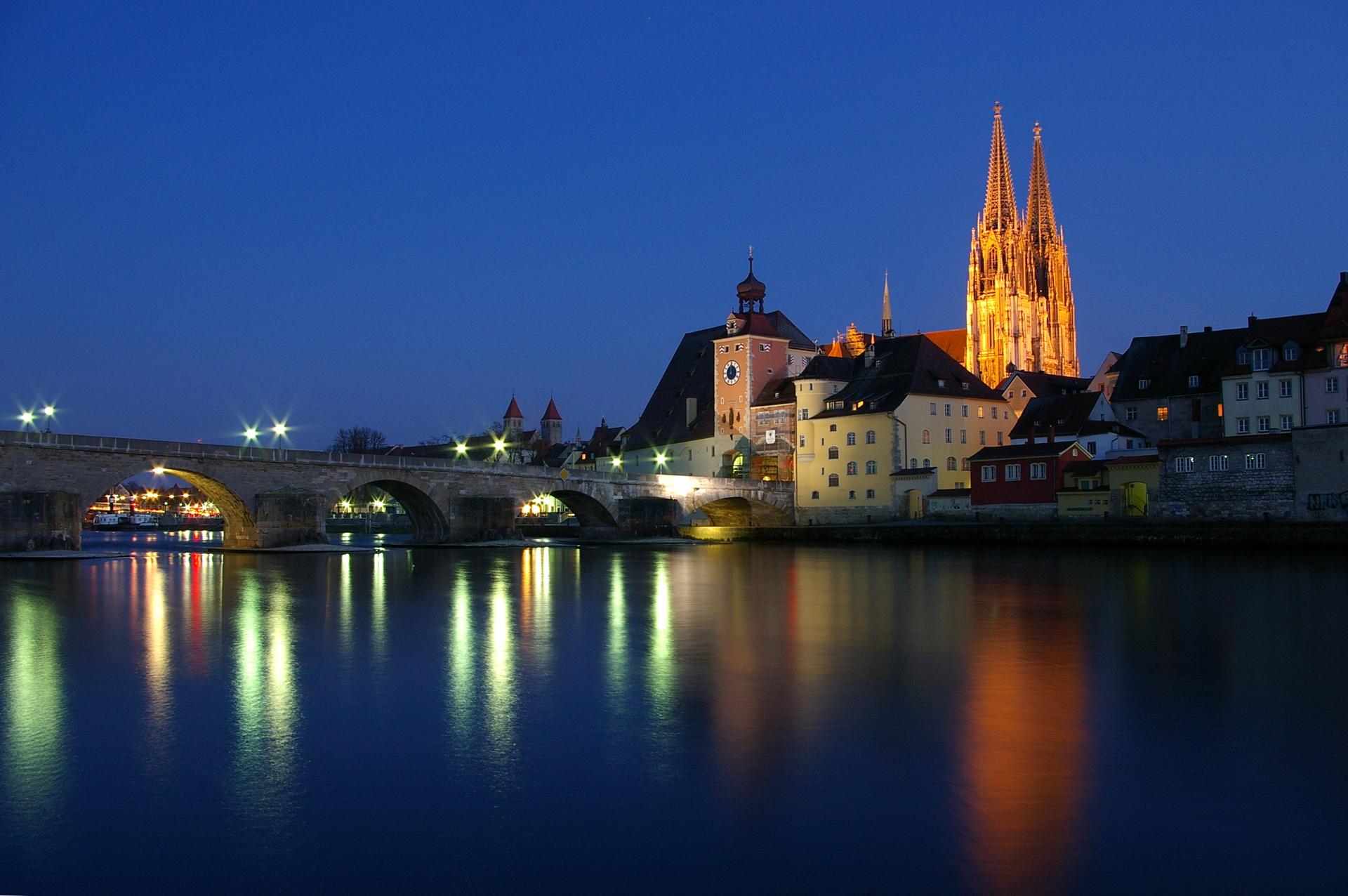
Looking beyond Flossenbürg Concentration Camp Memorial? Discover Upper Palatinate for broader travel guides, local hot-spots, and regional highlights.
Explore Upper Palatinate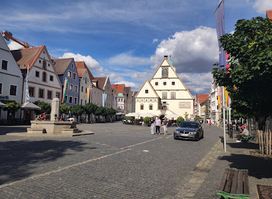
Discover Weiden's historic heart at the Altes Rathaus: Admire Renaissance architecture, enjoy the Glockenspiel, and explore the charming shops and the Tourist Information center.

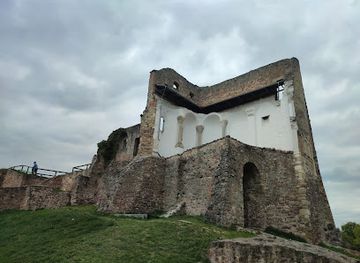
Discover the enchanting Burgruine Flossenbürg, a historical landmark that offers breathtaking views and a glimpse into Germany's medieval past.
