

Airport Residential Area (Accra) Travel Guide - Free
Explore Airport Residential Area in Accra with Evendo's free guide. Find the best shops, historic streets, restaurants, and gems on web or mobile.


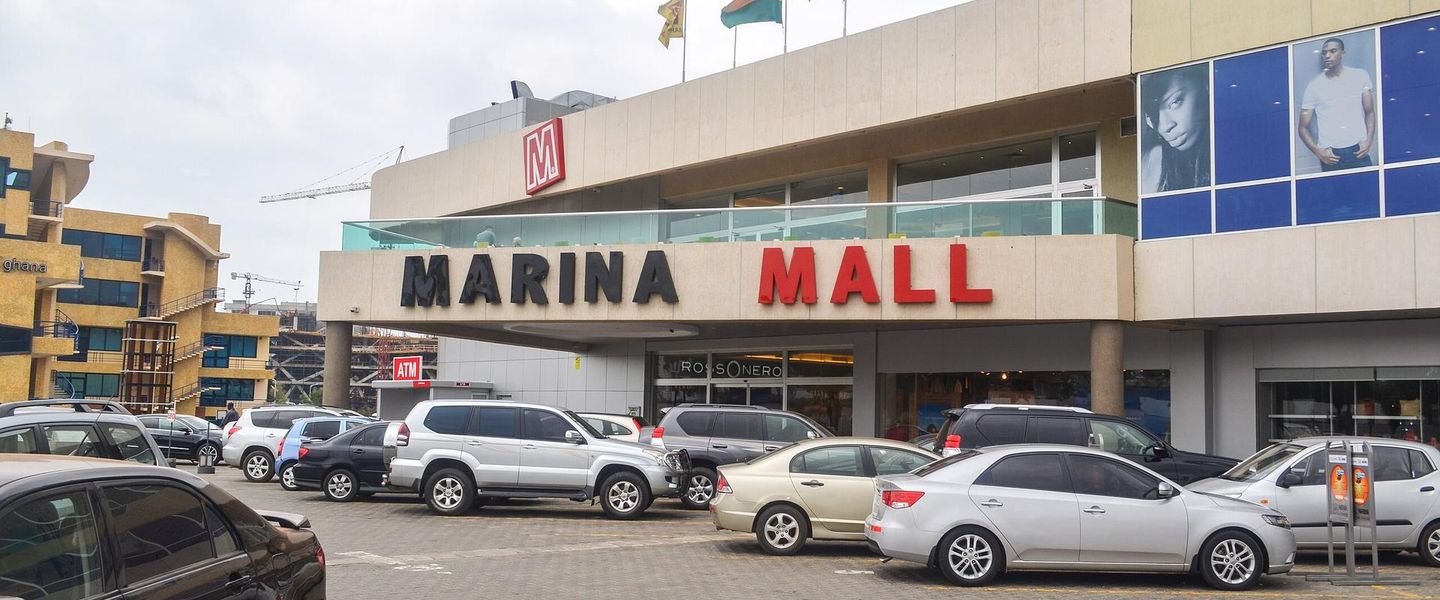


Airport Residential Area in Accra offers convenient airport access, leafy streets, international dining, business hotels and a calm base for exploring Ghana’s capital.
A Convenient Accra Address
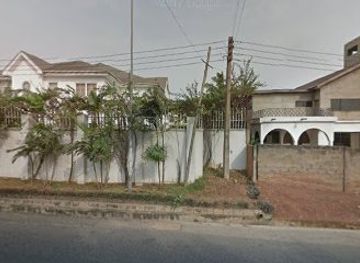
Airport Residential Area occupies a well-connected pocket of Accra close to Kotoka International Airport and the commercial concentration known as Airport City. Its broad roads, compounds, offices, embassies, hotels and apartment developments give it a more polished, business-oriented character than many older parts of the capital. The area is not a traditional sightseeing district, but its location makes it a practical base for visitors arriving late, departing early or dividing their time between central Accra, Cantonments and the northern suburbs.Read more about Airport Residential Area
Streets, Buildings and Everyday Life
Dining and Local Orientation
Best attractions in Airport Residential Area
Airport Residential Area is primarily a business and residential district, so its attractions are modest in scale and often connected to its setting rather than to formal sightseeing institutions. Visitors can observe the contrast between established walled compounds, diplomatic properties, landscaped hotels and the newer office towers of nearby Airport City. The airport perimeter and surrounding roads provide a sense of Accra’s international gateway, though airport facilities themselves are intended for passengers rather than casual touring. Restaurants, cafés and hotel lounges offer comfortable places to pause, while the neighbourhood’s quieter streets reveal how the capital’s professional districts are arranged. Airport City’s modern commercial architecture lies close by, but should be treated as a neighbouring concentration rather than a historic quarter within Airport Residential Area. The area works best as a base from which to reach Cantonments, Osu, central Accra and the coast, rather than as a self-contained museum or monument district.
-
Tourist attraction
RB Wizzy
Experience the vibrant rhythms of Ghanaian music at RB Wizzy, a top cultural destination in Accra for music lovers and tourists alike.
6 min walk · 0.4 km from neighbourhood centre
-
Tourist attraction
Adventure Seekers Hub
Discover thrilling adventures and cultural experiences at the Adventure Seekers Hub, the ultimate destination for excitement in Accra, Ghana.
6 min walk · 0.4 km from neighbourhood centre
-
Tourist attraction
Blogger
Experience the vibrant culture, rich history, and warm hospitality in the heart of Accra, Ghana's bustling capital city.
6 min walk · 0.4 km from neighbourhood centre
-
Tourist attraction
Fellow for happiness
Discover joy and culture at Fellow for Happiness, a vibrant tourist attraction in Accra's Ayawaso borough, where community and connection thrive.
6 min walk · 0.4 km from neighbourhood centre


Best landmarks in Airport Residential Area
The most important landmark in relation to Airport Residential Area is Kotoka International Airport, whose runways, terminal complex and access roads shape the neighbourhood’s identity as Accra’s gateway to the world. Within the district, the notable features are less likely to be single historic monuments than the combination of diplomatic compounds, established residential walls, hotel grounds and modern office architecture. Liberation Road functions as a defining urban corridor, linking the airport environment with Airport City and other major parts of the capital. The newer towers and commercial buildings of Airport City are close enough to form part of the local visual landscape, but they belong to a neighbouring development zone rather than to the older residential fabric itself. This mixture of aviation infrastructure, corporate construction and low-rise compounds records Accra’s shift from a mainly administrative capital towards a regional business centre.
-
Coworking space
AfricaWorks Accra @ Airport Residential
Experience productivity and collaboration at AfricaWorks Accra, your premier coworking destination in Ghana's vibrant capital.
4 min walk · 0.3 km from neighbourhood centre
-
Tourist attraction
Adventure Seekers Hub
Explore the Adventure Seekers Hub in Accra for thrilling activities and cultural experiences that promise unforgettable memories.
6 min walk · 0.4 km from neighbourhood centre
-
Tourist attraction
Blogger
Discover the vibrant culture, rich history, and warm hospitality of Accra, the heart of Ghana, where every street tells a unique story.
6 min walk · 0.4 km from neighbourhood centre
-
Tourist attraction
Green beach
Explore the serene beauty of Green Beach in Accra, where lush landscapes meet vibrant local culture for an unforgettable coastal experience.
6 min walk · 0.4 km from neighbourhood centre

Explore Airport Residential Area on the map
A handpicked selection of must-see spots in Airport Residential Area, mapped for you.
Best hotels in Airport Residential Area
Best restaurants in Airport Residential Area
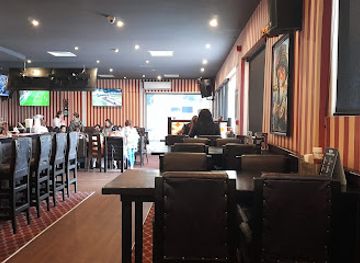
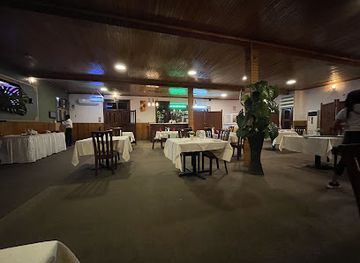
Dining in Airport Residential Area reflects Accra’s international business community and its proximity to the airport. Hotel restaurants, polished cafés and independent eateries serve Ghanaian favourites alongside West African, European, Asian and contemporary dishes, with grilled meats, rice dishes, seafood, pastries and coffee commonly represented. Restaurants are distributed along the main roads and within compounds rather than gathered in one traditional food street, so taxis or map-based directions are useful when moving between them. The nearby Airport City development adds further restaurants and rooftop or lounge-style venues, although it is a separate commercial zone. Visitors seeking local flavours can look for dishes such as jollof rice, waakye, banku with soup or grilled tilapia, while international menus make the neighbourhood convenient for mixed groups and business meetings. Dining is generally more sit-down and venue-based here than in Accra’s markets or roadside food areas.
-
Restaurant
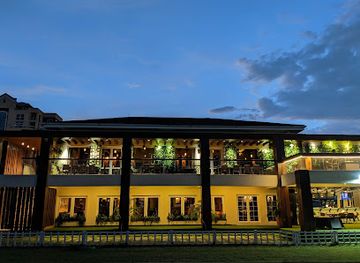
Polo Club Restaurant & Lounge
Experience luxury dining at Polo Club Restaurant & Lounge in Accra with exquisite Italian dishes and fresh sushi in a vibrant atmosphere.
5 min drive · 1.6 km from neighbourhood centre
-
Restaurant
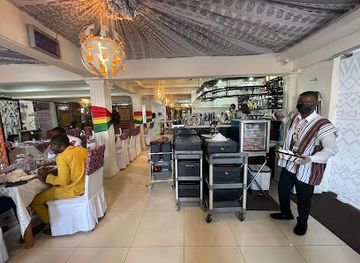
Azmera Restaurant
Experience authentic West African flavors at Azmera Restaurant in Accra with an extensive buffet that delights every palate.
7 min walk · 0.6 km from neighbourhood centre
-
Restaurant
The Honeysuckle Pub & Restaurant-Airport
Discover the vibrant atmosphere and diverse menu at The Honeysuckle Pub & Restaurant in Accra - perfect for travelers craving local and international cuisine.
10 min walk · 0.8 km from neighbourhood centre
-
Restaurant
The Landing Restaurant
Experience authentic Ghanaian flavors at The Landing Restaurant in Accra—where culinary excellence meets warm hospitality.
14 min walk · 1.2 km from neighbourhood centre
Best bars in Airport Residential Area
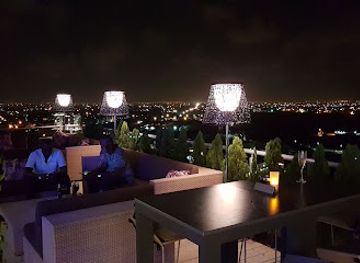
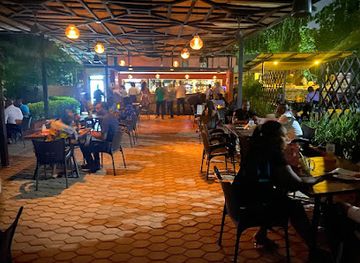
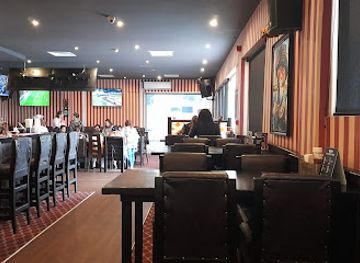
Nightlife in Airport Residential Area is centred on hotel bars, restaurant lounges and discreet evening venues rather than a dense clubbing strip. After work, the area attracts business travellers, residents and visitors meeting for cocktails, wine, music or dinner, while nearby Airport City provides additional rooftop and contemporary lounge options. The atmosphere is generally more polished and conversation-oriented than the high-energy street nightlife associated with parts of Osu. Some venues may host music or entertainment, but programmes and opening arrangements change, so current details should be checked locally. Traffic and the dispersed layout make short car journeys preferable after dark, and many visitors use the neighbourhood as a starting point before continuing to larger entertainment areas elsewhere in Accra.
-
Bar
Sky Bar 25 Restaurant and Bar
Discover the vibrant atmosphere and stunning views at Sky Bar 25, Accra's premier bar and restaurant for unforgettable dining experiences.
5 min drive · 1.8 km from neighbourhood centre
-
Lounge
Poki House Accra
Experience the vibrant nightlife at Poki House Accra, where modern lounge meets local flavors in the heart of Ghana's capital.
1 min walk · 0.1 km from neighbourhood centre
-
Bar
The Honeysuckle Pub & Restaurant-Airport
Discover the vibrant flavors and lively atmosphere at The Honeysuckle Pub & Restaurant, the perfect spot for food and fun near Accra Airport.
10 min walk · 0.8 km from neighbourhood centre
-
Restaurant
Tunnel Lounge
Experience the best of Accra's culinary scene at Tunnel Lounge, where seafood and steaks meet vibrant nightlife in a cozy setting.
12 min walk · 1.0 km from neighbourhood centre
Best nightclubs in Airport Residential Area
Nightlife in Airport Residential Area is centred on hotel bars, restaurant lounges and discreet evening venues rather than a dense clubbing strip. After work, the area attracts business travellers, residents and visitors meeting for cocktails, wine, music or dinner, while nearby Airport City provides additional rooftop and contemporary lounge options. The atmosphere is generally more polished and conversation-oriented than the high-energy street nightlife associated with parts of Osu. Some venues may host music or entertainment, but programmes and opening arrangements change, so current details should be checked locally. Traffic and the dispersed layout make short car journeys preferable after dark, and many visitors use the neighbourhood as a starting point before continuing to larger entertainment areas elsewhere in Accra.
-
Night club
Silver Fox
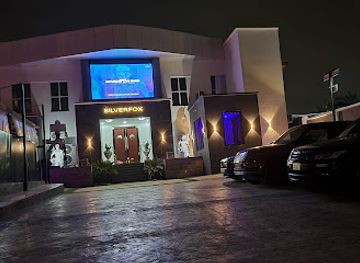
Discover the vibrant nightlife at Silver Fox, Accra's top night club, where unforgettable music and lively crowds come together.
12 min walk · 1.0 km from neighbourhood centre
-
 Disco club
1102 Night Club
Discover the electrifying nightlife at 1102 Night Club, Accra's premier disco destination for an unforgettable party experience.
11 min walk · 0.8 km from neighbourhood centre
-
Night club
Gilvado Accra
Discover the pulse of Accra's nightlife at Gilvado Accra, where great music and vibrant energy create unforgettable experiences.
11 min walk · 0.9 km from neighbourhood centre
-
Night club
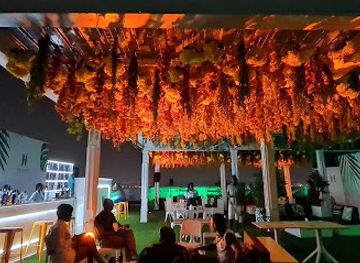
Hakuna Rooftop
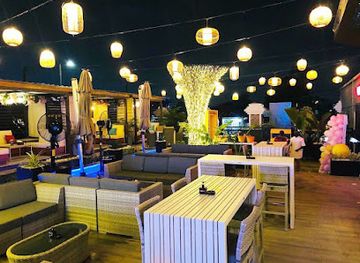
Experience the vibrant nightlife of Accra at Hakuna Rooftop, where stunning views and lively entertainment create unforgettable nights.
4 min walk · 0.3 km from neighbourhood centre
Best shops in Airport Residential Area
Shopping in Airport Residential Area is practical rather than destination-led. Small supermarkets, convenience shops, pharmacies, salons, florists and service businesses support residents, hotel guests and office workers, while larger commercial premises are concentrated in nearby Airport City and around the airport approaches. Visitors may find locally made gifts, snacks and personal essentials through hotel retail areas and specialist businesses, but the neighbourhood is not known for a traditional craft market or a long independent shopping street. For textiles, open-air market life, carved objects and a broader range of Ghanaian crafts, travellers need to visit other parts of Accra. The nearby modern malls and commercial centres are useful for air-conditioned retail, food and services, though they offer a different experience from the city’s historic markets. Carrying a map pin is helpful when seeking smaller businesses hidden behind compounds or office fronts.
-
Shopping mall
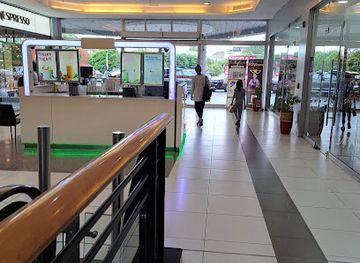
Marina mall
Explore Marina Mall in Accra for an unforgettable shopping and dining experience amidst a vibrant atmosphere.
10 min walk · 0.8 km from neighbourhood centre
-
Shopping mall
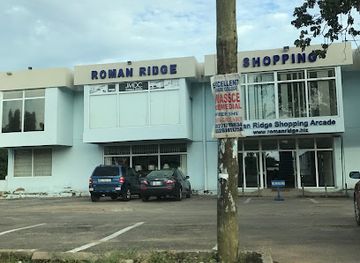
Roman Ridge Shopping Arcade
Explore Accra's Roman Ridge Shopping Arcade: A shopping haven filled with local culture, diverse shops, and delightful dining experiences.
7 min walk · 0.5 km from neighbourhood centre
-
Duty free store
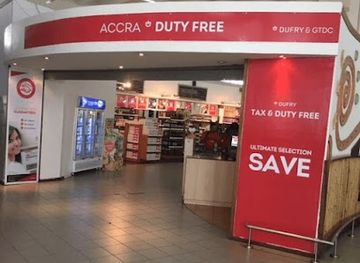
Dufry
Discover a world of luxury at Dufry in Accra, where unique souvenirs and premium products await every traveler.
7 min walk · 0.6 km from neighbourhood centre
-
Clothing store
Aburasta Taylorshop
Explore the heart of Ghanaian fashion at Aburasta Taylorshop, where vibrant culture and unique craftsmanship come together in Accra.
6 min walk · 0.4 km from neighbourhood centre

From Eve
Local phrases worth knowing
You don't need to get them perfect. A few words go a long way, and locals appreciate the effort.
Basics
| English | Local | Say it |
|---|---|---|
| Hello | Ɛte sɛn | [eh-teh sen] |
| Goodbye | Bye-bye | [bye-bye] |
| Yes | Aane | [ah-nay] |
| No | Daabi | [dah-bee] |
| Please/You're welcome | Mesrɛ wo | [meh-sreh woh] |
| Thank you | Medaase | [meh-dah-ah-seh] |
| Excuse me/Sorry | Kraa | [krah] |
| How are you? | Wo ho te sɛn? | [woh hoh teh sen] |
| Fine. And you? | Ɛyɛ. Na wo ho? | [eh-yeh. nah woh hoh] |
| Do you speak English? | Wo ka english? | [woh kah english] |
| I don't understand | Me te sɛn | [meh teh sen] |
Eating & Drinking
| English | Local | Say it |
|---|---|---|
| I'd like to see the menu, please | Mepɛ menu, mesrɛ wo | [meh-peh menu, meh-sreh woh] |
| I don't eat meat | Me nni nyadua | [meh knee nyah-dwah] |
| Cheers! | Nkwa | [n-kwah] |
| I would like to pay, please | Mepɛ sika, mesrɛ wo | [meh-peh see-kah, meh-sreh woh] |
Emergencies
| English | Local | Say it |
|---|---|---|
| Help! | Boa me! | [boh-ah meh] |
| Go away! | Kasa! | [kah-sah] |
| Call the Police! | Bɛyɛ Polis! | [beh-yeh poh-lees] |
| Call a doctor! | Bɛyɛ dokita! | [beh-yeh doh-kee-tah] |
| I'm lost | Me yɛ adi | [meh yeh ah-dee] |
| I'm ill | Me yɛ abɛ | [meh yeh ah-beh] |
Shopping
| English | Local | Say it |
|---|---|---|
| I'd like to buy... | Mepɛ sɛ meka... | [meh-peh seh meh-kah] |
| I'm just looking | Me nni anidaso | [meh knee ah-nee-dah-soh] |
| How much is it? | Afei bɛn? | [ah-fay behn] |
| That's too expensive | Afei pɛ | [ah-fay peh] |
| Can you lower the price? | W'ada sika? | [wah-dah see-kah] |
Time & Numbers
| English | Local | Say it |
|---|---|---|
| What time is it? | Ɛyɛ aduro afei bɛn? | [eh-yeh ah-doo-roh ah-fay behn] |
| It's one o'clock | Ɛno nua | [eh-noh n-wah] |
| Half past (10) | Nnidi mu (tebɛ) | [nee-dee moo (teh-beh)] |
| Morning | Anɔpa | [ah-noh-pah] |
| Afternoon | Awia | [ah-wee-ah] |
| Evening | Anɔpa mu | [ah-noh-pah moo] |
| Yesterday | Nanawo | [nah-nah-woh] |
| Today | Ɛnan | [eh-nahn] |
| Tomorrow | Ɛfiri | [eh-fee-ree] |
| 1 | Bere | [beh-reh] |
| 2 | Aba | [ah-bah] |
| 3 | Ato | [ah-toh] |
| 4 | Anan | [ah-nahn] |
| 5 | Anum | [ah-noom] |
| 6 | Afia | [ah-fee-ah] |
| 7 | Ason | [ah-sohn] |
| 8 | Awɔn | [ah-wohn] |
| 9 | Idu | [ee-doo] |
| 10 | Anidaso | [ah-nee-dah-soh] |
Transport & Directions
| English | Local | Say it |
|---|---|---|
| Where's a/the...? | Efeɛ... | [eh-feh-eh] |
| What's the address? | Adiresɛ bɛn? | [ah-dee-reh-seh behn] |
| Can you show me (on the map)? | W'ada map no so? | [wah-dah map noh soh] |
| When's the next (bus)? | Ɛbɛyi nɛxt (trotro)? | [eh-beh-yee next (troh-troh)] |
| A ticket (to ....) | Tikit (kɔ ....) | [tee-kit (koh ....)] |
History of Airport Residential Area
The Airport Zone Takes Shape
Airport Residential Area developed in relation to Accra’s expanding aviation infrastructure and the city’s growth northwards and eastwards from its older coastal and central districts. As air travel became increasingly important to government, commerce and diplomacy, land near the airport acquired strategic value. Residential compounds, institutional premises and supporting businesses gradually appeared around the access roads, producing a district defined less by a historic market or indigenous town centre than by its connection to modern transport and international administration.
Post-Independence Expansion
After Ghana became independent in 1957, Accra grew as the country’s administrative, diplomatic and commercial capital. Airport Residential Area benefited from this expansion, becoming associated with embassies, professional households, offices and accommodation for visitors and business travellers. Its spacious plots and access to the airport suited a city increasingly connected to regional and international networks. The resulting streetscape was more suburban and institutional than the compact urban quarters closer to the coast, with compounds and landscaped premises shaping the area’s visual character.
From Residential District to Mixed-Use Hub
During the late twentieth and early twenty-first centuries, rising demand for centrally located business space and short-stay accommodation brought offices, restaurants, apartment buildings and hotels into and around Airport Residential Area. Airport City, immediately nearby, intensified this transformation with high-rise commercial development and a concentration of corporate services. Older residential properties have continued to coexist with newer construction, although the balance between homes, hospitality and business uses has shifted. Today the neighbourhood remains closely tied to aviation, international commerce and Accra’s expanding metropolitan economy.
Airport Residential Area in Photos
Browse through our photo collection highlighting the charm and character of the destination.
Neighbourhoods near Airport Residential Area
The closest neighbourhoods to Airport Residential Area, if you have time for more than one stop.
-
-
-

-


Swipe for more neighbourhoods

