

Labone (Accra) Travel Guide - Free
Explore Labone in Accra with Evendo's free guide. Find the best shops, historic streets, restaurants, and gems on web or mobile.


Labone, Accra blends leafy residential streets, contemporary galleries, Ghanaian dining, cafés and easy access to Osu, Cantonments and the Atlantic coast.
A Residential Quarter with Cultural Edges
Labone occupies a leafy, largely residential pocket of Accra between the busier commercial streets of Osu and the diplomatic character of Cantonments. Its low-rise compounds, walled homes, guesthouses and apartment buildings sit along relatively calm roads such as Labone Crescent, Kofi Annan Street and Dr Isert Street. The neighbourhood is close to the Atlantic coast, but its identity is shaped less by beachfront tourism than by its cafés, restaurants, galleries and cultivated urban quiet.Read more about Labone
Art, Food and Everyday Accra
Walking Between Neighbourhoods
Best attractions in Labone
Labone’s attractions are primarily cultural and urban rather than monumental. Gallery 1957 on Kofi Annan Street provides a significant point of interest for visitors curious about contemporary African art, with exhibitions that place Ghanaian practice within wider regional and international conversations. The surrounding streets offer a more everyday form of sightseeing: low-rise compounds, mature trees, cafés, independent businesses and restaurants reveal how Accra’s planned residential districts have adapted to new uses. Labone is also well placed for short excursions to nearby Osu, Cantonments and the coastal districts, although those areas should be treated as separate destinations. Visitors interested in architecture can compare older houses and walls with newer apartments, offices and hospitality properties, while food-focused travellers can build a relaxed afternoon around coffee, lunch and gallery-going rather than a long list of formal monuments.
-
Tourist attraction
One Family Travel &Tour
Experience the essence of Ghana with One Family Travel & Tour – your gateway to exploring Accra's culture, history, and vibrant community.
6 min drive · 2.0 km from neighbourhood centre
-
Tourist attraction
The Health Habitat
Experience tranquility at The Health Habitat in Accra, a wellness sanctuary promoting health and relaxation amidst nature's beauty.
6 min drive · 2.0 km from neighbourhood centre


Best landmarks in Labone
Labone’s most meaningful landmarks are tied to its planned residential fabric and contemporary cultural life rather than to monumental civic architecture. The streets around Labone Crescent and Kofi Annan Street display the district’s characteristic mixture of mature compounds, boundary walls, low-rise homes, converted commercial buildings and newer apartment developments. Gallery 1957 is a prominent cultural marker, giving the neighbourhood a visible connection to Ghana’s contemporary art scene. Labone Senior High School is another established local institution, though it is principally a school rather than a sightseeing site. The area’s relationship with nearby Cantonments and Osu is also part of its geographical identity: important city institutions and historic coastal districts lie close by, but outside Labone’s informal boundaries. Visitors should therefore read the neighbourhood as a streetscape and living urban district, not as a compact collection of grand monuments.
-
Restaurant
Zen Garden
Experience the perfect blend of tranquility and taste at Zen Garden, Accra's premier destination for pizza and live music.
7 min drive · 2.3 km from neighbourhood centre
-
Monument
W.E.B Du Bois Memorial Centre for Panafrican Culture - Ghana.
Discover the rich heritage of Pan-Africanism at the W.E.B. Du Bois Memorial Centre, a cultural gem in Accra, Ghana, dedicated to civil rights and unity.
7 min drive · 2.4 km from neighbourhood centre
-
Art gallery
Berj Art Gallery
Discover Ghana's vibrant art scene at Berj Art Gallery in Accra, showcasing a diverse collection of paintings, sculptures, and cultural expressions from established and emerging artists.
5 min drive · 1.8 km from neighbourhood centre
-
Lodging
Labone Court
Discover the charm of Accra from the comfort of Labone Court, your ideal lodging choice for an unforgettable experience.
6 min drive · 1.8 km from neighbourhood centre


Explore Labone on the map
A handpicked selection of must-see spots in Labone, mapped for you.
Best hotels in Labone
Best restaurants in Labone
Labone has one of Accra’s more established concentrations of restaurants and cafés without losing its residential feel. Ghanaian cooking is available alongside West African, pan-African, Asian and international menus, reflecting the neighbourhood’s professional, diplomatic and creative connections. Buka Restaurant is associated with the area’s Ghanaian and West African dining identity, while Labone Coffee Shop is a familiar daytime meeting place for coffee, light meals and informal conversation. Bistro-style venues, contemporary restaurants and casual cafés occupy converted houses and purpose-built premises along roads including Kofi Annan Street and Dr Isert Street. The best way to understand the scene is to notice the contrast between compound-wall privacy and open, sociable dining terraces. Labone’s restaurants also serve as cultural meeting points, but visitors should check current arrangements before travelling because ownership, menus and opening patterns can change.
-
Restaurant
Zen Garden
Experience delicious pizza and vibrant live music at Zen Garden - Accra's perfect blend of tranquility and flavor.
7 min drive · 2.3 km from neighbourhood centre
-
Turkish
Bosphorus Restaurant & Cafe
Discover the rich flavors and warm ambiance at Bosphorus Restaurant & Cafe in Accra, offering authentic Turkish cuisine and delightful coffee.
5 min drive · 1.6 km from neighbourhood centre
-
Restaurant
Vine Restaurant
Discover the culinary delights of Ghana at Vine Restaurant in Accra—where local flavors meet global cuisine in an inviting atmosphere.
6 min drive · 2.0 km from neighbourhood centre
-
Restaurant
Brasa Restaurant
Experience the vibrant flavors of Ghana at Brasa Restaurant in Accra – where every meal is a celebration of local culture and cuisine.
5 min drive · 1.8 km from neighbourhood centre


Best bars in Labone
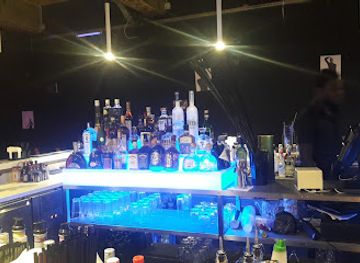
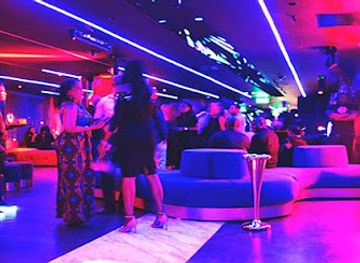
Labone’s nightlife is generally centred on restaurants, lounges and relaxed evening gatherings rather than large nightclubs. After sunset, the busier roads acquire a social energy as diners move between eateries, cafés and drinks venues, while the residential lanes remain comparatively quiet. The area suits visitors looking for conversation, food and a gradual evening rather than a dedicated club circuit. Nearby Osu offers a denser and later nightlife scene, including bars and music venues around its commercial streets, but it is a separate neighbourhood and should be described as such. Traffic and the patchy walkability of some roads make door-to-door transport sensible after dark. Because events, music nights and venue arrangements change, visitors should confirm what is taking place locally rather than relying on an assumed weekly programme.
-
Sports bar
The Honeysuckle Pub & Restaurant - Labone
Experience the lively atmosphere and delicious European cuisine at The Honeysuckle Pub & Restaurant, a premier sports bar in Accra.
6 min drive · 2.1 km from neighbourhood centre
-
Bar
Hi5 Sports Bar
Discover the ultimate sports bar experience in Accra with great drinks, delicious food, and a lively atmosphere at Hi5 Sports Bar.
18 min walk · 1.4 km from neighbourhood centre
-
Bar
Crazy Daisies/The Courtyard
Experience the lively atmosphere and diverse culinary delights at Crazy Daisies/The Courtyard in Accra, a true gem for food and nightlife lovers.
7 min drive · 2.2 km from neighbourhood centre
-
Lounge
Hush Lounge
Discover the vibrant nightlife at Hush Lounge, Accra's premier spot for cocktails, karaoke, and unforgettable memories in a lively environment.
5 min drive · 1.5 km from neighbourhood centre


Best nightclubs in Labone
Labone’s nightlife is generally centred on restaurants, lounges and relaxed evening gatherings rather than large nightclubs. After sunset, the busier roads acquire a social energy as diners move between eateries, cafés and drinks venues, while the residential lanes remain comparatively quiet. The area suits visitors looking for conversation, food and a gradual evening rather than a dedicated club circuit. Nearby Osu offers a denser and later nightlife scene, including bars and music venues around its commercial streets, but it is a separate neighbourhood and should be described as such. Traffic and the patchy walkability of some roads make door-to-door transport sensible after dark. Because events, music nights and venue arrangements change, visitors should confirm what is taking place locally rather than relying on an assumed weekly programme.
-
Disco club
Plot 7
Discover the vibrant nightlife of Accra at Plot 7 – a disco club where music, dance, and culture collide for an unforgettable experience.
6 min drive · 2.1 km from neighbourhood centre
-
Night club
Twist Night Club
Discover the electrifying nightlife of Accra at Twist Night Club – where music, dance, and unforgettable experiences await!
7 min drive · 2.5 km from neighbourhood centre
-
Night club
Ace Nightclub
Dive into Accra's nightlife at Ace Nightclub, where electrifying music and vibrant energy create unforgettable experiences.
7 min drive · 2.3 km from neighbourhood centre

Best shops in Labone
Shopping in Labone is chiefly small-scale and service-oriented, with boutiques, design businesses, salons, food retailers and independent shops distributed among restaurants and residential compounds. Kofi Annan Street and the roads around the neighbourhood’s dining cluster are useful for browsing contemporary clothing, accessories, gifts and locally connected creative products, although the retail mix changes more quickly than in a traditional market. Labone is not a substitute for Accra’s major open-air markets: its appeal lies in combining shopping with coffee, food and gallery visits in a relatively compact area. Visitors seeking Ghanaian textiles, craft objects or souvenirs should ask individual shops about provenance and prices, as stock varies and bargaining customs are not identical across businesses. Larger commercial choices are available in nearby Osu and Cantonments, which should be treated as adjacent shopping areas rather than part of Labone itself.
-
Gift shop
Colours of Africa
Explore the essence of African artistry at Colours of Africa, your go-to gift shop in Accra for authentic souvenirs and unique treasures.
7 min drive · 2.4 km from neighbourhood centre
-
Grocery store
Melcom Mini, Labone
Discover Melcom Mini in Labone, Accra: Your one-stop grocery store for local flavors and international products.
7 min drive · 2.2 km from neighbourhood centre
-
Clothing store
Coin De Luxe - Labone
Discover Ghanaian fashion at Coin De Luxe - Labone, where style meets culture in the heart of Accra.
7 min drive · 2.3 km from neighbourhood centre
-
Home goods store
BOUTIQUE INTERIORS
Explore unique home furnishings at Boutique Interiors, where contemporary design meets authentic Ghanaian craftsmanship in the heart of Accra.
5 min drive · 1.6 km from neighbourhood centre


Labone essentials
Getting There
Getting Around
Safety
Emergency Situations
Do's and Don'ts
Local Tips

From Eve
Local phrases worth knowing
You don't need to get them perfect. A few words go a long way, and locals appreciate the effort.
Basics
| English | Local | Say it |
|---|---|---|
| Hello | Ɔha | [oh-ha] |
| Goodbye | Baako | [bah-koh] |
| Yes | Aane | [ah-neh] |
| No | Dabi | [dah-bee] |
| Please/You're welcome | Mesrɛ | [mess-reh] |
| Thank you | Medaase | [meh-dah-seh] |
| Excuse me/Sorry | Kafra | [kah-frah] |
| How are you? | Ɛte sɛn? | [eh-teh sen] |
| Fine. And you? | Adɛn. Na wo ho? | [ah-dehn. nah woh hoh] |
| Do you speak English? | Wo nkasa a, na wo ma ho? | [woh in-ka-sah ah, nah woh mah hoh] |
| I don't understand | Mennte ase | [men-teh ah-seh] |
Eating & Drinking
| English | Local | Say it |
|---|---|---|
| I'd like to see the menu, please | Mɛgye menu no, mesrɛ | [meh-jeh meh-noo no, mess-reh] |
| I don't eat meat | Menntumi nnidi aburo | [men-too-mee en-nee-dee ah-boo-ro] |
| Cheers! | Afehyia pa | [ah-feh-hee-ah pah] |
| I would like to pay, please | Mɛyɛ nsɛm no, mesrɛ | [meh-yeh en-same no, mess-reh] |
Emergencies
| English | Local | Say it |
|---|---|---|
| Help! | Boa me | [boh-ah meh] |
| Go away! | Kaa daa | [kah dah] |
| Call the Police! | Kyerɛ sɛnea | [chuh-reh seh-neh-ah] |
| Call a doctor! | Kyerɛ dokita | [chuh-reh doh-kee-tah] |
| I'm lost | Menntumi atɔ | [men-too-mee ah-toh] |
| I'm ill | Mɛyɛ adwene | [meh-yeh ah-dwen-eh] |
Shopping
| English | Local | Say it |
|---|---|---|
| I'd like to buy... | Mɛyɛ wo | [meh-yeh woh] |
| I'm just looking | Menntumi mma wo | [men-too-mee mmah woh] |
| How much is it? | Yɛntumi di sɛn? | [yehn-too-mee dee sen] |
| That's too expensive | Ɛyɛ yɛn | [eh-yeh yehn] |
| Can you lower the price? | Wopɛ sika a, na wopɛ sɛ wo di atɔ | [woh-peh see-kah ah, nah woh-peh seh woh dee ah-toh] |
Time & Numbers
| English | Local | Say it |
|---|---|---|
| What time is it? | Dɔɔsoɔ bɛn? | [doh-soh-soh behn] |
| It's one o'clock | Ɛdidi bɛn | [eh-dee-dee behn] |
| Half past (10) | Nya (10) | [nyah] |
| Morning | Anɔpa | [ah-noh-pah] |
| Afternoon | Awia | [ah-wee-ah] |
| Evening | Anwummerɛ | [ahn-woo-meh-reh] |
| Yesterday | Nda | [ndah] |
| Today | Ɛda | [eh-dah] |
| Tomorrow | Ɛbɔ | [eh-boh] |
| 1 | Kraman | [krah-man] |
| 2 | Mmienu | [mee-eh-noo] |
| 3 | Mmiɛnsa | [mee-ehn-sah] |
| 4 | Ɛnan | [eh-nahn] |
| 5 | Enum | [eh-noom] |
| 6 | Nsia | [en-syah] |
| 7 | Nson | [en-sohn] |
| 8 | Nwɔtwe | [en-woh-tweh] |
| 9 | Kronkron | [kron-kron] |
| 10 | Du | [doo] |
Transport & Directions
| English | Local | Say it |
|---|---|---|
| Where's a/the...? | Ɛhe na...? | [eh-heh nah] |
| What's the address? | Ɛha adirɛs no? | [eh-hah ah-dee-rehs no] |
| Can you show me (on the map)? | Wopɛ sɛ wobɛkɔ me (atɔ mepa)? | [woh-peh seh woh-beh-koh meh (ah-toh meh-pah)] |
| When's the next (bus)? | Ɛnnidi (trotro) bɛn? | [ehn-nee-dee (troh-troh) behn] |
| A ticket (to ....) | Tikiti (kɔ ....) | [tee-kee-tee (koh)] |
History of Labone
From Coastal Hinterland to Urban Accra
The land around present-day Labone formed part of the wider coastal settlement landscape associated with Accra’s Ga communities before the area was absorbed into the expanding colonial and later national capital. Unlike older quarters such as Jamestown and Ussher Town, Labone developed as a modern residential district rather than as an early mercantile centre. Its position inland from the coast, yet close to older settlements around Osu and Labadi, made it part of the southward growth of Accra during the twentieth century.
The Planned Residential Estate
Labone’s recognisable urban character emerged during Accra’s postwar expansion, when planned residential areas were laid out beyond the older central districts. Low-rise houses set behind compounds, broad roads and relatively spacious plots distinguished the area from denser historic neighbourhoods. The estate-like development reflected changing ideas about housing, administration and suburban planning under late colonial rule and the early years of Ghanaian independence. Much of the original built environment has since been altered, subdivided or replaced, but the neighbourhood’s leafy, low-rise pattern remains visible.
Independence-Era Accra and Its Southward Growth
After Ghana became independent in 1957, Accra’s administrative, diplomatic and professional functions continued to spread through the southern part of the city. Labone benefited from its proximity to Osu, Cantonments and government-related districts, while remaining primarily residential. The arrival of new households, offices, schools and service businesses gradually diversified the neighbourhood’s social and architectural character. This period helped establish Labone as part of the connected urban belt linking central Accra with the coastal settlements to the east.
A Contemporary Cultural and Dining District
In recent decades, Labone has experienced the wider pressures affecting central Accra: rising land values, redevelopment of older compounds, traffic growth and the conversion of residential properties into restaurants, offices, galleries and short-stay accommodation. Contemporary art spaces such as Gallery 1957 have added a visible cultural dimension, while cafés and restaurants have made the neighbourhood an evening and weekend destination. Labone therefore retains its residential identity but now functions as a mixed urban quarter whose local character is continually shaped by redevelopment and creative enterprise.
Labone in Photos
Browse through our photo collection highlighting the charm and character of the destination.
Neighbourhoods near Labone
The closest neighbourhoods to Labone, if you have time for more than one stop.
-

-
-

-


Swipe for more neighbourhoods
Explore more

Explore more of Accra
Explore Accra, where Ghana's vibrant culture, rich history, and modern energy converge in a coastal paradise filled with unique experiences and warm hospitality.
Explore Accra