Independence Arch, Accra Travel Guide
Discover the Independence Arch in Accra, Ghana: A towering symbol of freedom, resilience, and national pride, commemorating Ghana's historic journey to self-governance and African unity.
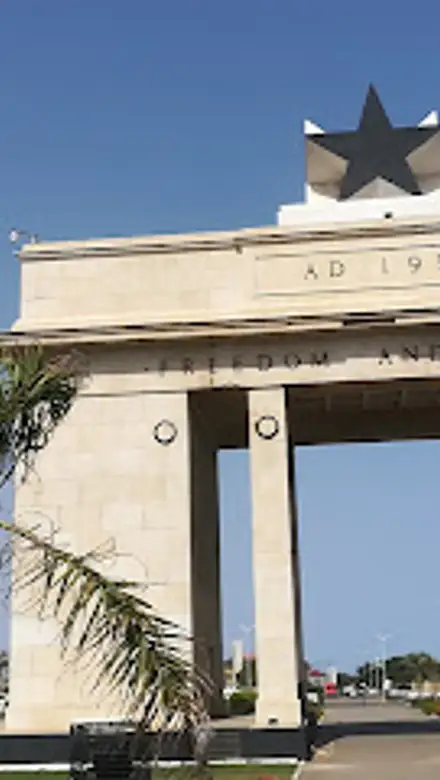
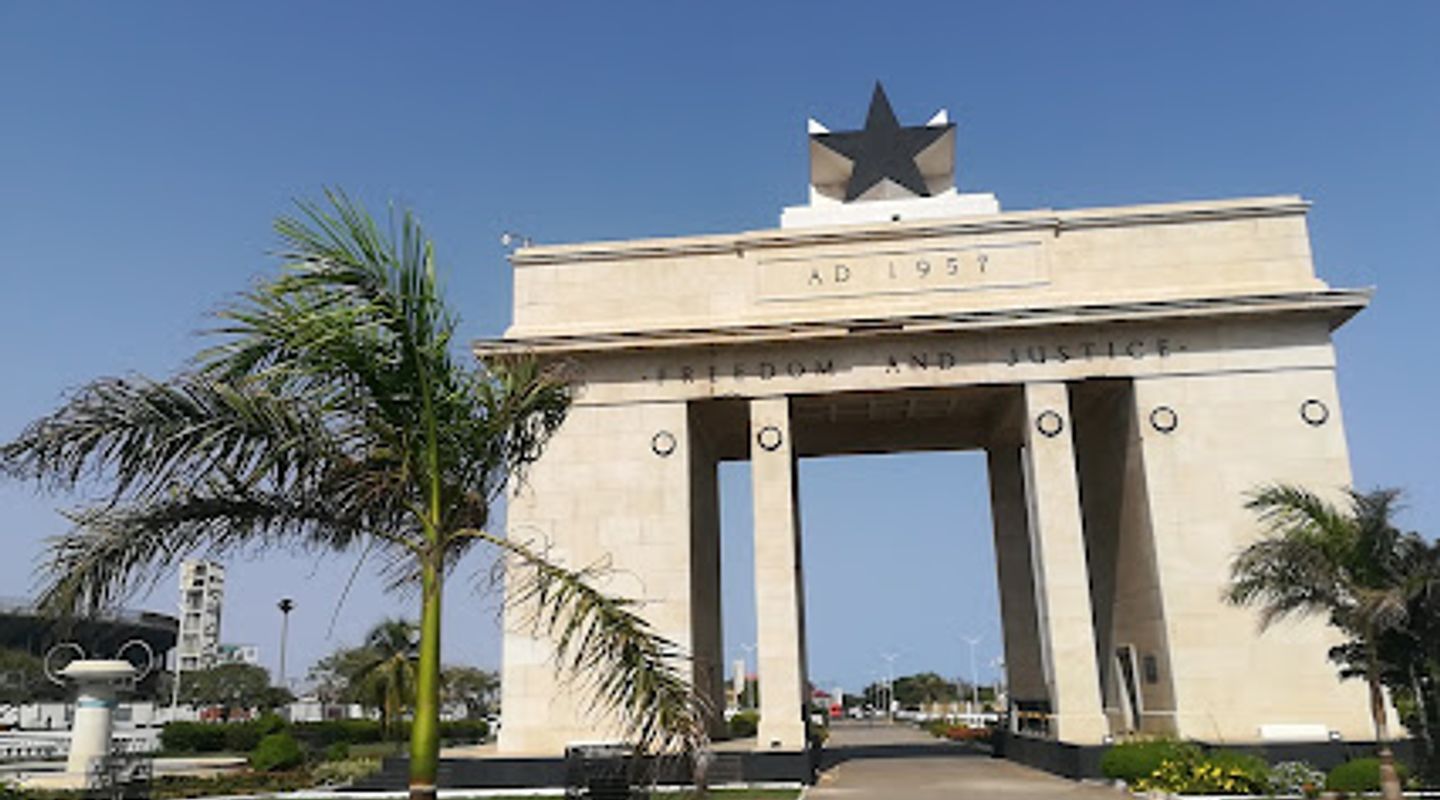
The Independence Arch, a towering monument in Accra's Independence Square, stands as a potent symbol of Ghana's hard-won freedom from British colonial rule. Completed in the early 1960s, the arch commemorates the nation's independence, achieved on March 6, 1957, under the leadership of Kwame Nkrumah. More than just an architectural marvel, the arch embodies the spirit of resilience, unity, and national pride that defines the Ghanaian people. Its strategic location within Black Star Square, surrounded by other significant landmarks, reinforces its importance in Ghana's historical narrative. Visitors are drawn to its imposing structure and the surrounding gardens, offering a space for reflection on Ghana's journey to self-governance and its continued pursuit of progress and justice. The Independence Arch serves as a constant reminder of the sacrifices made for freedom and the enduring commitment to a brighter future for all Ghanaians.
A brief summary to Independence Arch
- GRX4+JV7, Accra, Osu Klottey, GH
- Click to display

Know before you go
Hi, I'm Eve. Here are a few practical things to know before exploring Independence Arch.
- Visit early in the morning or late afternoon to avoid crowds and capture the best photos in soft, natural light.
- Combine your visit with trips to nearby historical sites such as the Kwame Nkrumah Mausoleum and Black Star Gate for a comprehensive tour of Accra's heritage.
- Consider hiring a local guide to gain deeper insights into the historical and cultural significance of the arch and its surroundings.
- Wear comfortable walking shoes as the surrounding area, including Independence Square, is best explored on foot.
Do you manage this location?
Take control to get all the benefits, like improved information, better appearance, and stronger visibility across AI-powered discovery. Learn more about listing your business on Evendo
Activate your presenceOther nearby places you may find interesting
The closest places of the same kind, if this one is not quite what you had in mind.

Explore Independence Arch on the Map
A handpicked selection of must-see spots near Independence Arch, mapped for you.
Unlock the Best of Independence Arch
Buy tickets
-
No tickets available
Book tours with entry


Getting There
-
Walking
From the Ministries bus stop, head east on Liberia Road toward Black Star Square. Walk for approximately 3 minutes, passing the Cenotaph on your left. The Independence Arch will be directly in front of you within Independence Square. No costs are associated with walking.
-
Public Transport
Several bus lines stop near Independence Arch, including routes 383, 416, and 469. From Accra central, take any of these buses heading towards Osu. Alight at the 'Ministries' or 'Stadium' bus stop, both within a short walking distance of the Arch. The fare for a short trip is approximately GHS 1.50 - GHS 2.00.
-
Taxi/Ride-Share
Taxis and ride-sharing services like Uber are readily available in Accra. A short taxi ride from Osu to Independence Arch typically costs between GHS 10 and GHS 15, depending on traffic. Ensure the driver knows you want to go to Independence Arch within Black Star Square.
Discover more about Independence Arch













Your all‑in‑one travel companion app
Explore expert travel guides, compare and book tours, experiences, hotels, and more—all from the palm of your hand. Download now for seamless trip planning wherever your wanderlust takes you.


Explore More of Accra
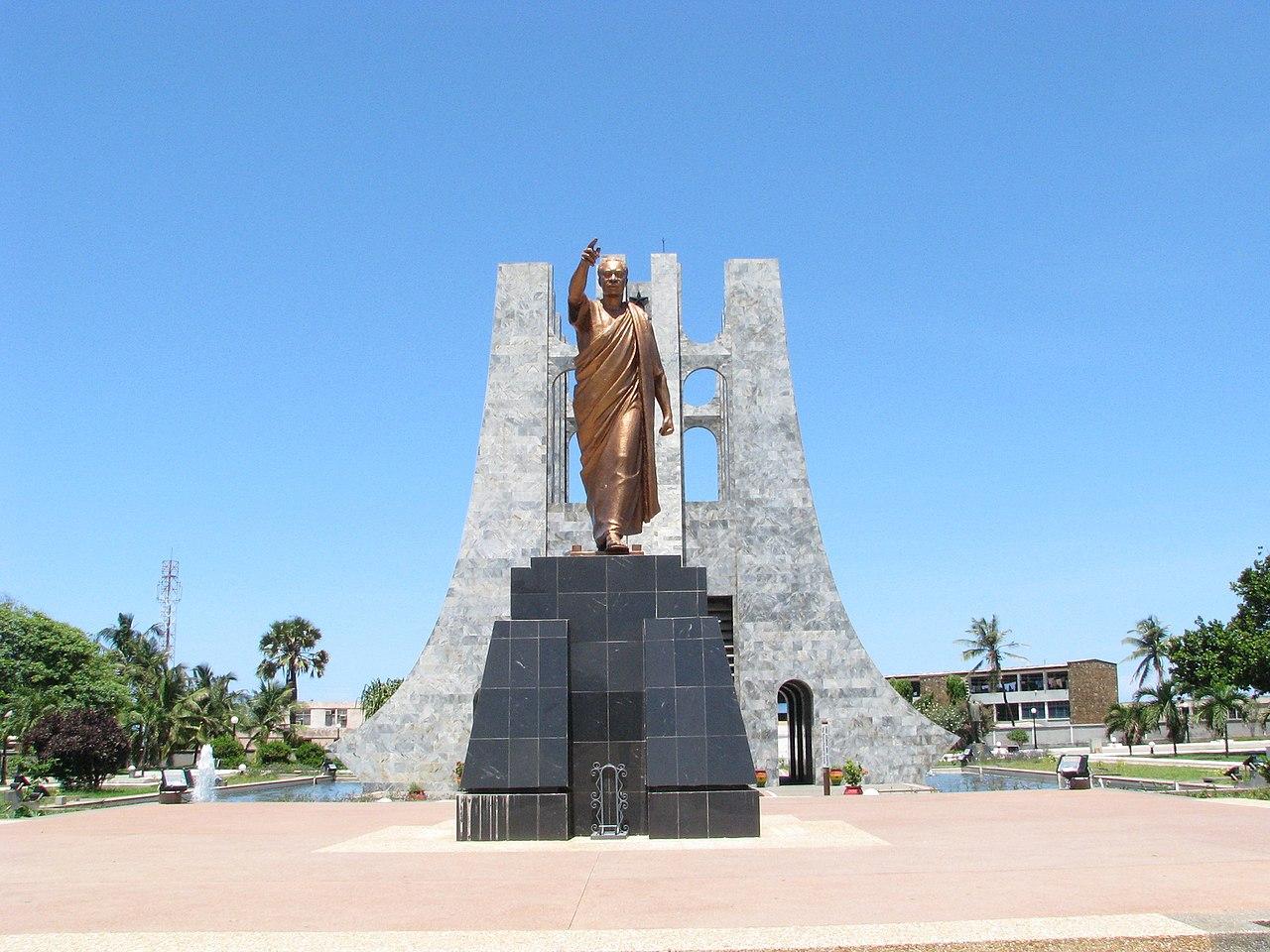
Looking beyond Independence Arch? Discover Accra for broader travel guides, local hot-spots, and regional highlights.
Explore Accra
Experience the vibrant coastal culture of Accra at Osu Beach, a lively destination offering relaxation, recreation, and authentic Ghanaian flavors in the heart of the city.
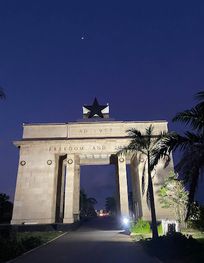
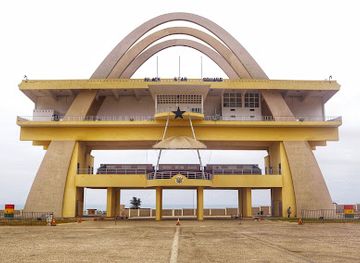
Experience the rich history of Ghana at Independence Square, a cultural landmark that showcases the spirit of freedom and national pride in Accra.