
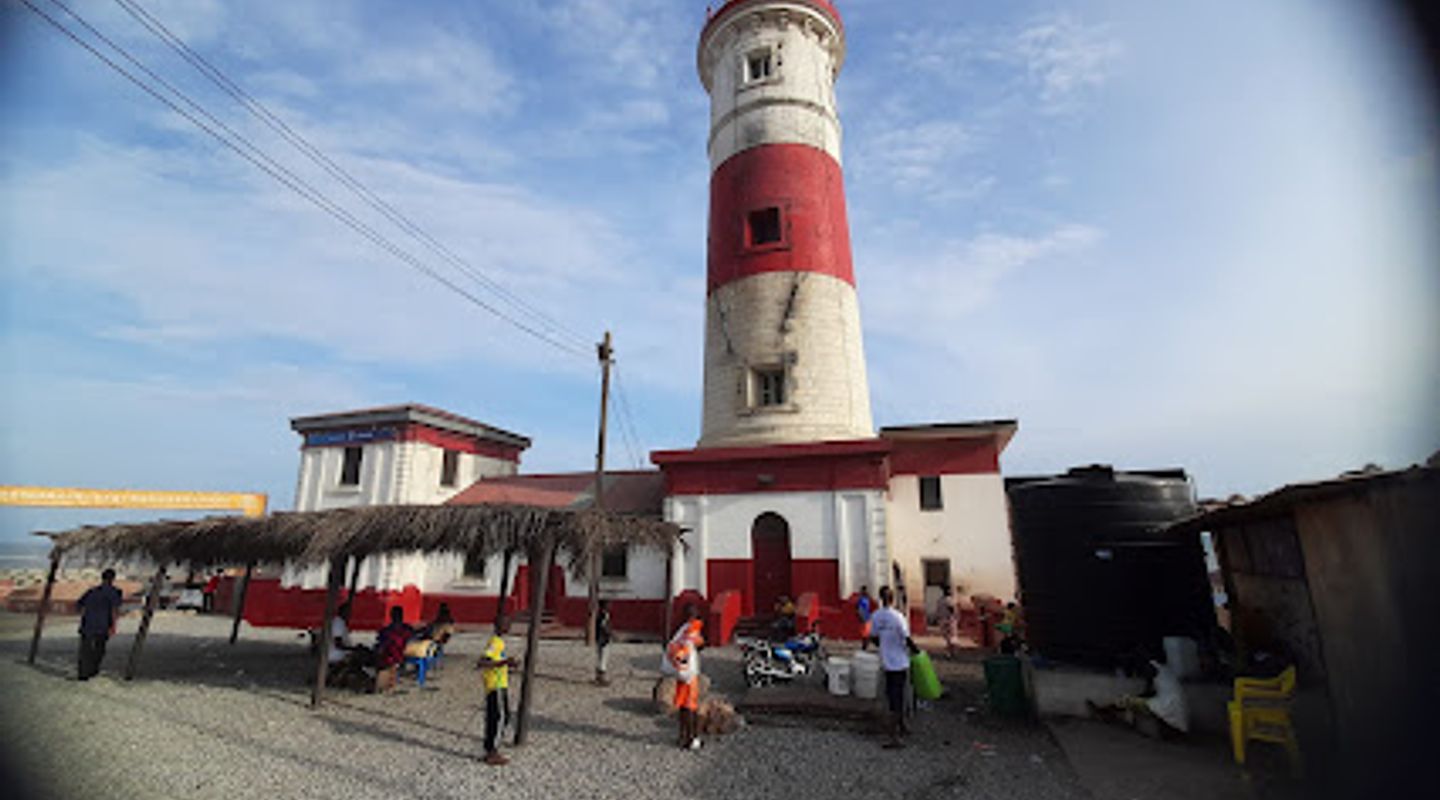
Fort James, Accra Travel Guide
Explore Fort James in Accra: A historic fortress offering a glimpse into Ghana's colonial past, the transatlantic slave trade, and the vibrant Jamestown community.
Fort James, standing proudly in Accra's Jamestown, is a poignant reminder of Ghana's colonial history and its role in the transatlantic slave trade. Built by the British in 1673, it initially served as a trading post for gold and slaves. Over the centuries, it witnessed shifts in colonial power and eventually became a prison, holding prominent figures like Kwame Nkrumah. Today, while not fully restored as a museum, its imposing structure offers a glimpse into a complex past. Visitors can explore the surrounding Jamestown neighborhood, known for its colonial architecture, vibrant street art, and bustling fishing harbor, creating a powerful contrast between history and modern urban life. A visit here provides a raw and unfiltered look at Ghana's colonial legacy, making it a must-see for those seeking a deeper understanding of Accra's heritage.
A brief summary to Fort James
- 4131 Tetteh Kpeshie Rd, Accra, Ashiedu Keteke, GH
- Monday 9 am-5 pm
- Tuesday 9 am-5 pm
- Wednesday 9 am-5 pm
- Thursday 9 am-5 pm
- Friday 9 am-5 pm
- Saturday 9 am-5 pm
- Sunday 9 am-5 pm

Know before you go
Hi, I'm Eve. Here are a few practical things to know before exploring Fort James.
- Engage with local guides for deeper insights into the fort's history and the stories of Jamestown.
- Wear comfortable shoes, as the terrain around the fort and in Jamestown can be uneven.
- Combine your visit with a trip to the nearby Jamestown Lighthouse for panoramic coastal views.
- Explore the street art and local markets in Jamestown to experience the area's vibrant culture.
- Be prepared for a somber experience, as the fort carries a heavy history related to the slave trade.
Do you manage this location?
Take control to get all the benefits, like improved information, better appearance, and stronger visibility across AI-powered discovery. Learn more about listing your business on Evendo
Activate your presenceOther nearby places you may find interesting
The closest places of the same kind, if this one is not quite what you had in mind.

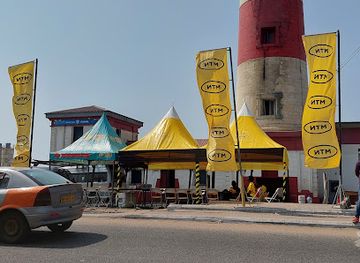
Explore Fort James on the Map
A handpicked selection of must-see spots near Fort James, mapped for you.
Unlock the Best of Fort James
Buy tickets
-
No tickets available
Book tours with entry

Book tours without entry

Getting There
-
Public Transport
From central Accra, the most convenient way to reach Fort James is by 'tro tro' (shared minibus). Look for a tro tro heading towards 'Jamestown' or 'Accra New Tema Station'. These tro tros typically pass through the Jamestown area. The fare is generally around GH₵2-5 depending on your starting point. Ask the conductor to drop you off near the Jamestown Lighthouse or Ussher Fort; Fort James is a short walk from either of these landmarks. Several bus lines also stop near James Fort Street, including 251, 283, 467, 520 and 521. From the bus stop 'Lighthouse' it is a 2 minute walk to Fort James.
-
Taxi/Ride-Share
Taxis and ride-sharing services like Uber and Bolt are readily available in Accra. A ride from central Accra to Fort James will typically cost between GH₵20-40, depending on traffic and the specific location. Be sure to negotiate the fare with the driver beforehand if taking a regular taxi. Simply enter 'Fort James' or 'Jamestown Lighthouse' as your destination in the ride-sharing app.
-
Walking
If you are already in the Jamestown area or nearby, walking to Fort James is a great option to experience the local atmosphere. From Ussher Fort, head east along High Street; Fort James will be approximately 500m further along the coast. From the Jamestown Lighthouse, Fort James is a very short walk, located directly adjacent to the lighthouse.
Discover more about Fort James













Your all‑in‑one travel companion app
Explore expert travel guides, compare and book tours, experiences, hotels, and more—all from the palm of your hand. Download now for seamless trip planning wherever your wanderlust takes you.


Explore More of Accra
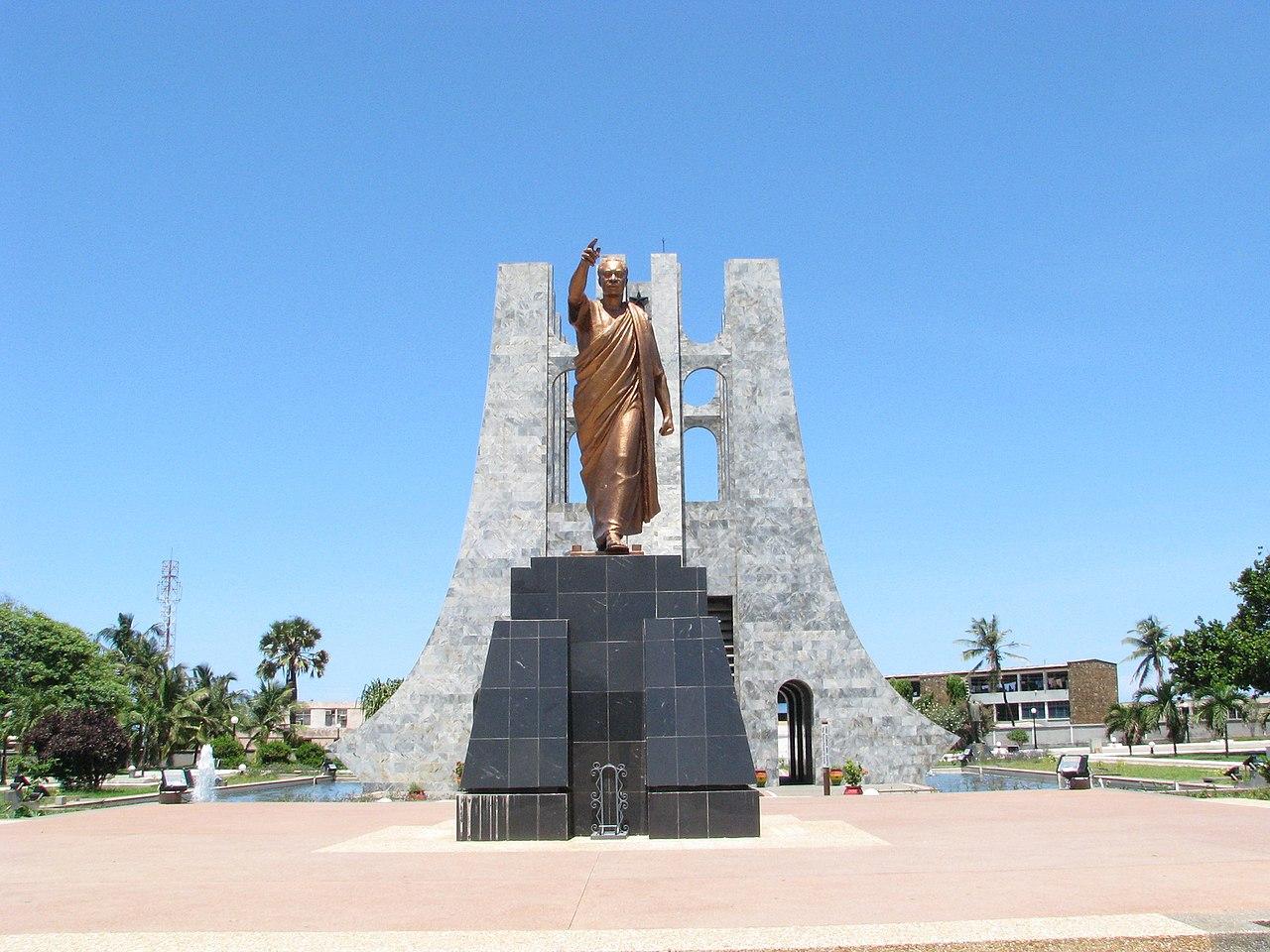
Looking beyond Fort James? Discover Accra for broader travel guides, local hot-spots, and regional highlights.
Explore Accra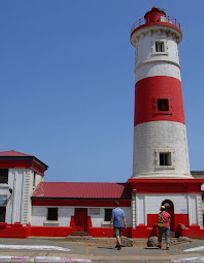
Explore the historic Jamestown Lighthouse in Accra, a captivating blend of maritime heritage and vibrant coastal culture offering stunning ocean views.

Discover Accra's maritime history at the iconic James Town Lighthouse, offering panoramic views and a glimpse into the vibrant culture of Ghana's oldest neighborhood.
