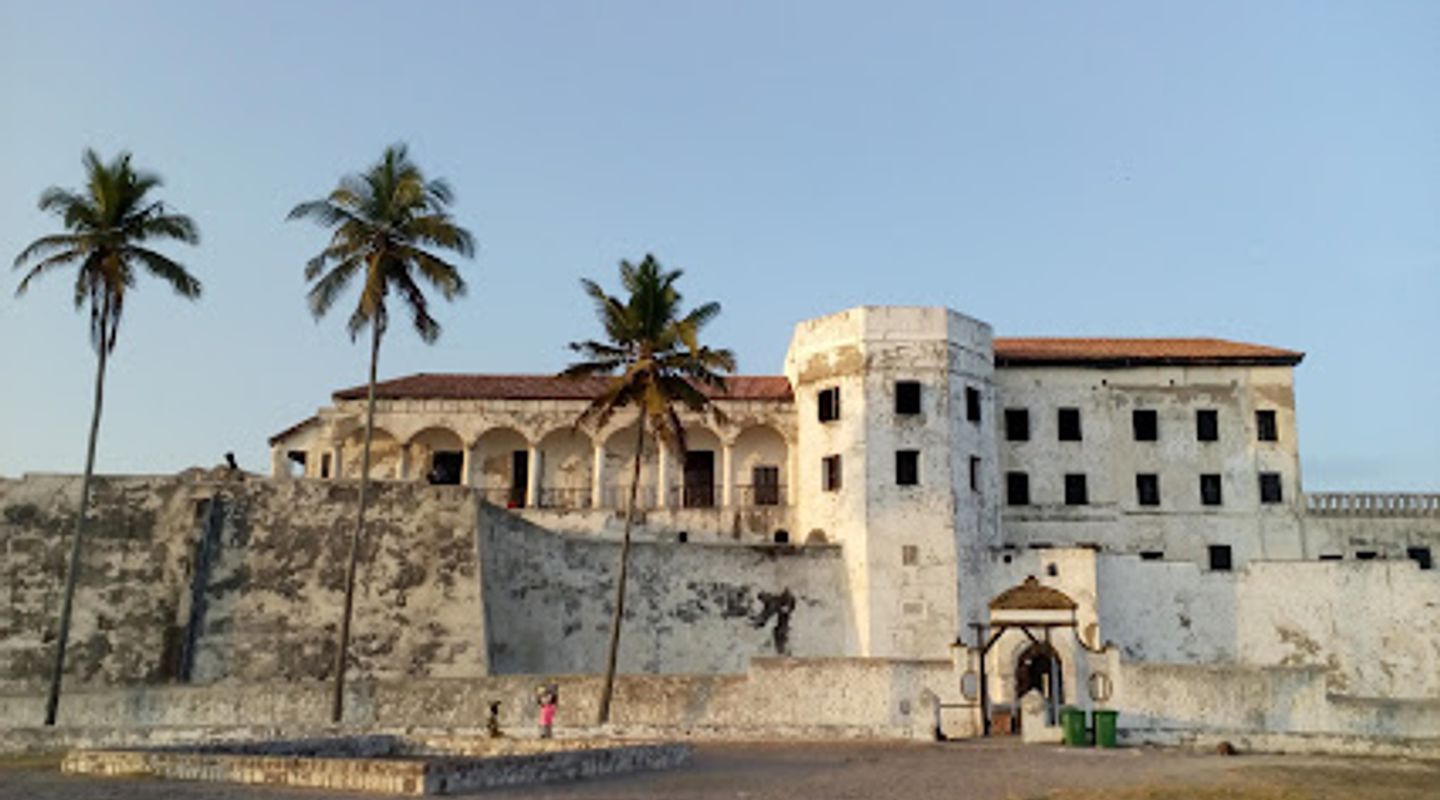
Elmina Castle, Akyem Travel Guide
Explore Elmina Castle, a UNESCO World Heritage site in Ghana, and delve into the poignant history of the transatlantic slave trade at this significant landmark on the Gold Coast.
Elmina Castle, a UNESCO World Heritage site, stands as a poignant reminder of the transatlantic slave trade and the complex history of Ghana. Built by the Portuguese in 1482 as São Jorge da Mina (St. George of the Mine), it was the first European trading post in sub-Saharan Africa, initially focused on gold. Later, it became a central hub for the horrific slave trade, controlled by the Dutch from 1637 and then the British from 1872. Today, Elmina Castle serves as a museum and a place of remembrance, offering guided tours that delve into the castle's dark past, the dungeons where enslaved Africans were held, and the 'Door of No Return,' a chilling reminder of the journey into enslavement. Visiting Elmina Castle is a powerful and emotional experience, providing invaluable insight into a dark chapter of human history and the resilience of the human spirit. The stark white walls of the castle stand in contrast to the atrocities that occurred within, making it a place of reflection and learning.
A brief summary to Elmina Castle
- 3MM2+4R3, Elmina, Original Old Town, GH
- Click to display
- Click to display
- Monday 9 am-5 pm
- Tuesday 9 am-5 pm
- Wednesday 9 am-5 pm
- Thursday 9 am-5 pm
- Friday 9 am-5 pm
- Saturday 9 am-5 pm
- Sunday 9 am-6 pm

Know before you go
Hi, I'm Eve. Here are a few practical things to know before exploring Elmina Castle.
- Hire a local guide for a more personalized and insightful tour of the castle. Their knowledge and stories can greatly enhance your experience.
- Wear comfortable shoes, as the tour involves walking on uneven surfaces and climbing stairs.
- Bring water and sunscreen, as the weather can be hot and sunny.
- Photography is allowed, but be respectful of the site and the stories it represents.
- Combine your visit with a trip to nearby Fort St. Jago for panoramic views of Elmina Castle and the coastline.
Do you manage this location?
Take control to get all the benefits, like improved information, better appearance, and stronger visibility across AI-powered discovery. Learn more about listing your business on Evendo
Activate your presenceOther nearby places you may find interesting
The closest places of the same kind, if this one is not quite what you had in mind.


Explore Elmina Castle on the Map
A handpicked selection of must-see spots near Elmina Castle, mapped for you.
Unlock the Best of Elmina Castle
Buy tickets
-
No tickets available
Book tours with entry


Getting There
-
Walking
From the center of Elmina town, Elmina Castle is easily accessible on foot. Head towards the coast, following the main road. The castle is a prominent landmark and is well-signposted. The walk takes approximately 10-15 minutes, passing through the bustling streets of Elmina, offering a glimpse into local life. Be mindful of traffic and pedestrians along the way.
-
Taxi/Ride-Share
Taxis and ride-sharing services are readily available in Elmina. A short taxi ride from anywhere in the town center to Elmina Castle should cost approximately 5-10 GH₵. Be sure to negotiate the fare before starting your journey. The ride is quick and convenient, taking only a few minutes.
-
Public Transport
If arriving in Elmina by 'tro-tro' (shared minibus), disembark at the Elmina main station. From there, the castle is a short walk or a quick taxi ride away. The walk is approximately 15 minutes, and a taxi should cost around 5 GH₵. Tro-tros are a cost-effective way to travel, but be prepared for a potentially crowded ride.
Discover more about Elmina Castle













Your all‑in‑one travel companion app
Explore expert travel guides, compare and book tours, experiences, hotels, and more—all from the palm of your hand. Download now for seamless trip planning wherever your wanderlust takes you.


Explore More of Akyem

Looking beyond Elmina Castle? Discover Akyem for broader travel guides, local hot-spots, and regional highlights.
Explore Akyem
Experience the charm of Elmina at Coconut Grove Bridgehouse, where comfort meets cultural richness in a stunning coastal setting.

Discover the stunning coastline and rich history of Elmina through an unforgettable boat cruise experience, perfect for tourists seeking adventure and culture.