Background

Fort Prinzenstein: A Coastal Relic of the Slave Trade

Explore Fort Prinzenstein in Keta, Ghana: A poignant UNESCO World Heritage Site and a haunting reminder of the transatlantic slave trade, shaped by history and coastal erosion.

★★★★★3.9 (392)

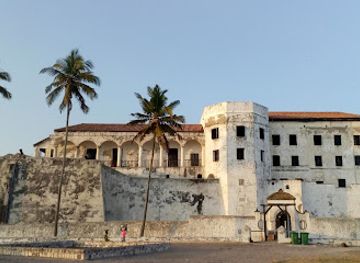
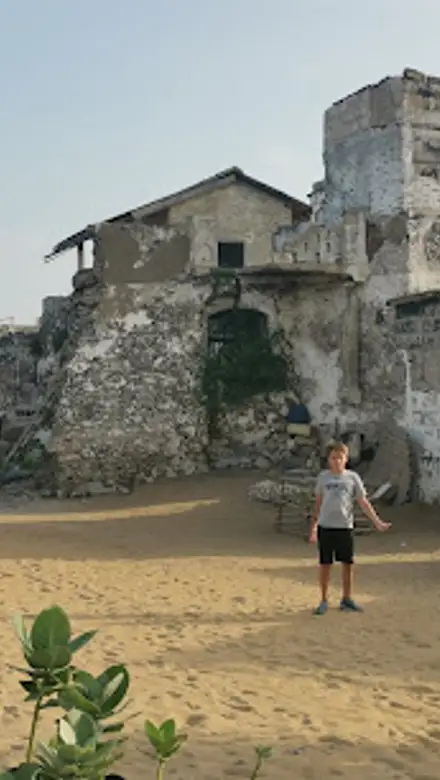
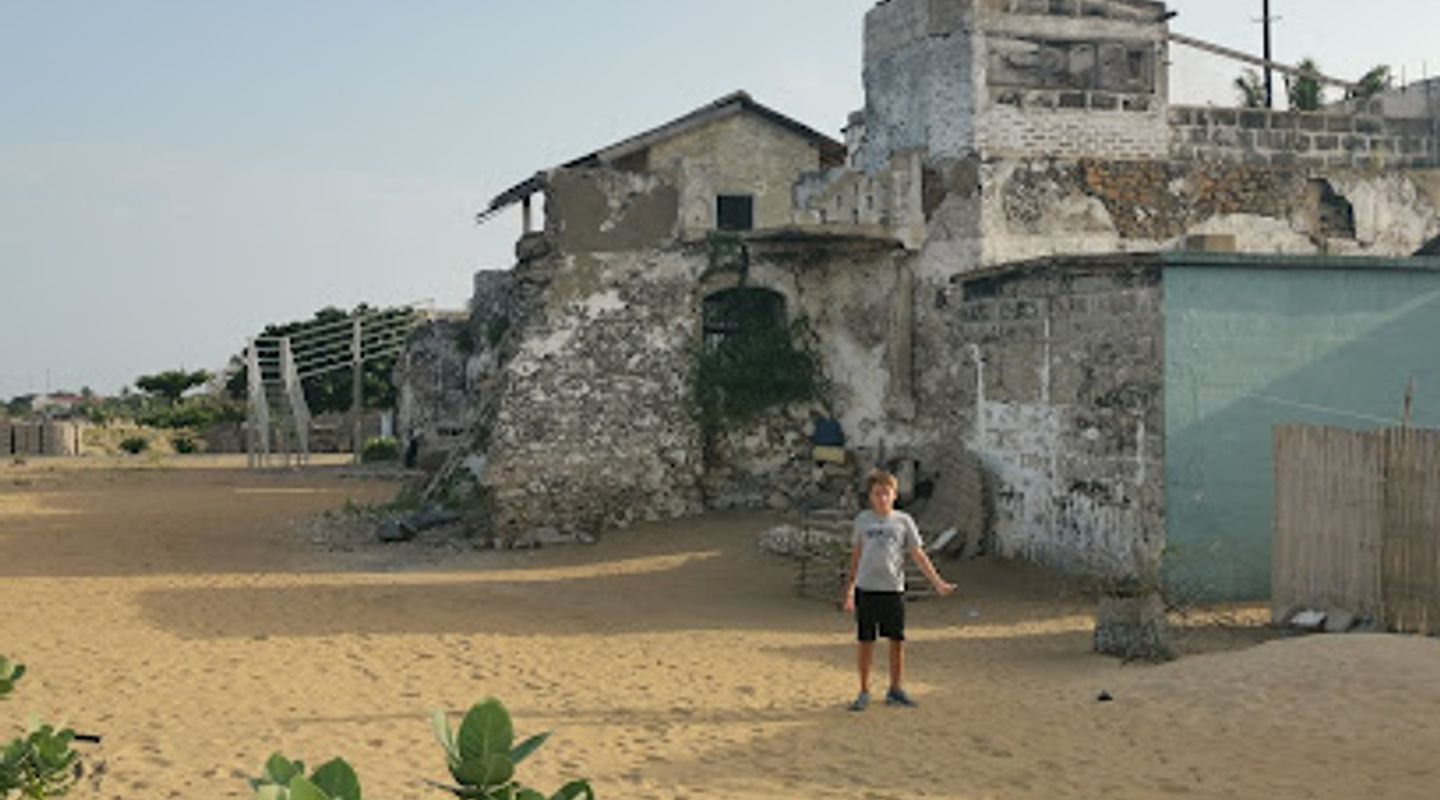
Fort Prinzenstein, standing on the coast of Keta, Ghana, is a poignant reminder of the transatlantic slave trade. Built by the Danish in 1784, it served as a defensive structure and a crucial point in the trade of enslaved Africans, gold, and ivory. Over the centuries, the fort has faced the relentless forces of the Atlantic, with significant portions lost to coastal erosion. Today, the ruins offer a glimpse into a dark chapter of history, inviting reflection on the past and the resilience of the human spirit. Visitors can explore the remnants of dungeons and imagine the lives of those who were forcibly held within its walls. Despite its state of disrepair, Fort Prinzenstein remains a significant historical landmark and a UNESCO World Heritage Site, drawing tourists and history enthusiasts alike. The fort is open daily from 6 AM to 6 PM.

Plan your visit

A brief summary to Fort Prinzenstein, Keta

Opening times, essentials, and a few local tips gathered into one calmer, easier-to-scan planning section.

Plan your visit

📍
Keta Market Rd, Keta, GH
Monday
6 am-6 pm
Tuesday
6 am-6 pm
Wednesday
6 am-6 pm
Thursday
6 am-6 pm
Friday
6 am-6 pm
Saturday
6 am-6 pm
Sunday
6 am-6 pm

Explore places near Fort Prinzenstein, Keta

    See all →

    Unlock the Best of Fort Prinzenstein, Keta

    Find tickets, tours with entry, and experiences available for this location.

    Buy tickets

    No tickets available

    Book tours with entry

    No tours with entry available

    Book tours without entry

    No tours without entry available

    Getting There

    Walking

    From anywhere in central Keta, Fort Prinzenstein is easily accessible on foot. Orient yourself towards the coast; the fort is located on Keta Market Road, near the beach. Walking from the Keta Market area takes approximately 10-15 minutes. There are no specific costs associated with walking.

    Taxi/Ride-Share

    Taxis and ride-sharing services are readily available in Keta. A short taxi ride from anywhere in the town center to Fort Prinzenstein should cost approximately GH₵5-GH₵10. Be sure to negotiate the fare before starting your journey. Ask the driver to take you to 'Fort Prinzenstein on Keta Market Road'.

    Public Transport

    Trotros (minibuses) are a common form of transport in Keta. Look for a trotro heading towards the beach or the Keta Market area. Alight at any stop near the market and walk towards the coast to find the fort. Trotro fares are typically around GH₵2-GH₵5 for a short trip within Keta.

    Local tips

    Hire a local guide for a more in-depth understanding of the fort's history and the transatlantic slave trade.
    Wear sturdy shoes as the grounds are uneven and some areas may be unstable due to coastal erosion.
    Combine your visit with a tour of Keta to experience the local Ewe culture and explore other nearby attractions.

    Discover more about Fort Prinzenstein, Keta

    Fort Prinzenstein, located in Keta, in the Volta Region of Ghana, stands as a haunting reminder of the transatlantic slave trade. Erected by the Danish in 1784, its primary purpose was to protect Danish trade interests along the Gold Coast, which included gold, ivory, and, most significantly, enslaved Africans. The fort's name, 'Prinzenstein,' translates to 'Prince's Stone,' honoring a Danish Crown Prince. Originally, the Danish established a trading post in Keta in 1714. However, control shifted when the Dutch seized the post in 1719, constructing Fort Singelenburgh in 1734. The Dutch abandoned the fort in 1737, paving the way for the Danes to re-establish their presence. Fort Prinzenstein, as it stands today, was built with stone transported from Accra and designed to defend against rival colonial powers. It was one of four major Danish structures in Ghana. Throughout its history, Fort Prinzenstein served multiple roles, including a prison, a storage facility, a military base, and an administrative center for the Danes. It was a transit point for slaves brought from Accra, Northern Volta, Togo, and Dahomey (Benin). These individuals were marched to slave markets in Keta and Atorkor before being held at the fort. Here, they underwent brutal physical examinations by medical experts and were branded with hot irons bearing the company's mark. The fort's strategic location between the sea and a lagoon made it a key site for the transatlantic slave trade. Enslaved Africans were shipped across the Atlantic, primarily to the Danish-Norwegian islands in the Caribbean, such as St. Croix, St. Thomas, and St. John. In exchange, the fort received goods like muskets, brandy, iron rods, textiles, and cowrie shells. Over the centuries, Fort Prinzenstein has faced significant challenges, primarily from coastal erosion. The fort stands on a reef of soft rock, making it vulnerable to the sea's relentless forces. In 1993, more than half of the fort was washed away by the sea. Despite these challenges, efforts have been made to preserve what remains. In 1979, it was designated a UNESCO World Heritage Site, recognizing its historical significance. Today, visitors to Fort Prinzenstein can explore the remnants of its structures, including dungeons, outer walls, and cannons. The site offers a somber yet educational experience, providing insight into the history of the slave trade and its impact on the region. The ghostly silence within the fort contrasts sharply with the bustling activity that once filled its corridors, creating a powerful and reflective atmosphere. While the fort is not in pristine condition, it remains an important historical and cultural landmark. It serves as a testament to Ghana's colonial past and the resilience of its people. Local efforts to preserve and document the site ensure that its history is not forgotten. The fort also stands as a reminder of the ongoing battle against coastal erosion and the importance of historical preservation. Visiting Fort Prinzenstein offers a unique perspective on Ghana's history. It is a place of memory, reminding visitors of the atrocities of the past while highlighting the need to acknowledge and confront these events. The fort's crumbling structures and the vast expanse of the Atlantic Ocean create a poignant backdrop for reflection on the legacy of the transatlantic slave trade. Though much of the fort has been lost to the sea, the remaining ruins offer a powerful and emotional experience. Visitors can walk through the dungeons where enslaved Africans were held captive, peer out at the ocean that once carried ships filled with human cargo, and reflect on the human suffering and exploitation that took place within its walls. Fort Prinzenstein is more than just a historical site; it is a place of remembrance and education. It serves as a reminder of the importance of preserving history and honoring the resilience and strength of those who endured unimaginable hardships. A visit to Fort Prinzenstein is a journey back in time, offering a glimpse into a dark chapter of history that cannot be ignored. The fort is open to the public daily, and a small entrance fee is typically charged. Guided tours are available to provide deeper insights into the fort's history and significance. Comfortable shoes are recommended, as some parts of the ruins can be unstable. Visitors are encouraged to take time to explore Keta, a town known for its rich Ewe culture and beautiful coastal scenery. Despite its tragic history and crumbling state, Fort Prinzenstein remains a significant landmark in Ghana. It stands as a testament to the country's colonial past and the ongoing efforts to preserve its cultural heritage. A visit to Fort Prinzenstein is an educational and emotional experience, offering a unique perspective on Ghana's history and the transatlantic slave trade.
    Mobile App
    Get the app

    Your all‑in‑one travel companion app

    Explore expert travel guides, compare and book tours, experiences, hotels, and more—all from the palm of your hand. Download now for seamless trip planning wherever your wanderlust takes you.

    Gold Coast (British colony) - Wikipedia

    More about Akyem

    Explore Akyem in Ghana: A hidden gem offering lush landscapes, rich cultural heritage, and historical wonders. Perfect for eco-tourism and cultural immersion.

    Tell me more about Akyem

    Select Currency

    Choose the currency you want prices to display in.