Background

Larabanga Mosque: A Journey Through Time and Faith

Discover the mystical Larabanga Mosque, West Africa's oldest and most sacred site, a symbol of faith, resilience, and cultural identity nestled in Ghana's Savannah Region near Mole National Park.

4.2
Find your perfect hotel, anywhere in the world.

When's your trip?

Who's coming?

Adult (18-90)
Min: 1 Max: 6
Add a child
At least one participant is required. Please adjust and try again.

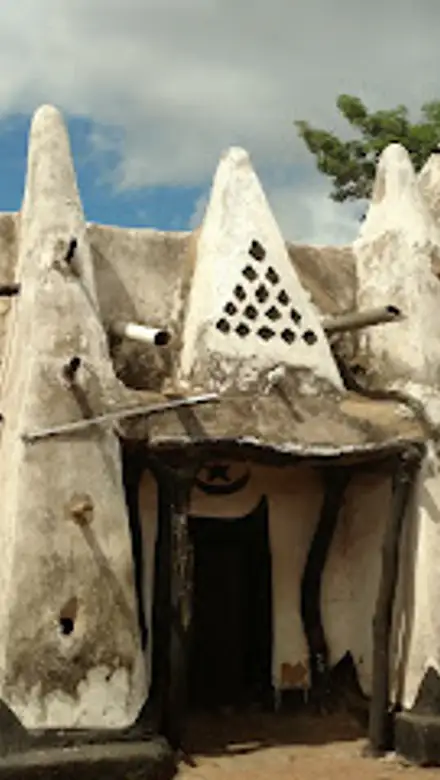
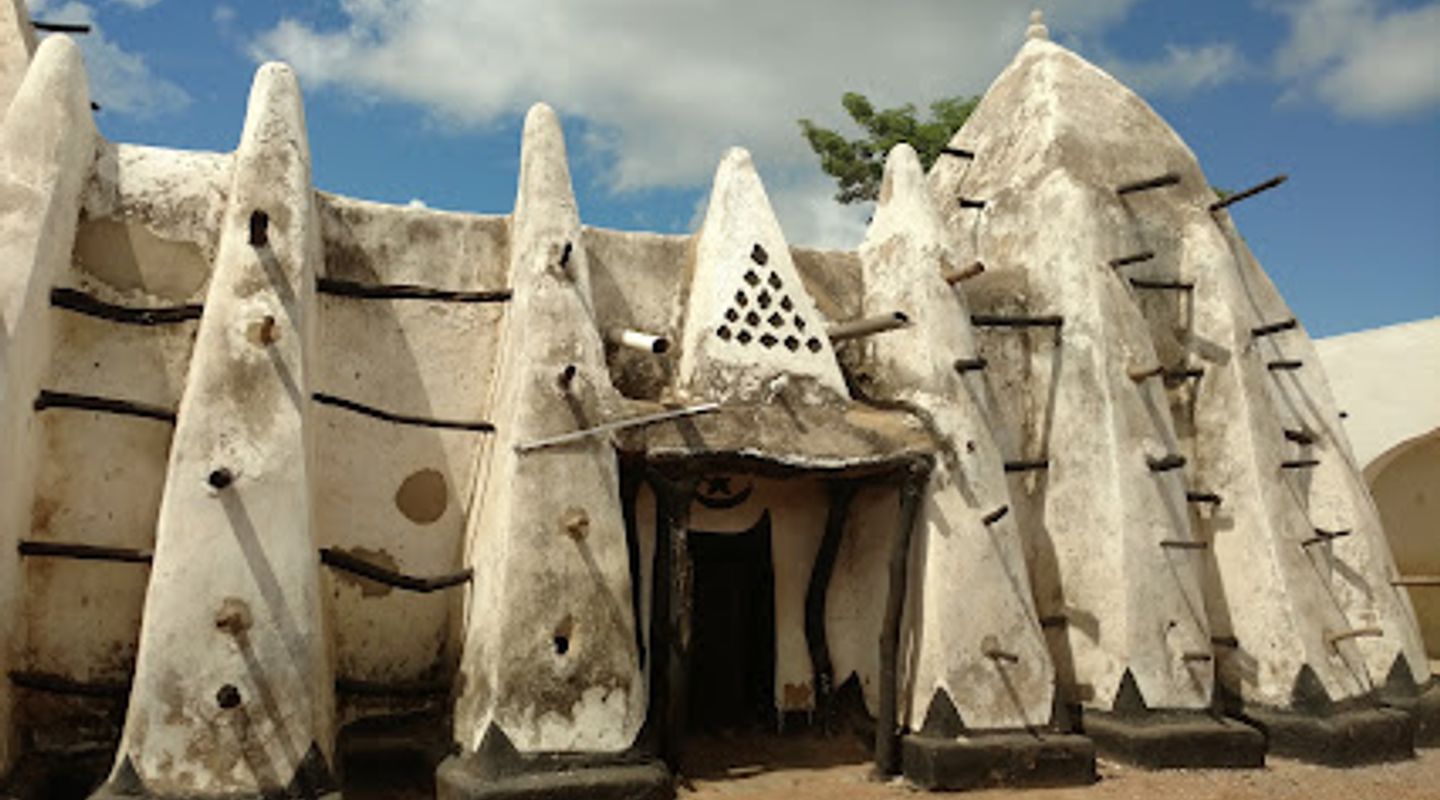
The Larabanga Mosque, revered as the oldest mosque in Ghana and one of the oldest in West Africa, offers a captivating glimpse into the region's rich Islamic heritage. Dating back to 1421, this sacred site, often called the 'Mecca of West Africa,' stands as a testament to faith, resilience, and cultural identity. Built in the Sudanese-Sahelian architectural style with mud and reeds, the mosque's unique design features two pyramidal towers, twelve conical buttresses, and horizontally aligned timber elements. Visitors can explore the mosque's simple yet sacred interior, observe local customs, and learn about its fascinating history, including the legend of its founding by an Islamic trader named Ayuba and the miraculous arrival of an ancient Quran. Located near Mole National Park, a visit to Larabanga Mosque promises a spiritually and culturally enriching experience.

A brief summary to Larabanga Mosque

Local tips

  • Dress modestly when visiting the mosque to respect local customs and traditions.
  • Engage a local guide for a deeper understanding of the mosque's history and cultural significance.
  • Combine your visit with a trip to Mole National Park for a wildlife safari experience.
  • Visit the mosque early in the morning or late in the afternoon for the best lighting for photography.
  • Explore the nearby village to experience the local culture and interact with the friendly community.
widget icon

Getting There

  • Walking

    From anywhere in the small town of Larabanga, the mosque is easily accessible on foot. As you walk towards the center of town, look for the distinctive whitewashed structure with its pyramidal towers. The mosque is located on 34 Sawla-Damongo Rd, and is a short walk from most points in the village. The walk provides an opportunity to observe local life and appreciate the surroundings.

  • Taxi/Ride-Share

    If arriving in Larabanga via a Tro Tro (shared minibus) from Damongo or Tamale, you can easily hire a motorbike taxi (Okada) for the final short distance to the mosque. Negotiate the fare beforehand, typically around GH₵10-GH₵15. The driver will take you directly to the mosque entrance. This is a quick and convenient option, especially if you have luggage.

Unlock the Best of Larabanga Mosque

Buy tickets

    No tickets available

Book tours with entry

    No tours available

Book tours without entry

    No tours available

Discover more about Larabanga Mosque

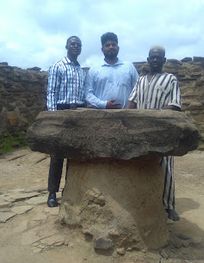
Nestled in the heart of Larabanga, a small town in Ghana's Savannah Region, lies the Larabanga Mosque, a historical and spiritual treasure that beckons travelers seeking an authentic cultural experience. As the oldest mosque in Ghana and one of the most revered in West Africa, this sacred site stands as a testament to the enduring legacy of Islam in the region. Often referred to as the 'Mecca of West Africa,' the Larabanga Mosque is not merely a place of worship but a symbol of faith, resilience, and cultural identity. The history of the Larabanga Mosque is shrouded in legend and mystique. According to local tradition, the mosque was founded in 1421 by Ayuba, an Islamic trader who had a divine dream while resting near a 'Mystic Stone.' In the dream, Ayuba was instructed to build a mosque at the site. Upon waking, he was astonished to find that the mosque's foundation had miraculously appeared. Ayuba completed the mosque, and it has stood as a sacred site ever since. Over the centuries, the Larabanga Mosque has witnessed numerous significant events. In 1650, it is believed that an ancient Quran descended from heaven as a divine gift to the Imam at the time, Yidan Barimah Bramah, in response to his devout prayers. This Quran remains a cherished relic, symbolizing faith and divine favor. The mosque has also endured periods of deterioration and restoration, including a flawed attempt in the 1970s that used cement, causing structural damage. However, with support from the World Monuments Fund and local artisans, the mosque was restored using traditional adobe techniques, preserving its authenticity and reviving local knowledge of adobe construction. The Larabanga Mosque is an outstanding example of Sudanese-Sahelian architecture, a style characterized by its use of natural materials and distinctive design elements. The mosque is built from adobe, a traditional material made from earth mixed with water and organic materials like straw. This technique, combined with the mosque's whitewashed exterior, gives Larabanga its iconic appearance. The mosque's design features two pyramidal towers, one for the mihrab facing Mecca and the other as a minaret, along with twelve conical buttresses that support the structure. Horizontally aligned timber beams provide additional strength and stability. Visiting the Larabanga Mosque is a deeply spiritual and culturally enriching experience. As you approach the mosque, you'll be struck by its striking whitewashed walls and the unique architecture that has stood the test of time. Inside, the mosque's simple yet sacred interior offers a place for quiet reflection and prayer. It's important to observe local customs and dress modestly when visiting the mosque. Guided tours are available, offering insights into the mosque's history, architecture, and cultural significance. The mosque is not just a historical building; it is a living symbol of Islam's deep roots in West Africa. As a pilgrimage site, it draws visitors from across the region who come to pray, seek spiritual guidance, and connect with a centuries-old tradition. The mosque's influence extends beyond its walls, playing a crucial role in the cultural and religious life of the Larabanga community and the broader Islamic world in West Africa. The Larabanga Mosque is more than just an architectural marvel; it is a symbol of Ghana's rich cultural and religious heritage. Whether you are a history enthusiast, an architecture lover, or a spiritual seeker, the mosque offers a unique and deeply meaningful experience. Its centuries-old walls tell stories of faith, resilience, and community, making it a must-visit destination for anyone exploring West Africa. Beyond the mosque itself, Larabanga offers a glimpse into traditional Ghanaian life. Community-trained guides offer walking tours through the village center, providing insights into the local's history and daily life. Visitors can witness local commercial activity, such as milling operations and shea-butter production. Larabanga is also a great point of departure to see numerous other sights in this part of Ghana. Just a short distance from the mosque is Mole National Park, Ghana's largest wildlife reserve, where you can embark on a safari to see elephants, antelope, and a variety of bird species. The Mystic Stone, another site of spiritual significance, is also nearby. For those interested in extending their trip, Damongo and other nearby towns offer a glimpse into the local way of life, with opportunities to experience traditional markets, crafts, and cuisine. The Larabanga Mosque stands as a beacon of history, faith, and cultural pride. Its enduring presence and spiritual significance make it a compelling destination for travelers seeking to connect with Ghana's rich heritage and experience the warmth of its people.

Popular Experiences near Larabanga Mosque

Popular Hotels near Larabanga Mosque

Select Currency