

Axim Travel Guide - Free Web & App
Your ultimate guide to Axim. Discover top landmarks, proposed trips, and local tips. Free on the web or via the Evendo companion app.


Axim, Ghana combines Atlantic beaches, Fort San Antonio, Nzema culture and access to the historic, scenic western coast near the Ankobra River.
Coastal Setting
Axim is a historic coastal town in Ghana’s Western Region, standing where the Atlantic shoreline meets the lower Ankobra River landscape. It is part of the Nzema cultural area, a region known for fishing communities, oil-palm country, broad sandy beaches and a long connection with coastal trade. Axim’s atmosphere is more spacious and unhurried than that of Ghana’s larger coastal cities, with working canoes, roadside food stalls and low-rise neighbourhoods spread between tropical vegetation and the sea.Read more about Axim
History and Heritage
Exploring the Area
When is the best time to visit Axim?
Best: July–September · 31°C| Month | High (°C) | Rainfall (mm) |
|---|---|---|
| January | 31 | 2 |
| February | 32 | 2 |
| March | 32 | 3 |
| April | 32 | 4 |
| May | 32 | 4 |
| June | 31 | 5 |
| July (best) | 31 | 5 |
| August (best) | 31 | 5 |
| September (best) | 31 | 5 |
| October | 31 | 4 |
| November | 31 | 3 |
| December | 31 | 2 |
Getting to and around Axim
How to get there
Transportation
Best attractions in Axim
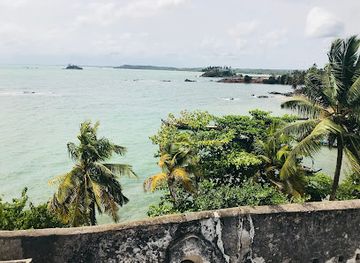
Fort San Antonio is Axim’s principal attraction, occupying a rocky coastal position above the Ankobra estuary and offering a direct encounter with the town’s Portuguese and Dutch history. The surrounding shoreline provides broad views of the Atlantic, working fishing activity and long stretches of beach, although swimming conditions should be assessed locally rather than assumed. Within and around Axim, visitors can explore the river-influenced coastal landscape, tropical vegetation and settlements of the Nzema region, where everyday life remains closely connected with fishing and farming. The town also provides access to the wider western coast, including rural beaches and heritage landscapes reached by road. Nzulezu, the well-known stilt settlement on Lake Tadane, lies near Beyin farther west and is a separate excursion rather than an attraction inside Axim. The route towards it adds wetlands, waterways and village scenery to a broader exploration of Ghana’s western littoral.
-
Fortress
Forte de Santo António de Axim | TortoisePath.com
Explore the rich history of the Forte de Santo Antônio de Axim, a stunning fortress steeped in Ghana's colonial past and overlooking the Atlantic coast.
-
Park
Red park
Discover the serene beauty of Red Park in Axim, where lush greenery and tranquility create the perfect escape for every traveler.
Best landmarks in Axim
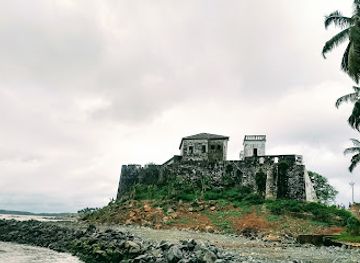
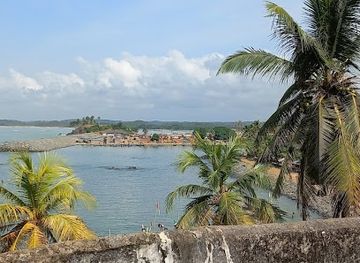
Fort San Antonio is Axim’s defining landmark, a fortified Portuguese foundation later held by the Dutch on a promontory overlooking the Ankobra estuary. Its walls and elevated position connect the town with the wider history of European trading forts along Ghana’s coast, including the Atlantic slave trade and commerce in gold and other goods. The Ankobra estuary itself is an important geographical feature, joining river and sea at the edge of the town and helping explain Axim’s historic value as a coastal trading point. The Atlantic shoreline, fishing beaches and rocky coastal approaches form the area’s principal natural landmarks, while the wider Nzema landscape adds palms, forested areas and rural waterways. Nzulezu’s stilt settlement is a notable nearby cultural landmark reached from Beyin, but it should be treated as an excursion beyond Axim rather than as part of the town’s immediate landmark group.
-
Fortress
Forte de Santo António de Axim | TortoisePath.com
Explore the historic Fort Santo António de Axim in Ghana, a coastal fortress with centuries of maritime history, offering stunning views and a glimpse into the colonial past.
-
Historical landmark
Fort Anthonio
Explore Fort Anthonio in Axim, Ghana: A historic coastal fort offering a glimpse into the Gold Coast's colonial past, trade, and stunning Atlantic views.
Explore Axim on the map
Plan your trip on one map. See where the top attractions, landmarks, restaurants and hotels are, and book hotels and experiences in a few clicks.
Best hotels in Axim
Best restaurants in Axim
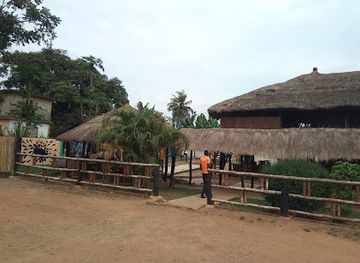
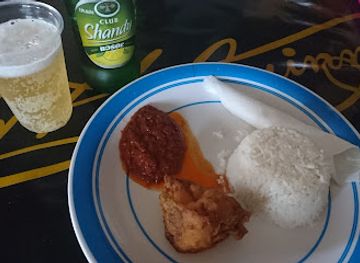
Dining in Axim is centred on local Ghanaian cooking rather than a large restaurant scene. Small eateries, chop bars, roadside vendors and food stalls serve staples such as rice dishes, fried plantain, beans, soups and stews, often accompanied by fish from the coastal fishing economy. Fresh seafood may be available according to landings and season, but visitors should treat menus and supply as variable rather than guaranteed. In town and at established accommodation, meals can sometimes be arranged in advance, while larger selections are more likely in regional centres such as Takoradi. The culinary character is shaped by the coast and by Nzema food traditions, with chilli, cassava, plantain, palm-related products and other locally familiar ingredients appearing in everyday meals. Carrying snacks and water is sensible when travelling to beaches, rural settlements or attractions beyond Axim.
-
Grill
Zanzibar
Experience mouth-watering grilled dishes at Zanzibar in Axim while enjoying stunning coastal views and a vibrant atmosphere.
-
Restaurant
Red Apple
Experience authentic Ghanaian cuisine at Red Apple in Axim – where every bite tells a story of flavor and culture.
-
Restaurant
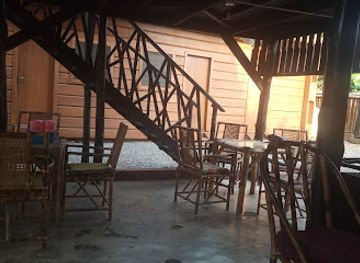
Beachcomber Bar and Restaurant
Experience delicious local cuisine and breathtaking ocean views at Beachcomber Bar and Restaurant in Axim – where every meal is a seaside celebration.
-
Western
Ebenezer
Discover culinary delights at Ebenezer, Axim's premier Western restaurant blending local flavors with international cuisine.
Best bars in Axim
Axim has a quiet evening scene built around local drinking spots, small bars, hotel lounges and informal social gathering places rather than nightclubs or a concentrated entertainment district. Evenings may include Ghanaian music, conversation and football in neighbourhood venues, while some accommodation providers offer a more relaxed setting for guests. Trading hours and entertainment can be informal and changeable, so visitors should not expect a fixed programme of live performances. The town’s coastal setting is better suited to an early dinner, a sunset near the shoreline where conditions permit, or a sociable drink than to late-night activity. Those seeking a wider choice of bars, clubs and organised entertainment are more likely to find it in Takoradi, outside Axim and requiring planned transport for the return journey.
-
 Hotel
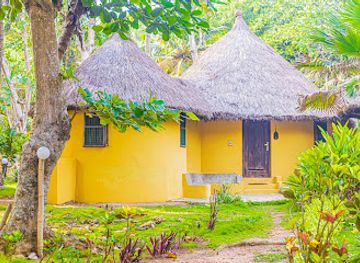
Axim Beach Resort And Spa
Experience luxury and tranquility at Axim Beach Resort and Spa, the perfect getaway for relaxation and adventure in Ghana.
-
Hotel
Ankobra Beach Resort
Experience the breathtaking beauty and rich culture at Ankobra Beach Resort, a premier destination on Ghana's stunning coastline.
-
Grill
Zanzibar
Discover the vibrant culinary scene of Zanzibar in Axim, where delicious grilled dishes meet local charm for an unforgettable dining experience.
-
Restaurant
Red Apple
Discover the flavors of Ghana at Red Apple, Axim's charming restaurant offering delicious local cuisine in a warm and welcoming atmosphere.
Best nightclubs in Axim
Axim has a quiet evening scene built around local drinking spots, small bars, hotel lounges and informal social gathering places rather than nightclubs or a concentrated entertainment district. Evenings may include Ghanaian music, conversation and football in neighbourhood venues, while some accommodation providers offer a more relaxed setting for guests. Trading hours and entertainment can be informal and changeable, so visitors should not expect a fixed programme of live performances. The town’s coastal setting is better suited to an early dinner, a sunset near the shoreline where conditions permit, or a sociable drink than to late-night activity. Those seeking a wider choice of bars, clubs and organised entertainment are more likely to find it in Takoradi, outside Axim and requiring planned transport for the return journey.
-
Hotel
Axim Beach Resort And Spa
Discover the perfect blend of luxury and nature at Axim Beach Resort and Spa, where stunning views and ultimate relaxation await you.
-
Hotel
Axim beach resort
Experience the beauty and tranquility of Axim Beach Resort, a serene escape along Ghana's stunning coastline, ideal for relaxation and adventure.
-
Bar
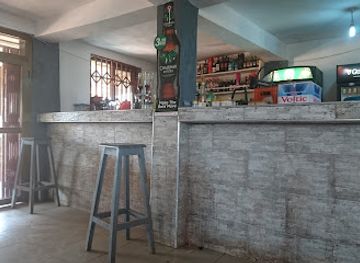
Bar
Experience the vibrant nightlife of Axim at this lively bar, where locals and tourists gather for refreshing drinks and unforgettable moments.
-
Event planner
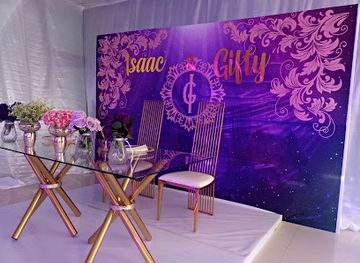
Axim
Experience the vibrant event planning scene in Axim, Ghana, where scenic beaches meet rich cultural heritage for unforgettable celebrations.
Best shops in Axim
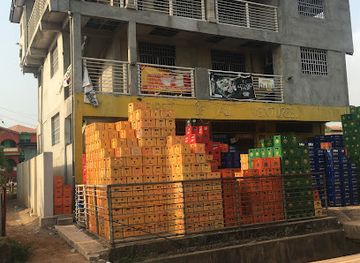
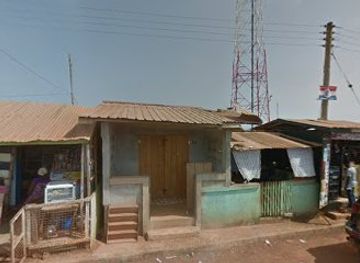
Shopping in Axim is modest and practical, with small provision shops, market stalls and informal vendors serving local residents and travellers. Visitors may find fresh produce, snacks, drinks, household goods, clothing and locally prepared foods, while fish and other coastal products are connected to the town’s working economy rather than presented as a formal tourist market. Regional craft items and Ghanaian textiles may be available through local sellers, but stock and retail locations are not fixed in the way they are in larger cities. Axim is therefore better for observing everyday coastal commerce and buying useful supplies than for extensive souvenir shopping. Travellers wanting a broader choice of supermarkets, specialist shops, galleries or market goods should plan to shop in Takoradi or another larger regional centre before heading deeper into the western coastal area.
-
Hotel
Axim Beach Resort And Spa
Discover the serene beauty of Axim Beach Resort and Spa, a perfect coastal escape in Ghana for relaxation and cultural exploration.
-
Shopping mall
First Of All Ventures
Discover a vibrant shopping experience at First Of All Ventures in Axim, where local culture meets modern retail therapy.
-
Mobile phone repair shop
DESMOND IPHONE SHOP VENTURE
Expert mobile phone repair in Axim, Ghana. Your reliable tech support hub for all device needs during your travels.
-
Pen store
FransLee Enterprise
Discover an exquisite range of pens at FransLee Enterprise in Axim, Ghana, perfect for collectors and writing enthusiasts alike.
Get your free copy of our complete guide to Axim, delivered straight to you.
Everything on this page, from attractions and restaurants to essentials and local phrases, in one PDF you can read offline, print or share.
Already have an account? Sign in
Your Axim guide is ready.
We'll send it to · Not you? Sign out

Getting your guide ready…
We are putting together a fresh copy of the Axim guide. This can take up to a minute.
This can take a few moments. If your browser asks, choose Allow so the download can start. You'll find the guide in your Downloads folder.
Nothing happened? Download it again
Sorry, the guide is taking longer than usual. Please try again in a minute, or get it by email instead.
Axim essentials
Currency and Payment
Safety
Emergency Situations
Do's and Don'ts
Local Tips
From Eve
Local phrases worth knowing
You don't need to get them perfect. A few words go a long way, and locals appreciate the effort.
Basics
| English | Local | Say it |
|---|---|---|
| Hello | Maakyɛ | [Mah-ch-yeah] |
| Goodbye | Da yie | [Dah yee-eh] |
| Yes | Aane | [Ah-neh] |
| No | Dabi | [Dah-bee] |
| Please/You're welcome | Mesrɛ | [Meh-sreh] |
| Thank you | Medaase | [Meh-dah-say] |
| Excuse me/Sorry | Ɔyiwaladɛ | [Oh-yee-wah-lah-deh] |
| How are you? | Ɛte sɛn? | [Eh-teh sen] |
| Fine. And you? | Ɔk | [Oh-kay] |
| Do you speak English? | Wo nnya ɛnglish? | [Woh nyah ehng-lish] |
| I don't understand | Mente aseɛ | [Men-teh ah-say] |
Eating & Drinking
| English | Local | Say it |
|---|---|---|
| I'd like to see the menu, please | Mepɛ sɛ meka menyu, mesrɛ | [Meh-peh seh meh-kah meh-nyoo, meh-sreh] |
| I don't eat meat | Me pɛ sɛ meka menyu, mesrɛ | [Meh peh seh meh-kah meh-nyoo, meh-sreh] |
| Cheers! | Afe hyia pa! | [Ah-feh hee-yah pah] |
| I would like to pay, please | Mepɛ sɛ menka so, mesrɛ | [Meh-peh seh men-kah so, meh-sreh] |
Emergencies
| English | Local | Say it |
|---|---|---|
| Help! | Boa me! | [Boh-ah meh] |
| Go away! | Ko wɔ ho! | [Koh woh hoh] |
| Call the Police! | Kyerɛ Nsoromma! | [Cheh-reh en-soh-rohm-mah] |
| Call a doctor! | Kyerɛ dɔkita! | [Cheh-reh doh-kee-tah] |
| I'm lost | Me bɔ me ho | [Meh boh meh hoh] |
| I'm ill | Me yare | [Meh yah-reh] |
Shopping
| English | Local | Say it |
|---|---|---|
| I'd like to buy... | Mepɛ sɛ meka... | [Meh-peh seh meh-kah] |
| I'm just looking | Me pɛ sɛ meka menyu, mesrɛ | [Meh peh seh meh-kah meh-nyoo, meh-sreh] |
| How much is it? | Ɛyɛ hwɛ sɛn? | [Eh-yeh hweh sen] |
| That's too expensive | Ɛyɛ yɛnkor wɔ | [Eh-yeh yen-kohr woh] |
| Can you lower the price? | Wopɛ sɛ wokɔ yɛnkor | [Woh-peh seh woh-koh yen-kohr] |
Time & Numbers
| English | Local | Say it |
|---|---|---|
| What time is it? | Ɛyɛ sɛn? | [Eh-yeh sen] |
| It's one o'clock | Yɛnkor afe | [Yen-kohr ah-feh] |
| Half past (10) | Wɔ afe no aba (10) | [Woh ah-feh noh ah-bah] |
| Morning | Anɔpa | [Ah-noh-pah] |
| Afternoon | Ɛti | [Eh-tee] |
| Evening | Anwummere | [Ah-nwoo-meh-reh] |
| Yesterday | Nnuanom | [Nnu-ah-nohm] |
| Today | Ɛda | [Eh-dah] |
| Tomorrow | Ɛbɔ | [Eh-boh] |
| 1 | Kɔtɔ | [Koh-toh] |
| 2 | Baako | [Bah-koh] |
| 3 | Mmienu | [Mee-eh-noo] |
| 4 | Nnanson | [Nnahn-sohn] |
| 5 | Nnumɔn | [Nnoo-mohn] |
| 6 | Nsia | [Nsee-ah] |
| 7 | Nson | [Nsohn] |
| 8 | Nananom | [Nah-nah-nohm] |
| 9 | Nnawɔtwe | [Nnah-woh-tweh] |
| 10 | Kɔtɔn | [Koh-tohn] |
Transport & Directions
| English | Local | Say it |
|---|---|---|
| Where's a/the...? | Ɛhe na...? | [Eh-heh nah] |
| What's the address? | Ɛhe na adɛres no? | [Eh-heh nah ah-deh-rehs noh] |
| Can you show me (on the map)? | Wopɛ sɛ wo kɔ so (wɔ mab) | [Woh-peh seh woh koh soh woh mahb] |
| When's the next (bus)? | Ɛhe na atade a? | [Eh-heh nah ah-tah-deh ah] |
| A ticket (to ....) | Tiket (kɔ ....) | [Tee-keht (koh)] |
History of Axim
The Ankobra Coast and Early Trade
Axim developed on a coast shaped by the Ankobra River, Atlantic fishing and access to the forest resources of the western Gold Coast. Long before European forts were built, local Akan-speaking communities traded through networks linking the coast with inland settlements. Gold, foodstuffs and forest products moved through these routes, while fishing and farming supported coastal life. The area’s position near the river mouth made it attractive to overseas traders seeking access to the resources of the interior, but commerce remained embedded in established local political and economic systems.
Fort San Antonio and European Rivalry
The Portuguese established Fort San Antonio at Axim in 1515, placing the first European fort on the site’s promontory above the Ankobra estuary. Its purpose was to control and protect commercial activity along this section of the coast. The Dutch captured the fort in the seventeenth century and incorporated it into their network of trading posts on the Gold Coast. The surviving structure reflects the competition among European powers for access to gold and other commodities, while also standing within a landscape governed and inhabited by African communities.
Colonial Rule and Coastal Change
During the nineteenth century, expanding British influence reshaped the political geography of the Gold Coast, including the western coastal settlements around Axim. Colonial administration, commerce and Christian mission activity introduced new institutions without replacing the importance of local Nzema authority, farming and fishing. Roads and later transport connections altered relationships between coastal towns and inland markets. The area’s natural resources continued to attract commercial interest, while Axim retained the character of a regional coastal settlement rather than becoming a major colonial metropolis.
Heritage and the Modern Western Coast
After Ghana’s independence, Axim remained an important town in the Western Region and a centre within Nzema cultural territory. Fort San Antonio became part of the internationally recognised group of Ghanaian forts and castles associated with the history of the Atlantic slave trade and European commerce on the coast. Modern Axim combines fishing, small-scale trade, agriculture and tourism, with conservation concerns linked to beaches, wetlands, forests and coastal waters. Its heritage is therefore both architectural and living, expressed through the fort, local communities and continuing relationships with the sea and river.
Axim in Photos
Browse through our photo collection highlighting the charm and character of the destination.
Neighbouring destination travel guides
The closest destinations to Axim, if you have time for more than one.
-

-

-

-

-


Swipe for more destinations
Explore more

Explore more of Ahanta
Explore Ahanta in western Ghana for surf beaches, fishing towns, Atlantic forts, forest paths and the remote coastal setting of Cape Three Points.
Explore Ahanta
Explore more of Ghana
Discover Ghana: A vibrant blend of rich history, stunning landscapes, and warm hospitality in the heart of West Africa.
Explore Ghana