

Free Koforidua Travel Guide & Mobile App
Plan your Koforidua trip with Evendo. Get free guides to top attractions, restaurants, hotels, and bars. Web access or download the mobile app.


Koforidua, Ghana, is a leafy Eastern Region city for waterfalls, mountain views, cocoa country, lively markets and welcoming Akan culture today.
A Leafy Eastern Capital
\n\nKoforidua is the regional capital of Ghana’s Eastern Region, set among the lower slopes and valleys of the Akuapem-Togo ranges about 80 kilometres north of Accra. Its setting gives the city a greener, cooler character than Ghana’s coastal capital, with forested hills, cocoa-growing country and scattered settlements shaping the landscape beyond the urban centre. Koforidua is a practical base for exploring the Eastern Region, while its markets, churches, small businesses and busy roadside food stalls provide an everyday view of life in southern Ghana.\n\nMarkets, Hills and Local Life
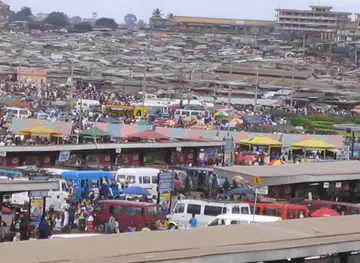
\n\nThe city’s Central Market is its commercial heart, where traders sell produce, clothing, household goods and locally made wares. Jackson Park offers an open urban space near the centre, while the surrounding streets reveal a mix of modern concrete buildings, older shopfronts and neighbourhood communities. Akan cultural traditions remain important, particularly through language, festivals, family life and food, although Koforidua is also shaped by churches, schools, public institutions and migration from across Ghana.\n\nWaterfalls and Cocoa Country
\n\nKoforidua’s strongest appeal lies in its relationship with the wider Eastern Region. Boti Falls, Umbrella Rock and the unusual three-headed palm tree are reached in the forested area around Huhunya, while the Cocoa Research Institute of Ghana at New Tafo offers insight into the crop that has shaped the region’s economy. The town of Aburi, the Aburi Botanical Gardens and the Krobo hills are separate excursions rather than city attractions, but together they show why Koforidua works well as a base for exploring Ghana’s eastern highlands.When is the best time to visit Koforidua?
Best: December–February · 31–32°C| Month | High (°C) | Rainfall (mm) |
|---|---|---|
| January (best) | 31 | 40 |
| February (best) | 32 | 40 |
| March | 32 | 50 |
| April | 33 | 60 |
| May | 32 | 70 |
| June | 31 | 80 |
| July | 30 | 90 |
| August | 30 | 90 |
| September | 31 | 80 |
| October | 31 | 70 |
| November | 31 | 60 |
| December (best) | 32 | 50 |
Getting to and around Koforidua
How to get there
Transportation
Best attractions in Koforidua
Koforidua’s central attractions offer an introduction to the everyday life of Ghana’s Eastern Region rather than a dense concentration of monumental sights. The Central Market is the city’s liveliest place for observing trade in food, clothing and household goods, while Jackson Park provides an open civic space close to the commercial centre. The city’s churches and public buildings reflect its role as a regional capital, and its streets are best explored slowly, with attention to local businesses and food stalls. Beyond the urban area, the forested excursion to Boti Falls is the region’s best-known natural attraction, with nearby Umbrella Rock and the three-headed palm tree often visited on the same outing; these sites lie around Huhunya, not within Koforidua itself. New Tafo, home to the Cocoa Research Institute of Ghana, offers a different perspective on the agricultural landscape and the science behind one of Ghana’s most important crops.
-
Park
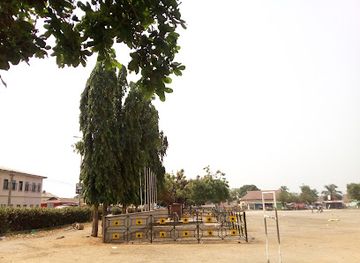
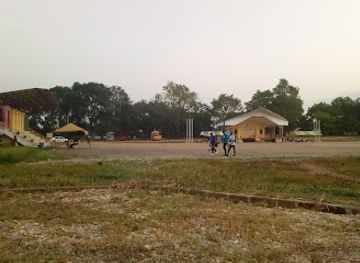
Jackson Park
Discover tranquility at Jackson Park, Koforidua's green oasis, perfect for picnics, family fun, and nature walks in Ghana.
7 min walk · 0.5 km from city centre
-
Tourist attraction
Boti Waterfalls
Explore the breathtaking beauty of Boti Waterfalls, a hidden gem in Ghana, where nature's tranquility and local culture come together in perfect harmony.
32 min drive · 12 km from city centre
-
Park
Jubilee Park
Discover the serene beauty of Jubilee Park in Koforidua, a perfect escape for relaxation and nature walks.
6 min drive · 1.9 km from city centre
-
Tourist attraction
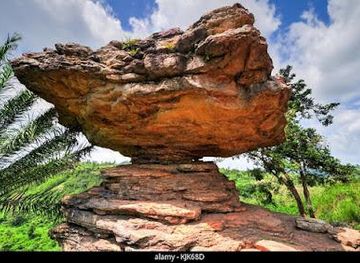
Umbrella Rock
Discover the breathtaking beauty of Umbrella Rock in Asiafo Amanfro, a stunning natural attraction perfect for adventure and tranquility.
31 min drive · 11 km from city centre

Best landmarks in Koforidua
Koforidua’s landmarks express its role as an Eastern Regional capital and its connection with Ghanaian religious and civic life. St George’s Anglican Cathedral and other prominent churches reflect the importance of Christian institutions in the city’s educational and social history, while Jackson Park functions as a recognisable civic space near the centre. The Central Market is less monumental but significant as an urban landmark, anchoring the commerce that links Koforidua with surrounding farming communities. Outside the city, Boti Falls and Umbrella Rock are natural landmarks associated with the Eastern Region’s forested hills rather than with Koforidua proper. New Tafo’s Cocoa Research Institute represents the scientific and agricultural dimension of the region, linking the modern city to the cocoa economy that helped drive its development.
-
Bus company
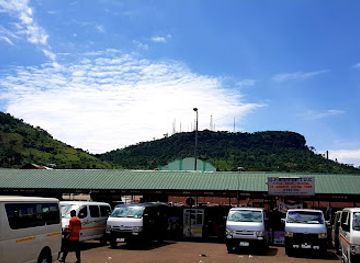
Koforidua - Accra Bus Station
Discover vibrant journeys at Koforidua - Accra Bus Station, the essential transit point for exploring Ghana's rich culture and scenic beauty.
3 min walk · 0.3 km from city centre
-
Hotel
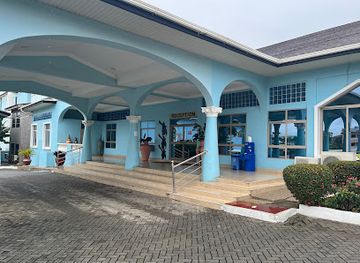
Capital View Hotel, Koforidua. GHANA
Stay at Capital View Hotel in Koforidua, Ghana, where comfort meets culture, providing the perfect base for your adventures in this vibrant region.
9 min drive · 3.2 km from city centre
-
Restaurant
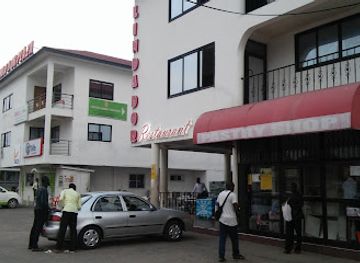
Linda Dor Main Restaurant, Koforidua
Savor the rich flavors of Ghana at Linda Dor Main Restaurant, a culinary hotspot in Koforidua offering diverse and delightful dining experiences for all.
4 min walk · 0.3 km from city centre
-
Hotel
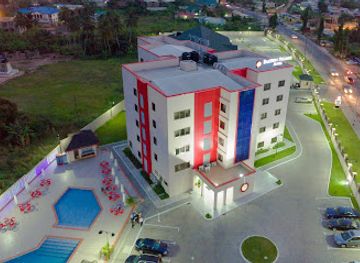
Eastern Premier Hotel, Koforidua
Experience the charm of Koforidua at Eastern Premier Hotel, where comfort meets Ghanaian hospitality amidst breathtaking landscapes.
13 min drive · 4.5 km from city centre
Explore Koforidua on the map
Plan your Koforidua trip on one map. See where the top attractions, landmarks, restaurants, bars and hotels are, find what's near where you're staying, and book hotels and experiences in a few clicks.
Best hotels in Koforidua
Best restaurants in Koforidua
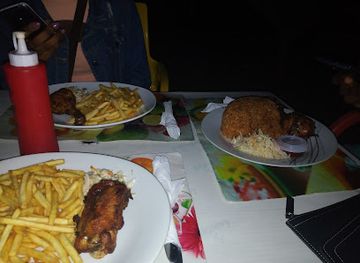
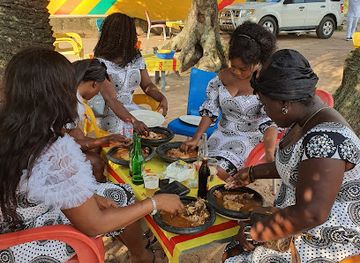
Koforidua’s food scene is grounded in everyday Ghanaian cooking, with chop bars, market stalls, cafés and family-run eateries serving filling meals at different times of day. Common dishes include fufu with soup, banku with pepper and fish, waakye, red-red made with beans and fried plantain, jollof rice, kelewele and kontomire-based dishes. The Eastern Region’s farming economy supplies plantain, cassava, cocoyam, vegetables and cocoa, while nearby communities contribute fish, meat and seasonal produce. The Central Market is useful for seeing ingredients and prepared foods in circulation, although seating and hygiene standards vary between vendors. Restaurants around the commercial centre and main roads tend to offer familiar Ghanaian meals, alongside tea, pastries and international-style dishes for travellers seeking a lighter or more recognisable option.
-
Restaurant
Linda Dor Main Restaurant, Koforidua
Experience authentic Ghanaian cuisine at Linda Dor Main Restaurant in Koforidua - where flavor meets hospitality.
4 min walk · 0.3 km from city centre
-
Grill
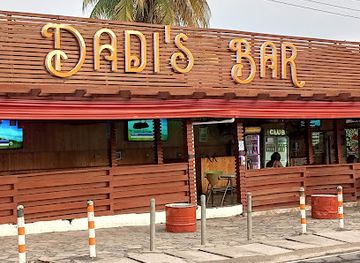
Dadi's Bar
Experience authentic Ghanaian grilled cuisine paired with vibrant live music at Dadi's Bar in Koforidua.
6 min drive · 2.1 km from city centre
-
Restaurant
Kini's Kitchen
Experience authentic Ghanaian cuisine at Kini's Kitchen in Koforidua – where every meal tells a story.
6 min walk · 0.5 km from city centre
-
Restaurant
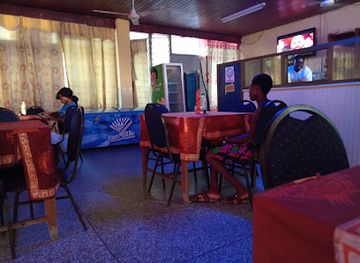
Chris Cafe
Experience authentic Ghanaian cuisine at Chris Cafe in Koforidua – where flavor meets tradition in a cozy setting.
3 min walk · 0.3 km from city centre
Best bars in Koforidua
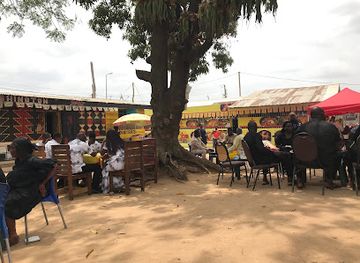
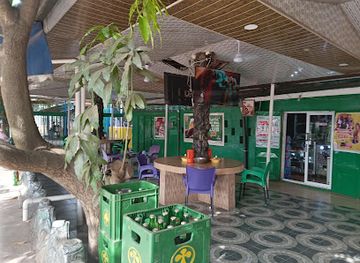
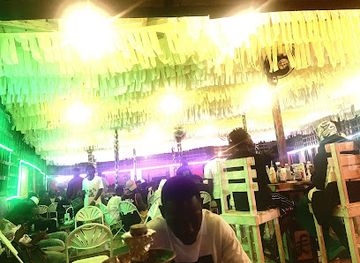
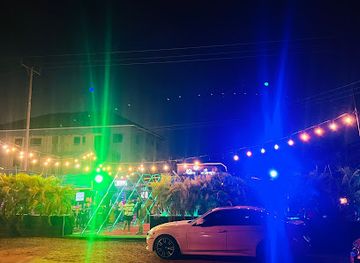
Koforidua’s evening life is modest and locally oriented, with drinking spots, outdoor bars, hotel lounges and music venues providing the main social settings after dark. Highlife, hiplife, Afrobeats and gospel music are familiar parts of the soundscape, while football broadcasts and conversation often matter as much as dancing. Activity is concentrated around commercial streets and established neighbourhood venues rather than a single formal nightlife quarter, and the atmosphere can vary considerably between weekdays and weekends. Some hotels provide the most predictable setting for a quiet evening, while local bars offer a more informal view of city life. Nightclubs and late entertainment exist but should not be assumed to operate to fixed schedules; confirm current arrangements locally and use trusted transport after dark.
-
Grill
Dadi's Bar
Experience the vibrant atmosphere of Dadi's Bar in Koforidua, where delicious grilled cuisine meets live music for an unforgettable night out.
6 min drive · 2.1 km from city centre
-
Chop bar
Abease Chop bar
Discover the vibrant flavors of Ghana at Abease Chop Bar, the perfect spot for local cuisine in Koforidua.
11 min drive · 3.8 km from city centre
-
Chop bar
Abosuo Chop Bar
Experience authentic Ghanaian cuisine at Abosuo Chop Bar in Koforidua, where local flavors and a vibrant atmosphere await.
13 min walk · 1.0 km from city centre
-
Chop bar
Obaa Yaa Chop Bar
Discover authentic Ghanaian flavors at Obaa Yaa Chop Bar in Koforidua, where community and cuisine come together in a vibrant setting.
7 min drive · 2.5 km from city centre

Best nightclubs in Koforidua
Koforidua’s evening life is modest and locally oriented, with drinking spots, outdoor bars, hotel lounges and music venues providing the main social settings after dark. Highlife, hiplife, Afrobeats and gospel music are familiar parts of the soundscape, while football broadcasts and conversation often matter as much as dancing. Activity is concentrated around commercial streets and established neighbourhood venues rather than a single formal nightlife quarter, and the atmosphere can vary considerably between weekdays and weekends. Some hotels provide the most predictable setting for a quiet evening, while local bars offer a more informal view of city life. Nightclubs and late entertainment exist but should not be assumed to operate to fixed schedules; confirm current arrangements locally and use trusted transport after dark.
-
Grill
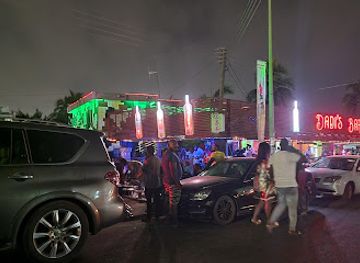
Dadi's Bar
Experience the lively spirit of Koforidua at Dadi's Bar, where delicious grills meet captivating live music in a welcoming atmosphere.
6 min drive · 2.1 km from city centre
-
Grill
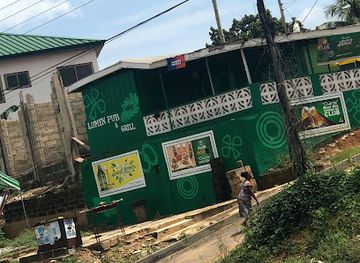
Lumen Bar & Grill
Savor delectable grilled dishes and dance the night away at Lumen Bar & Grill, Koforidua's premier food and nightlife destination.
10 min drive · 3.4 km from city centre
-
Pub
Rumors Pub
Discover Koforidua's nightlife at Rumors Pub, a lively destination for socializing, drinks, and unforgettable memories.
7 min drive · 2.2 km from city centre
-
Lounge
Kekro lounge
Experience the vibrant nightlife at Kekro Lounge in Koforidua, where modern comfort meets local flavor in an inviting setting.
8 min drive · 2.7 km from city centre
Best shops in Koforidua
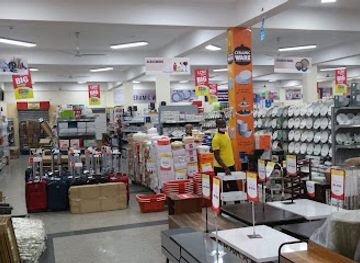
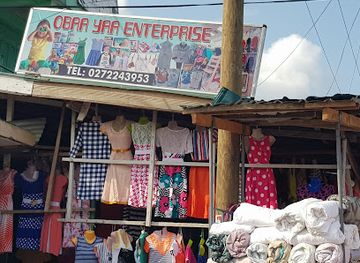
Shopping in Koforidua centres on the Central Market and the network of commercial streets around it, where traders sell vegetables, fruit, grains, fabrics, clothing, sandals, household goods and practical travel supplies. The market is a place for ordinary local purchasing rather than a curated souvenir centre, and its character changes with the arrival of produce from surrounding farming communities. Visitors may also find Ghanaian printed textiles, beads, baskets, carved items and packaged cocoa products through independent traders, although provenance and quality vary. Small shops and roadside stalls are useful for snacks and essentials, while larger urban businesses provide a more conventional retail experience. Koforidua is also a convenient base for exploring the wider Eastern Region’s craft traditions, including bead-making associated with Krobo communities, though major production areas lie outside the city.
-
Shopping mall
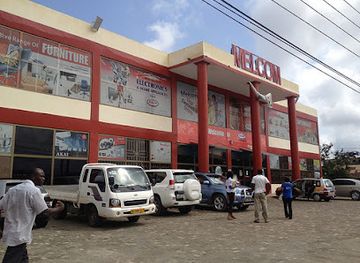
Melcom Koforidua branch
Experience the vibrant shopping culture of Koforidua at Melcom, your one-stop destination for everything from groceries to unique local goods.
9 min walk · 0.7 km from city centre
-
Baby store
Obaa Yaa Mother Care
Discover quality baby clothing and essentials at Obaa Yaa Mother Care in Koforidua, a trusted destination for new parents seeking the best for their little ones.
2 min walk · 0.1 km from city centre
-
Supermarket
Melcom
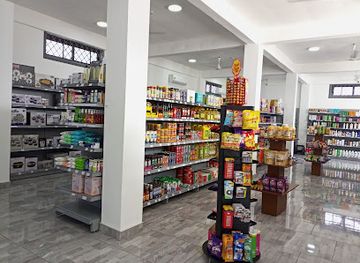
Discover the vibrant shopping experience at Melcom in Koforidua, where locals and tourists alike find everything from fresh produce to electronics.
6 min walk · 0.5 km from city centre
-
Supermarket
DNKA Supermarket
Discover the essence of Ghanaian culture at DNKA Supermarket, where fresh produce meets local delicacies in Koforidua.
7 min walk · 0.5 km from city centre
Get your free copy of our complete guide to Koforidua, delivered straight to you.
Everything on this page, from attractions and restaurants to essentials and local phrases, in one PDF you can read offline, print or share.
Already have an account? Sign in
Your Koforidua guide is ready.
We'll send it to · Not you? Sign out

Getting your guide ready…
We are putting together a fresh copy of the Koforidua guide. This can take up to a minute.
This can take a few moments. If your browser asks, choose Allow so the download can start. You'll find the guide in your Downloads folder.
Nothing happened? Download it again
Sorry, the guide is taking longer than usual. Please try again in a minute, or get it by email instead.
Koforidua essentials
Currency and Payment
Safety
Emergency Situations
Do's and Don'ts
Local Tips
From Eve
Local phrases worth knowing
You don't need to get them perfect. A few words go a long way, and locals appreciate the effort.
Basics
| English | Local | Say it |
|---|---|---|
| Hello | Aane | [ah-neh] |
| Goodbye | Ka kro | [kah kroh] |
| Yes | Aane | [ah-neh] |
| No | Daabi | [dah-bee] |
| Please/You're welcome | Me daaase | [meh dah-seh] |
| Thank you | Medaase | [meh-dah-seh] |
| Excuse me/Sorry | Kwashee | [kwah-shee] |
| How are you? | Wo ho te sen? | [woh hoh teh sen?] |
| Fine. And you? | Eye. Na wo ho? | [ay. nah woh hoh?] |
| Do you speak English? | Wo nnye English? | [woh en-yeh English?] |
| I don't understand | M'ani agye | [mah-nee ah-jeh] |
Eating & Drinking
| English | Local | Say it |
|---|---|---|
| I'd like to see the menu, please | Mepa menu firi | [meh-pah meh-noo fee-ree] |
| I don't eat meat | Menim nni nyama | [meh-neem en-nee nyah-mah] |
| Cheers! | Afehyia pa | [ah-fay-hee-ah pah] |
| I would like to pay, please | Mepa wo dea | [meh-pah woh deh-ah] |
Emergencies
| English | Local | Say it |
|---|---|---|
| Help! | Boa me! | [boh-ah meh!] |
| Go away! | Kɔ kakra! | [koh kah-krah!] |
| Call the Police! | Mmia Polis! | [mee-ah poh-lees!] |
| Call a doctor! | Mmia dokita! | [mee-ah doh-kee-tah!] |
| I'm lost | Menso | [mehn-soh] |
| I'm ill | Menso dea | [mehn-soh deh-ah] |
Shopping
| English | Local | Say it |
|---|---|---|
| I'd like to buy... | Mepa sraa... | [meh-pah srah...] |
| I'm just looking | Menim nni nso | [meh-neem en-nee en-soh] |
| How much is it? | Afei di sɛn? | [ah-fay dee sen?] |
| That's too expensive | Na ɔbɛkɔ sɛn | [nah oh-beh-koh sen] |
| Can you lower the price? | Wode sɛn a, sɛ wopɛ sɛn | [woh-deh sen ah, seh woh-peh sen] |
Time & Numbers
| English | Local | Say it |
|---|---|---|
| What time is it? | Eyi dɛn? | [eh-yi dehn?] |
| It's one o'clock | Ɛfa ho a ɔnnyɛ | [eh-fah hoh ah oh-nee-ye] |
| Half past (10) | Ɛfa mu | [eh-fah moo] |
| Morning | Da | [dah] |
| Afternoon | Awia | [ah-wee-ah] |
| Evening | Anɔpa | [ah-nuh-pah] |
| Yesterday | Nnipa | [nee-pah] |
| Today | Ɔkyena | [oh-chay-nah] |
| Tomorrow | Ɛna | [eh-nah] |
| 1 | Baako | [bah-koh] |
| 2 | Mmienu | [mee-eh-noo] |
| 3 | Mmiɛnsa | [mee-ehn-sah] |
| 4 | Ɛnan | [eh-nan] |
| 5 | Enum | [eh-noom] |
| 6 | Nsia | [nsyah] |
| 7 | Nson | [nsohn] |
| 8 | Nwɔtwe | [nwoh-tweh] |
| 9 | Krononkrono | [kroh-nohn-kroh-noh] |
| 10 | Du | [doo] |
Transport & Directions
| English | Local | Say it |
|---|---|---|
| Where's a/the...? | Ɛhe dodo a...? | [eh-heh doh-doh ah...?] |
| What's the address? | Ɛhe adiso a? | [eh-heh ah-dee-soh ah?] |
| Can you show me (on the map)? | Wode ma me (hyɛ map) | [woh-deh mah meh (hyeh map)] |
| When's the next (bus)? | Ɛnnora (trotro) a, ne nnyina so? | [ehn-noh-rah (troh-troh) ah, neh nee-nyee-nah soh?] |
| A ticket (to ....) | Ntiket (ka ....) | [en-tee-keht (kah ....)] |
History of Koforidua
Settlement Among the Eastern Hills
The area around present-day Koforidua was shaped by Akan settlement, farming and movement through the forested uplands of what is now Ghana’s Eastern Region. Communities cultivated food crops and later cocoa in a landscape connected by footpaths and trade routes rather than formal urban roads. The wider region also included Guan and Krobo peoples, whose towns, markets and agricultural territories formed part of the cultural environment surrounding Koforidua. The city’s position between Accra and the interior helped it develop as a meeting point, while the hills and valleys influenced both settlement patterns and local farming.
The Founding of Koforidua
Koforidua is generally associated with Ashanti migrants who settled in the area in the nineteenth century, with the town commonly dated to around 1875. Oral accounts connect its name with Kofor, remembered as an early leader or founder, although local traditions differ in detail. The settlement grew as families sought security and farmland in the eastern forest zone, and its location supported exchange between communities in the interior and the Accra plain. This period established the Akan cultural foundations that remain visible in local language, family structures, ceremonies and food traditions.
Colonial Administration and Commerce
British colonial rule brought new administrative structures, roads, schools and commercial networks to the Eastern Region. Koforidua developed as an important administrative centre, serving surrounding farming communities and participating in the expansion of the cocoa economy. Cocoa cultivation transformed the region during the twentieth century, creating links between rural producers, trading companies, transport routes and urban markets. Mission churches and schools also became influential institutions. The town’s growth was therefore connected not only to government but to agriculture, education and commerce, with market activity helping turn Koforidua into a regional service centre.
From Independence to Regional Capital
Ghana’s independence in 1957 brought a new national administrative framework, and Koforidua continued to serve as the principal urban centre of the Eastern Region. Public offices, schools, health services and roads expanded as the city assumed a larger role in regional development. Koforidua’s identity was strengthened by its setting near important cocoa-growing districts and by its position on the route linking Accra with towns farther north and east. The post-independence city combined inherited colonial institutions with Ghanaian public life, religious communities and expanding local enterprise.
A Contemporary Eastern Ghanaian City
Modern Koforidua is a regional capital whose streets reflect several overlapping histories: Akan settlement, cocoa commerce, colonial administration, independent Ghanaian education and contemporary urban growth. The city is surrounded by municipalities and rural areas connected through markets, schools, churches and transport services. Development has brought new buildings, businesses and traffic, while traditional festivals, local foodways and community networks remain important to public life. Nearby natural sites such as Boti Falls and the hills around the Eastern Region add an environmental dimension to the city’s identity, linking its urban role with the forests and farms beyond the centre.
Koforidua in Photos
Browse through our photo collection highlighting the charm and character of the destination.
Cities near Koforidua
The closest cities to Koforidua, if you have time for more than one stop.
-

-

-

-
-


Swipe for more cities
Explore more

Explore more of Ghana
Discover Ghana: A vibrant blend of rich history, stunning landscapes, and warm hospitality in the heart of West Africa.
Explore Ghana