
Salaga Slave Market, Wala Travel Guide
Discover the profound history of the Salaga Slave Market, a key site in Ghana's narrative of the transatlantic slave trade.
The Salaga Slave Market, a significant historical site in Ghana, offers visitors a poignant glimpse into the country's past. As a museum, it stands as a testament to the trade routes that shaped West Africa and the lives impacted by the transatlantic slave trade. Tourists can engage with exhibits that narrate the stories of those who passed through Salaga, providing a deeper understanding of this complex history.
A brief summary to Salaga Slave Market
- Salaga - Atebubu Rd, Salaga, GH
- Click to display
- Monday 8 am-6 pm
- Tuesday 8 am-6 pm
- Wednesday 8 am-6 pm
- Thursday 8 am-6 pm
- Friday 8 am-6 pm
- Saturday 8 am-6 pm
- Sunday 8 am-6 pm

Know before you go
Hi, I'm Eve. Here are a few practical things to know before exploring Salaga Slave Market.
- Visit early in the morning to avoid larger crowds and have a more personal experience.
- Engage with local guides who can provide deeper insights and personal stories related to the exhibits.
- Allocate enough time to fully absorb the exhibits and reflect on the history presented.
- Consider reading up on the history of the slave trade before your visit to enhance your understanding.
Do you manage this location?
Take control to get all the benefits, like improved information, better appearance, and stronger visibility across AI-powered discovery. Learn more about listing your business on Evendo
Activate your presenceOther nearby places you may find interesting
The closest places of the same kind, if this one is not quite what you had in mind.

Explore Salaga Slave Market on the Map
A handpicked selection of must-see spots near Salaga Slave Market, mapped for you.
Getting There
-
Car
From any location in Yendi, head towards the main road leading out of the city. Follow the signs for the Salaga - Atebubu Road (also known as the Yendi-Salaga Road). Continue driving for approximately 30 kilometers. The Salaga Slave Market is located on this road, just outside the Salaga town. Look for signage indicating the market as you approach.
-
Public Transportation (Taxi or Shared Taxi)
To take a taxi, find a local taxi station in Yendi, or flag down a taxi on the street. Inform the driver that you want to go to Salaga Slave Market. The ride should cost around 20-30 GHS (Ghanaian Cedi), depending on your starting point in Yendi. The driver will take you along the Yendi-Salaga Road. Once you arrive at Salaga, ask the driver to drop you off near the market.
-
Bus
If you prefer travelling by bus, head to the Yendi bus terminal. Look for buses heading towards Salaga. The fare is typically around 10-15 GHS. Buses leave regularly; however, it is advisable to check the bus schedule. Inform the conductor of your destination (Salaga Slave Market). The bus will drop you off at a stop near Salaga, after which you may need to walk a short distance to reach the market.
Discover more about Salaga Slave Market













Your all‑in‑one travel companion app
Explore expert travel guides, compare and book tours, experiences, hotels, and more—all from the palm of your hand. Download now for seamless trip planning wherever your wanderlust takes you.


Explore More of Wala

Looking beyond Salaga Slave Market? Discover Wala for broader travel guides, local hot-spots, and regional highlights.
Explore Wala
Experience the lush beauty and tranquility of Ganaa Bayiv, Trohwe's enchanting garden paradise, perfect for relaxation and nature exploration.
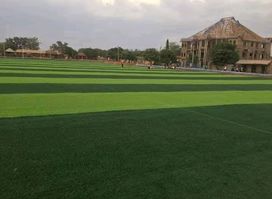
Discover the lively Salaga Community Astro-Turf Park, a perfect blend of sports, relaxation, and local culture in the heart of Salaga.