
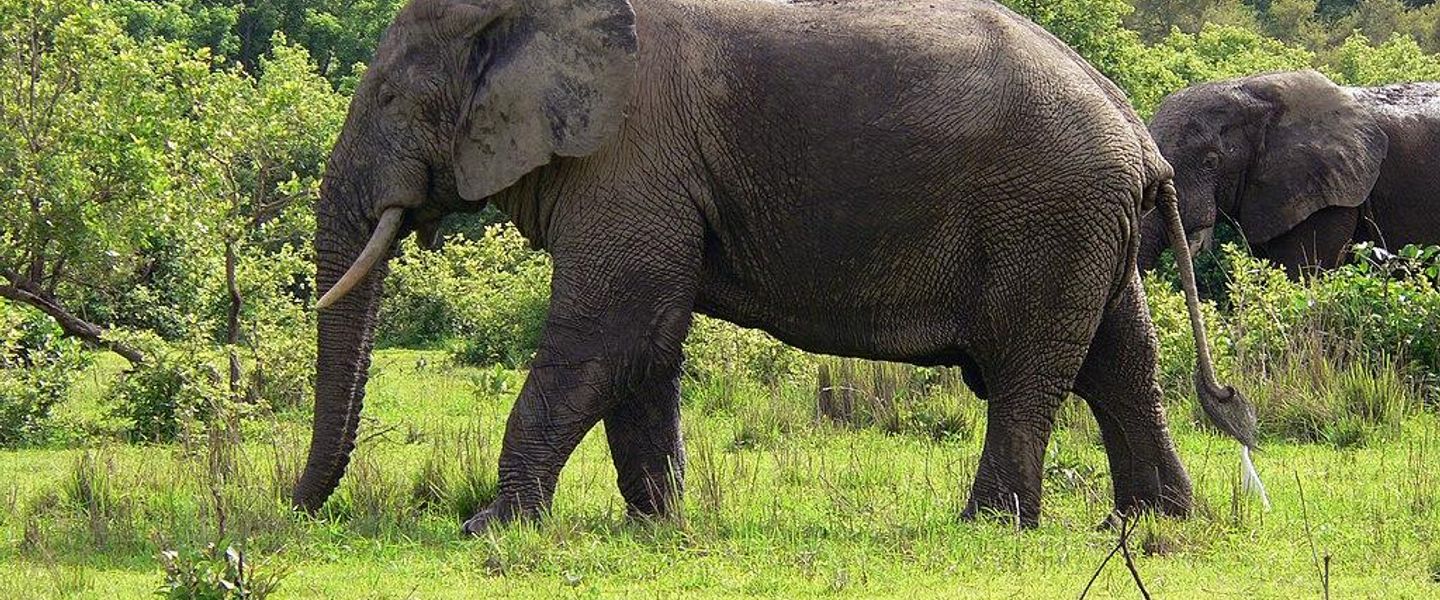
Wala, Ghana Travel Guide
Discover the charm of Wala, Ghana - a serene village rich in culture, history, and natural beauty, perfect for an authentic and immersive travel experience.
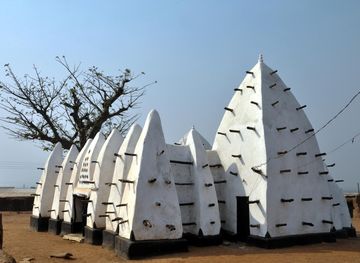
Wala is a small, yet enchanting village located in the Upper West Region of Ghana. This off-the-beaten-path destination offers a glimpse into the rich cultural heritage and traditional lifestyles of the Wala people. The village is known for its unique mud-brick architecture, which has withstood the test of time and remains a testament to the ingenuity and craftsmanship of its inhabitants. Visitors to Wala can immerse themselves in the local culture by participating in traditional festivals, sampling local delicacies, and engaging with the friendly and hospitable residents. The village is surrounded by lush, green landscapes, providing ample opportunities for nature walks and birdwatching. The serene environment makes it an ideal spot for relaxation and reflection. One of the highlights of Wala is its vibrant craft market, where artisans showcase their handmade goods, including pottery, textiles, and jewelry. This market is a perfect place to pick up unique souvenirs and support the local economy. Whether you are a history buff, a nature lover, or simply looking to experience authentic Ghanaian culture, Wala is a destination that should not be missed.

Know before you go
Hi, I'm Eve. Here are a few practical things to know before exploring Wala.
- Visit during the traditional festivals to experience the local culture at its most vibrant.
- Bring cash, as credit card facilities are limited in the village.
- Hire a local guide to enhance your understanding of the village's history and customs.
- Wear comfortable shoes for exploring the village and nearby nature trails.
- Respect local customs and dress modestly when visiting religious or cultural sites.
Top City Travel Guides in Wala
The cities of Wala, and the easiest places to base yourself.


Destinations in Wala
Resorts, valleys and scenic spots worth a trip of their own.


Explore Wala: Things to Do, Places to Eat, Hotels & More
Handpicked recommendations for top attractions, local dining, accommodations, and more

Top Attractions & Sightseeing in Wala
Top-rated picks
Best Attractions

Osu Mantse (Nortse Nii Nortey Owuo IV)
Discover the vibrant heritage of the Ga people at Osu Mantse, a cultural landmark in Accra that captures the essence of Ghanaian traditions.

Kaladan Park
Experience the natural beauty and vibrant atmosphere of Kaladan Park in Tamale – a perfect getaway for relaxation and local culture.

Suntaa Beach Boxx
Discover Suntaa Beach Boxx, a serene resort hotel on Langma Beach, where relaxation meets adventure in the heart of Accra, Ghana.

Salaga Slave Market
Discover the profound history of the Salaga Slave Market, a key site in Ghana's narrative of the transatlantic slave trade.

Best landmarks in Wala
Top-rated picks
Best Landmarks

IDARKCONSULT LTD
Discover Aburi, Ghana: A serene escape blending lush landscapes, stunning architecture, and vibrant local culture for a perfect getaway.

Cape Coast Castle
Explore Cape Coast Castle, a UNESCO World Heritage Site, and delve into Ghana's rich history of the transatlantic slave trade amidst stunning coastal views.

Kwame Nkrumah Memorial Park & Mausoleum
Discover Ghana's rich history at the Kwame Nkrumah Memorial Park & Mausoleum, a serene tribute to the nation's first President.

Elmina Castle
Explore Elmina Castle, a UNESCO World Heritage Site, and uncover the poignant history of the transatlantic slave trade in Ghana.

Best restaurants in Wala
Top-rated picks
Best Restaurants
The Buka Restaurant, Osu, Accra
Discover authentic West African flavors at The Buka Restaurant in Osu, Accra – where tradition meets taste.

Capitol Cafe & Restaurant
Experience the vibrant flavors of Ghana at Capitol Cafe & Restaurant – where culinary tradition meets modern dining in Accra.
The Gold Coast Restaurant & Cocktail Bar
Experience exquisite dining at The Gold Coast Restaurant & Cocktail Bar in Accra, where fresh seafood meets innovative cocktails in a vibrant setting.

B2B Ghana | Breakfast To Breakfast
Experience authentic Ghanaian flavors at B2B Ghana in Accra - where every meal tells a story.

Best bars in Wala
Top-rated picks
Best Bars
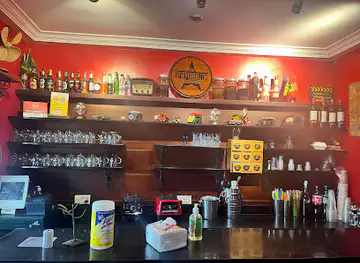
The Republic Bar & Grill
Discover the vibrant dining scene at The Republic Bar & Grill in Accra, where delicious grilled dishes and unique drinks meet a lively atmosphere.

Purple Pub Osu
Discover the vibrant nightlife at Purple Pub Osu in Accra – a perfect blend of local flavors and lively entertainment.

+233 Jazz Bar & Grill
Discover the heartbeat of Accra at +233 Jazz Bar & Grill, where live music and delicious cuisine create unforgettable nights.

Bloom Bar
Discover Accra’s lively atmosphere at Bloom Bar, where delicious cocktails and vibrant nightlife await you.

Best nightclubs in Wala
Top-rated picks
Best Nightclubs

Plot 7
Dive into Accra's nightlife at Plot 7, a premier disco club offering electrifying music, vibrant atmosphere, and unforgettable experiences.

Twist Night Club
Experience the electrifying nightlife at Twist Night Club in Accra, where vibrant music and a lively atmosphere come alive until dawn.

Octapuz lounge and night club
Discover Accra's nightlife at Octapuz Lounge and Night Club, where dance, music, and vibrant culture create unforgettable nights.
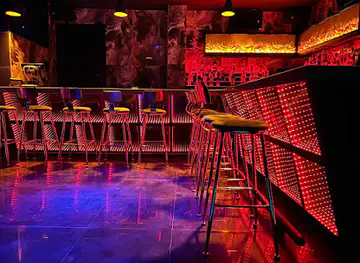
Kavalli @ Night
Discover the vibrant nightlife of Accra at Kavalli @ Night, a premier night club filled with music, dancing, and unforgettable experiences.

Best shops in Wala
Top-rated picks
Best Shops

Woodin Boutique - Osu
Explore the vibrant styles of Woodin Boutique in Osu, Accra, where tradition meets contemporary fashion in stunning fabrics and designs.

Unique Floral Centre
Unique Floral Centre in Accra offers exquisite floral arrangements and handcrafted gifts, embodying the vibrant spirit of Ghanaian artistry.

A*Z Department Store - Spintex
Explore the vibrant selection of fashion at A*Z Department Store - Spintex, your go-to clothing store in Accra for all styles and occasions.

The Shop Accra
Explore the vibrant culture of Ghana at The Shop Accra, your destination for unique gifts, artisanal crafts, and local treasures.

Explore Wala on the Map
A handpicked selection of must-see spots in Wala, mapped for you.
Wala Essentials
-
Wala is located in the Upper West Region of Ghana. The nearest airport is Wa Airport, which has limited domestic flights, primarily from Accra. Alternatively, you can fly into Tamale Airport, which is a larger hub, and then take a bus or taxi to Wala. The journey from Tamale to Wala by road typically takes around 6 to 7 hours.
-
Within Wala, transportation options include taxis, shared taxis (trotros), and motorbike taxis. Taxis are relatively affordable and can be hired for both short and long distances. Shared taxis are a cost-effective way to travel within the town and to nearby villages. Motorbike taxis are also common and can be a quick way to navigate through traffic. For longer journeys, intercity buses connect Wala to other major towns and cities in Ghana.
-
The official currency in Ghana is the Ghanaian Cedi (GHS). Credit cards are accepted in some hotels, restaurants, and larger shops, but it is advisable to carry cash, especially when visiting smaller establishments and rural areas. ATMs are available in Wala, but it is wise to withdraw sufficient cash in advance. It's also helpful to have smaller denominations for convenience.
-
Wala is generally a safe destination for tourists. However, it is recommended to take standard precautions. Avoid walking alone at night in unfamiliar areas and always keep an eye on your belongings in crowded places. Some neighborhoods may have higher crime rates, so it's best to seek advice from locals or your accommodation about areas to avoid. Petty theft, such as pickpocketing, can occur, so always be vigilant.
-
In case of emergency, dial 191 for police assistance or 193 for medical emergencies. The local police station and medical facilities are available in Wala. It is highly recommended to have travel insurance that covers medical emergencies. For minor health issues, there are pharmacies in town where you can purchase over-the-counter medications.
-
Fashion: Do dress modestly, especially when visiting religious sites. Avoid wearing revealing clothing. Religion: Do respect local customs and religious practices. Always ask for permission before taking photographs in religious contexts. Public Transport: Do be respectful and courteous to fellow passengers. Don't eat or drink on public transport. Greetings: Do greet people with a handshake and a friendly smile. It's polite to ask about someone's well-being before engaging in further conversation. Eating & Drinking: Do try local dishes and accept food offerings graciously. Don’t refuse hospitality, as it is considered impolite.
-
To experience Wala like a local, visit the local markets where you can buy fresh produce and traditional goods. Engage with the locals, as they are often friendly and willing to share stories about the town's history and culture. Don't miss the opportunity to explore the local heritage sites and participate in cultural festivals. For a unique experience, take a guided tour of the town's historical landmarks and natural attractions.
When is the best time to visit Wala?
Useful Local Phrases for Wala
You don't need to speak the language perfectly. Even learning a few simple words can make conversations warmer—and locals usually appreciate the effort.
— Eve

Here are the phrases I use most often in Wala. Try a few—you'll be surprised how far they go! 😊
❤️
-
- HelloNawuni
[Nah-woo-nee] - GoodbyeNaa fɛ
[Nah ah feh] - YesAye
[Eye] - NoNaa
[Nah] - Please/You're welcomeMɔbɔ
[Maw-baw] - Thank youMedaase
[Meh-dah-seh] - Excuse me/SorryBɔkɔ
[Baw-kaw] - How are you?Nɛ fɛ?
[Neh feh?] - Fine. And you?Mɛ fɛ. Na w'ɛ?
[Meh feh. Nah weh?] - Do you speak English?W'ɛkɔ English?
[Wah-eh-koh English?] - I don't understandMe nni adwen
[Meh nee ah-dwen]
- HelloNawuni
-
- I'd like to see the menu, pleaseMɛ pɛ sɛ mɛhwɛ akwanrɛ no, mɔbɔ
[Meh peh seh meh-hweh ah-kwan-ray noh, maw-baw] - I don't eat meatMe nni nkran
[Meh nee n-kran] - Cheers!Nɔyɛ!
[Noh-yay!] - I would like to pay, pleaseMɛ pɛ sɛ mɛtɔ, mɔbɔ
[Meh peh seh meh-taw, maw-baw]
- I'd like to see the menu, pleaseMɛ pɛ sɛ mɛhwɛ akwanrɛ no, mɔbɔ
-
- Help!Boa me!
[Boh-ah meh!] - Go away!Kɔ n'anim!
[Kaw nah-nim!] - Call the Police!Frɛ mmerɛ ne!
[Freh meh-reh neh!] - Call a doctor!Frɛ dɔkita!
[Freh doh-kee-tah!] - I'm lostMɛyɛ nko
[Meh-yay n-koh] - I'm illMɛyɛ yare
[Meh-yay yah-reh]
- Help!Boa me!
-
- I'd like to buy...Mɛ pɛ sɛ mɛtɔ...
[Meh peh seh meh-taw...] - I'm just lookingMɛyɛ nsɛm a ɛyɛ
[Meh-yay n-sehm ah eh-yay] - How much is it?Ɛyɛ dɛn na?
[Eh-yay den nah?] - That's too expensiveƐyɛ dɔɔso
[Eh-yay daw-oh-so] - Can you lower the price?W'ɛtumi de ɔkwan no ase?
[Wah-eh-too-mee de aw-kwan noh ah-seh?]
- I'd like to buy...Mɛ pɛ sɛ mɛtɔ...
-
- What time is it?Dɛn na ɛyɛ?
[Den nah eh-yay?] - It's one o'clockƐyɛ ɔkɔkɔ
[Eh-yay oh-koh-koh] - Half past (10)Mmere a ɛyɛ (10)
[M-meh-reh ah eh-yay (10)] - MorningAnɔpa
[Ah-noh-pah] - AfternoonAwia
[Ah-wee-ah] - EveningAnɔpa a ɛyɛ
[Ah-noh-pah ah eh-yay] - YesterdayƐda a atwam
[Eh-dah ah ah-twam] - TodayƐda yi
[Eh-dah yee] - TomorrowƐda a ɛbɛba
[Eh-dah ah eh-beh-bah] - 1Baako
[Bah-koh] - 2Mmienu
[Mee-eh-noo] - 3Mmiɛnsa
[Mee-ehn-sah] - 4Mmienan
[Mee-eh-nan] - 5Mmipɛn
[Mee-pehn] - 6Mmiɛnnsia
[Mee-ehn-shee-ah] - 7Mmiɛnnum
[Mee-ehn-noom] - 8Mminan
[Mee-nah-n] - 9Mmiɛnna
[Mee-ehn-nah] - 10Mmia
[Mee-ah]
- What time is it?Dɛn na ɛyɛ?
-
- Where's a/the...?Ɛhe na ...?
[Eh-heh nah ...?] - What's the address?Dɛn na ɔman no?
[Den nah oh-mahn noh?] - Can you show me (on the map)?W'ɛtumi kyerɛ me (so akwan no)?
[Wah-eh-too-mee cheh-reh meh (soh ah-kwan noh)?] - When's the next (bus)?Berɛ bɛn na (ɔkɔm) no bɛba?
[Beh-reh behn nah (oh-kohm) noh beh-bah?] - A ticket (to ....)Kɔtɔ (kɔ ....)
[Koh-taw (koh ....)]
- Where's a/the...?Ɛhe na ...?
History of Wala
-
Wala, located in the Upper West Region of Ghana, has a rich history that dates back to the early 17th century. The area was originally inhabited by the Wala people, who are part of the larger Mole-Dagbani ethnic group. They migrated from the northern regions and settled in the area, establishing themselves through farming, hunting, and trading.
-
The Wala Kingdom was established in the 18th century and became a significant political entity in the region. The kingdom was ruled by a series of kings, known as Wa Na, who governed with the help of a council of elders. The Wala Kingdom played a crucial role in regional trade, linking the trans-Saharan trade routes to the coast of West Africa.
-
Islam was introduced to Wala in the 17th century through the influence of North African traders and missionaries. Over time, Islam became deeply rooted in the cultural and social fabric of the Wala people. The construction of mosques and the establishment of Islamic schools (makaranta) became prominent features of Wala's cultural landscape.
-
During the late 19th and early 20th centuries, Wala came under British colonial rule. The imposition of colonial administration brought significant changes to the political and social structures of the region. The British introduced new systems of governance, education, and infrastructure, which had lasting impacts on Wala's development.
-
Following Ghana's independence in 1957, Wala experienced a period of rapid development. The government invested in infrastructure projects, such as roads, schools, and healthcare facilities, which improved the quality of life for the residents. Traditional leadership structures were also integrated into the modern administrative framework, allowing for a blend of customary and contemporary governance.
-
Wala is known for its vibrant cultural heritage, which is celebrated through various festivals and events. One of the most notable is the Dumba Festival, held annually to mark the end of the Islamic year. The festival features traditional music, dance, and ceremonies, showcasing the rich cultural traditions of the Wala people. Additionally, the local crafts, such as pottery and weaving, are renowned for their intricate designs and craftsmanship.
Neighbouring Regions of Wala
The closest regions to Wala, if you have time for more than one.



Your all‑in‑one travel companion app
Explore expert travel guides, compare and book tours, experiences, hotels, and more—all from the palm of your hand. Download now for seamless trip planning wherever your wanderlust takes you.


Explore More of Ghana

Looking beyond Wala? Discover Ghana for broader travel guides, local hot-spots, and regional highlights.
Explore GhanaWala in Photos
Browse through our photo collection highlighting the charm and character of the destination.


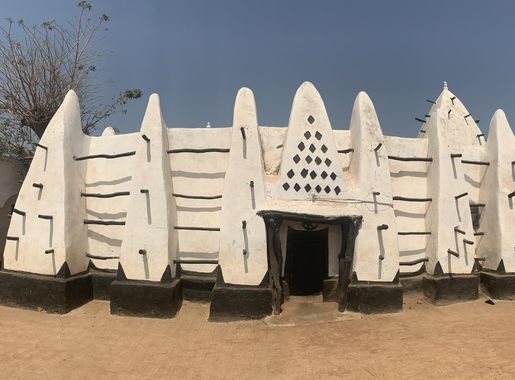

Wala: The Hidden Gem of Ghana
Wala is a small, yet enchanting village located in the Upper West Region of Ghana. This off-the-beaten-path destination offers a glimpse into the rich cultural heritage and traditional lifestyles of the Wala people. The village is known for its unique mud-brick architecture, which has withstood the test of time and remains a testament to the ingenuity and craftsmanship of its inhabitants. Visitors to Wala can immerse themselves in the local culture by participating in traditional festivals, sampling local delicacies, and engaging with the friendly and hospitable residents. The village is surrounded by lush, green landscapes, providing ample opportunities for nature walks and birdwatching. The serene environment makes it an ideal spot for relaxation and reflection. One of the highlights of Wala is its vibrant craft market, where artisans showcase their handmade goods, including pottery, textiles, and jewelry. This market is a perfect place to pick up unique souvenirs and support the local economy. Whether you are a history buff, a nature lover, or simply looking to experience authentic Ghanaian culture, Wala is a destination that should not be missed.