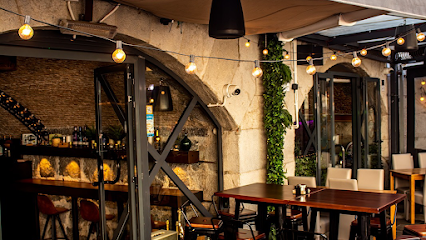
Cradle of History: Gibraltar's Ancient Heart
Explore Gibraltar's Cradle of History: A journey through millennia of civilizations, strategic battles, and cultural fusion on the iconic Rock.
The Cradle of History monument in Gibraltar marks one of Europe's longest-inhabited places, showcasing its rich past from Neanderthals to various empires. It's a symbolic gateway connecting continents and eras, inviting exploration of Gibraltar's unique heritage.
A brief summary to Cradle of History
- 5M22+28X, Winston Churchill Ave, Gibraltar, GX11 1AA, GI
- Visit website
Local tips
- Visit early in the morning or late afternoon for the best lighting for photography and fewer crowds.
- Wear comfortable shoes, as the surrounding paths can be uneven.
- Combine your visit with other nearby attractions like the airport runway or the Cross of Sacrifice.

Getting There
-
Walking
From the Gibraltar International Airport or the Spanish border, the Cradle of History is easily accessible on foot. After crossing the runway on Winston Churchill Avenue, continue straight; the monument will be on your left. The walk from the border takes only a few minutes.
-
Public Transport
Several bus routes connect to the area around the Cradle of History. From the city center, take routes 3, 4, 9, or 10 and alight at the Winston Churchill Avenue stop near the airport. From there, it's a short walk to the monument. A single bus fare costs approximately £2.20.
-
Taxi
Taxis are readily available throughout Gibraltar, including at the airport and the border. A taxi ride from the city center to the Cradle of History will cost approximately £10-£15, depending on traffic and the time of day. Note that there is an airport surcharge of £2.00.
Discover more about Cradle of History
Iconic landmarks you can’t miss

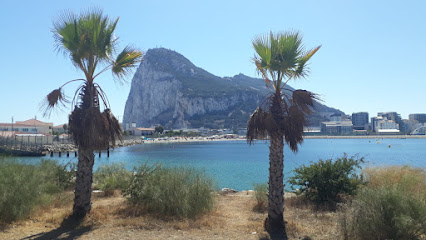
Western Beach
0.1 km
Experience sun, sea, and runway views at Gibraltar's Western Beach, a local favorite with a unique airport-side setting.
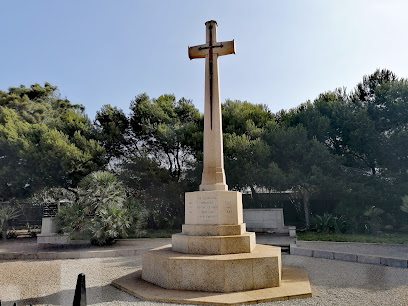
Gibraltar War Memorial
0.1 km
A poignant tribute to the fallen of World War I, featuring Carrara marble sculpture and Crimean War cannons in a place for reflection and remembrance.
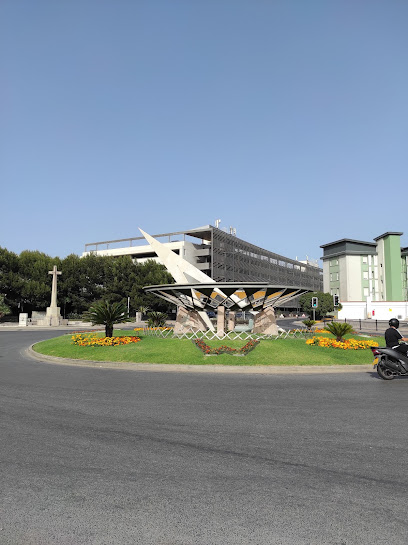
The Sundial
0.2 km
Discover the beauty and artistry of The Sundial, a captivating sculpture in Gibraltar that combines stunning views with cultural significance.
Aqua Pool Bar
0.4 km
Discover the essence of relaxation at Aqua Pool Bar in Gibraltar, where stunning sea views and refreshing drinks create an unforgettable experience.
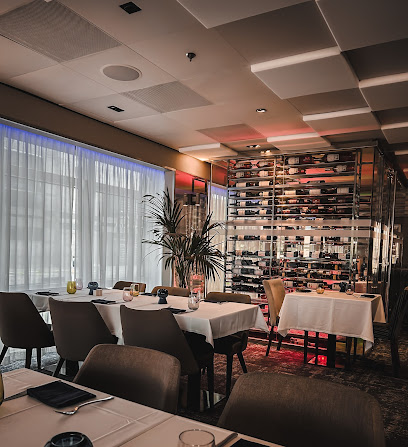
Sunborn Gastrobar
0.4 km
Discover the exquisite flavors of modern British cuisine at Sunborn Gastrobar, a unique dining experience aboard a luxurious yacht in Gibraltar.
Holiday Inn Express Gibraltar, an IHG Hotel
0.4 km
Discover modern comfort at Holiday Inn Express Gibraltar, your gateway to the iconic Rock and vibrant local culture in a prime location.

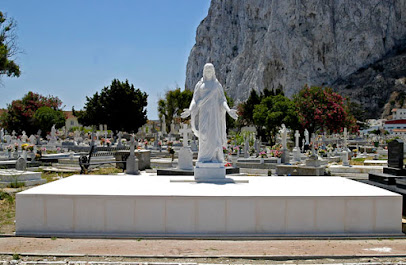
CANO Monumental Masons
0.4 km
Discover the artistry and history of CANO Monumental Masons, a unique cemetery in Gibraltar, showcasing beautiful monuments and rich cultural heritage.
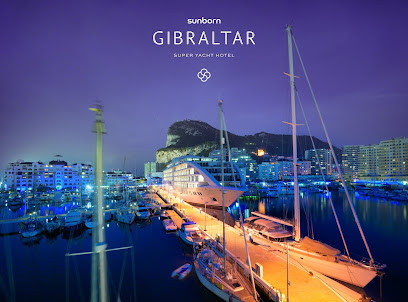
Sunborn Gibraltar
0.5 km
Experience unparalleled luxury at Sunborn Gibraltar, a floating hotel offering exquisite dining, a vibrant bar scene, and stunning Mediterranean views.

Royal Marines Gibraltar Monument
0.5 km
Explore the Royal Marines Gibraltar Monument, a historical landmark honoring bravery and sacrifice with stunning views and rich history.
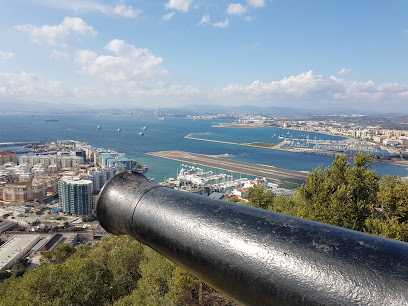
Sapphire Lounge Bar
0.5 km
Experience the vibrant atmosphere and stunning views at Sapphire Lounge Bar, a coastal gem in Gibraltar offering a delightful range of drinks.
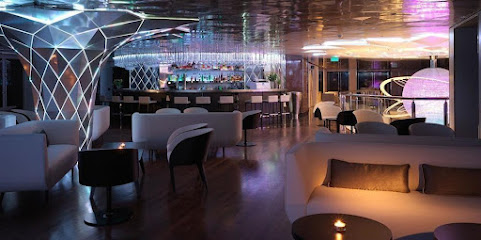
Royal Ocean Plaza
0.5 km
Experience modern living with stunning views at Royal Ocean Plaza, Gibraltar's premier waterfront destination in vibrant Ocean Village.
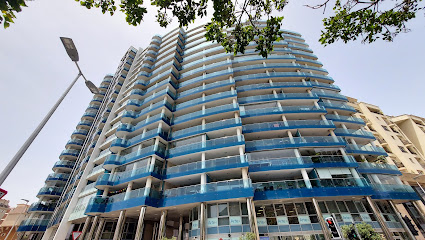
The Hub Gibraltar
0.5 km
Modern condominium living in Gibraltar, offering comfort and convenience near top attractions. Rated 4.5 stars for a quality stay.
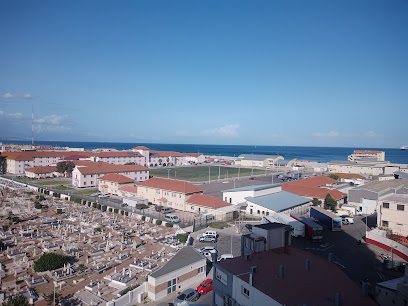
Little Bay Bar and Indian Restaurant
0.5 km
Discover the vibrant flavors of authentic Indian cuisine at Little Bay Bar and Indian Restaurant, overlooking the stunning marina in Gibraltar.
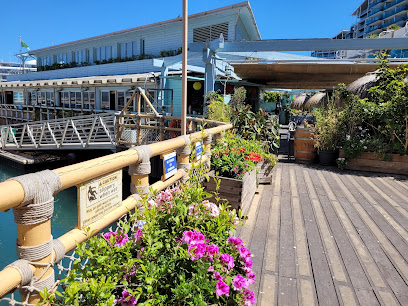
Portland House
0.5 km
Experience modern living and business in Gibraltar's vibrant Ocean Village, with stunning views and convenient access to key locations.
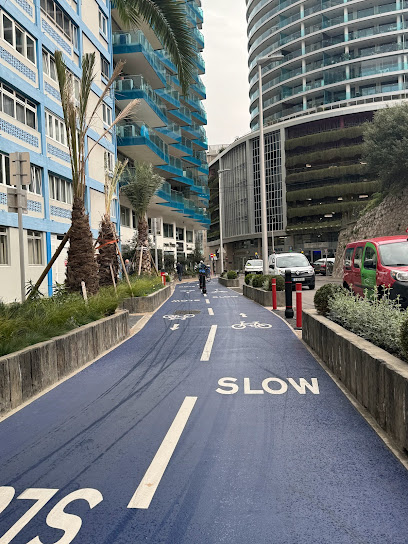
Vivian's fall
0.6 km
Discover Vivian's Fall in Gibraltar: A serene escape where nature meets history, offering tranquility and scenic beauty.

Unmissable attractions to see

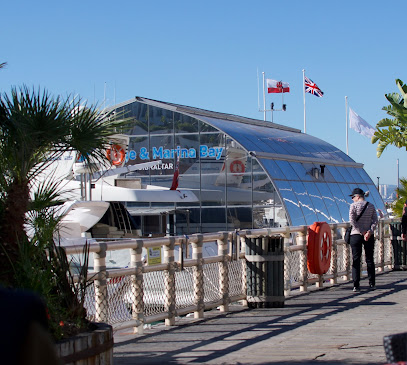
Marina Bay, Gibraltar
0.1 km
Experience the enchanting Marina Bay in Gibraltar, where stunning views meet vibrant local culture and rich maritime history.
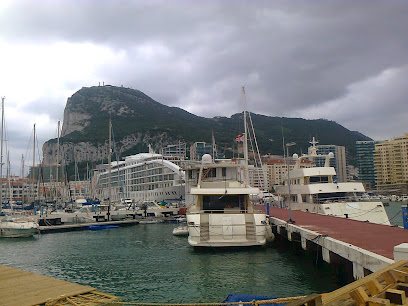
Fod check point
0.2 km
Explore the Fod Check Point in Gibraltar, a historical site showcasing military heritage and stunning views of the Mediterranean landscape.
paradise rock tours
0.2 km
Discover the breathtaking beauty and rich history of Gibraltar with Paradise Rock Tours, an unforgettable adventure in stunning landscapes.

Gibraltar airport walkway
0.3 km
Walk above the runway at Gibraltar Airport Walkway for stunning views and a unique aviation experience amidst the beauty of Gibraltar.
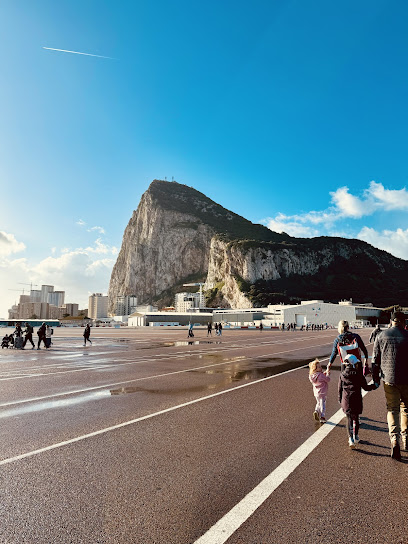
Dolphin Safari Gibraltar dolphins
0.3 km
Explore the stunning waters of Gibraltar with Dolphin Safari, where unforgettable wildlife encounters and breathtaking scenery await every visitor.
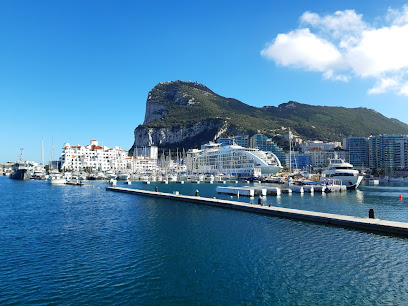
Dolphin Adventure
0.4 km
Embark on an unforgettable journey with Dolphin Adventure in Gibraltar, where you can witness playful dolphins and explore stunning coastal views.
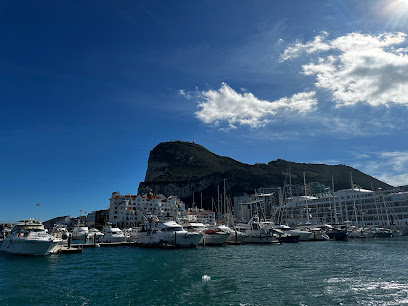
Marina Bay Square
0.4 km
Explore the vibrant Marina Bay Square in Gibraltar, where stunning views meet delightful dining and endless recreational activities.
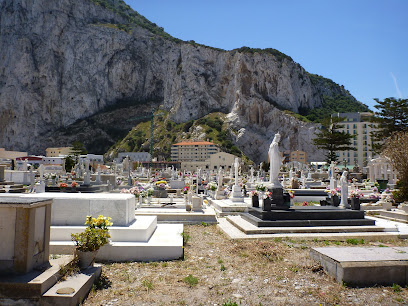
North Front Cemetery
0.4 km
Discover the poignant history of military sacrifice at North Front Cemetery in Gibraltar, a tranquil resting place that honors brave service members.
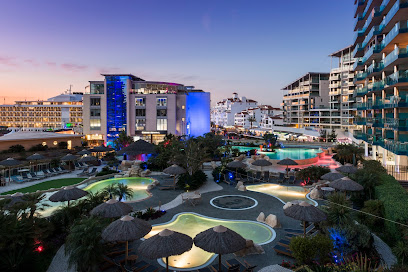
Casino Admiral Gibraltar
0.5 km
Experience the thrill of Casino Admiral Gibraltar, where gaming, dining, and nightlife converge at Ocean Village Marina for an unforgettable adventure.
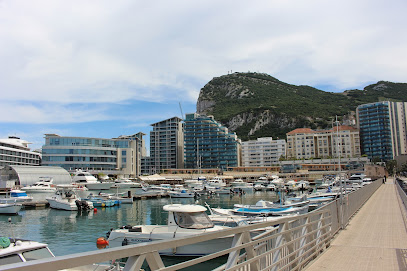
Ocean Village Marina
0.5 km
Experience the charm of Ocean Village Marina, where stunning views, vibrant eateries, and coastal leisure await every traveler.
Ocean Village
0.5 km
Explore Ocean Village in Gibraltar: A vibrant marina filled with exquisite dining, stunning views, and exciting water activities.
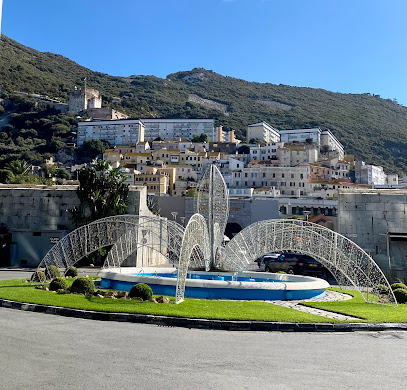
Couvreport Battery
0.5 km
Explore the historical significance and stunning views of Couvreport Battery, a must-see landmark in Gibraltar's rich military history.
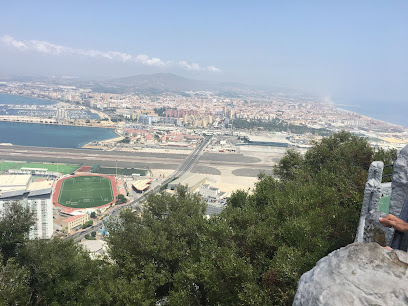
Grand Battery
0.6 km
Discover the historic Grand Battery in Gibraltar, where military history meets breathtaking views of the Atlantic and Mediterranean seas.
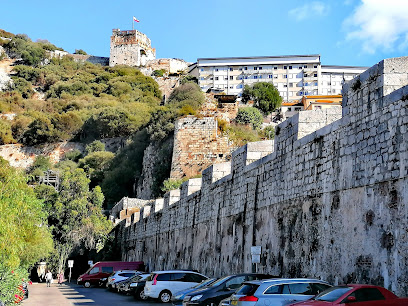
Landport Tunnel
0.6 km
Discover Gibraltar's historical depths at the Landport Tunnel, a remarkable site that unveils the strategic military past of this iconic location.
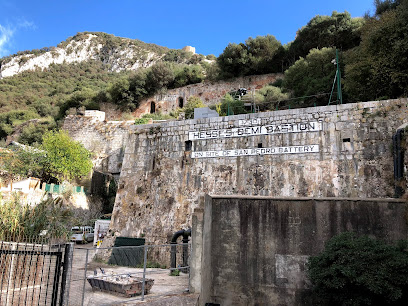
North Bastion
0.6 km
Discover the historic North Bastion in Gibraltar, a stunning military landmark with breathtaking views and rich heritage.
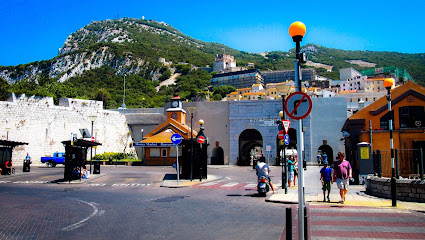
Essential places to dine

54 Dining & Cafe
0.2 km
Discover the flavors of Gibraltar at 54 Dining & Cafe—your perfect stop for delicious meals in a picturesque setting.
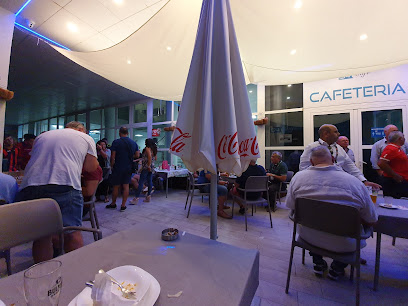
MasCafé
0.3 km
Discover the flavors of Gibraltar at MasCafé, where local ingredients meet international cuisine in a cozy atmosphere.
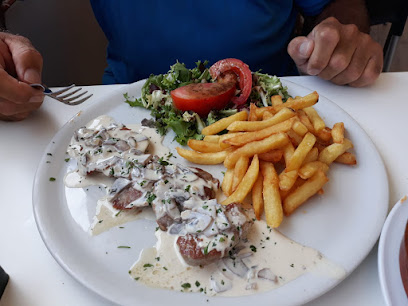
La Playita
0.3 km
Experience the vibrant atmosphere and delicious offerings at La Playita, Gibraltar's charming stand bar with affordable prices.
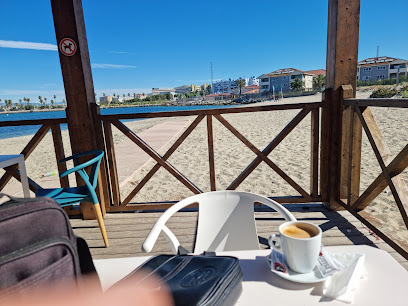
Gill's Gibraltar
0.4 km
Discover Gill's Gibraltar: A unique blend of Italian and Indian cuisine in a charming marina setting.
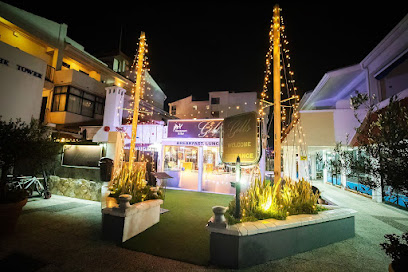
Charlie's Steak House And Grill
0.4 km
Discover delicious steaks and Indian cuisine at Charlie's Steak House And Grill in Gibraltar's Marina Bay – where flavor meets hospitality.
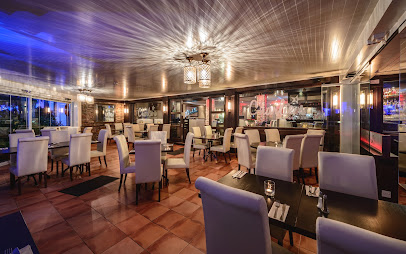
Biancas Restaurant
0.4 km
Experience Mediterranean flavors with stunning marina views at Biancas Restaurant in Gibraltar.
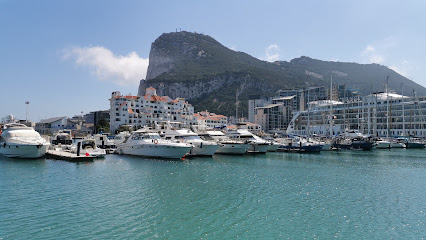
GRILLE53
0.4 km
Discover culinary excellence at GRILLE53 in Gibraltar - where steak meets seafood in a stunning marina setting.
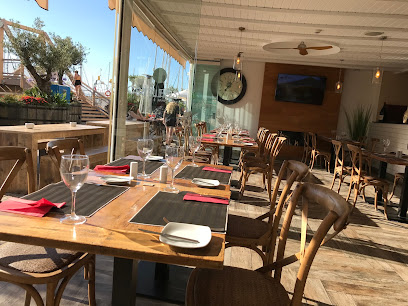
Bruno's Bar Restaurant
0.4 km
Discover the flavors of Gibraltar at Bruno's Bar Restaurant – where local ingredients meet breathtaking waterfront views.
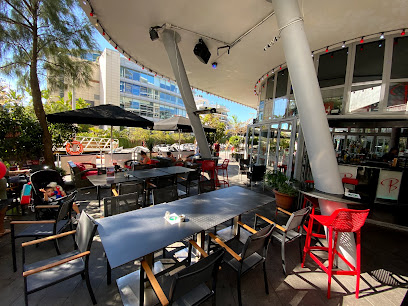
Barbary Restaurant & Lounge
0.4 km
Experience exquisite dining at Barbary Restaurant & Lounge in Gibraltar's stunning Ocean Village Marina.
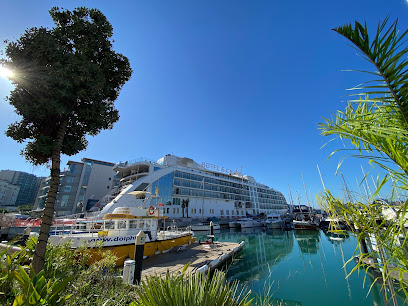
Nunos at The Express
0.4 km
Experience the vibrant culinary scene at Nunos at The Express in Gibraltar - where local flavors meet international cuisine.
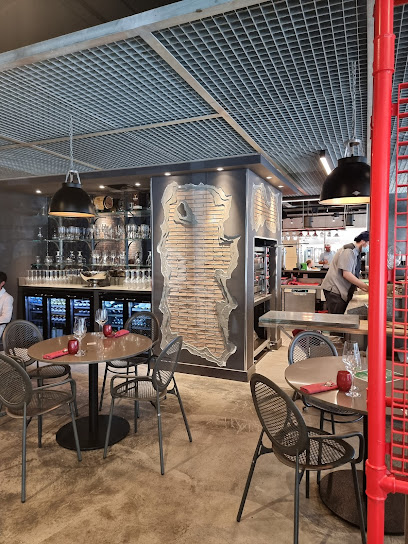
Las Iguanas
0.5 km
Experience vibrant Latin flavors at Las Iguanas in Gibraltar's Ocean Village - a culinary gem with stunning waterfront views.
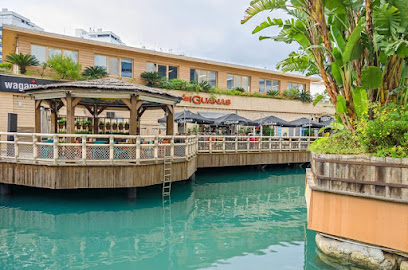
The Bridge Bar & Grill
0.5 km
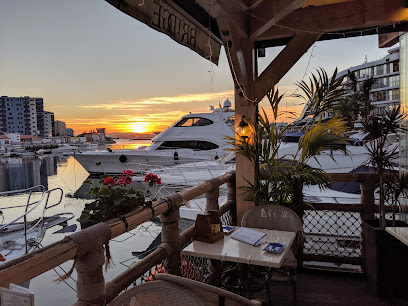
Experience delicious Mediterranean cuisine at The Bridge Bar & Grill in Gibraltar's Ocean Village – where taste meets stunning waterfront views.
wagamama
0.5 km
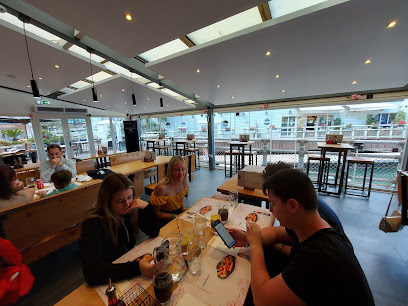
Experience the best of Asian fusion cuisine at Wagamama in Gibraltar's Ocean Village – where flavor meets style.
Markets, malls and hidden boutiques

Eroski Center
0.3 km
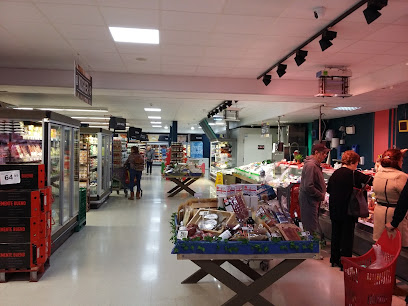
Explore the Eroski Center in Gibraltar for a diverse range of local and international products, perfect for every traveler’s needs.
Yummy Tummies
0.4 km
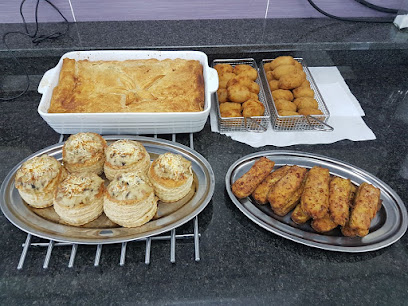
Discover delicious sandwiches in the heart of Gibraltar at Yummy Tummies, where flavor meets the stunning Marina Bay views.
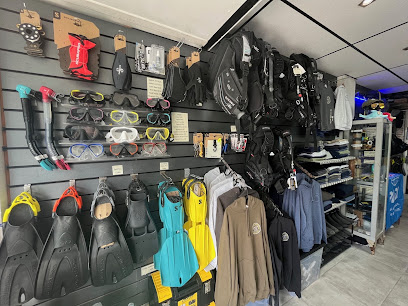
Dive Charters
0.4 km
Dive into the stunning underwater world of Gibraltar with Dive Charters, where unforgettable marine adventures await for divers of all levels.
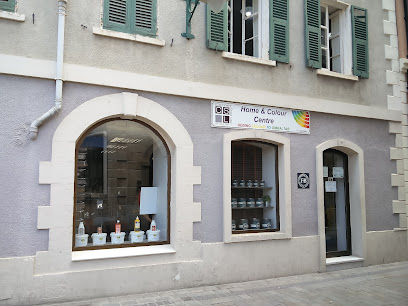
Corner Shop Ltd
0.4 km
Discover Corner Shop Ltd, Gibraltar's essential paint store with quality supplies for DIY enthusiasts and professionals alike.
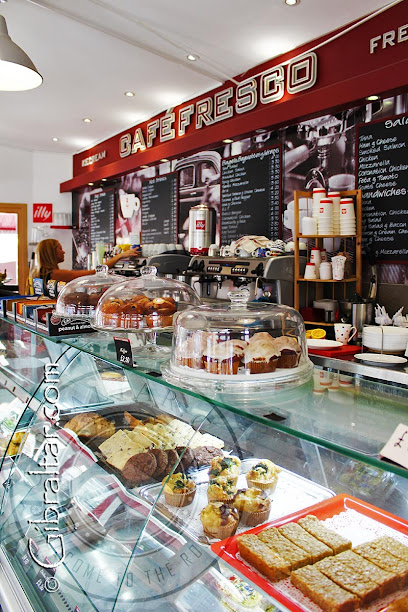
Sanu Brunch & co
0.5 km
Discover the flavors of Gibraltar at Sanu Brunch & Co, where delicious brunch meets stunning marina views for an unforgettable dining experience.
GIB Arrivals Duty Free
0.5 km
Shop tax-free at GIB Arrivals Duty Free in Gibraltar, where luxury meets affordability. Explore a range of products from perfumes to gourmet treats.
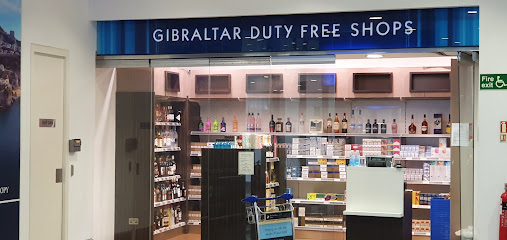
Gibraltar Duty Free Shop
0.5 km
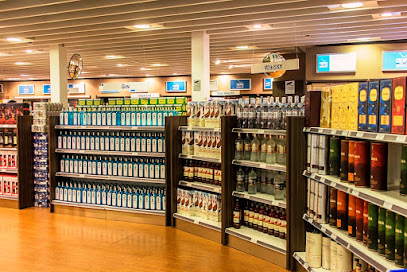
Explore the Gibraltar Duty Free Shop for unbeatable tax-free deals on luxury goods, local specialties, and memorable souvenirs.
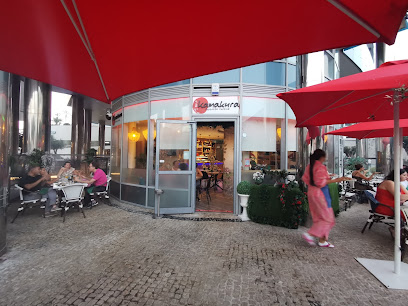
Kamakura Japanese Cuisine
0.6 km
Experience authentic Japanese cuisine at Kamakura in Gibraltar, featuring fresh sushi and traditional dishes in a vibrant setting.
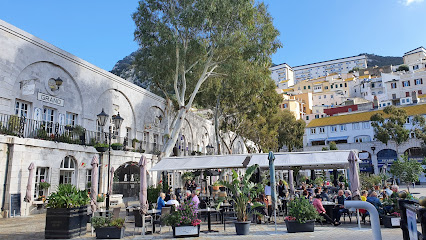
Gibraltar Arts and Crafts
0.6 km
Explore unique handmade crafts and local artistry at Gibraltar Arts and Crafts, a vibrant destination in Casemates Square.
Watch & Bullion
0.6 km
Explore luxury and craftsmanship at Watch & Bullion, Gibraltar's premier destination for exquisite timepieces and jewelry.
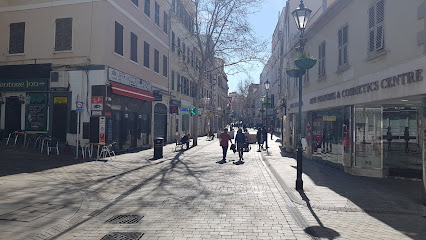
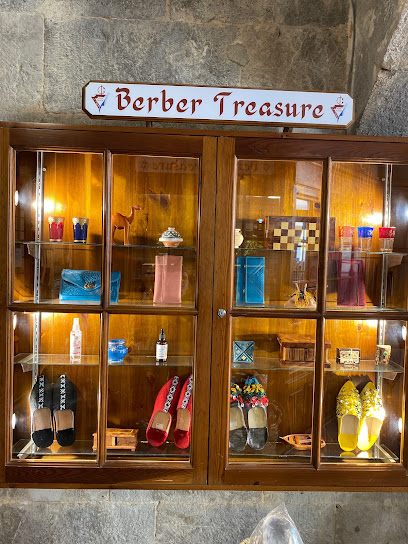
Berber Treasure shop
0.6 km
Explore the Berber Treasure Shop in Gibraltar for unique handcrafted gifts and a glimpse into Berber artistry.
D&H Paint Shop
0.7 km
Discover a treasure trove of colors and supplies at D&H Paint Shop in Gibraltar, perfect for artists and DIY enthusiasts seeking inspiration.

The Store
0.7 km
Discover unique souvenirs and local crafts at The Store, Gibraltar's charming gift shop that embodies the spirit of the Rock.
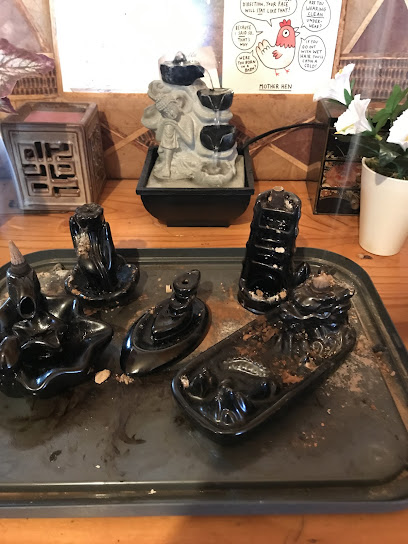
Freska E1
0.7 km
Experience the vibrant culinary scene at Freska E1, Gibraltar's premier dining destination for tourists seeking exceptional flavors and a lively atmosphere.

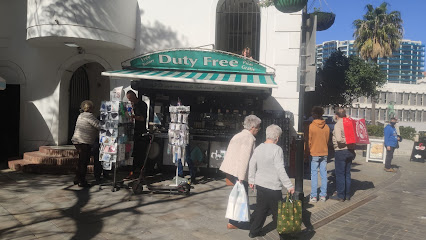
Duty Free
0.7 km
Uncover a world of luxury at Gibraltar's Duty Free watch store, where exquisite timepieces and accessories await at unbeatable prices.
Essential bars & hidden hideouts

The Ship
0.4 km
Discover The Ship, a vibrant bar in Gibraltar's Marina Bay, offering delicious food, refreshing drinks, and a stunning waterfront view.
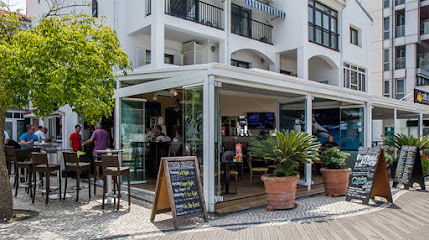
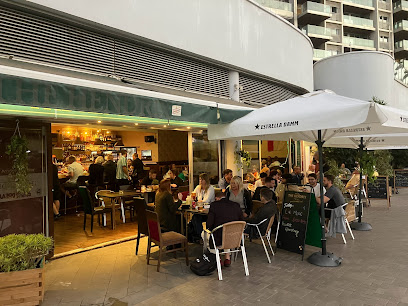
The Hendrix Pub
0.4 km
Experience the vibrant nightlife at The Hendrix Pub, a top destination in Gibraltar for drinks, live music, and a welcoming atmosphere.
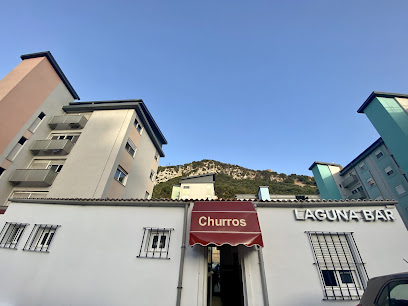
Laguna Bar
0.5 km
Discover the best of Gibraltar's flavors at Laguna Bar, where delicious breakfast and vibrant tapas meet stunning views.
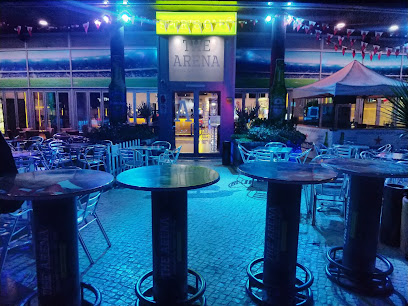
THE ARENA SPORTS CAFE
0.5 km
Discover the ultimate sports bar experience at The Arena Sports Cafe, where great food, drinks, and live sports come together in Gibraltar's Ocean Village Marina.
O'Reilly's Irish Pub & Steakhouse
0.5 km
Discover a vibrant Irish dining experience at O'Reilly's Pub & Steakhouse in Gibraltar, where tradition meets flavor in a lively atmosphere.
Viceroy
0.5 km
Experience the vibrant nightlife of Gibraltar at Viceroy, where stylish ambiance meets exceptional entertainment along the scenic Ocean Village Promenade.
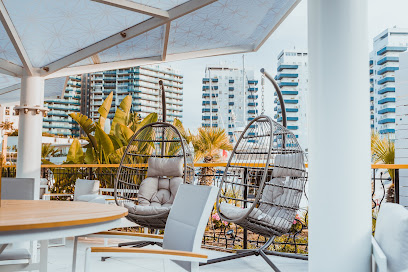
The Bottle Shop
0.5 km
Discover exquisite wines and a cozy ambiance at The Bottle Shop, Gibraltar's ultimate wine bar and store on the Ocean Village Promenade.
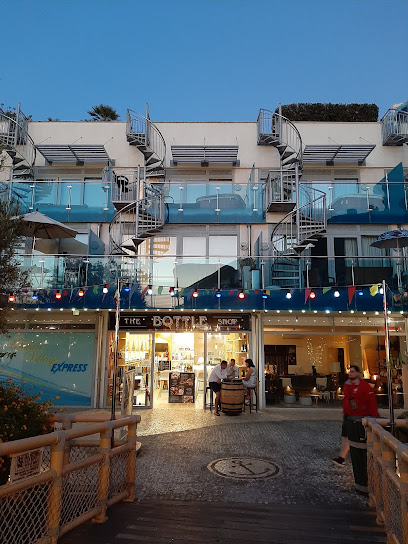
Nightclubs & after hour spots

Date Night Dancing
0.2 km
Discover the magic of dance at Date Night Dancing in Gibraltar, where romance and rhythm come together for unforgettable evenings.

Ivy Sports Bar & American Grill
0.6 km
Immerse yourself in the lively sports atmosphere at Ivy Sports Bar & American Grill, where American cuisine meets vibrant entertainment in beautiful Gibraltar.
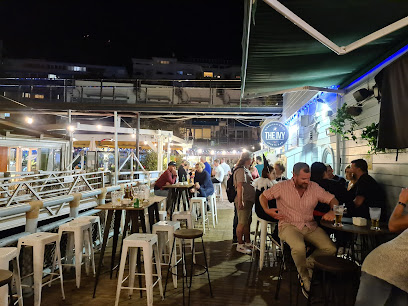
The Yard
0.6 km
Discover The Yard, a vibrant bar in Gibraltar's Ocean Village, perfect for cocktails, snacks, and stunning marina views.
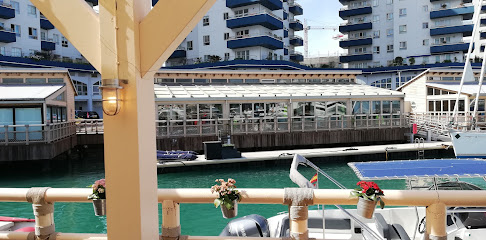
Quillo bar
0.6 km
Experience the vibrant nightlife at Quillo Bar, a premier waterfront bar in Gibraltar's Ocean Village, perfect for drinks and socializing.
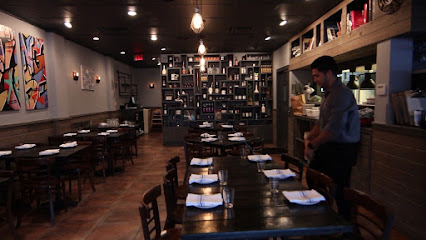
All's Well
0.6 km
Experience the vibrant flavors of Gibraltar at All's Well, a charming tapas bar in Grand Casemates Square, perfect for dining and drinks.
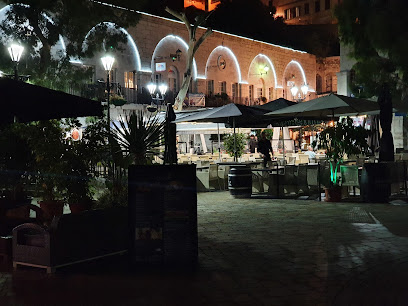
The Lord Nelson
0.6 km
Discover The Lord Nelson, a lively pub in Gibraltar's Casemates Square, offering a delightful atmosphere, scrumptious food, and a variety of drinks.
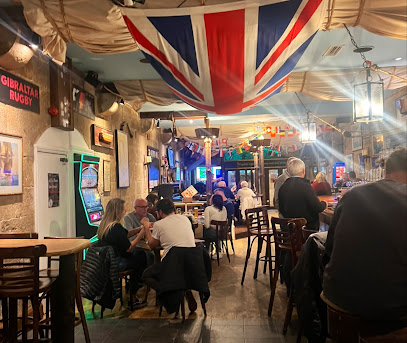
Venture Inn Pub/Bar Gibraltar
0.8 km
Experience authentic Irish hospitality at The Venture Inn in Gibraltar, where great food, drinks, and live music come together for an unforgettable evening.
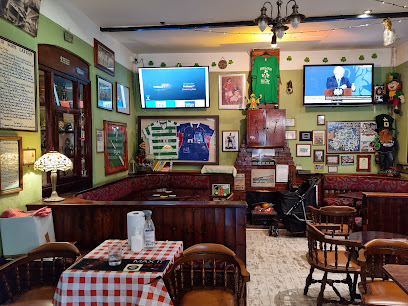
Internet & Sports Bar
0.8 km
Experience the vibrant energy of Cyberworld, Gibraltar's top sports bar, where every game is an unforgettable experience.
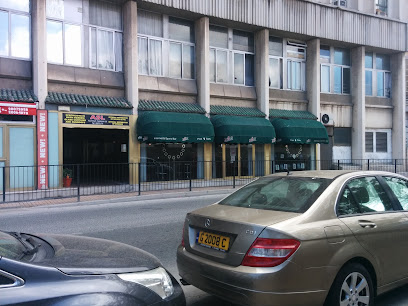
Star Bar
0.9 km
Experience the vibrant nightlife at Star Bar in Gibraltar, offering diverse drinks, quiz nights, and a welcoming atmosphere for all visitors.
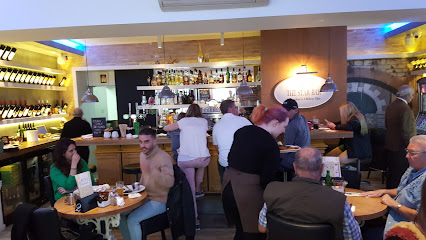
Gin and Wine Club
0.9 km
Discover the vibrant spirit of Gibraltar at the Gin and Wine Club, where exquisite gins and wines meet a lively atmosphere.