Kastélli, Crete Travel Guide
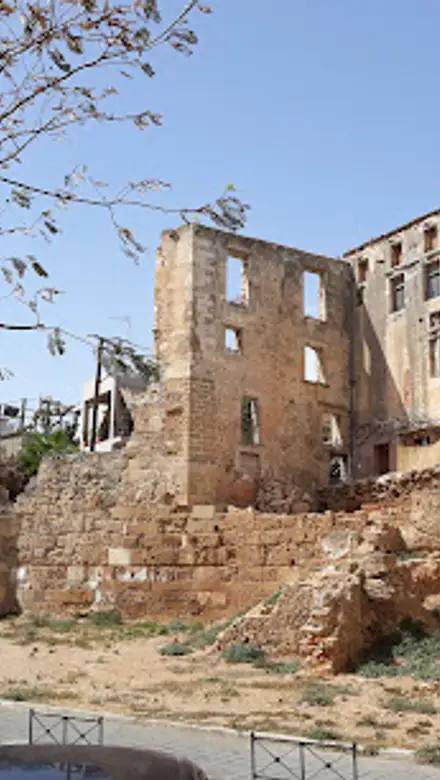
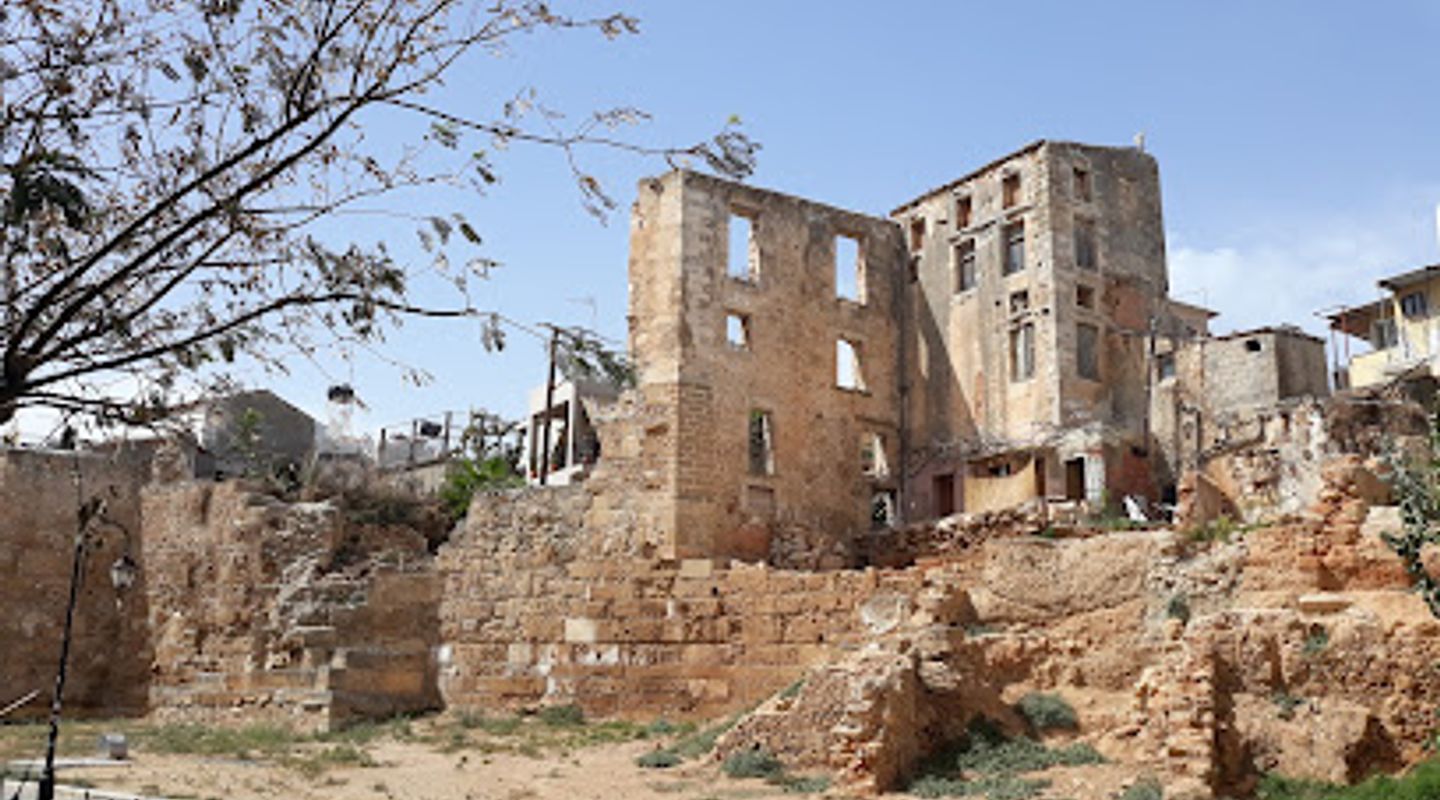
Explore Kastélli Hill in Chania: Uncover layers of Minoan, Venetian, and Byzantine history in this continuously inhabited ancient settlement.
Kastélli Hill in Chania, Crete, is a historically significant site, continuously inhabited for over 5000 years. It was the center of the Minoan city of Kydonia and later served as a Byzantine and Venetian stronghold, offering visitors a glimpse into the island's rich and layered past.
A brief summary to Kastélli
- Kanevarou 34, Chania, 731 32, GR
- Click to display

Know before you go
Hi, I'm Eve. Here are a few practical things to know before exploring Kastélli.
- Wear comfortable shoes for walking on the uneven terrain of Kastélli Hill.
- Visit early in the morning or late in the afternoon to avoid the midday heat, especially during summer.
- Combine your visit with a walk around Chania's Old Town and Venetian harbor.
Do you manage this location?
Take control to get all the benefits, like improved information, better appearance, and stronger visibility across AI-powered discovery. Learn more about listing your business on Evendo
Activate your presenceOther nearby places you may find interesting
The closest places of the same kind, if this one is not quite what you had in mind.

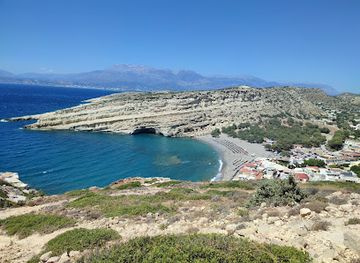

Explore Kastélli on the Map
A handpicked selection of must-see spots near Kastélli, mapped for you.
Getting There
-
Walking
From Chania's Venetian Harbor, Kastélli Hill is a short walk. Head east along the harbor front, passing the Archaeological Museum of Chania. Continue up Kanevarou Street, which leads directly to the heart of Kastélli. The walk is uphill but manageable, offering scenic views of the harbor. No costs are involved.
-
Public Transport
Local buses (Chania City Bus) serve the Old Town. Check for routes that stop near the Venetian Harbor or Plateia Syntagmatos, both within walking distance of Kastélli. From either stop, follow the walking directions. A single urban bus ticket costs approximately €1.20 - €2.50 depending on where you purchase the ticket.
-
Taxi
Taxis are readily available in Chania. Ask your driver to take you to Kanevarou Street in Kastélli. The fare from the central bus station or a hotel in the New Town should be around €5-€10. Ensure the driver uses the meter.
Discover more about Kastélli













Your all‑in‑one travel companion app
Explore expert travel guides, compare and book tours, experiences, hotels, and more—all from the palm of your hand. Download now for seamless trip planning wherever your wanderlust takes you.


Explore More of Crete
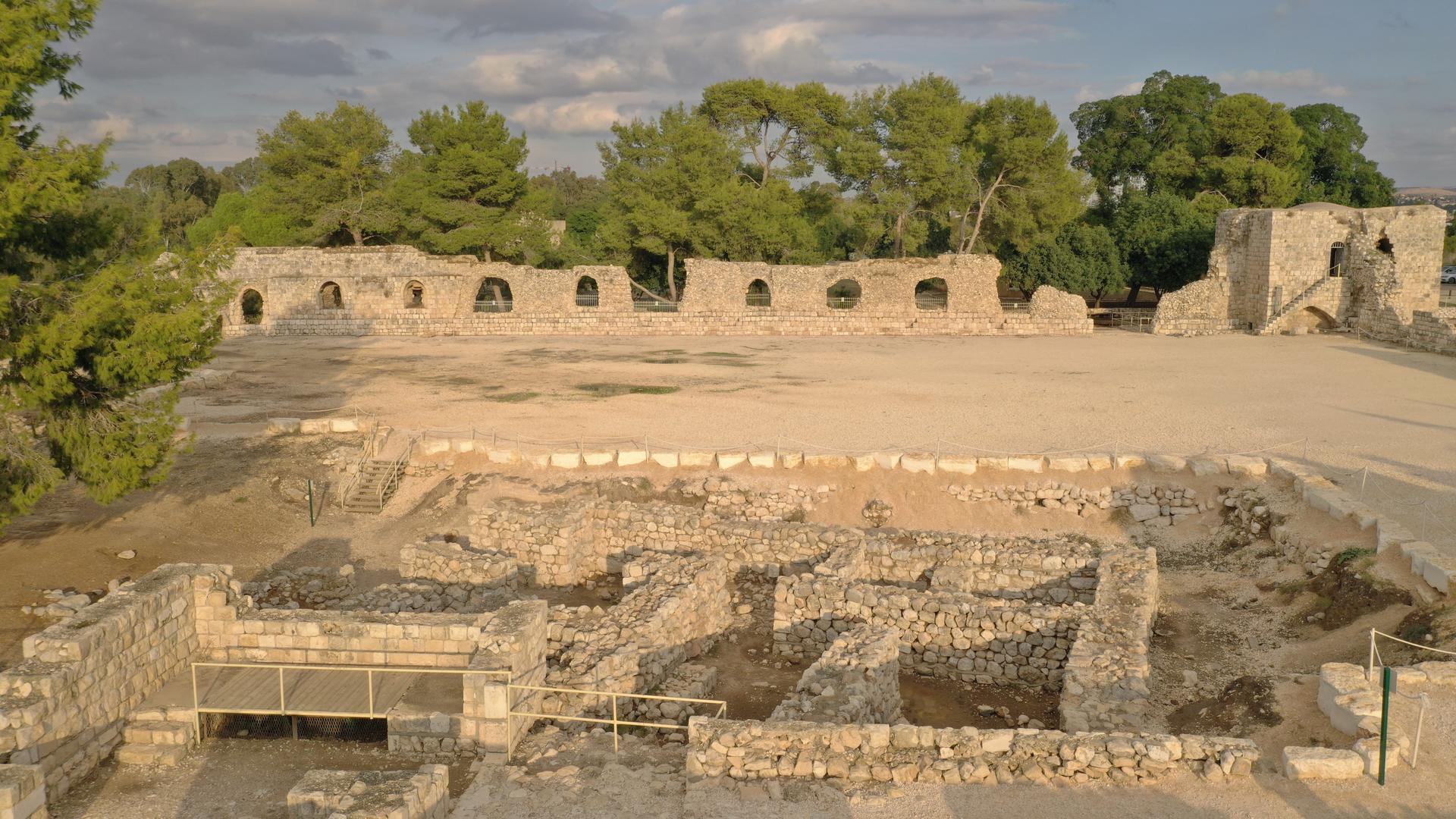
Looking beyond Kastélli? Discover Crete for broader travel guides, local hot-spots, and regional highlights.
Explore Crete
Experience the vibrant heart of Chania: history, culture, and Cretan charm converge in Sofoklis Venizelos Square, a must-see destination.
Experience Chania's history and charm from this beautifully renovated Venetian house in the heart of the Old Town, offering stunning views and modern comfort.