Ανδριάντας Π. Πατρών Γερμανού - Άγια Λαύρα, Western Greece Travel Guide
A tribute to a revolutionary figure at the birthplace of Greek independence, Agia Lavra Monastery.
This statue commemorates Germanos III of Patras, a key figure in the Greek Revolution, and stands at the Agia Lavra Monastery, the revolution's symbolic birthplace. It serves as a reminder of the monastery's pivotal role in Greek history.
A brief summary to Ανδριάντας Π. Πατρών Γερμανού - Άγια Λαύρα

Know before you go
Hi, I'm Eve. Here are a few practical things to know before exploring Ανδριάντας Π. Πατρών Γερμανού - Άγια Λαύρα.
- Visit the Agia Lavra Monastery's museum to see historical artifacts related to the Greek Revolution.
- Wear comfortable shoes for walking around the monastery grounds, which include uneven terrain.
- Check the monastery's opening hours, as they vary between winter and summer.
Do you manage this location?
Take control to get all the benefits, like improved information, better appearance, and stronger visibility across AI-powered discovery. Learn more about listing your business on Evendo
Activate your presenceOther nearby places you may find interesting
The closest places of the same kind, if this one is not quite what you had in mind.

Explore Ανδριάντας Π. Πατρών Γερμανού - Άγια Λαύρα on the Map
A handpicked selection of must-see spots near Ανδριάντας Π. Πατρών Γερμανού - Άγια Λαύρα, mapped for you.
Getting There
-
Driving
From Kalavryta, follow the signs for Agia Lavra Monastery. The distance is approximately 5 km and should take about 15 minutes by car. The road is well-maintained but can be narrow in some sections. Parking is available near the monastery.
-
Public Transport
KTEL of Achaia S.A. operates a bus from Athens to Kalavryta three times a week. From Kalavryta, you can take a taxi to Agia Lavra Monastery, which is about 5 km away. A taxi ride will cost approximately €10-€15.
Discover more about Ανδριάντας Π. Πατρών Γερμανού - Άγια Λαύρα
More to explore near Ανδριάντας Π. Πατρών Γερμανού - Άγια Λαύρα
-

Best experiences near Ανδριάντας Π. Πατρών Γερμανού - Άγια Λαύρα
-

Best hotels near Ανδριάντας Π. Πατρών Γερμανού - Άγια Λαύρα
-

Best attractions near Ανδριάντας Π. Πατρών Γερμανού - Άγια Λαύρα
-

Best shops near Ανδριάντας Π. Πατρών Γερμανού - Άγια Λαύρα
-

Best restaurants near Ανδριάντας Π. Πατρών Γερμανού - Άγια Λαύρα
-

Best bars near Ανδριάντας Π. Πατρών Γερμανού - Άγια Λαύρα







Your all‑in‑one travel companion app
Explore expert travel guides, compare and book tours, experiences, hotels, and more—all from the palm of your hand. Download now for seamless trip planning wherever your wanderlust takes you.


Explore More of Western Greece
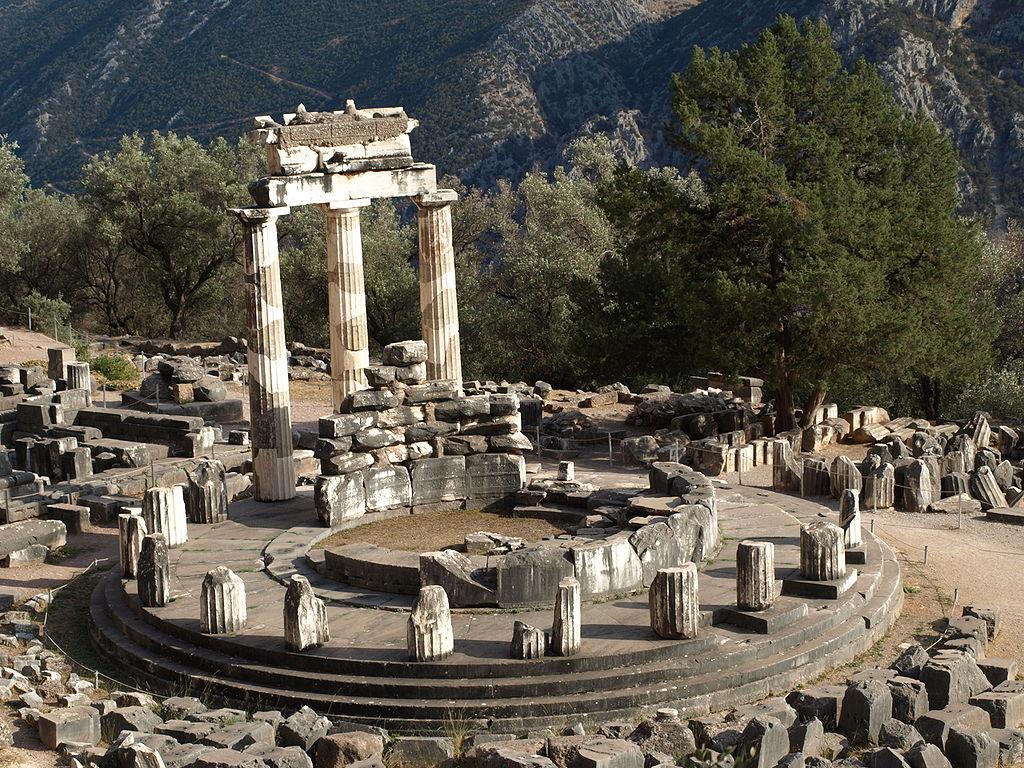
Looking beyond Ανδριάντας Π. Πατρών Γερμανού - Άγια Λαύρα? Discover Western Greece for broader travel guides, local hot-spots, and regional highlights.
Explore Western Greece
A modern arch in Patras, the Kamara symbolizes the city's connection to its Roman past and serves as a local landmark.
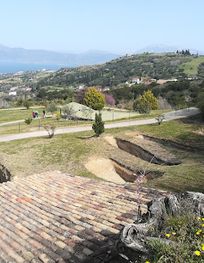
Uncover the mysteries of the Mycenaean civilization at this ancient cemetery near Patras, Greece. Explore tombs and artifacts dating back to 1500 BC.