

Free Western Greece Travel Guide & Mobile App
Explore Western Greece with free travel guides. Discover regional history, expert tips, proposed trips, and audio guides on web or mobile app.


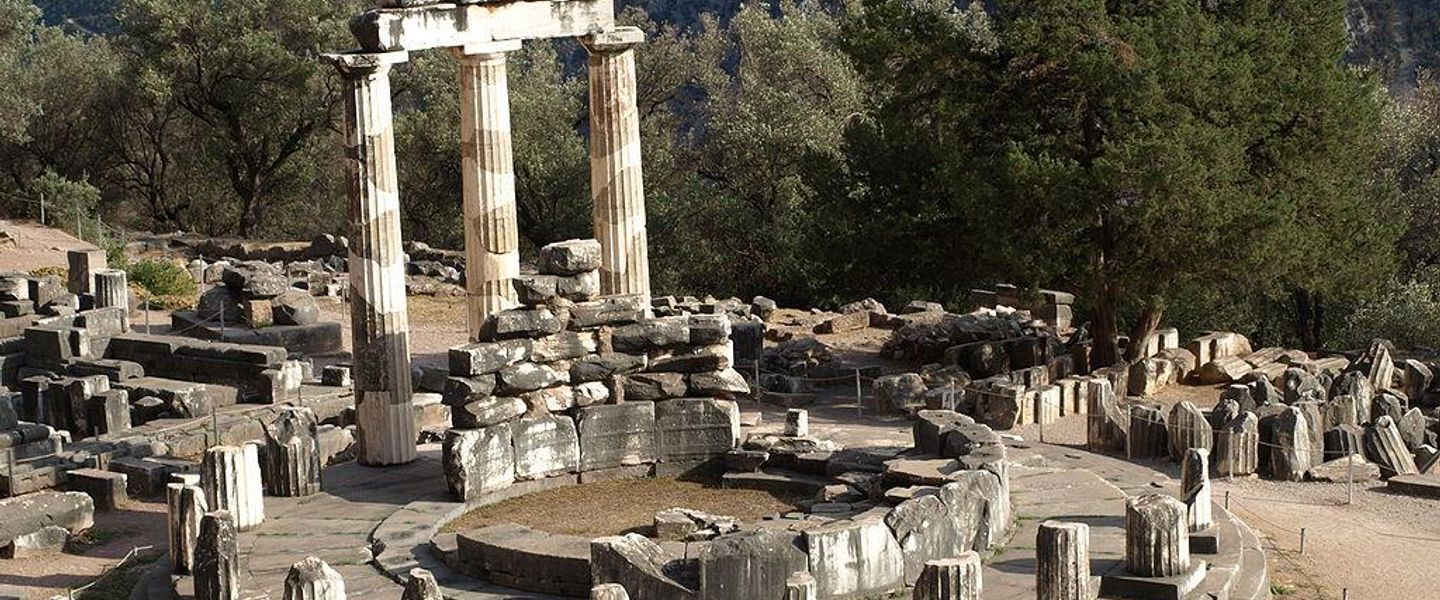


Explore Western Greece for Olympia, Patras, mountain villages, lagoon wetlands, Ionian beaches and distinctive regional food traditions.
Read more about Western Greece
When is the best time to visit Western Greece?
Best: May–June, September · 25–30°C| Month | High (°C) | Rainfall (mm) |
|---|---|---|
| January | 12 | 91 |
| February | 13 | 79 |
| March | 16 | 73 |
| April | 20 | 49 |
| May (best) | 25 | 29 |
| June (best) | 30 | 17 |
| July | 34 | 8 |
| August | 34 | 11 |
| September (best) | 29 | 28 |
| October | 22 | 75 |
| November | 16 | 103 |
| December | 13 | 126 |
Getting to and around Western Greece
How to get there
Transportation
Top city travel guides in Western Greece
The cities of Western Greece, and the easiest places to base yourself.
-

-
-
-

-

-


Swipe for more cities
Destinations in Western Greece
Resorts, valleys and scenic spots worth a trip of their own.
-

-


Swipe for more destinations
Best attractions in Western Greece
Western Greece offers an unusually broad mixture of archaeological, natural and cultural attractions. Olympia is the region’s principal heritage destination, with the sanctuary of Zeus, the ancient stadium and several museums explaining the history of the Olympic Games. The Temple of Apollo Epicurius at Bassae provides a more isolated archaeological experience in the mountains of Elis, while Aigeira and Patras reveal other layers of ancient and Roman settlement. Around Kalavryta, the Vouraikos Gorge, Chelmos mountain landscapes and the Diakopto–Kalavryta railway create opportunities for walking, scenic travel and winter recreation. The Messolonghi–Aitoliko lagoons are important for birdwatching, salt production and traditional fishing, and the town’s museums interpret its role in modern Greek history. Coastal Elis supplies long beaches and small seaside settlements, whereas Achaea’s Gulf of Corinth shore combines ferry views, historic Nafpaktos and access to mountain villages. The attraction landscape is therefore spread across substantial distances, with city culture in Patras, rural traditions in Aetolia-Acarnania and major archaeological sites in the western Peloponnese.
-
Archaeological museum
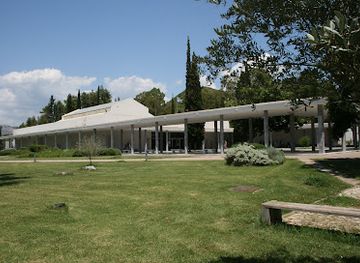
Archaeological Museum of Olympia
Discover the treasures of Ancient Olympia: A journey through the birthplace of the Olympic Games and ancient Greek history.
-
Bridge
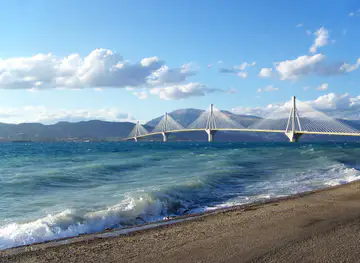
Charilaos Trikoupis Rio - Antirrio Bridge
Experience the Charilaos Trikoupis Bridge: An iconic Greek landmark connecting the Peloponnese with mainland Greece, offering stunning views and seamless travel.
-
Greek Orthodox church
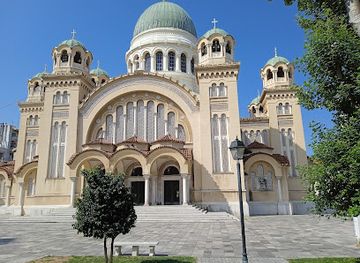
Holy Church of Saint Andrew
Discover Greece's largest Orthodox church in Patras, a pilgrimage site dedicated to St. Andrew with stunning Byzantine architecture and sacred relics.
-
Memorial park
Garden of Heroes
A moving tribute to the heroes of the Greek War of Independence, featuring monuments and lush landscapes in a serene setting.


Best landmarks in Western Greece
The Sanctuary of Olympia is Western Greece’s most recognisable historic landscape, where the Temple of Zeus, the ancient stadium and the remains of sporting and religious buildings convey the scale of the ancient festival centre. The Temple of Apollo Epicurius at Bassae is notable for its isolated mountain setting and its architectural importance, combining elements associated with major classical Greek styles. Patras Castle occupies a hill above the city and incorporates layers from antiquity through the medieval and Ottoman periods, while the city’s Roman Odeon is a visible reminder of its imperial past. Nafpaktos is defined by its fortified harbour, walls and castle rising above the town, a defensive ensemble shaped by centuries of rivalry for control of the Gulf of Corinth. In Messolonghi, the Garden of Heroes is a solemn civic monument to the town’s role in the War of Independence. The wetlands and salt pans of the Messolonghi–Aitoliko lagoon system form a natural landmark as important to the region’s identity as its masonry monuments.
-
Historical landmark
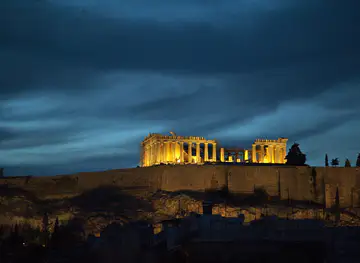
Acropolis of Athens
Explore the Acropolis of Athens: Where ancient wonders and breathtaking views create an unforgettable journey through history.
-
Historical landmark
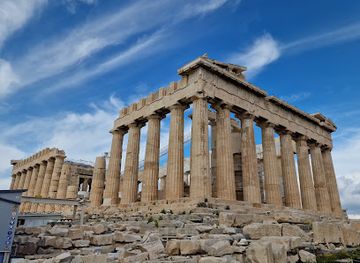
Parthenon
Explore the iconic Parthenon, a symbol of ancient Greece and Athenian democracy, offering a glimpse into the classical world.
-
Monastery
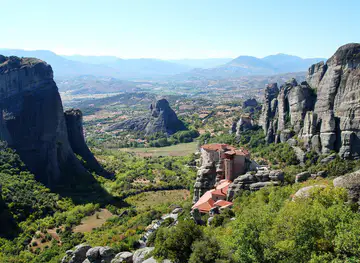
Meteora
Discover the breathtaking Meteora monasteries, a UNESCO World Heritage site where faith and nature converge in a stunning landscape of towering rock formations.
-
Historical place
Temple of Olympian Zeus
Explore the ruins of the Temple of Olympian Zeus in Athens, a testament to ancient ambition and enduring mythology.



Explore Western Greece on the map
Plan your trip on one map. See where the top cities, national parks and sights are, and book hotels and experiences in a few clicks.
Best hotels in Western Greece
Best restaurants in Western Greece
The food of Western Greece reflects fertile plains, mountain pasture, lagoons and the Ionian-facing coast. In Achaea and Elis, menus commonly draw on olives, olive oil, citrus fruit, vegetables, bread, goat and sheep cheeses, and locally raised meat. Achaean vineyards support regional wines, while rural tavernas often serve grilled meats, beans, pies and seasonal produce rather than an elaborate fixed menu. Around Messolonghi and Aitoliko, lagoon products are particularly distinctive: fish, eel and avgotaracho, a cured mullet roe traditionally associated with the lagoons, may appear alongside simpler seafood dishes. Patras provides the widest range of dining, from modern Greek cooking and cafés to traditional tavernas and bakeries, while coastal settlements focus on fresh fish when available. Markets and small food shops are useful for finding salt from the lagoon area, local cheeses, preserves, honey and dried fruit. Regional specialities vary between households, so asking about the day’s produce is often more useful than searching for a single emblematic dish.
-
Greek
Karamanlidika
Discover authentic Greek flavors at Karamanlidika—an enchanting culinary haven for charcuterie lovers in Athens.
-
Greek
Aspro Alogo (i.e. White Horse) Traditional Greek Food
Experience authentic Greek cuisine at Aspro Alogo in Athens – where tradition meets flavor in every dish.
-
Greek
LIONDI Traditional Greek Restaurant
Discover the essence of Greek cuisine at LIONDI Traditional Greek Restaurant – where every dish is crafted with love and tradition.
-
Greek
MIRONI Greek Restaurant
Savor the rich flavors of Greece at MIRONI Restaurant in Athens – where tradition meets modernity in every dish.


Best bars in Western Greece
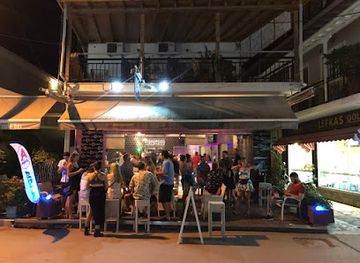
Patras has the region’s most substantial evening scene, supported by its university population, port activity and dense centre of cafés, bars and live-music venues. The Carnival period brings a particularly busy seasonal atmosphere, although dates and events change annually. Nafpaktos offers a more compact setting around its Venetian harbour, with cafés, restaurants and bars suited to long evenings rather than large-scale clubbing. In Agrinio, Messolonghi, Pyrgos and other towns, nightlife generally centres on cafés, tavernas, music bars and late socialising in central squares. Coastal resorts become livelier during summer, while mountain destinations favour restaurants, cafés and traditional inns. Outside the main towns, evening choices can be limited and venues may operate seasonally, so rural visitors should plan transport and dining in advance rather than expecting a continuous nightlife district.
-
Bar
The Clumsies
Experience the vibrant nightlife of Athens at The Clumsies, renowned for its innovative cocktails and lively atmosphere.
-
Cocktail bar
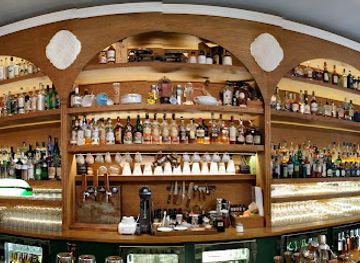
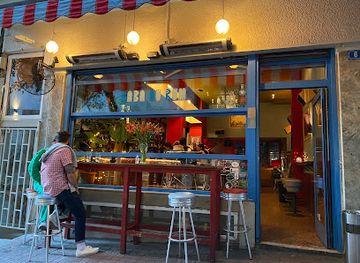
Baba au Rum
Discover unique cocktails and a vibrant atmosphere at Baba au Rum, the top cocktail bar in Athens, perfect for nightlife enthusiasts and travelers.
-
Bar
Distinto Rio
Discover the vibrant culinary scene at Distinto Rio, a bar and restaurant in Patras, serving delightful local dishes and refreshing drinks.
-
Bar
Tam Toom
Experience the vibrant atmosphere and exquisite Mediterranean flavors at Tam Toom in Akteo, Greece, a perfect spot for food lovers and socializers.


Best nightclubs in Western Greece
Patras has the region’s most substantial evening scene, supported by its university population, port activity and dense centre of cafés, bars and live-music venues. The Carnival period brings a particularly busy seasonal atmosphere, although dates and events change annually. Nafpaktos offers a more compact setting around its Venetian harbour, with cafés, restaurants and bars suited to long evenings rather than large-scale clubbing. In Agrinio, Messolonghi, Pyrgos and other towns, nightlife generally centres on cafés, tavernas, music bars and late socialising in central squares. Coastal resorts become livelier during summer, while mountain destinations favour restaurants, cafés and traditional inns. Outside the main towns, evening choices can be limited and venues may operate seasonally, so rural visitors should plan transport and dining in advance rather than expecting a continuous nightlife district.
-
Night club
Centro club
Experience the vibrant nightlife of Nidri at Centro Club, where great music, stylish cocktails, and unforgettable memories await.
-
Disco club
Navona Club Di Oggi
Discover the energetic nightlife of Patras at Navona Club Di Oggi, where music and dance create unforgettable memories.
-
Bar
Jo Club
Discover the lively nightlife of Pelagos at Jo Club, a vibrant bar offering delicious drinks and a welcoming atmosphere.
-
Night club
OMNIA downtown
Discover the electrifying nightlife at OMNIA Downtown, Patras' premier night club, where music, dance, and vibrant energy come together.


Best shops in Western Greece
Shopping in Western Greece is concentrated in the centres of Patras, Agrinio, Pyrgos, Nafpaktos and other market towns rather than in a single regional shopping district. Patras has the broadest choice of national retailers, independent boutiques, bookshops, bakeries and specialist food shops, while smaller towns are useful for everyday Greek products and locally made goods. Farmers’ markets and village shops offer olives, olive oil, honey, wine, cheese, preserves, citrus products and seasonal fruit, with availability varying by place and time of year. Around Messolonghi, salt and lagoon products are distinctive regional purchases, while Achaean wines and traditional cheeses are practical gifts that travel well when properly packaged. Pottery, woven items, religious objects and small craft pieces can be found near major heritage sites, though quality and provenance vary. At Olympia, compare museum and archaeological-site merchandise with independent shops in the surrounding town, and avoid buying purported antiquities or unlabelled archaeological fragments.
-
Outlet mall
Designer Outlet Athens
Experience the ultimate shopping adventure at Designer Outlet Athens, featuring top brands and unbeatable prices for the whole family.
-
Shopping mall
Mare West
Explore Mare West in Corinth for an unforgettable shopping experience, blending fashion, fun, and family-friendly activities in one vibrant location.
-
Vintage clothing store
Kilo-Shop
Explore the vibrant world of vintage fashion at Kilo-Shop in Athens, where every piece tells a story and sustainability meets style.
-
Store
Papanikolaou, K., & Co. E.E. "Store Center Plaka"
Discover unique local treasures and immerse yourself in the vibrant culture of Athens at Store Center Plaka, the ultimate shopping destination.


Get your free copy of our complete guide to Western Greece, delivered straight to you.
Everything on this page, from attractions and restaurants to essentials and local phrases, in one PDF you can read offline, print or share.
Already have an account? Sign in
Your Western Greece guide is ready.
We'll send it to · Not you? Sign out

Getting your guide ready…
We are putting together a fresh copy of the Western Greece guide. This can take up to a minute.
This can take a few moments. If your browser asks, choose Allow so the download can start. You'll find the guide in your Downloads folder.
Nothing happened? Download it again
Sorry, the guide is taking longer than usual. Please try again in a minute, or get it by email instead.
Western Greece essentials
Currency and Payment
Safety
Emergency Situations
Do's and Don'ts
Local Tips
From Eve
Local phrases worth knowing
You don't need to get them perfect. A few words go a long way, and locals appreciate the effort.
Basics
| English | Local | Say it |
|---|---|---|
| Hello | Γεια σου | [Yia sou] |
| Goodbye | Αντίο | [Adio] |
| Yes | Ναι | [Ne] |
| No | Όχι | [Ochi] |
| Please/You're welcome | Παρακαλώ | [Parakalo] |
| Thank you | Ευχαριστώ | [Efharisto] |
| Excuse me/Sorry | Συγγνώμη | [Signomi] |
| How are you? | Τι κάνεις; | [Ti kaneis?] |
| Fine. And you? | Καλά. Εσύ; | [Kala. Esi?] |
| Do you speak English? | Μιλάς Αγγλικά; | [Milas Agglika?] |
| I don't understand | Δεν καταλαβαίνω | [Den katalavaino] |
Eating & Drinking
| English | Local | Say it |
|---|---|---|
| I'd like to see the menu, please | Θα ήθελα να δω το μενού, παρακαλώ | [Tha ithela na do to menu, parakalo] |
| I don't eat meat | Δεν τρώω κρέας | [Den troo kreas] |
| Cheers! | Στην υγειά μας! | [Stin ygeia mas!] |
| I would like to pay, please | Θα ήθελα να πληρώσω, παρακαλώ | [Tha ithela na pliroso, parakalo] |
Emergencies
| English | Local | Say it |
|---|---|---|
| Help! | Βοήθεια! | [Voitheia!] |
| Go away! | Φύγε! | [Fyge!] |
| Call the Police! | Καλέστε την αστυνομία! | [Kaleste tin astynomia!] |
| Call a doctor! | Καλέστε έναν γιατρό! | [Kaleste ena giatro!] |
| I'm lost | Είμαι χαμένος | [Eimai chamenos] |
| I'm ill | Είμαι άρρωστος | [Eimai arrostos] |
Shopping
| English | Local | Say it |
|---|---|---|
| I'd like to buy... | Θα ήθελα να αγοράσω... | [Tha ithela na agoraso...] |
| I'm just looking | Απλά κοιτάζω | [Apla kitazo] |
| How much is it? | Πόσο κοστίζει; | [Poso kostizei?] |
| That's too expensive | Είναι πολύ ακριβό | [Einai poly akrivo] |
| Can you lower the price? | Μπορείς να κατεβάσεις την τιμή; | [Boreis na katevaseis tin timi?] |
Time & Numbers
| English | Local | Say it |
|---|---|---|
| What time is it? | Τι ώρα είναι; | [Ti ora einai?] |
| It's one o'clock | Είναι μία | [Einai mia] |
| Half past (10) | Δέκα και μισή | [Deka kai misi] |
| Morning | Πρωί | [Proi] |
| Afternoon | Απόγευμα | [Apogevma] |
| Evening | Βράδυ | [Vrady] |
| Yesterday | Χθες | [Chthes] |
| Today | Σήμερα | [Simera] |
| Tomorrow | Αύριο | [Avrio] |
| 1 | 1 | [1] |
| 2 | 2 | [2] |
| 3 | 3 | [3] |
| 4 | 4 | [4] |
| 5 | 5 | [5] |
| 6 | 6 | [6] |
| 7 | 7 | [7] |
| 8 | 8 | [8] |
| 9 | 9 | [9] |
| 10 | 10 | [10] |
Transport & Directions
| English | Local | Say it |
|---|---|---|
| Where's a/the...? | Πού είναι ένα/το...; | [Pou einai ena/to...?] |
| What's the address? | Ποια είναι η διεύθυνση; | [Poia einai i diefthinsi?] |
| Can you show me (on the map)? | Μπορείς να μου δείξεις (στο χάρτη); | [Boreis na mou deikseis (sto charti)?] |
| When's the next (bus)? | Πότε είναι το επόμενο (λεωφορείο); | [Pote einai to epomeno (leoforeio)?] |
| A ticket (to ...) | Ένα εισιτήριο (για ...) | [Ena eisitirio (gia ...)] |
History of Western Greece
Mycenaean and Classical Landscapes
Western Greece was inhabited long before the classical city-states, with Mycenaean remains and later sanctuaries appearing across Achaea, Elis and Aetolia. Elis became closely associated with the sanctuary of Olympia, while settlements such as Aigeira occupied strategic positions along the northern Peloponnese. Ancient communities depended on agriculture, pastoralism, maritime exchange and control of routes through the mountains. The region’s geography encouraged a mixture of coastal settlements, inland valleys and semi-independent communities rather than a single political centre.
Olympia and the Ancient Olympic Games
The sanctuary of Olympia developed into a pan-Hellenic religious centre dedicated principally to Zeus. Athletic contests were held there from the archaic period until late antiquity, drawing competitors and visitors from across the Greek world. Temples, treasuries, training facilities and sporting grounds accumulated around the sacred centre. The games were eventually suppressed under the Christian Roman Empire, but the archaeological site and its associated museums preserve the religious, artistic and athletic importance of Olympia, whose modern revival helped give the Olympic ideal an international dimension.
Roman Patras and Imperial Exchange
Patras gained importance under Roman rule, particularly after its reorganisation as a colony in the late first century BC. Its position near the Gulf of Patras and the routes connecting Greece with Italy made it useful for commerce, administration and military movement. Roman influence is visible in the city’s archaeological remains and in the wider network of roads, ports and settlements across western Greece. The region’s agricultural goods, craft products and strategic maritime position tied it to wider Mediterranean trade.
Medieval Fortresses and Venetian Sea Routes
After late antiquity, western Greece passed through changing Byzantine, Frankish, Venetian and Ottoman spheres of influence. Fortified sites at Nafpaktos, Patras and elsewhere guarded harbours and routes across the Gulf of Corinth and the Ionian approaches. Nafpaktos, known in the west as Lepanto, was a significant Venetian stronghold before Ottoman rule; its harbour and castle still express the strategic value of the town. Churches, monasteries and mountain settlements also preserved local communities through periods of political change.
The Ottoman Period and the Siege of Messolonghi
Much of western Greece was incorporated into the Ottoman Empire, although control varied across difficult mountain and marshland environments. Messolonghi became especially important during the Greek War of Independence in the nineteenth century. Its defenders endured prolonged sieges before the desperate sortie of 1826, an event that attracted international attention and influenced philhellenic support for the Greek cause. The town’s Garden of Heroes and museums commemorate this history, while the surrounding lagoons remain a defining part of its physical setting.
The Greek War of Independence and the Birth of the Modern State
Western Greece was among the areas involved in the struggle that led to the establishment of the modern Greek state. Nafpaktos, Patras, Achaean mountain communities and the districts around Messolonghi all experienced military movements, local resistance and political upheaval. The region’s ports were strategically important, while its mountains offered routes and refuge. Independence brought new administrative structures and gradual changes in landholding, trade and infrastructure, although many communities remained strongly rural for generations.
Railways, Ports and Agricultural Modernisation
During the nineteenth and twentieth centuries, roads, railways and port improvements connected western Greece more closely with Athens, the Peloponnese and Italy. Patras became a major gateway for passengers and freight, while agricultural production expanded around the plains of Elis and the lagoons of Aetolia-Acarnania. Currants, citrus fruit, olives, wine and livestock shaped local economies. The construction of bridges, reservoirs and modern highways has since altered travel patterns, although rural districts still retain landscapes shaped by older farming and fishing practices.
Western Greece in Photos
Browse through our photo collection highlighting the charm and character of the destination.
Neighbouring regions of Western Greece
The closest regions to Western Greece, if you have time for more than one.
-

-
-
-

-


Swipe for more regions
Explore more
Explore more of Greece
Discover Greece: A land where ancient history meets modern vibrancy, offering stunning islands, crystal-clear seas, and unforgettable cultural experiences.
Explore Greece