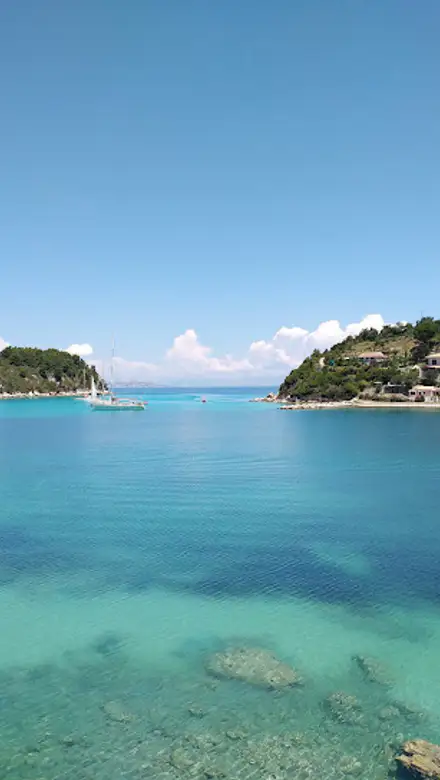
Lakka's Lighthouse Travel Guide
Free Guide: Explore Paxos' Lakka Lighthouse: a historic beacon offering scenic views and a glimpse into the island's maritime past.


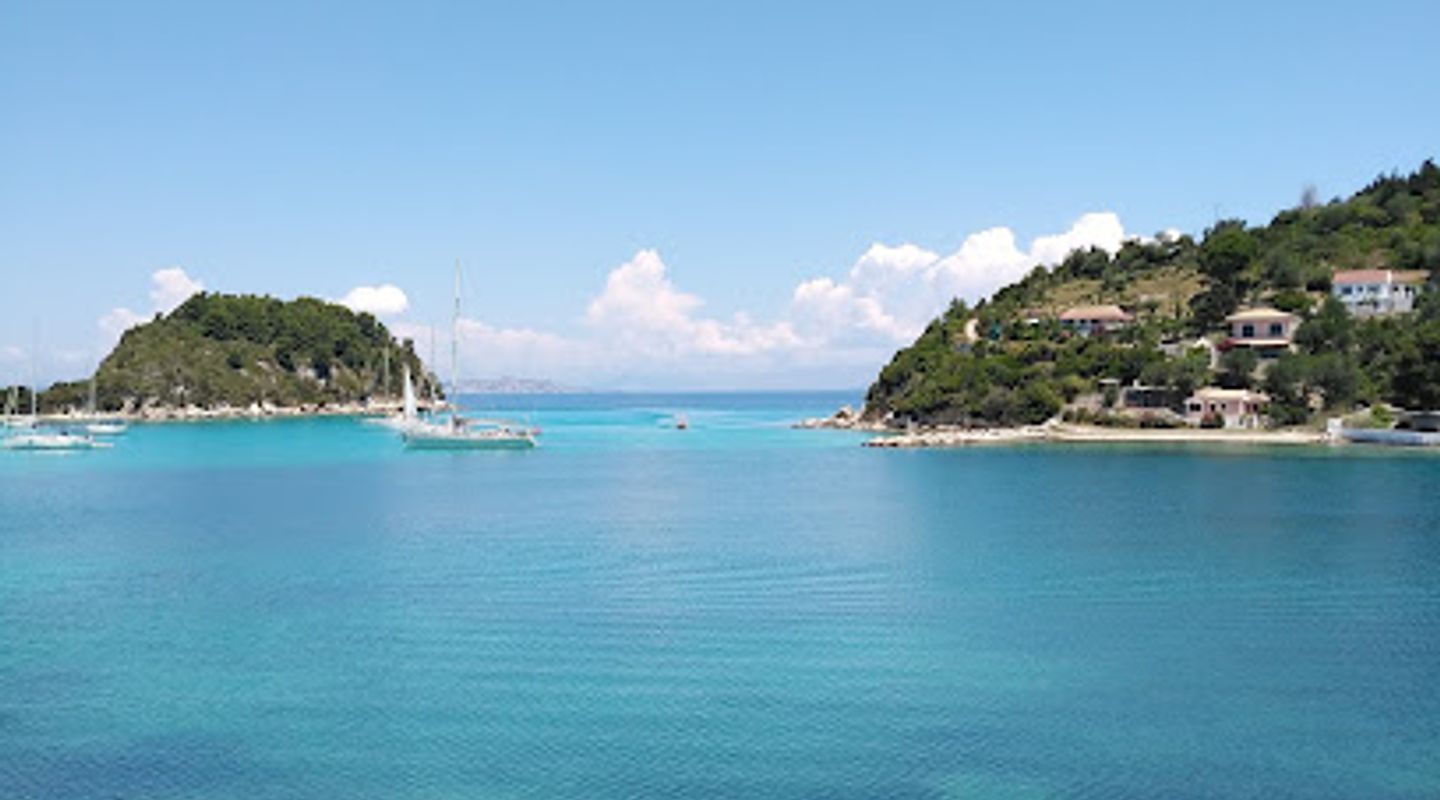
A brief summary of Lakka's Lighthouse
Explore Paxos' Lakka Lighthouse: a historic beacon offering scenic views and a glimpse into the island's maritime past.
Perched on the northern tip of Paxos Island, the Lakka Lighthouse has guided sailors since 1825. It has been rebuilt after a collapse in 1913 and bombing during WWII. The lighthouse stands as a testament to the island's maritime history and resilience.
Opening hours
- Every dayOpen 24 hours
Opening hours as listed on the venue’s Google Business Profile. Hours can change for services and special events, so check with the venue before you go.
- Address
- Paxi 490 82
- Phone
- Website
Getting there
Walking
Public Transport
Discover more about Lakka's Lighthouse
Overview
Lakka Lighthouse, situated on the northern edge of Paxos, has a history dating back to 1825. The British initially constructed it, and its first lantern was lit on June 1, 1831. The original mechanism featured a reflector system of 10 parabolic mirrors.In March 1913, disaster struck when the lighthouse collapsed into a 200-meter-long ravine due to subsidence. Fortunately, no lives were lost. A new lighthouse was constructed in 1919 at a nearby location called “Kuera”. It featured an updated lighting system capable of emitting three white flashes every 24 seconds, visible from up to 26 miles away.The lighthouse was bombed during the Italian-German occupation in World War II but was restored and relit in 1952. Today, the square stone tower stands as a beacon of history and resilience. While the lighthouse itself is not open to the public, the grounds are accessible and offer views of the Ionian Sea. A chapel dedicated to St. Nicholas, built by lighthouse keepers who rescued an icon of the saint during the 1913 collapse, remains a significant symbol of the lighthouse's enduring legacy.
Evendo Review Centre
 Google
Guest reviews
Explore Lakka's Lighthouse on the map
A handpicked selection of must-see spots near Lakka's Lighthouse, mapped for you.
Get your free copy of our complete guide to Lakka's Lighthouse, delivered straight to you.
Everything on this page, from opening hours and how to get there to Eve’s tips and the best time to go, in one PDF you can read offline, print or share.
Already have an account? Sign in
Your Lakka's Lighthouse guide is ready.
We'll send it to · Not you? Sign out

Getting your guide ready…
We are putting together a fresh copy of the Lakka's Lighthouse guide. This can take up to a minute.
This can take a few moments. If your browser asks, choose Allow so the download can start. You'll find the guide in your Downloads folder.
Nothing happened? Download it again
Sorry, the guide is taking longer than usual. Please try again in a minute, or get it by email instead.
Other nearby places you may find interesting
The closest places of the same kind, if this one is not quite what you had in mind.
-
-


Swipe for more places
More to explore near Lakka's Lighthouse

 Best experiences near Lakka's Lighthouse
 Best hotels near Lakka's Lighthouse
 Best landmarks near Lakka's Lighthouse
 Best attractions near Lakka's Lighthouse
 Best shops near Lakka's Lighthouse
 Best restaurants near Lakka's Lighthouse
 Best bars near Lakka's Lighthouse
Do you manage this location?
Take control to get all the benefits, like improved information, better appearance, and stronger visibility across AI-powered discovery.
Explore more

Explore more of Paxos
Discover Paxos: Greece's hidden paradise with crystal-clear waters, charming villages, and serene landscapes perfect for a tranquil and picturesque escape.
Explore Paxos
Explore more of Greece
Discover Greece: A land where ancient history meets modern vibrancy, offering stunning islands, crystal-clear seas, and unforgettable cultural experiences.
Explore Greece