Venetian Gate, Rethymno Travel Guide
Free Guide: Step through history at Rethymno's Venetian Gate, a majestic reminder of the island's Venetian past and a gateway to the charming Old Town.


A brief summary of Venetian Gate
Step through history at Rethymno's Venetian Gate, a majestic reminder of the island's Venetian past and a gateway to the charming Old Town.
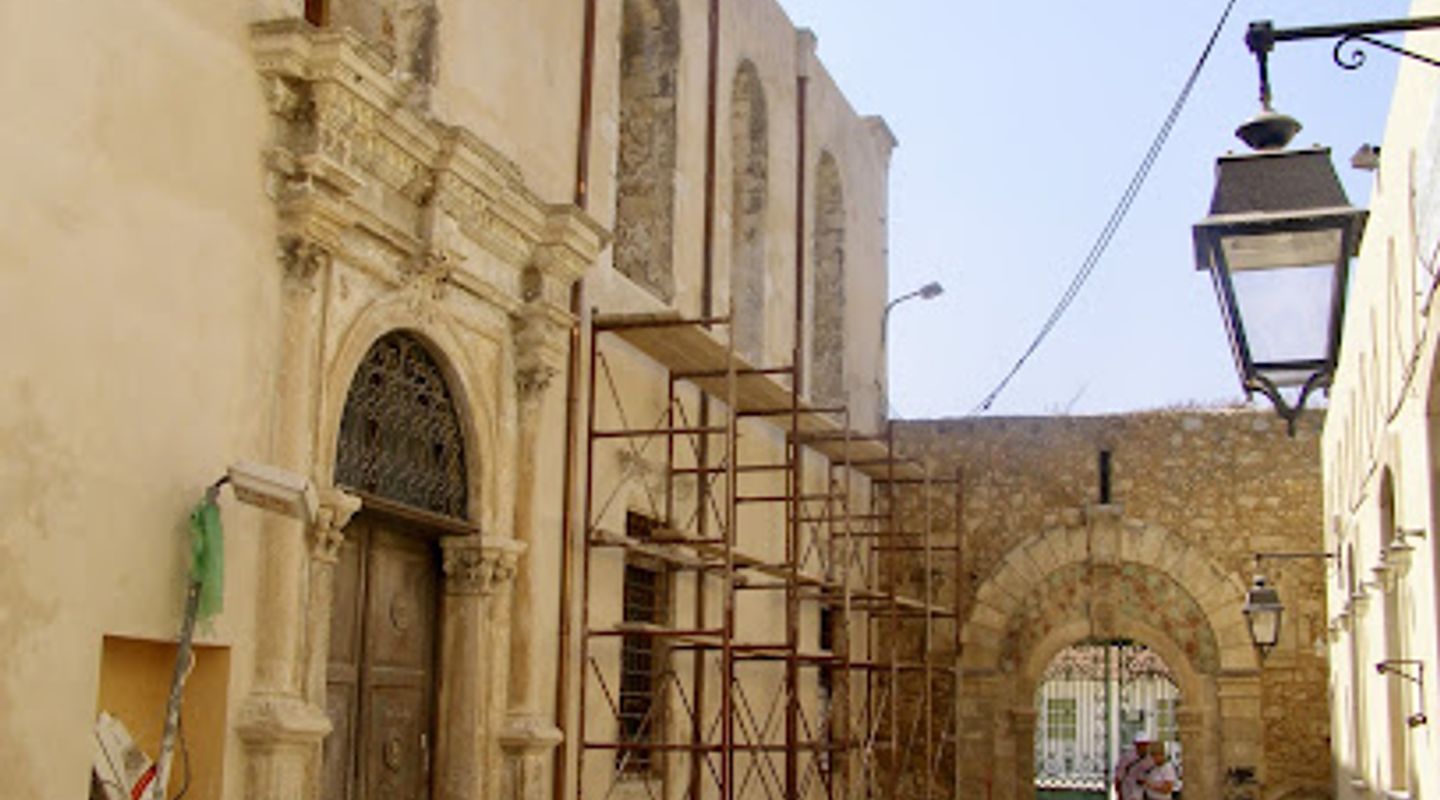
The Venetian Gate, also known as the Guora Gate or Megali Porta (Big Gate), is the only remaining part of Rethymno's Venetian fortifications. Built in the 16th century, it served as the main entrance to the walled city. Today, it stands as a reminder of the city's rich Venetian history and a popular landmark for visitors.
- Address
- Eth. Antistaseos 80, Rethymno 741 31
Getting there
Walking
Public Transport
Taxi
Discover more about Venetian Gate
Overview
The Venetian Gate, also called Guora Gate or Megali Porta, is a significant historical landmark in Rethymno, Crete. Constructed between 1540 and 1570, it was the primary entrance to the Venetian-era fortified city. Named after the Venetian rector, Giacomo Guoro, who governed from 1566 to 1568, the gate is a testament to the city's strategic importance during Venetian rule.Originally, the gate was a robust structure made of wood and metal, standing six meters tall. It opened at dawn and closed at night, controlling access to the city center and its important buildings like the Loggia, Rimondi Fountain, and Clock Tower. The gate led to the central square.Today, only the arch of the gate remains on Ethnikis Antistaseos Street. The intricate stonework and semi-circular arch showcase the architectural skills of the time. A relief of the Lion of St. Mark, the emblem of Venice, once adorned the gate but is now preserved in fragments at the Loggia's courtyard.Located across from Four Martyrs Square, the Venetian Gate marks the entrance to Rethymno's Old Town. The area surrounding the gate is filled with local shops and cafes, offering visitors a taste of Cretan culture.
Evendo Review Centre
 Google
Guest reviews
Explore Venetian Gate on the map
A handpicked selection of must-see spots near Venetian Gate, mapped for you.
Get your free copy of our complete guide to Venetian Gate, delivered straight to you.
Everything on this page, from opening hours and how to get there to Eve’s tips and the best time to go, in one PDF you can read offline, print or share.
Already have an account? Sign in
Your Venetian Gate guide is ready.
We'll send it to · Not you? Sign out

Getting your guide ready…
We are putting together a fresh copy of the Venetian Gate guide. This can take up to a minute.
This can take a few moments. If your browser asks, choose Allow so the download can start. You'll find the guide in your Downloads folder.
Nothing happened? Download it again
Sorry, the guide is taking longer than usual. Please try again in a minute, or get it by email instead.
Other nearby places you may find interesting
The closest places of the same kind, if this one is not quite what you had in mind.
-
Guora gate Step through time at Rethymno's Guora Gate, a surviving archway and a window into the city's Venetian past, marking the entrance to the Old Town.
-
Venetian Fortezza Castle Explore Rethymno's Venetian Fortezza: a historic fortress with panoramic views, Ottoman influences, and echoes of Crete's past.
-
Venetian Clock Tower footprint Explore the historical footprint of Rethymno's Venetian Clock Tower, a lasting symbol of the city's rich cultural heritage and architectural past.
-
Breakwater of Rethymno Stroll along Rethymno's Breakwater for stunning sea views, fresh breezes, and a glimpse into the town's rich maritime history.
-
Central Gate of the Fortress of Rethymnon Step through history at the Central Gate, the grand entrance to Rethymno's Fortezza, a Venetian-era fortress with stunning views.
Swipe for more places
More to explore near Venetian Gate

 Best experiences near Venetian Gate
 Best hotels near Venetian Gate
 Best landmarks near Venetian Gate
 Best attractions near Venetian Gate
 Best shops near Venetian Gate
 Best restaurants near Venetian Gate
 Best bars near Venetian Gate
Do you manage this location?
Take control to get all the benefits, like improved information, better appearance, and stronger visibility across AI-powered discovery.
Explore more
Explore more of Rethymno
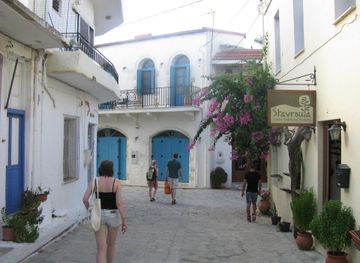
Discover Rethymno, a vibrant blend of Venetian architecture, stunning beaches, and rich Cretan culture. Experience history, cuisine, and picturesque landscapes in one captivating destination.
Explore Rethymno
Explore more of Greece
Discover Greece: A land where ancient history meets modern vibrancy, offering stunning islands, crystal-clear seas, and unforgettable cultural experiences.
Explore Greece